

Key Takeaways
Affordable BYD parts Adelaide are easier to source when you confirm the vehicle details, compare the full fitted cost, and treat high-voltage components with care.
- Match every part to the model, year, trim, and VIN where possible.
- Compare genuine, aftermarket, and recycled parts on total cost, not price alone.
- Ask suppliers about part numbers, condition, warranty, returns, and freight.
- Use qualified EV technicians for high-voltage systems and uncertain repairs.
- Keep invoices and installation records for future servicing and warranty questions.
Understanding the BYD parts market in Adelaide
The Adelaide market includes new genuine components, aftermarket replacements, and recycled parts from dismantlers and specialist suppliers. Availability varies by model and by the type of component needed, so a cheap listing is not automatically the best choice. Body panels and trim may be easier to source than electronic modules or high-voltage equipment. A clear description of the vehicle will make the first conversation with a supplier much more productive.
Common BYD models and parts requirements
Different BYD vehicles call for different searches, even when a part appears similar in photographs. An Atto 3, Dolphin, or Seal may share general service needs with other electric vehicles, but its bodywork, suspension components, sensors, connectors, and control modules still need model-specific checking. The used BYD EV components guide is useful when considering recycled parts for these kinds of vehicles because it covers matching the component to the model, year, and VIN.
Start by recording the registration details, build year, variant, and VIN. Include whether the vehicle is fully electric or a plug-in hybrid if that applies. Those details help separate routine items such as wiper blades and cabin filters from parts that need exact electronic or physical compatibility.
Genuine, aftermarket, and recycled component options
Genuine parts are supplied for the vehicle’s original specification, while aftermarket parts are made by another manufacturer and may vary in materials, fit, or warranty terms. Recycled components can be a practical choice for doors, mirrors, lamps, trim, wheels, and selected mechanical or electronic items, provided their history and condition are known. The right option depends on the part’s safety role, availability, expected service life, and installed cost.
A supplier should be able to explain whether a used component was tested, removed from a damaged vehicle, or sold as untested. For visible parts, colour and condition matter as much as fit. For electronics, ask whether the component needs programming or calibration after installation.
Why local availability affects cost and delivery times
A locally available part can reduce freight, waiting time, and the risk of damage during transport. It may also make inspection easier before purchase, especially for a used panel or trim piece. A part sourced from interstate or overseas can still be worthwhile, but the quote should show shipping and any likely delay rather than hiding them in a low headline price.
Local availability also helps when a technician needs to compare the replacement with the original before fitting. That small advantage can prevent a second order caused by an incorrect connector, mounting point, or finish.
Parts availability for newer BYD vehicles
Newer vehicles may have fewer recycled parts in circulation, particularly for model-specific body panels, sensors, and electronic modules. In that situation, a dealer or specialist retailer may be the more realistic starting point, while used stock becomes more available over time. The BYD Australia range can help a buyer identify the vehicle family before requesting a parts quote, but the vehicle’s own VIN remains the stronger compatibility reference.
Do not assume that a part listed for a newer model will fit an older or closely named variant. Ask for a written confirmation of compatibility and keep the listing or quote with your records.
How to find affordable BYD parts in Adelaide
Finding affordable BYD parts Adelaide is mainly a comparison exercise. Contact several suitable suppliers, but give each one the same vehicle information and part description so the quotes can be compared fairly. A part that costs less at checkout may become more expensive once freight, diagnosis, fitting, and return limitations are included.
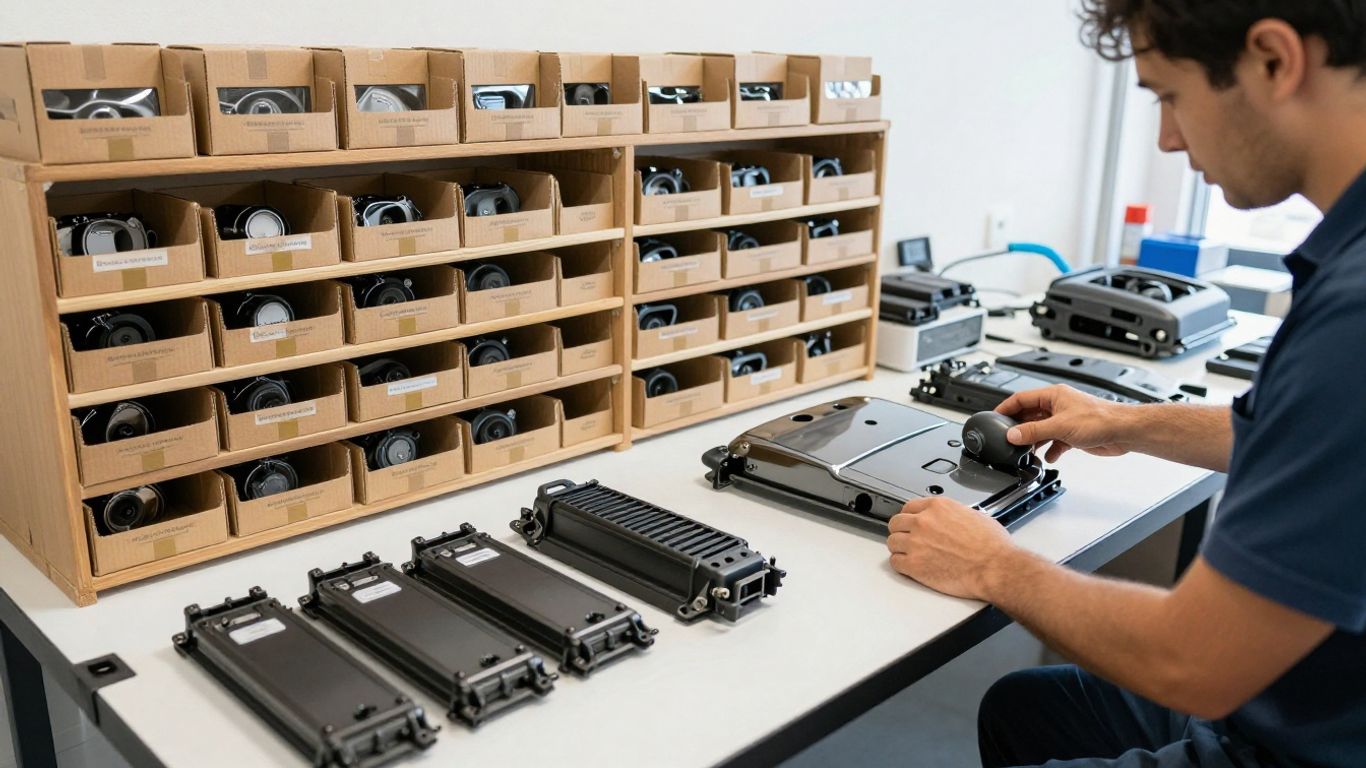
Comparing local suppliers, dealers, and dismantlers
Dealers can be a useful source for genuine parts, technical identification, and components that require a precise match. Dismantlers may offer better value for bodywork, interior pieces, and selected used components. Independent parts suppliers can provide a broader comparison across genuine, aftermarket, and recycled stock.
Ask each supplier what is included in the quoted price. Confirm whether the part is new or used, whether it has been tested, and whether the supplier is quoting the part alone or a complete assembly. This avoids comparing a bare component with a more complete replacement.
Using online marketplaces and specialist EV retailers
Online listings expand the search beyond Adelaide, but they also require more checking. Review the photographs closely, compare the seller’s description with the part number, and ask for additional images where condition is unclear. Specialist EV retailers may understand connector types and installation requirements better than a general marketplace seller.
The genuine BYD accessories range is one example of why it helps to distinguish accessories from replacement parts. An accessory listing may be suitable for a particular vehicle family, but it does not confirm that a repair component will fit your car.
Requesting quotes with accurate vehicle details
A good request is short but specific. State the model, year, trim, VIN, registration if relevant, the required part, and whether you need supply only or supply and fitting. Include photographs of the damaged component and its connectors when safe to do so. If the vehicle has been modified or repaired previously, mention that as well.
Before sending a request, gather these details:
- Exact model, build year, variant, and VIN.
- Part name, location, and symptoms of the fault.
- Part number or clear photographs of labels and connectors.
- Required delivery location and preferred time frame.
That information reduces back-and-forth and gives the supplier a better chance of identifying the right assembly. It also makes competing quotes more meaningful because each supplier is pricing the same job.
Checking warranties, returns, and shipping fees
A warranty is only useful when its duration, exclusions, and claim process are clear. Ask whether a used part is covered against immediate failure, whether labour is included, and whether an electrical component must be installed by a qualified technician. For online orders, read the return conditions before paying, especially where the part is ordered specifically for your VIN.
Freight deserves equal attention. Check whether the price includes packing, insurance, tailgate delivery, and any return freight. A written quote that separates the part, delivery, and fitting cost is easier to assess than a single unexplained total.
Choosing the right parts for your BYD
Correct identification matters more than finding the lowest listing. Electric vehicles still use ordinary wear items and suspension hardware, but they also contain sensors, wiring, control units, and charging equipment that may be highly specific. Treat the part number and the vehicle identification as evidence to verify, not as optional details.
Matching parts to the model, year, and trim
Model names can cover several variants, and a mid-year update can change a component without changing the badge. Check the build date as well as the registration year. Trim level, drivetrain, steering position, and optional equipment may also affect body fittings, lamps, wheels, sensors, and interior parts.
When buying a recycled part, compare mounting points and connector locations with the original. A photograph can suggest a match, but it cannot replace confirmation from the supplier or technician.
Confirming part numbers and compatibility
The clearest route is to compare the number on the removed component with the supplier’s number, while checking whether superseded numbers are interchangeable. Ask the supplier to confirm compatibility in writing if the listing uses broad wording such as “fits BYD.” This is particularly important for modules that may require coding, calibration, or pairing.
Keep screenshots of the listing, the quote, and the supplier’s compatibility statement. If the part arrives incorrectly labelled, those records make a return or correction much simpler.
Identifying high-priority mechanical and electrical components
Prioritise parts that affect braking, steering, suspension, restraint systems, visibility, or electrical isolation. Some items can be assessed by an experienced owner, but a fault code or damaged connector may point to a wider problem. Replacing one visible part without diagnosing the cause can create repeat costs.
A sensible inspection order is:
- Confirm whether the vehicle is safe to move or needs recovery.
- Identify warning lights, fault codes, and symptoms before ordering.
- Separate ordinary service items from electronic or high-voltage components.
- Confirm whether calibration, programming, or specialist testing is required.
This sequence helps prevent a parts purchase from becoming a substitute for diagnosis. It also gives the installer a useful record of what happened before the repair.
Avoiding counterfeit or incorrectly listed parts
Be cautious when the price is unusually low, the seller will not provide a part number, or photographs appear copied from another listing. Packaging, labels, casting marks, connector quality, and physical finish can reveal inconsistencies, although these checks are not a substitute for professional assessment.
Buy from a supplier willing to identify the source and condition of the component. If the seller refuses reasonable questions about fit, testing, or returns, the apparent saving may not justify the risk.
Evaluating the total cost of replacement parts
The purchase price is only one line in a repair budget. Diagnosis, delivery, preparation, fitting, calibration, disposal, and a possible second visit can all affect the final amount. A slightly more expensive component may be cheaper overall if it is correctly identified, available promptly, and backed by usable support.
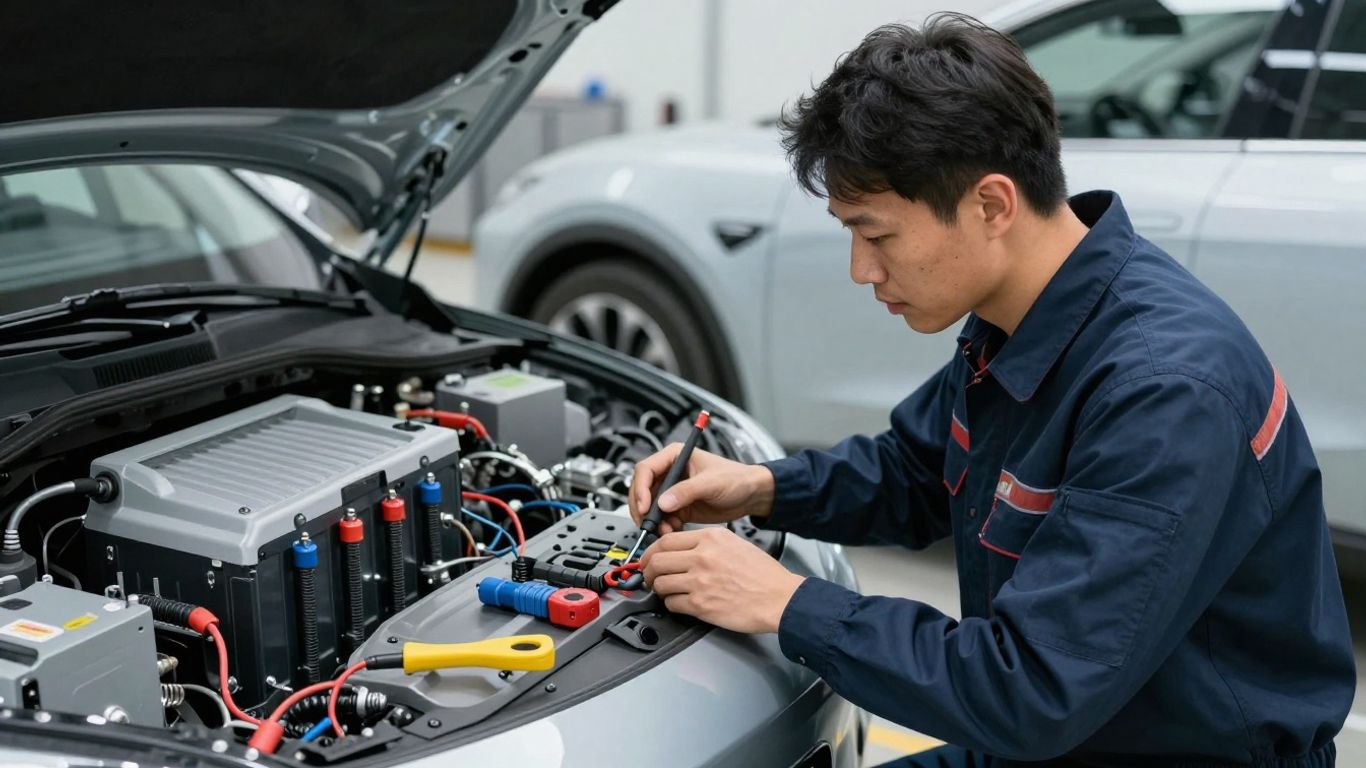
Comparing purchase price with installation costs
Ask for separate prices for the part and the labour. Some jobs are straightforward, while others require trim removal, system isolation, programming, wheel alignment, or post-repair testing. A low-cost part that takes much longer to fit can outweigh the initial saving.
For a fair comparison, request an estimate of the complete repair rather than the component alone. This is especially helpful when comparing a used assembly with a new part that arrives ready to install.
Factoring in diagnostics, freight, and disposal fees
A warning light may have more than one possible cause, so diagnosis should be included before ordering an expensive module. Freight can vary with size, insurance, and distance, while damaged panels may need special packing. Old batteries, fluids, and damaged electrical components may also require appropriate disposal.
Write each expected cost into the quote and ask which amounts are fixed and which may change after inspection. That simple step makes an apparently affordable estimate less likely to become a surprise invoice.
Understanding when genuine parts offer better value
A genuine part can make sense when fit, software compatibility, safety function, or warranty support is especially important. It may also be the only practical option for a newer or uncommon component. The decision should be based on verified compatibility and support rather than the label alone.
The BYD aftersales parts information illustrates why official parts information can be useful when checking availability and pricing, even when the final purchase decision is made locally. Use it as a reference point, then compare the installed cost and warranty terms offered for your vehicle.
Calculating the long-term cost of cheaper alternatives
A cheaper alternative deserves closer attention if it has a shorter warranty, uncertain testing, poor availability, or a higher chance of needing adjustment. Consider the cost of a repeat failure, another diagnostic appointment, extra freight, and lost vehicle use. For non-critical trim or cosmetic items, the trade-off may be acceptable; for safety or electrical systems, the calculation is less forgiving.
A written comparison of price, warranty, expected life, fitting time, and return conditions will usually make the better value clearer. Total cost matters most when the first price difference is small.
Safety considerations for BYD EV components
Electric vehicles combine familiar mechanical systems with high-voltage equipment. A component that looks harmless may be connected to a system capable of causing severe injury if handled incorrectly. Owners can gather information and compare quotes, but they should not treat every replacement as suitable for home installation.
Distinguishing high-voltage parts from standard components
Standard items can include tyres, wiper components, cabin filters, some trim, and selected suspension parts. High-voltage equipment may include battery assemblies, orange-cabled circuits, inverters, converters, and parts of the charging system. The distinction is not always obvious from the outside, so do not remove covers or connectors merely to identify a part.
If a repair involves high-voltage wiring, isolation procedures, battery enclosures, or power electronics, stop and ask a qualified EV technician to assess it. A normal-looking connector does not make the connected system safe to handle.
Handling batteries, inverters, and charging equipment safely
Do not open, lift, probe, or store a high-voltage battery or inverter without the correct training, tools, isolation procedure, and protective equipment. Charging equipment that is damaged, wet, hot, or showing exposed conductors should be taken out of service and assessed by a qualified person. Never rely on switching the vehicle off as proof that all dangerous voltage has disappeared.
Keep damaged components away from heat and unauthorised access, and tell the workshop exactly what happened. Clear information about impact, water exposure, warning lights, or charging faults can change the safe handling procedure.
Knowing which repairs require qualified EV technicians
A qualified EV technician should handle high-voltage diagnosis, battery work, inverter replacement, charging faults, isolation testing, and repairs involving uncertain electrical damage. Professional support may also be needed after a collision, even when the visible damage seems limited. The technician can determine whether a component needs programming or calibration after fitting.
A supplier can help identify a part, but identification is not the same as safe installation. Make sure the person fitting the component has the relevant EV training and equipment for the job.
Checking parts for damage, corrosion, or previous use
Inspect used parts for cracks, bent mounting points, corrosion, water marks, heat damage, and missing fasteners. Electrical components deserve extra scrutiny for damaged housings, contaminated connectors, and signs of impact. Ask how the part was stored and whether it was tested before sale.
Do not install a part simply because it physically fits. If its history is unclear or the damage pattern resembles the vehicle’s original fault, pause the installation and seek a second assessment.
Installing and maintaining BYD replacement parts
Good installation starts before the part reaches the workshop. Confirm what is being replaced, what additional hardware is required, and whether the vehicle needs a reset, calibration, or road test. A careful process protects the vehicle and makes any later troubleshooting much easier.
Deciding between professional fitting and DIY work
DIY work may be reasonable for simple, low-risk items when the owner has the tools and instructions to complete the job correctly. It is not appropriate to experiment with high-voltage systems, restraint components, braking faults, or uncertain electrical repairs. When in doubt, the cost of professional fitting is usually smaller than the cost of correcting an unsafe installation.
Ask the installer whether the quote includes fault-code clearing, calibration, testing, and disposal. Those details define what “fitted” actually means.
Preparing the vehicle before installation
Before work begins, record warning lights, take photographs of the original part, and confirm that the replacement matches the order. Remove personal items from the vehicle and tell the technician about recent repairs, modifications, charging problems, or collision damage. Keep the new part in its packaging until compatibility has been checked.
For a workshop repair, agree on who will contact you if the diagnosis changes. This prevents additional parts or labour from being authorised without a clear explanation.
Testing replacement components after fitting
Testing should match the part installed. A body panel may need checks for alignment, operation, and water sealing, while an electronic component may need a diagnostic scan, calibration, and a controlled road test. Charging equipment and high-voltage repairs need the specific safety and functional checks required by the technician.
Do not treat the absence of a warning light as the only test. Confirm normal operation, listen for unusual sounds, check fit and clearances, and ask what signs would justify returning the vehicle for inspection.
Keeping service records and monitoring future maintenance needs
Save the invoice, part number, supplier details, warranty, installation date, and any diagnostic report. Note whether the part was genuine, aftermarket, or recycled, along with any conditions attached to the warranty. These records help with future diagnosis and make the vehicle’s repair history easier to understand.
Monitor warning lights, charging behaviour, unusual noises, and changes in handling after the repair. A short follow-up check can catch a loose fitting or unresolved fault before it becomes a larger expense.
Conclusion
Sourcing affordable BYD parts Adelaide is less about chasing the lowest advertised price and more about confirming fit, condition, support, and the full installed cost. Compare suppliers carefully, keep the vehicle details close at hand, and use qualified EV technicians whenever high-voltage or uncertain electrical work is involved. That approach makes a repair more predictable and protects the saving you set out to achieve.
Frequently Asked Questions
How can I find affordable BYD parts in Adelaide?
Compare genuine, aftermarket, and recycled options from several suitable suppliers, then assess the complete cost including freight, diagnosis, fitting, and warranty conditions.
What vehicle details should I provide when requesting a part?
Provide the model, build year, variant or trim, VIN, registration where relevant, part description, photographs, and any available part number.
Are recycled parts suitable for electric vehicles?
They can be suitable for some body, trim, mechanical, and electronic applications when the part is correctly matched, inspected, tested where appropriate, and installed safely.
Should I buy a part based only on a photograph?
No. Photographs can help identify shape and condition, but compatibility should also be checked against the part number, vehicle details, connector design, and supplier confirmation.
Which EV parts should a technician install?
High-voltage batteries, inverters, converters, charging equipment, isolation circuits, and uncertain electrical faults should be assessed and handled by a qualified EV technician.
What should a parts warranty cover?
Check the warranty period, covered failures, exclusions, return process, labour terms, and any requirement for professional installation or diagnostic evidence.
How do I avoid unexpected repair costs?
Request an itemised quote covering the part, diagnosis, labour, freight, calibration, disposal, and possible return conditions before authorising the work.