

Key Takeaways
A recycled component can be a sensible repair choice when its fit and condition are verified before purchase. Slow down for safety-critical and high-voltage parts, and compare the total cost rather than the listing price alone.
- Match the part to the vehicle’s year, trim, market version, and VIN.
- Ask for clear photos, part labels, and details about the donor vehicle.
- Use a qualified technician to assess high-voltage and safety-critical components.
- Check shipping, installation, returns, and warranty terms before paying.
- Reuse can reduce demand for new components, but condition and remaining life still matter.
What recycled parts are available for the Yuan Plus
The available selection depends on which vehicles have been dismantled and which parts remain usable. A listing may cover anything from a removable trim piece to a major assembly, but availability alone does not confirm fit or condition. Start by identifying the exact component you need, then check its part number and history.
Body panels, glass, and exterior trim
Doors, bumpers, mirrors, lamps, glass, and trim may be offered after a vehicle is dismantled. Panels can carry hidden damage around mounting points, while glass and lamps need close inspection for cracks, chips, or broken tabs. Ask whether the component is complete and whether any attachments or fasteners shown in the listing are included.
Interior parts and electronic components
Seats, switches, interior panels, displays, and other cabin components may be available, depending on the donor vehicle. With electronic items, ask for the exact label and connector photos rather than relying on a broad description such as “fits Yuan Plus.” A clear identification trail makes it easier for a technician or parts supplier to check the item before it is installed.
Suspension, braking, and other mechanical parts
Mechanical assemblies can be more difficult to judge from a listing photo because wear may not be visible. Ask about the donor vehicle’s damage, the component’s mileage or use history if known, and any inspection performed after removal. The following overview can help frame questions, but it does not replace a fitment check.
| Part category | What to ask about | What to verify |
|---|---|---|
| Suspension assembly | Impact or collision history | Mounting points and exact application |
| Brake component | Wear and inspection history | Correct specification and safe condition |
| Steering component | Donor vehicle damage | Part number and installation requirements |
Treat the table as a starting point, not a quality rating. For braking, steering, and suspension parts, have a qualified professional assess whether the specific item is suitable before installation.
High-voltage battery and EV-specific components
Battery packs and other high-voltage components require extra caution. A seller’s description cannot establish that a component is safe, compatible, or appropriate for reuse. Ask what testing has been completed and arrange assessment by a qualified EV technician before buying or handling a high-voltage item.
How to confirm a part fits your vehicle
A part that looks right may still differ in its mounting, electronics, or specification. Confirm fitment before arranging payment or shipping, especially when the vehicle or component comes from another market. A few careful checks can prevent an expensive return or an unsafe installation.
Match the model year, trim, and market version
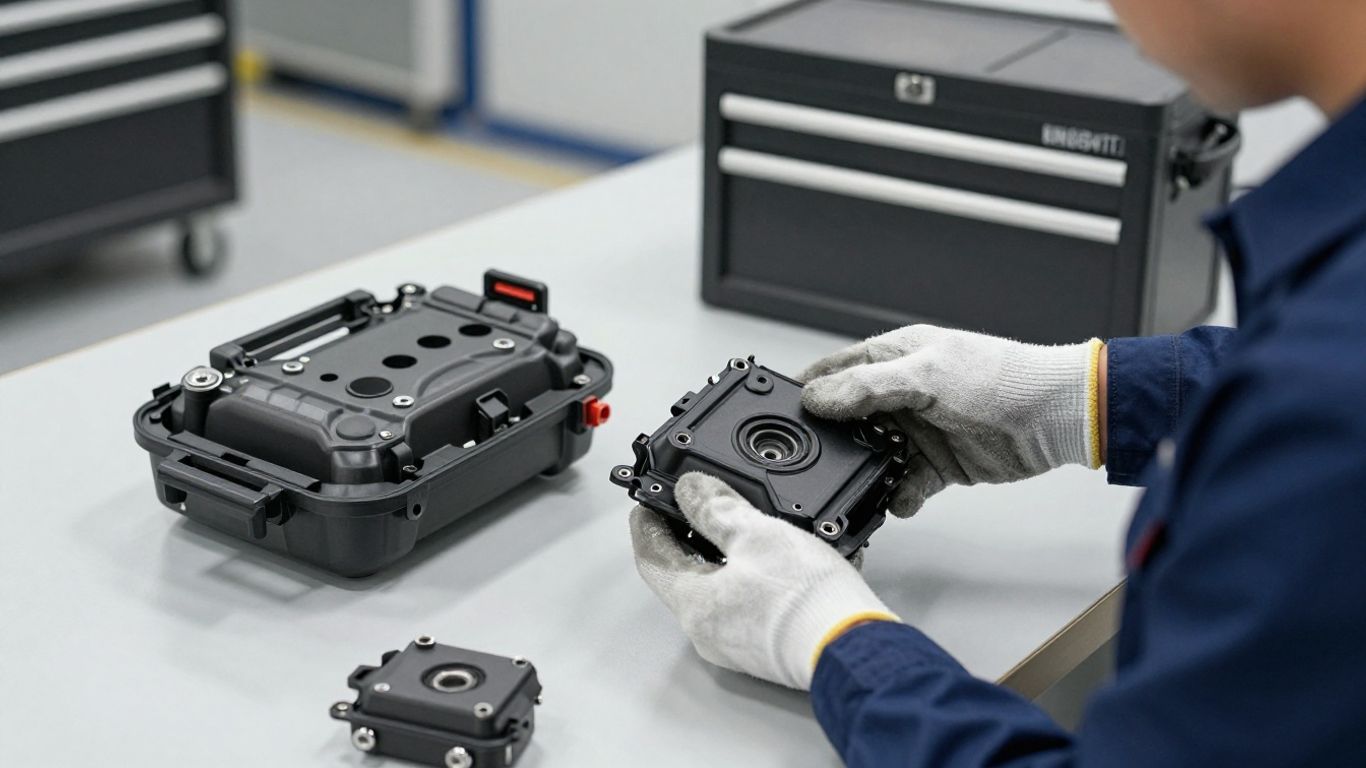
Record the vehicle’s model year, trim, and market version, then give those details to the seller. A model name by itself may not identify every revision or equipment difference. If you are unsure which version you have, use the vehicle documents and VIN as a starting point, and ask a knowledgeable parts supplier to confirm the application.
Check part numbers and connector types
Compare the number on the original component with the number supplied by the seller, where available. For electrical items, connector shape and pin arrangement can be useful clues, but they are not proof of compatibility on their own. Share sharp photos of labels and connectors with the person verifying the part, and ask them to confirm the exact application before you order.
Use the VIN to verify compatibility
Provide the full VIN to a parts professional who can use it to check the vehicle specification. Do not assume a seller’s catalog or a broad vehicle description is enough. Keep a written record of the part number and the fitment confirmation so you can refer to it if questions arise after delivery.
Account for differences between the Yuan Plus and related BYD models
Names that sound similar do not establish that components are interchangeable. Compare the actual part number, vehicle version, and connector or mounting details instead of treating a related model as an automatic match. For background on a separate model, this Yuan UP review discusses its own vehicle specifications; it should not be used as fitment evidence for a Yuan Plus.
Where to source recycled Yuan Plus parts
Potential sources include dismantlers, online listings, and businesses that specialize in EV components. The right source is one that can identify the donor vehicle, answer questions about the item, and explain the terms of sale. A listing from another country may widen the search, but adds shipping and compliance questions.
Salvage yards and vehicle dismantlers
A dismantler may be able to tell you which vehicle a part came from and whether the donor had damage near the component. Ask if you can inspect the part in person or receive detailed photos before purchase. When comparing local suppliers, an online used-parts search may help you see the kinds of seller and delivery options available in China; verify all details directly with any seller.
Online parts marketplaces
Online marketplaces make it easier to compare listings, but the quality of descriptions varies. Search with the vehicle details and part number where possible, then contact the seller to resolve missing information. A broader car parts search can illustrate the vehicle details some listings request, though you should still confirm the exact fitment with the supplier.
Specialist EV recyclers
A specialist may have experience handling EV components and may be better placed to explain what checks were performed. Ask what testing records are available, how high-voltage items are stored and handled, and whether the seller will support a return if the part is misidentified. Specialist status by itself is not a guarantee of condition, so request evidence about the specific component.
Importing parts from another market
Buying from another market can introduce shipping, customs, and return complications. Before paying, confirm the destination, delivery terms, taxes or fees that may apply, and how a dispute or return would work. If a whole vehicle is being moved across borders rather than a component, this guide to overseas vehicle shipping covers related planning questions; parts shipments have their own requirements, so check those separately.
For a cross-border purchase, write down the key details before placing an order:
- Seller’s legal name and physical location.
- Part number, donor vehicle details, and condition statement.
- Shipping method, destination, and any additional charges.
- Return period, warranty terms, and who pays return freight.
Having these points in writing makes it easier to compare offers and resolve misunderstandings. A complete listing or invoice is more useful than a string of informal messages if the part arrives different from what was described.
How to assess a recycled part’s condition
Condition is about more than whether a component looks clean in a photograph. Consider the donor vehicle, the reason the part was removed, any testing, and the seller’s written terms. If an important detail is unavailable, treat that uncertainty as part of the buying decision.
Review the donor vehicle and damage history
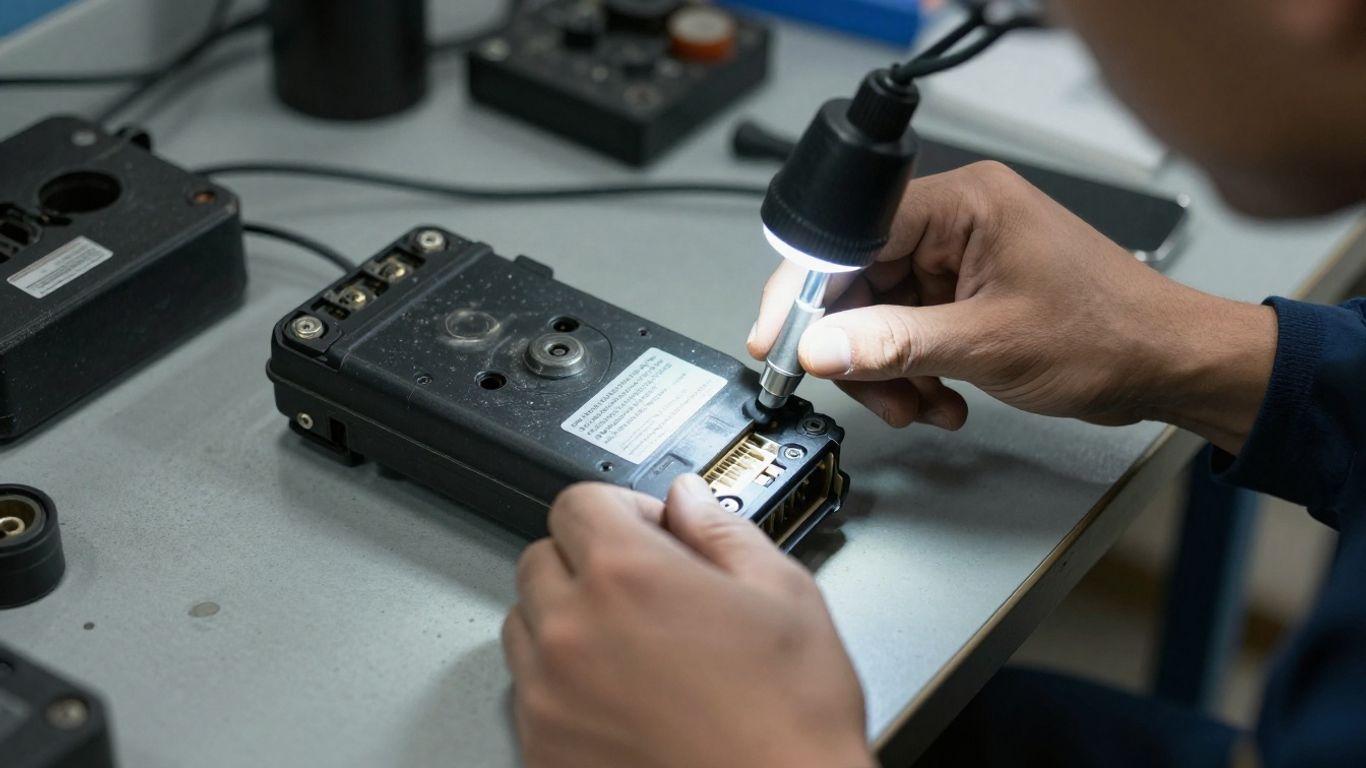
Ask for the donor vehicle’s year and version, along with a description of how it was damaged or retired. Damage near the part can affect its structure or operation even when the item appears intact. A seller may not know every detail, so distinguish documented history from assumptions and avoid treating an unknown history as a clean bill of health.
Inspect photos, labels, and visible wear
Request clear images from multiple angles, including labels, connectors, mounting points, and areas with visible wear. The table below links common listing evidence to a useful follow-up question; it cannot establish that a component is safe or fit for use by itself.
| Evidence in the listing | Follow-up question |
|---|---|
| Part label | Is the number readable and confirmed for my vehicle? |
| Mounting points | Are there cracks, bends, or repairs? |
| Connector close-up | Does it match the original part exactly? |
| Donor vehicle image | Was there damage near this component? |
Use the answers to decide whether more inspection is needed before purchase. For a structural or safety-critical item, a photograph should never be the only basis for accepting its condition.
Request testing records for electrical components
For electrical components, ask what was tested, when it was tested, and whether the result relates to this exact part. If a battery or high-voltage component is involved, ask a qualified technician to review the available records and determine what further assessment is needed. Do not attempt to test or handle high-voltage equipment without appropriate training and procedures.
Check the seller’s return policy and warranty
Read the return terms before ordering, including time limits, exclusions, and who covers shipping if the part is incompatible or faulty. Ask whether the item is sold as tested, untested, or for repair, and get the answer in writing. A short warranty or no return option changes the risk and should be reflected in the price you are willing to pay.
Safety and installation considerations
Some components can be installed only after checks that go beyond visual inspection. EV high-voltage systems and vehicle safety equipment deserve particular care; a low price is not a reason to skip professional assessment. Before the work begins, confirm who is qualified to inspect and install the part and what documentation will be retained.
Have high-voltage components assessed by a qualified technician
Battery packs and other high-voltage parts should be assessed by a technician qualified to work on EV systems. Ask the technician to review the part’s identification, condition records, and compatibility before it is installed. Do not open, transport, or connect a high-voltage component yourself unless you are trained and equipped to do so.
Verify safety-critical parts before installation
Brakes, steering, suspension, restraints, and structural components can affect occupant and road safety. Have the exact part inspected against the vehicle’s requirements before installation, and do not use it if its identity or condition cannot be established. A qualified repairer can advise whether replacement with another option is more appropriate.
Confirm local rules for reused components
Rules for reused vehicle parts can differ by location and by part type. Check with the relevant local authority, insurer, or repair professional if you are uncertain about roadworthiness, inspection, or documentation requirements. Rules for a complete imported vehicle may differ from those for an individual replacement part.
Keep records of part numbers and installation work
Save the listing, invoice, seller correspondence, part number, and any test or inspection records. Ask the installer to note what was fitted and any checks performed. This history can help with later troubleshooting, warranty questions, and future maintenance.
How to compare cost and environmental impact
A recycled part is not automatically the cheapest option once delivery and labor are included. Compare alternatives for the same specification, and account for how long each option is reasonably expected to last. Reuse can keep a serviceable component in circulation, but the environmental and financial value depends on its condition and the work needed to fit it.
Compare the full price with new and aftermarket alternatives
Compare like with like: the same component, compatible specification, and similar coverage. A used part may cost less upfront, while a new or aftermarket option may offer different warranty terms or availability. A used Yuan Plus vehicle listing is a vehicle-sale example, not a parts quote; use direct, current estimates when comparing replacement components.
Include shipping, taxes, and installation costs
The listed price is only one part of the total. Add delivery, taxes or import charges where applicable, inspection, installation, and any required programming or calibration as confirmed by a professional. For cross-border buying, allow for the possibility that returning a part could cost more than the original shipment.
Consider the benefits and limits of reuse
Reuse can reduce the need to manufacture a replacement component and may keep usable material out of the waste stream. Its value depends on whether the part is suitable and likely to remain serviceable; a short-lived component that needs repeat shipping or labor may offer little practical benefit. The best decision balances sound reuse with a repair that is safe and dependable.
Evaluate the expected lifespan of the replacement part
Ask what is known about the part’s age, use, and condition, then compare that with the cost and warranty. If its remaining life is uncertain, factor in the possibility of another repair rather than assuming it will last as long as a new part. Decisions about reuse are specific to the component; advice about organic beauty product labels or party-planning checklists addresses entirely different purchases and should not be taken as automotive guidance.
Conclusion
Finding the right recycled part is a matter of matching the component carefully, checking the evidence behind its condition, and understanding the full cost before committing. For safety-critical or high-voltage items, involve a qualified professional. A well-documented part with verified fitment is a better prospect than a bargain listing that leaves important questions unanswered.
Frequently Asked Questions
Are recycled parts the same as refurbished parts?
No. Recycled or used parts are generally removed from a vehicle for reuse, while refurbishment implies some level of repair or reconditioning. Ask the seller exactly what work, if any, has been performed.
How can I tell whether a used part will fit?
Check the part number and vehicle details, including year, trim, and market version. Confirm the application with a parts professional using the VIN when possible.
Should I buy a used high-voltage battery?
Only after the exact battery has been assessed by a qualified EV technician and its compatibility and condition are established. Do not rely on a seller’s description alone.
What should I ask a dismantler before buying?
Ask for the donor vehicle details, damage history, clear photos, part identification, testing information, and written return or warranty terms. Request clarification wherever the listing is vague.
Can photos prove that a recycled part is safe?
No. Photos can reveal visible damage and help identify a component, but they cannot confirm internal condition, operation, or suitability for safety-critical use. Inspection or testing may be necessary.
Is importing a used part worth the cost?
It depends on total delivered cost, fitment confidence, delivery time, and whether the seller accepts returns. Include taxes, shipping, installation, and the expense of resolving a problem if the part is unsuitable.
Do reused vehicle parts have to meet local requirements?
Requirements can depend on the part and location. Check with a qualified repairer or relevant local authority before purchase or installation if you are unsure.