

Key Takeaways
Buying Dolphin second hand parts is easier when you identify the exact part and confirm fitment before paying. A little time spent checking condition, shipping, and installation requirements can prevent an expensive mismatch.
- Record your Dolphin’s model year, floor plan, VIN, and any modifications.
- Match labels, dimensions, connections, and mounting points—not just the model name.
- Ask for clear photos, condition details, and written fitment confirmation.
- Compare the full delivered cost with repair, refurbished, and new options.
- Use qualified help for work involving gas, mains electricity, or safety systems.
Identify your Dolphin model and the part you need
Before searching for a replacement, gather details about your motorhome and the component that needs attention. Dolphin models can differ by year and configuration, and a part that looks similar may not connect or mount the same way. A precise description gives sellers something concrete to check against their inventory.
Find the model year, floor plan, and VIN
Look for the model year and VIN on the vehicle identification labels and registration documents, then note the floor plan if you know it. The VIN can help a seller identify the chassis, but it does not by itself confirm that every coach component will fit. Keep photos of the labels with your repair notes so you can share the details when asking about a part.
Check the part label, dimensions, and connection points
If the old component is still accessible, photograph its label and measure it before removing or discarding it. Record the overall dimensions and take close shots of plugs, hose fittings, brackets, and bolt patterns. These details often distinguish parts that appear alike in a listing, so measure before you order rather than relying on a broad description such as “fits Dolphin.”
Use manuals and diagrams to confirm the part name
A manual, parts diagram, or service document can help you identify the component and its location, though the exact document may depend on the model year. Search results can also be noisy: unrelated pages such as Menehune Shores, the Evel Knievel Experience, WordPress tutorials, New Star Company WLL, and Lluis Law do not establish RV part fitment. Treat search results as leads, then confirm the part against your own documentation and measurements.
Note changes made by previous owners
Older motorhomes may have been repaired or altered over time. Check for replacement wiring, added adapters, non-original fixtures, or modified cabinetry around the part you are replacing. If the existing setup differs from a diagram, photograph the change and describe it to the seller before choosing a replacement.
Find compatible second hand parts
A matching model name is a useful starting point, not a guarantee. Compatibility depends on the part’s purpose, dimensions, connections, and sometimes the chassis or build variation. Approach each listing as a fitment question to verify, rather than assuming that a component from another Dolphin will work.
Compare model years and production variations
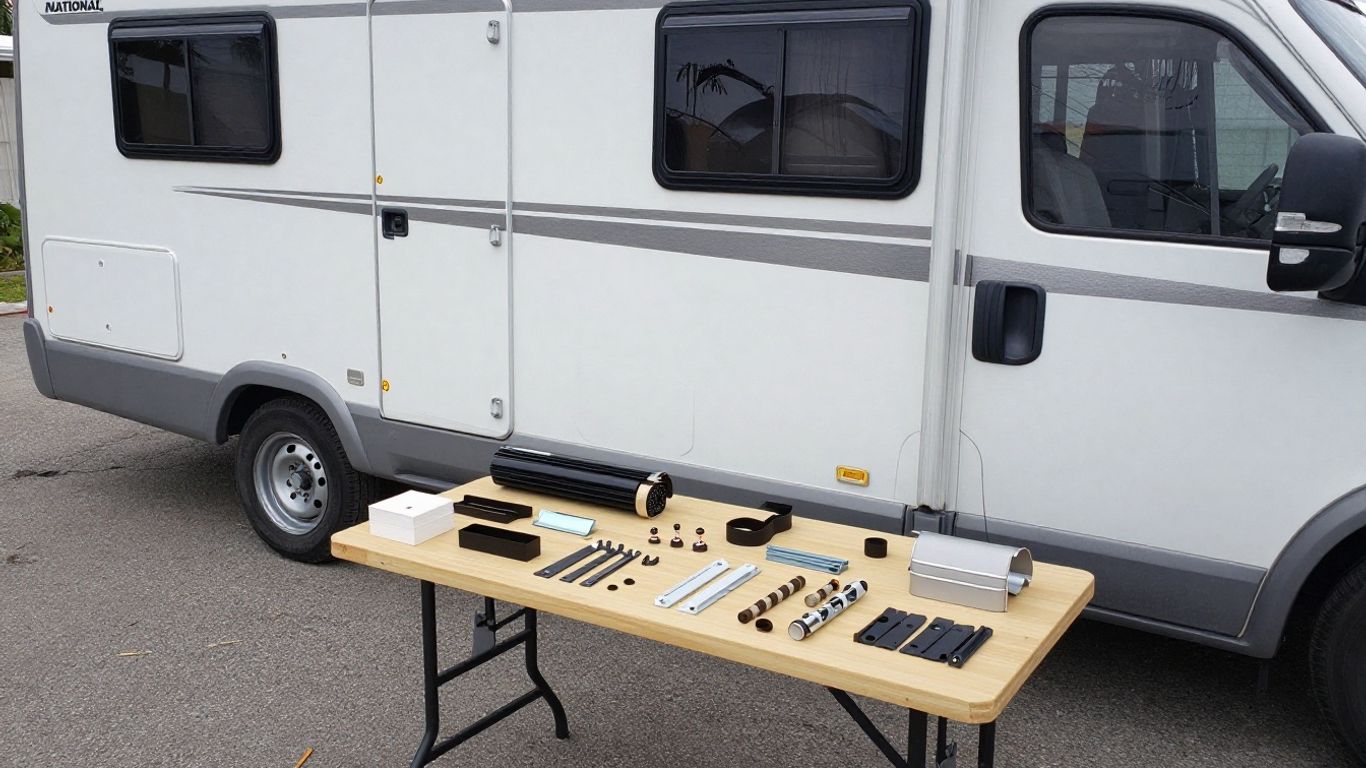
Check the year and configuration of both your motorhome and the donor vehicle when that information is available. A parts listing for a particular Dolphin can help you understand what is being dismantled; for example, a Dolphin part-out listing describes components from one vehicle, not universal fitment across every year. Ask the seller to confirm the individual part, not just the donor model.
Check whether neighboring National RV models share components
A component from another National RV model may be worth asking about, but shared branding alone does not prove interchangeability. Compare part numbers and physical details, and ask for the donor vehicle’s year and configuration. Keep the distinction clear between a possible match and a verified match; the latter should be supported by measurements or reliable part documentation.
Match electrical, plumbing, and mounting specifications
Electrical ratings, connector styles, pipe sizes, and mounting patterns can vary even when two parts serve the same purpose. Use the following comparison as a starting point for questions to ask; it is not a substitute for confirming the specifications on the actual part.
| Detail to compare | What to record | Why it matters |
|---|---|---|
| Identification | Part number and label | Helps distinguish similar versions |
| Connections | Plug, hose, or fitting type | Prevents connection mismatches |
| Dimensions | Length, width, and depth | Checks clearance and fit |
| Mounting | Bracket and hole locations | Confirms the part can be secured |
After collecting these details, compare them with your existing component or documentation. If a seller cannot verify an important specification, treat compatibility as unresolved rather than filling in the gap with an assumption.
Ask sellers to verify fitment before purchase
Send the seller your model year, VIN where appropriate, part number, measurements, and clear photos of the original component. Ask for a direct comparison with the item on offer and request written confirmation of what their fitment statement covers. Save the reply with the listing so that any uncertainty is visible before you pay.
Choose a reliable source
The right source is one that can describe the item clearly and answer practical questions about its condition and origin. RV dismantlers, specialist parts dealers, and private sellers may each have useful inventory, but their documentation and policies can differ. Focus on the quality of the information and the terms of the sale, not only on the asking price.
Search RV salvage yards and dismantlers
Salvage yards and dismantlers may list components from vehicles being parted out, so ask whether the specific item is still available and whether it has been removed. Confirm the donor model and year, the observed condition, and whether the seller has tested the part. A listing for one vehicle can be helpful, but it does not replace a fitment check for your motorhome.
Contact specialist motorhome parts dealers
A dealer focused on motorhome parts may be familiar with older coach components and the practical details needed to identify them. Explain what you are replacing and provide photos, measurements, and any part numbers you have. Ask what evidence they use to confirm compatibility, especially if the original label is missing or the motorhome has been modified.
Evaluate private sellers and online listings
Online listings can make it easier to compare availability, but short descriptions and limited photos leave important questions unanswered. Before arranging payment or collection, ask the seller to confirm these points:
- The part’s exact identity and any visible part number.
- The donor vehicle’s year and known configuration.
- The condition, defects, and any testing performed.
- Whether the shown accessories and mounting hardware are included.
Clear answers make it easier to compare the offer with another source and reduce misunderstandings about what is being sold. If key details remain vague, pause until the seller can provide more information.
Ask about return policies and warranties
Get the return terms in writing before you buy, including who pays return shipping and whether the item must remain uninstalled. Ask whether the seller offers any warranty and what it covers; do not assume used parts can be returned simply because they do not fit. A clear agreement is particularly useful when fitment depends on a detail that cannot be checked until the part arrives.
Inspect parts before you buy
Condition is as important as compatibility, especially for components exposed to weather, vibration, moisture, or heat. Request enough information to judge the item itself rather than relying on a general statement that it is in good shape. For larger items, plan how you will inspect them on collection or document their condition when delivered.
Request clear photos of the part and its identifying marks
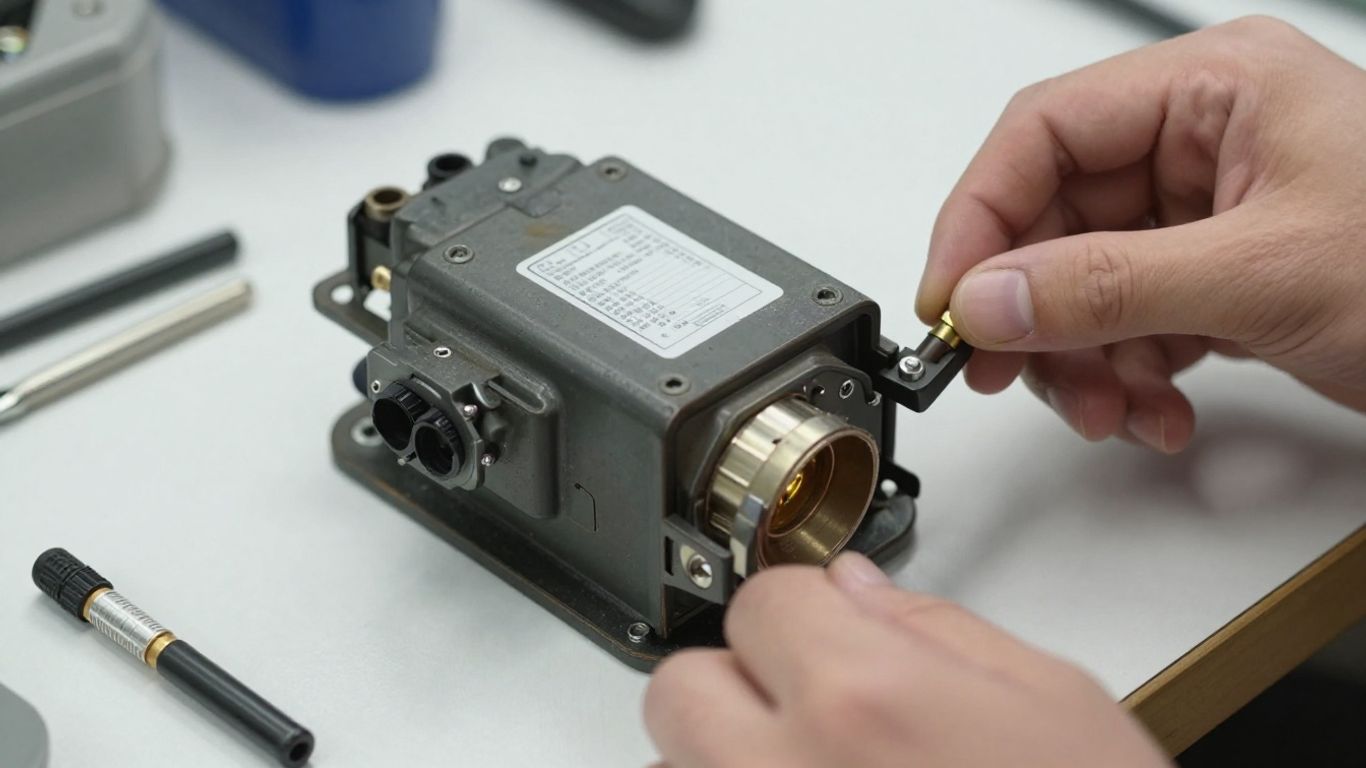
Ask for well-lit photos from several angles, including labels, connectors, mounting points, and any areas that look damaged. If the part is already removed, ask for a photo that shows its full shape as well as close-ups of details. Compare the images with your own component and check that the seller is showing the item you will actually receive.
Look for cracks, corrosion, water damage, and wear
Inspect seams, edges, seals, electrical contacts, and fasteners for signs of deterioration. Water staining or corrosion can indicate a problem that is not obvious from a distance, while cracks may be difficult to assess in a single photograph. Ask the seller to describe any defects plainly and to photograph them close enough for you to judge their extent.
Test mechanical and electrical components when possible
If a component can be safely tested before purchase, ask what test was performed and what result was observed. A seller’s report that something works is useful only when you understand what was checked; it may not cover every operating condition. For electrical parts, avoid improvised testing, and rely on a qualified person if the procedure is unclear or unsafe.
Confirm what accessories and hardware are included
Clarify whether the sale includes brackets, switches, trim, wiring pigtails, seals, or other pieces needed for installation. A photograph may show accessories that are not part of the offer, so ask the seller to list what is included. Check that list against your installation needs before treating the price as comparable with another listing.
Compare costs, shipping, and condition
The purchase price is only one part of the total cost. A used component may need cleaning, repair, or professional fitting, and large or fragile items can be expensive to ship. Compare alternatives by considering the condition you are getting and the amount of work needed to put the part into service.
Weigh used prices against refurbished and new alternatives
Compare a used part with refurbished and new options where those alternatives are available. Consider whether the used item has been tested, what defects are disclosed, and how much uncertainty remains about its service life. A lower initial price may not be the better value if the part needs repair or cannot be returned.
Get a complete quote that includes shipping and handling
Ask for the full delivered cost, not just the listing price. Shipping, handling, insurance, and any collection arrangements can change the comparison, particularly for bulky coach parts. Keep the quote with the item details so you can compare like with like rather than judging by headline prices.
Check packaging plans for large or fragile components
Before payment, ask how the item will be protected in transit and whether the carrier or seller handles special packaging. Delicate trim, glass, electronics, and large body pieces can be damaged if they shift or are exposed to impact. Agree on how the item will be packed and what to do if it arrives damaged.
Factor in fitting and repair costs
Include likely labor, diagnostic time, and any repair work when estimating the total. If a part requires adaptation or additional hardware, ask a technician to assess the scope before you buy. This can help reveal when a seemingly inexpensive component is not the most economical choice.
Install parts safely and protect your RV
A correct part still needs to be installed and checked properly. The job may be straightforward for an experienced owner, but some repairs involve hazards or systems that need specialist knowledge. Think through the work before removing the old component, and keep a record of how the repair was completed.
Decide whether the work requires an RV technician
Consider the component’s location, the tools required, and whether installation affects a safety-critical system. If the job involves unfamiliar wiring, structural work, or a difficult-to-access assembly, consult an RV technician before proceeding. A brief assessment can help you avoid damage to surrounding parts and identify any extra materials needed.
Follow safe procedures for gas and electrical systems
Shut down and isolate systems according to the manufacturer’s instructions before beginning work. Gas appliances, shore-power circuits, batteries, and inverters can present serious risks if handled incorrectly. If you are uncertain about isolation or testing, stop and have a qualified technician carry out the work.
Test the repair before returning the motorhome to service
After installation, check the repair in a controlled way before traveling. Confirm that fasteners are secure, connections are sound, and the affected system operates as intended. If anything leaks, overheats, moves unexpectedly, or behaves differently than expected, stop using it and investigate the cause rather than assuming it will settle in.
Record part numbers and seller details for future repairs
Keep the invoice, listing, seller contact details, part number, and any fitment notes together with the vehicle records. Add installation dates and observations about the repair so the information is useful later. A simple record can save time when you need to identify the same component or explain its history to a technician.
A video can also help you understand the general inspection and replacement process, though it cannot confirm fitment for your particular motorhome.
Conclusion
Finding the right Dolphin second hand parts takes more than matching a model name: verify the part, inspect its condition, and compare the complete cost before buying. With clear information and a safe installation plan, you can make a more confident decision and keep useful repair details for the next time your motorhome needs attention.
Frequently Asked Questions
How can I identify the correct part for my Dolphin?
Start with the motorhome’s year, floor plan, and VIN, then check the component label, dimensions, connections, and mounting points. Use manuals or diagrams where available and ask the seller to verify the specific item.
Are parts from different model years interchangeable?
Not necessarily. Production variations and changes in specifications can affect fit, so compare part numbers and physical details rather than relying on model name alone.
Can a part from another National RV model fit?
It may, but shared manufacturer branding does not confirm compatibility. Verify the specifications and mounting details for the exact part before buying.
What should I ask a seller before purchasing a used RV part?
Ask for the part number, donor vehicle details, clear photos, a description of defects, any test results, included hardware, shipping cost, and return terms.
What condition issues should I look for?
Check for cracks, corrosion, water damage, worn seals, damaged connectors, and missing mounting pieces. Ask for close-up photos of any questionable areas.
Should I install a used part myself?
That depends on the component and your experience. Work involving gas, mains electricity, structural elements, or safety systems should be handled by a qualified technician if you are not certain how to proceed safely.
How do I compare the total cost of used parts?
Add the item price, shipping and handling, likely repairs, extra hardware, and fitting labor. Compare that total with refurbished or new alternatives where available, while accounting for condition and return terms.