
Key Takeaways
Sourcing a used Sealion 6 part in Brisbane can be practical when compatibility, condition, safety, and total cost are checked together.
- Confirm the exact model, year, drivetrain, and part number before ordering.
- Use the vehicle identification number when asking for a part search.
- Treat high-voltage components as specialist items requiring trained technicians.
- Compare the full fitted cost, not just the advertised part price.
- Ask about testing, warranty coverage, returns, freight, and delivery timing.
Understanding Sealion 6 wrecking services in Brisbane
Sealion 6 wrecking Brisbane searches usually lead owners to dismantlers, recycled-parts suppliers, and vehicle recyclers with access to damaged or end-of-life vehicles. These businesses inspect suitable vehicles, remove usable components, and match them with customers looking for more affordable replacements. The right supplier can save time, but only if the search starts with accurate vehicle details. It is also worth understanding which jobs are ordinary parts sourcing and which require EV-specific expertise.
What a vehicle wrecker does
A vehicle wrecker acquires vehicles that may no longer be economical to repair, then assesses their reusable components. Parts can include body panels, lights, trim, seats, suspension pieces, wheels, and selected mechanical or electrical assemblies. The part is normally removed, checked, photographed or described, and offered according to its condition. A good conversation begins with the part needed rather than assuming every component from a donor vehicle is suitable.
Why owners choose used Sealion 6 parts
Used parts can make sense when a vehicle needs a replacement panel, lamp, interior fitting, or other component that remains serviceable after removal. They may also help keep an older repair moving when new stock is delayed. The saving is not automatic, though; freight, fitting, paintwork, programming, and returns can change the final figure. Total installed cost is a more useful comparison than the cheapest listing alone.
How EV wrecking differs from conventional car dismantling
An EV or plug-in hybrid needs a more cautious dismantling process because some components can retain high voltage even when the vehicle is switched off. A trained technician must identify the system, isolate it using the correct procedure, and use suitable protective equipment before work begins. That consideration applies especially to traction batteries, inverters, charging hardware, and orange high-voltage cabling. Ordinary body-part sourcing may be straightforward, while electrical work demands a different level of control.
When wrecking is a better option than dealership parts
A recycled part is worth investigating when a dealer quote is high, the required item is cosmetic, or the vehicle is outside a convenient repair program. It can also be useful for a damaged door, bumper, mirror, tailgate, wheel, or interior trim piece where a matching used item may reduce paint and material costs. For safety-critical or electronically coded parts, the decision should include testing and professional installation. A wrecker is a sourcing option, not a reason to bypass proper repair standards.
Finding the right Sealion 6 parts
Finding the correct Sealion 6 part is less about searching broadly and more about describing the vehicle precisely. Model year, grade, drivetrain, side of the vehicle, colour, and production differences can all affect fitment. Photos are helpful, but they should support—not replace—the vehicle identification number and the original part details. A careful supplier will clarify uncertainty before taking payment.
Commonly requested body and exterior components
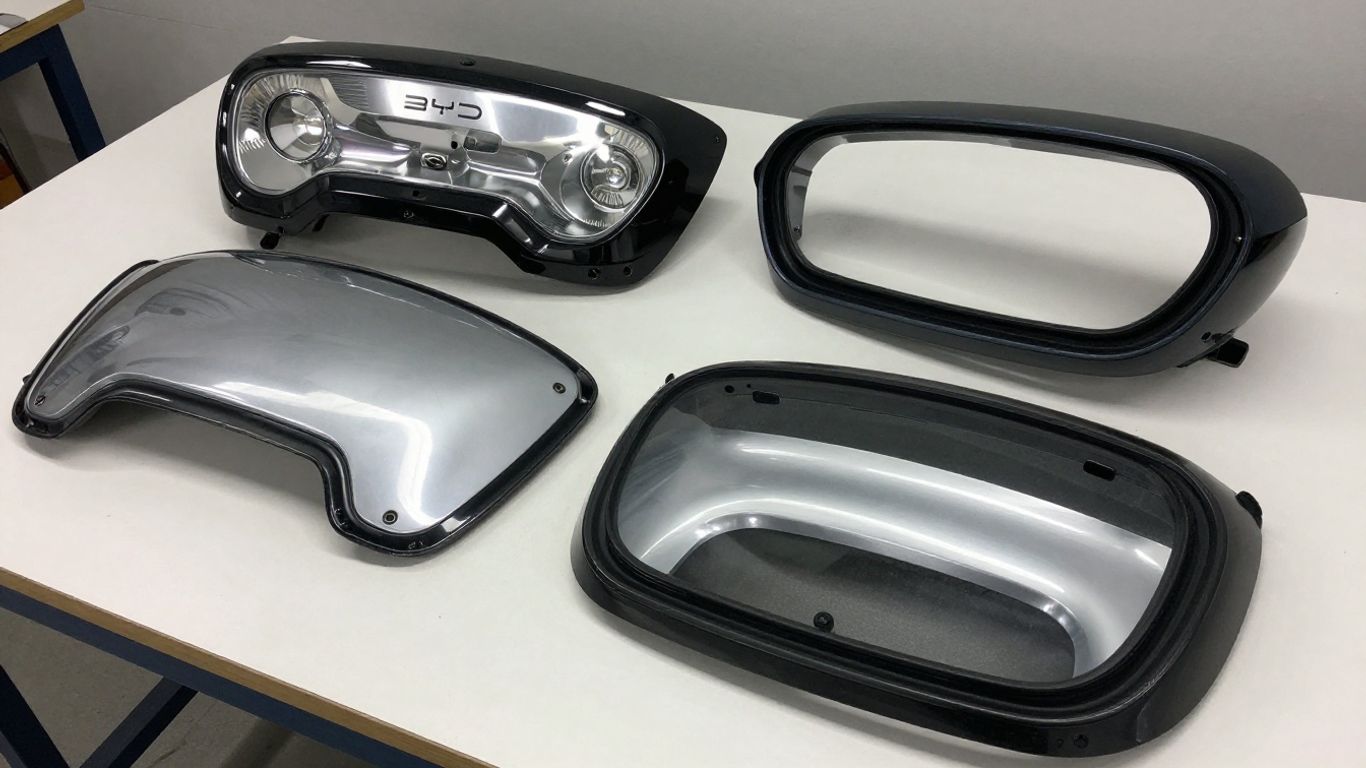
Exterior requests often include bumpers, guards, doors, bonnets, tailgates, grilles, mirrors, windows, lamps, wheels, and exterior mouldings. Colour-matched panels may still need blending because paint can vary with age and exposure. Ask whether clips, brackets, sensors, badges, and wiring are included or sold separately. A clear photo of the damaged area helps the supplier understand what is actually required.
Interior, electrical, and infotainment parts
Interior parts may include seats, door trims, consoles, switches, steering-wheel components, screens, speakers, and dashboard fittings. Electrical and infotainment items need closer checking because connectors, software versions, security coding, and trim levels may differ. The supplier should state whether an item has been tested and whether any reset or programming work will be needed after installation. Do not assume a visually identical screen or control module will operate correctly.
Suspension, braking, and steering components
Suspension, braking, and steering parts deserve a conservative approach because their condition affects control and stopping performance. A used wheel, caliper, knuckle, control arm, or steering component should be assessed for impact damage, corrosion, wear, and distortion. Ask whether the item is being sold as tested, inspected, or simply removed from a vehicle. For critical systems, have the installed component checked by a qualified repairer before the vehicle returns to the road.
Identifying the correct part for your vehicle
Before requesting a quote, gather the VIN, registration details, model year, variant, side or position, and a photograph of the original part. If available, include the number printed on the component and explain whether the vehicle is a hybrid, plug-in hybrid, or another configuration. These details narrow the search and reduce the chance of paying for a return freight cycle. A wider used BYD parts network can also help when local stock is limited, provided the final supplier confirms fitment.
Buying used BYD Sealion 6 parts safely
A used part should be treated as a product with a history, not as an anonymous bargain. Ask where it came from, what damage the donor vehicle had, and whether the component was inspected before listing. The answers may be brief, but they should be specific enough to support a sensible decision. Written details are useful if a warranty or return question arises later.
Checking part condition and compatibility
Condition descriptions such as good, used, tested, or damaged can mean different things between suppliers. Ask about cracks, dents, corrosion, missing fasteners, broken mounting points, odour, water exposure, and visible repairs. For electronic components, ask whether the unit powers up and whether compatibility has been confirmed. If the answer is uncertain, build that uncertainty into the price and installation plan rather than treating the part as ready to fit.
Asking about warranties and return policies
Before ordering, confirm the warranty period, what it covers, and whether labour is excluded. Also ask who pays return freight if the wrong variant is supplied or the part arrives damaged. Some policies require the item to remain unmodified, so avoid installing or painting a component until fitment has been checked. A supplier that explains its policy clearly is easier to deal with if something goes wrong.
Verifying battery and high-voltage component details
A battery or high-voltage component needs more than a basic visual description. Ask for its identification details, reported condition, storage history where available, and the testing or isolation procedure used before removal. Battery state of health should not be guessed from the vehicle’s odometer. Transport and installation may also have special requirements, so the work should be coordinated with an appropriately trained technician.
Comparing used parts with new alternatives
A new part may offer clearer warranty coverage, predictable condition, and simpler ordering, while a used part may offer a lower purchase price or faster access. The best choice depends on the part’s role, availability, risk, and the value of the vehicle. Designing the Sealion 6 can help a reader understand the model’s configuration context, but it does not replace checking the damaged vehicle’s own VIN and component number. Compare like with like before deciding.
How the Brisbane wrecking process works
The process is usually simple from the customer’s side, but accurate information makes each stage faster. A request moves from identification to stock checking, condition review, price confirmation, and collection or delivery. Brisbane buyers should ask where the part is located and whether freight is being quoted to a residential or business address. Clear expectations prevent surprises after the order is placed.
Requesting a part search or quote
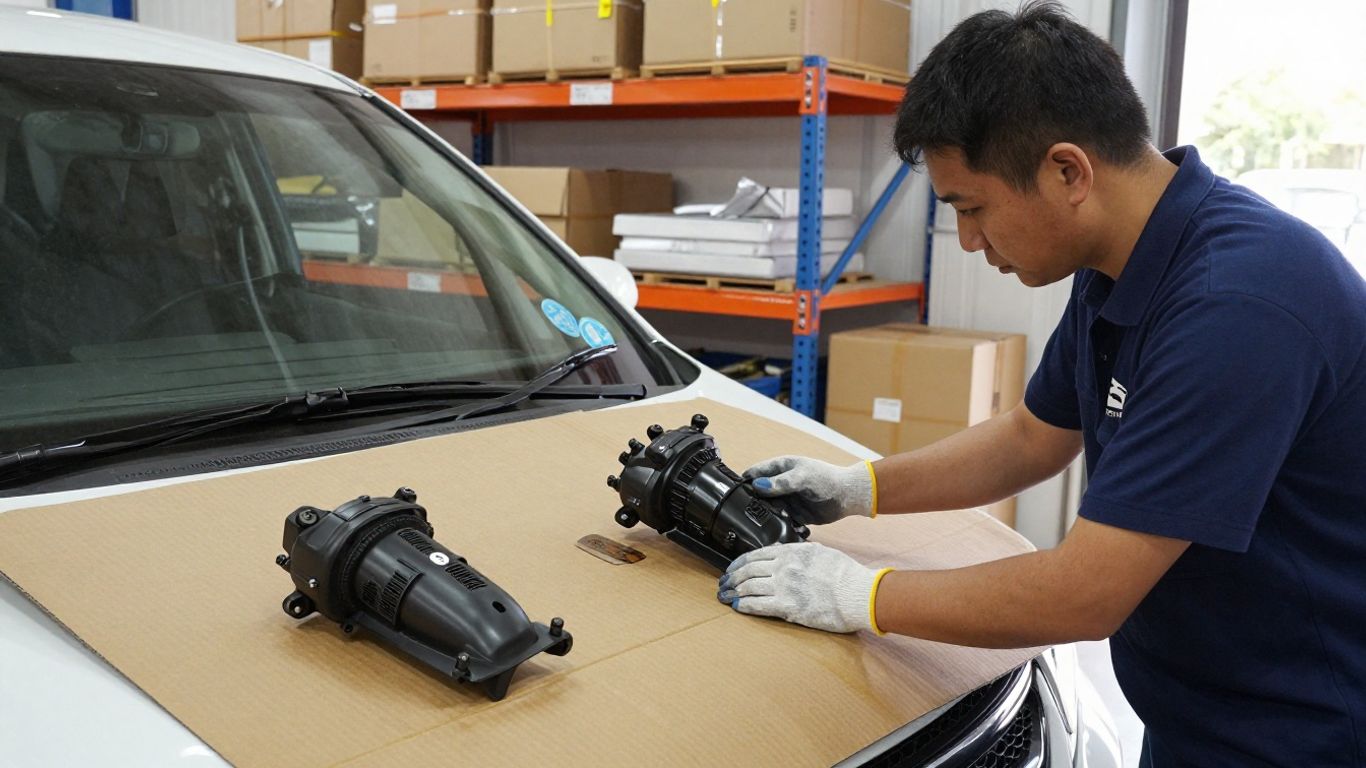
Start with a short, complete request: name the part, vehicle, side or position, and whether a used or alternative component is acceptable. Add photographs and the VIN if possible. A supplier can then search current stock or contact its network rather than guessing from a generic model description. For broader sourcing, BYD Sealion parts listings can illustrate the value of specifying year, powertrain, and drive layout when making an enquiry.
Providing the vehicle identification number
The VIN is one of the most reliable ways to distinguish production details and vehicle variants. It should be checked against registration or service documents and entered carefully, without confusing letters and numbers. The VIN does not guarantee that every part will match, but it gives the supplier a strong starting point. Keep a record of the VIN, quoted part number, and written fitment confirmation.
Inspecting, removing, and preparing parts
Once a suitable donor vehicle is identified, the part is removed with attention to adjacent clips, brackets, connectors, and mounting points. It may then be cleaned, photographed, tested, labelled, and packed for transport. Ask whether accessories or attached wiring are included before the part is dispatched. Good preparation protects the component and makes it easier for the installer to verify what has arrived.
Arranging pickup or delivery around Brisbane
Pickup can be convenient for bulky panels, glass, wheels, and larger assemblies, while delivery may suit smaller items or buyers farther from the yard. Confirm the collection window, packaging method, freight charge, and damage-reporting process. If a part is urgent, ask whether the quoted date is dispatch or arrival. New energy vehicle servicing is a useful reminder that vehicle support can involve more than simple parts delivery, particularly where specialist systems are involved.
Important EV safety considerations
The Sealion 6 may combine conventional vehicle hardware with electrified systems, so a repairer’s assumptions matter. A switched-off vehicle is not automatically safe to dismantle around high-voltage equipment. Buyers should identify specialist work early, especially when the requested item is connected to propulsion, charging, battery management, or power conversion. When in doubt, pause the job and obtain a professional assessment.
Why high-voltage systems require trained technicians
High-voltage systems require controlled isolation, verification, suitable personal protective equipment, and procedures appropriate to the vehicle. A technician must know how to identify live circuits and confirm that the system is safe before touching relevant components. This is not comparable to replacing a trim panel or exterior lamp. Training and equipment protect both the worker and the vehicle from serious harm.
Parts that should not be removed without specialist equipment
Traction batteries, inverters, charging units, high-voltage junctions, electric drive components, and orange cabling should not be removed casually. Even apparently damaged vehicles can contain stored electrical energy or unstable components. Jacking and lifting points also need attention around battery enclosures. If the part connects directly to the high-voltage system, arrange removal through a qualified workshop or EV dismantler.
Safe handling of batteries and electrical components
Battery assemblies should be protected from impact, moisture, heat, short circuits, and unsuitable storage conditions. They must be transported and stored according to the supplier’s instructions and applicable safety requirements. Do not open, test, charge, or modify a high-voltage component at home. A qualified technician can determine whether the unit is suitable for reuse and how it should be handled.
Signs that a component needs professional inspection
Warning lights, isolation faults, unusual heat, smoke, fluid leaks, damaged orange cables, crash damage near the battery, or repeated charging interruptions all justify professional inspection. So does any uncertainty about a component’s history. Do not clear warning messages simply to make the vehicle appear repaired. A proper diagnostic assessment is safer and may prevent a small fault from becoming a larger one.
Managing costs when sourcing Sealion 6 parts
The most useful parts quote is the one that reflects the complete repair. A low listing price can lose its advantage once freight, paint, coding, labour, and return risk are included. Ask for each cost separately and compare the same scope across suppliers. This approach is particularly helpful when deciding between a recycled assembly and a new component.
Comparing wrecking prices with dealership quotes
Request an itemised new-part quote and compare it with the used part’s price, condition, warranty, freight, and expected installation time. A dealer may offer a new component with clearer support, while a wrecker may provide a suitable part at a lower upfront cost. Neither option is automatically best. The correct comparison depends on safety, fitment, urgency, and how long you plan to keep the vehicle.
Factoring in labour, freight, and installation
A bumper may need paint, a screen may need programming, and a suspension part may require alignment after fitting. Bulky items can attract higher freight charges or need special packaging. Add these costs before accepting a quote. The same planning principle applies to other projects: electrical fitout planning shows why early specification can help avoid expensive changes later, even though vehicle repairs have their own requirements.
Evaluating recycled, refurbished, and new parts
Recycled parts come from donor vehicles, refurbished parts have undergone additional repair or reconditioning, and new parts are manufactured for sale as new. These categories are not interchangeable, so ask what work has actually been completed. A refurbished component should have a clear description of the refurbishment, not just a stronger-sounding label. Match the part category to the risk and purpose of the repair.
Avoiding low-cost parts with hidden risks
A part that arrives incomplete, damaged, incompatible, or without a return path can cost more than a better-documented option. Be cautious when the seller cannot identify the donor vehicle, answer basic condition questions, or explain warranty terms. Keep written records of the quote and photos of the item on arrival. That small amount of administration can make a dispute much easier to resolve.
Choosing a reliable Brisbane Sealion 6 wrecker
Reliability is shown through process, not just a low price or a polished listing. Look for clear communication, accurate part descriptions, sensible safety boundaries, and a willingness to confirm fitment. A supplier should be comfortable saying when it does not have the right component. That is preferable to sending an uncertain part and leaving the customer to discover the problem during installation.
Checking licensing, experience, and facility standards
Ask whether the business operates lawfully, follows applicable vehicle-recycling requirements, and has staff experienced with electrified vehicles. The facility should have suitable procedures for damaged vehicles, batteries, fluids, and dismantling. Experience with ordinary body parts is not the same as competence with high-voltage assemblies. Choose the supplier whose process matches the part you need.
Reviewing customer feedback and service policies
Customer feedback can reveal whether descriptions are accurate, calls are returned, parts are packaged well, and problems are handled fairly. Read beyond star ratings and look for repeated patterns. Then compare those impressions with the written warranty, exchange, and freight policies. A good reputation is useful evidence, but it should support—not replace—specific questions about your order.
Confirming stock availability and sourcing capabilities
Stock can change quickly, particularly for newer or less common models. Confirm that the part is physically available, not merely shown in an old catalogue or external listing. If it must be sourced, ask how long the search may take and whether payment is required before confirmation. A broader BYD parts search may be useful when local availability is limited, provided the final details are checked before purchase.
Questions to ask before placing an order
A few direct questions can expose uncertainty before money changes hands. Ask these in writing where possible:
- Is the part confirmed for my VIN, model year, and variant?
- What condition is it in, and has it been tested or inspected?
- What exactly is included with the part?
- What warranty, exchange, and return terms apply?
- What are the total freight and expected delivery costs?
The answers should give you a practical basis for deciding, not just a generic assurance. If the component is high voltage or safety critical, also ask who is qualified to remove and install it. Clear limits are a positive sign when specialist work is involved.
Conclusion
Sourcing affordable Sealion 6 parts in Brisbane is easiest when the search is precise and the repair is treated as a complete job. Confirm the vehicle details, investigate condition and warranty, include all fitting costs, and use trained technicians for electrified systems. With those checks in place, a used part can be a sensible option without turning price into the only consideration.
Frequently Asked Questions
Can I buy used Sealion 6 parts in Brisbane?
Yes, used parts may be available through wreckers and recycled-parts networks. Availability changes, so provide the VIN, model details, and exact component description when making an enquiry.
How do I know whether a used part will fit?
Ask the supplier to confirm compatibility using the VIN, model year, variant, part number, and photographs. Visual similarity alone is not enough for many electronic or trim-specific components.
Are used EV parts safe?
Some used parts are suitable when they have been properly inspected and matched to the vehicle. High-voltage components require specialist handling, testing, removal, transport, and installation.
Should I choose a new or used replacement part?
Compare condition, warranty, availability, installation requirements, and total cost. New is not automatically necessary for every component, while used is not automatically the better value.
What information should I give a wrecker?
Provide the VIN, registration details, year, variant, drivetrain, part name, side or position, part number if available, and clear photos of the vehicle or original component.
Do used parts usually include a warranty?
Warranty terms vary between suppliers and parts. Confirm the duration, coverage, exclusions, labour position, and return freight arrangements before ordering.
Can I remove high-voltage parts myself?
High-voltage components should not be removed or opened without appropriate training, isolation procedures, protective equipment, and specialist tools. Arrange the work through a qualified technician.