

Key Takeaways
Finding the right seal is mostly a matter of accurate identification, suitable materials, and a supplier that can confirm the details. A careful process helps prevent repeat leaks, delays, and unnecessary replacement costs.
- Measure the old seal and its housing before ordering.
- Match the seal material to the fluid and temperature.
- Check pressure, speed, movement, and installation conditions.
- Use model numbers and drawings where measurements are uncertain.
- Inspect the shaft, housing, and surrounding equipment before fitting a new seal.
Understanding the types of seal parts available in Sydney
Seal parts cover a wide range of components, from small O-rings to mechanical seals used in pumps and process equipment. The right choice depends on movement, fluid, pressure, temperature, and the shape of the sealing surface. Sydney buyers can find standard replacement parts as well as application-specific components, but the terminology is not always consistent between suppliers.
A useful starting point is to identify what the seal is protecting against and how the equipment moves. That narrows the search far more effectively than choosing a part that merely looks similar.
Mechanical seals for pumps and rotating equipment
Mechanical seals are commonly used where a rotating shaft passes through a pump housing or other equipment. They usually include stationary and rotating faces, an elastomer, and supporting hardware, with the exact design varying according to the application. Pump Seal Supplies is one relevant example of a Sydney service provider whose documented work includes mechanical seal repair, refurbishment, and carbon seal face manufacturing.
A mechanical seal should be selected as an assembly rather than by its outside appearance alone. Shaft size, seat dimensions, face materials, spring arrangement, and the pumped liquid all influence whether a replacement will work reliably.
Hydraulic and pneumatic seals for industrial systems
Hydraulic seals contain pressurized fluid around moving rods, pistons, and cylinders, while pneumatic seals operate with compressed air. Their profiles may look simple, yet small differences in lip geometry can affect friction, extrusion resistance, and leakage. Wipers, rod seals, piston seals, guide rings, and backup rings may all be part of the same repair.
When ordering, record whether the seal is for a rod, piston, static flange, or rotating application. A supplier can then compare the profile and material against the cylinder or valve specifications rather than guessing from a photograph.
Oil seals, O-rings, and gasket materials
Oil seals are designed to retain lubricants and exclude contaminants around rotating or reciprocating shafts. O-rings provide a simple static or dynamic seal when the groove and compression are correct, while gaskets seal larger joints between fixed surfaces. Nitrile, EPDM, fluorocarbon, silicone, polyurethane, PTFE, and graphite each suit different conditions.
The seal material should be treated as a working specification, not a color preference. Fuel, mineral oil, water, refrigerant, cleaning chemicals, and high temperatures can each change which compound is appropriate.
Automotive, appliance, and marine sealing components
Cars, appliances, and marine equipment use many purpose-shaped rubber components, including door seals, hatch seals, weatherstrips, pump seals, and gaskets. The profile may be unique to a body style or model, so a universal strip is not always a sensible substitute. For automotive restoration work, AAA Parts Supply is described as supplying automotive body rubber seals, kits, and restoration parts.
For appliances, the model number is often more useful than the seal’s apparent dimensions. A retailer such as Statewide Appliance Spares can be a relevant starting point when the part is tied to a specific appliance brand or model, while marine applications require additional attention to saltwater exposure and movement.
How to identify the correct replacement seal
A successful seal parts Sydney search begins with information gathered from the equipment, not a broad web search. Remove the old part carefully and record its dimensions, profile, material markings, and any number stamped on the assembly. If the seal has failed, keep the damaged part rather than discarding it before the replacement has been identified.
Photographs can help a supplier understand the application, but they rarely replace measurements. The surrounding shaft, bore, groove, flange, or cover may reveal why a seal wore prematurely.
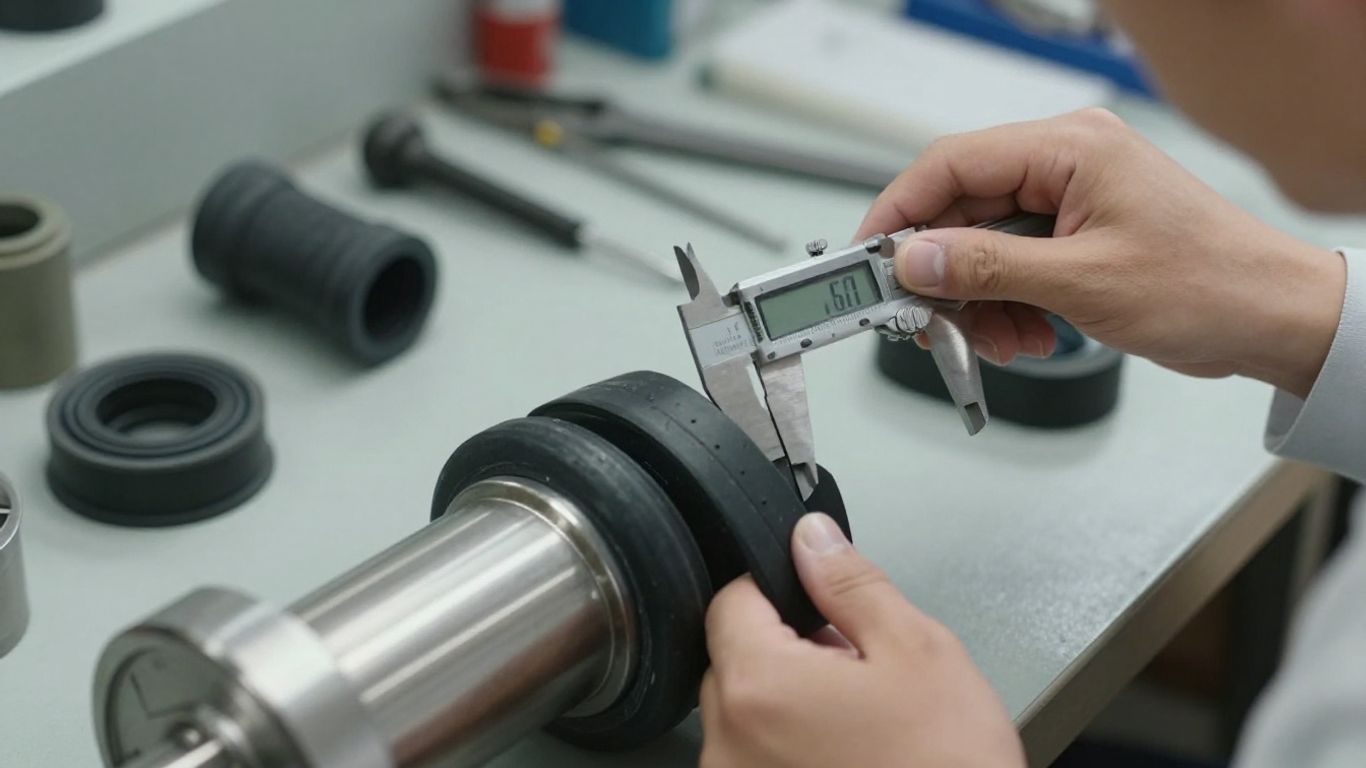
Measuring diameter, thickness, and housing dimensions
Measure the shaft or bore, the seal’s inside and outside diameters, its overall height, and the housing depth. For an O-ring, measure the inside diameter and cross-section; for a gasket, record bolt-hole positions and the complete outline. Use clean calipers where possible, and take more than one reading if the old seal is distorted.
Write the measurements down in a consistent unit and label each one. A supplier needs to know whether a dimension refers to the shaft, the housing, or the seal itself, since reversing two values can produce an apparently plausible but unusable order.
Checking materials and chemical compatibility
The fluid, grease, cleaning agent, and surrounding atmosphere can all affect seal life. A rubber that performs well with water may swell in oil, while a material suited to fuel may not tolerate hot steam. Also consider sunlight, ozone, saltwater, abrasive dust, and any food or pharmaceutical requirements.
If the original compound is unknown, provide the equipment maker, fluid name, concentration, and operating temperature. This gives a technical supplier enough context to suggest a compatible material without relying on the color or softness of the old seal.
Matching pressure, temperature, and speed ratings
Pressure and temperature should be considered together, especially in hydraulic, pneumatic, and rotating equipment. Shaft speed, reciprocating frequency, pressure spikes, dry running, and misalignment can matter just as much as the normal operating figures. Operating conditions matter most when two seals share the same basic dimensions.
Before placing an order, collect the key operating details in a short record:
- Equipment type and application.
- Fluid, gas, or lubricant in contact with the seal.
- Normal and maximum pressure.
- Normal and maximum temperature.
- Shaft speed or movement pattern.
This information helps distinguish a seal that fits physically from one that is suitable in service. It also gives the supplier a clear basis for confirming an alternative when the original part is unavailable.
Using equipment model and part numbers
Model numbers, serial numbers, exploded diagrams, and manufacturer part numbers can make identification much faster. Check whether the number belongs to the seal itself, a complete cartridge, a service kit, or the equipment assembly. Older machines may have superseded numbers, so provide the full equipment details rather than only an isolated code.
If the number and measurements disagree, pause before ordering. The equipment may have been modified, the old seal may be incorrect, or the measurement may have been taken from a worn surface.
Where to buy seal parts in Sydney
The best place to buy a seal depends on the equipment and the consequences of failure. An automotive weatherstrip, pump mechanical seal, hydraulic rod seal, and appliance door gasket may all require different supplier expertise. Local collection can help when a machine is down, while an online order may offer better access to uncommon profiles.
When comparing options, ask whether the supplier can confirm dimensions, material, availability, and an estimated dispatch time. A low unit price is less useful if the wrong part causes a second shutdown.
Specialist seal and bearing suppliers
Specialist suppliers are often useful for mechanical seals, oil seals, O-rings, bearings, and industrial profiles. They may be able to cross-reference dimensions, discuss materials, and identify whether a complete assembly or individual component is needed. Bring the old seal, a drawing, or clearly labeled measurements to make the conversation more productive.
For a critical pump or rotating machine, ask about face materials, elastomer selection, and whether the replacement is intended for the same duty. Technical questions at the counter can prevent an expensive mismatch later.
Industrial maintenance and engineering distributors
Industrial distributors can be practical when a repair involves several components, such as seals, bearings, couplings, lubricants, and fasteners. They may also support trade accounts and scheduled maintenance purchasing. Confirm whether stock is held locally or supplied from another warehouse, particularly when production is waiting on the part.
A distributor should be able to explain the difference between an in-stock standard part and a special-order item. That distinction affects both the delivery estimate and the risk of substituting an unsuitable profile.
Automotive and appliance parts retailers
Automotive retailers are a natural fit for vehicle-specific weather seals, body rubber, gaskets, and service components. Appliance retailers can be more accurate for model-specific door, pump, and cabinet seals than a general industrial counter. The vehicle identification number, appliance model, and production details may be needed to confirm the fit.
For customers working across several cities, a national car-parts network can also simplify sourcing. The useful question is not simply whether a retailer sells rubber parts, but whether it can match the part to the exact application.
Online suppliers serving Sydney and regional New South Wales
Online suppliers can provide broader catalog access and make it easier to compare dimensions, profiles, and part numbers. They are most effective when the buyer already has reliable measurements and understands the application. Read the technical listing carefully, including units, material, quantity, and whether the price is for one seal or a kit.
Before paying, confirm dispatch location, delivery time, returns, and the process for resolving a mismatch. Save the listing and order details so the part can be traced if the equipment needs the same component again.
What to consider when choosing a Sydney seal supplier
A supplier is valuable when it helps turn incomplete equipment information into a defensible part choice. Range matters, but so do technical questions, stock accuracy, communication, and the ability to source an uncommon component. These factors become more important when a failed seal has stopped a vehicle, pump, production line, or essential appliance.
A short comparison can make the decision less subjective. Consider what the supplier can verify before ordering, not only what appears in an online catalog.
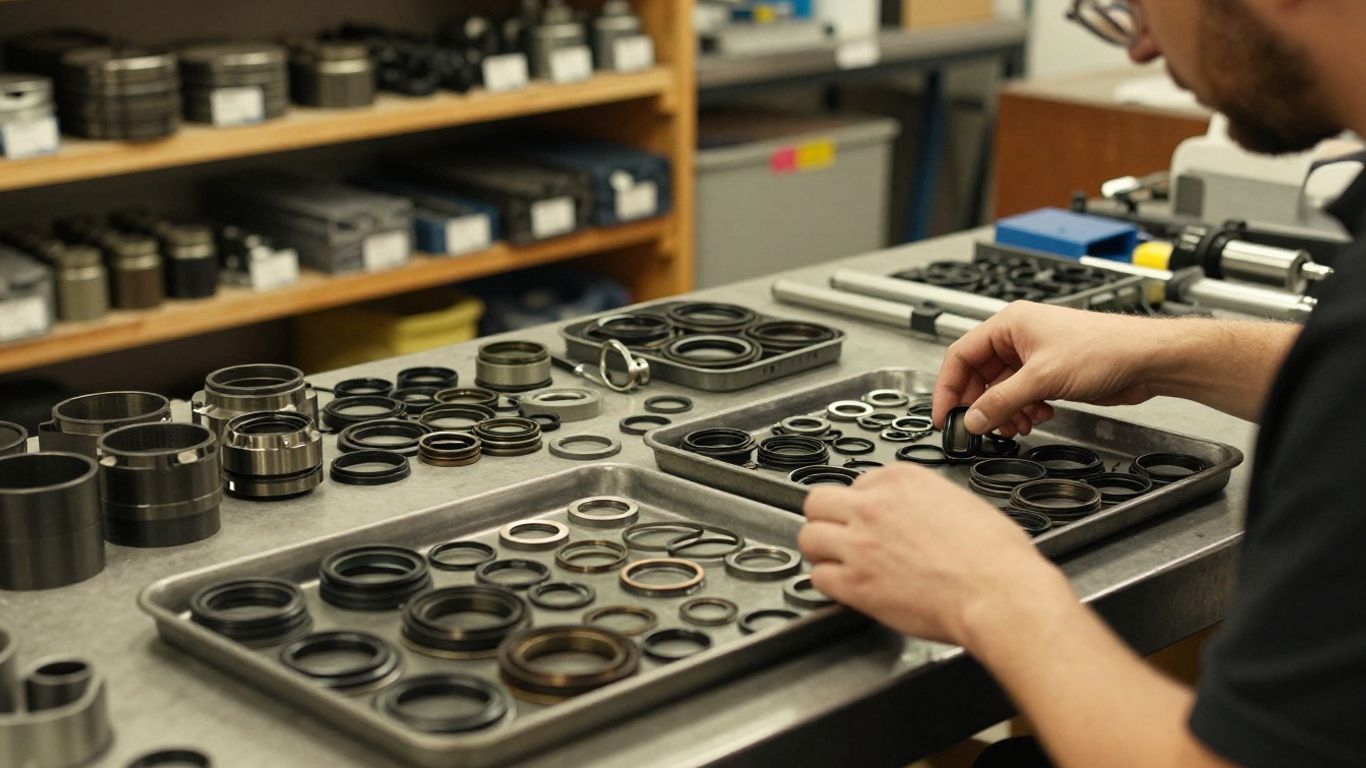
Product range and specialist technical knowledge
A broad range may include standard O-rings, oil seals, hydraulic profiles, mechanical seals, gaskets, and automotive rubber. Specialist knowledge is shown by the questions a supplier asks about movement, fluid, pressure, temperature, and housing dimensions. That conversation is often more useful than a long list of nominal sizes.
For vehicle owners, a supplier that works across used, genuine, and aftermarket parts may offer more than one practical route to a repair. The choice should still be based on fit, condition, and the vehicle’s intended use.
Stock availability and delivery time
Ask whether the part is physically in stock, reserved, or subject to supplier confirmation. If the equipment is down, request a realistic dispatch estimate and ask whether a compatible alternative is available. Local pickup can be useful, but only when the part has been checked against the application.
Delivery promises should be recorded with the quotation or order confirmation. This is especially helpful when a replacement must travel to regional New South Wales or when several related parts are being ordered together.
Custom seals and hard-to-find components
Some applications need a custom profile, a made-to-drawing gasket, a nonstandard material, or a replacement for an obsolete component. Send a drawing, sample, photos, and operating conditions when requesting a quotation. A supplier may need to inspect the old part before confirming whether it can be reproduced or replaced.
The SEALFAST solutions page describes standard and engineered vulcanised rubber seals for defence and specialised industrial needs. That kind of documented scope is a useful reminder to ask specifically what materials, profiles, and applications a supplier actually supports.
Trade support, warranties, and return policies
Trade support can include quotations, repeat-order records, technical documentation, and help identifying a substitute. Warranties and returns matter too, but seals may be excluded after installation, cut to length, contaminated, or ordered to a customer-supplied specification. Read those conditions before opening the package or modifying the part.
Keep the invoice, part number, measurements, and correspondence together. If a problem occurs, this record gives the supplier a clear way to investigate rather than requiring the order to be reconstructed from memory.
Common mistakes when ordering seal parts
Most seal-ordering problems begin with a small assumption: that a similar-looking component will perform the same job. The error may not appear until the equipment is restarted, when leakage, friction, heat, or rapid wear exposes the mismatch. Slowing down for a few minutes is usually cheaper than repeating the repair.
The following mistakes are particularly common in vehicle, appliance, hydraulic, and industrial repairs.
Choosing the wrong material or seal profile
A seal can have the correct dimensions and still fail because its compound or profile is unsuitable. Chemical swelling, hardening, extrusion, compression set, and friction are all possible outcomes. Do not replace a damaged seal with a generic material unless the operating conditions have been checked.
If the old seal has a marking, record it. If not, provide the fluid and temperature information and ask the supplier to confirm the proposed material in writing.
Relying on appearance instead of precise measurements
Two seals can look identical while differing by a fraction of a millimeter, and that difference may prevent correct compression or retention. A photograph also hides groove depth, shaft wear, and the condition of the mating surface. Measure the part and its housing, then compare the data with the supplier’s drawing.
Where a seal is badly distorted, measure the equipment surfaces as well. The old component may no longer show its original dimensions accurately.
Ignoring operating conditions and installation requirements
Pressure spikes, shaft runout, dry running, contamination, and temperature cycling can shorten seal life even when the replacement is nominally correct. Installation tools, lubricant, orientation, and cleanliness also affect the result. Follow the equipment maker’s instructions where they are available.
Do not assume that a seal designed for static service can be used on a moving shaft, or that a low-pressure pneumatic profile belongs in a high-pressure hydraulic cylinder. The motion and duty must match the profile.
Replacing a damaged seal without inspecting the equipment
A new seal may fail quickly if the shaft is scored, the housing is cracked, the bearing is loose, or the alignment is poor. Inspect nearby components and clean away debris before fitting the replacement. Look for a leak path that could have caused the original failure.
A seal is often the visible symptom rather than the complete problem. Correcting the underlying wear can protect the new component and reduce repeat downtime.
How to install and maintain replacement seals
Installation should be treated as part of seal selection, not an afterthought. A correct component can be damaged by a sharp edge, contaminated lubricant, excessive force, or incorrect orientation. Work from clean surfaces and use the equipment instructions where they exist.
If the repair involves pressure, heat, rotating equipment, or hazardous fluids, isolate the equipment and use appropriate safety procedures before dismantling it.
Preparing the shaft, housing, and surrounding components
Clean the shaft, bore, grooves, and mating faces with a suitable method that will not damage the material. Remove burrs, rust, old gasket residue, and abrasive particles, then inspect the surfaces for scoring or distortion. Check that the housing is the correct depth and that the shaft or rod is not excessively worn.
A clean, sound surface gives the replacement seal a fair chance to seat correctly. If damage is beyond the equipment’s tolerance, replace or repair the affected component before installing the seal.
Applying the correct lubricant and installation tools
Use only a lubricant compatible with the seal material and the equipment’s fluid. Some seals should be installed dry, while others require a light film on a lip or sliding surface. A seal driver, guide sleeve, or suitable mandrel is safer than a screwdriver or a punch applied directly to the sealing edge.
Ask for the installation specification when the seal is part of a cartridge or precision assembly. The correct tool and lubricant can prevent damage that would otherwise be mistaken for a material or sizing problem.
Avoiding damage during fitting
Keep lips and edges away from keyways, threads, splines, and sharp housing corners. Cover protruding features during installation and ensure the seal is oriented correctly before applying even pressure. Do not stretch an O-ring over a sharp edge or twist it into its groove.
After fitting, check that the seal is fully seated and not cocked. Rotate or move the component by hand where safe, then follow the equipment’s commissioning procedure rather than applying full duty immediately.
Recognizing early signs of wear and leakage
A small leak, unusual heat, squealing, visible dust, or a change in fluid level can be an early warning. For vehicle and appliance repairs, monitor the area after the first use; for industrial equipment, compare readings with normal operating conditions. A leak that returns soon after replacement deserves investigation rather than another identical seal.
Record the date, part number, material, and operating observations. That simple maintenance history can reveal recurring alignment, contamination, or pressure problems and make the next seal parts Sydney order much more accurate.
Conclusion
The right seal is identified by its dimensions, profile, material, and operating duty—not by appearance alone. Careful measurements, a suitable Sydney supplier, and clean installation will make a replacement more dependable and reduce the chance of repeating the same repair.
Frequently Asked Questions
What information should I take to a seal supplier?
Take the old seal, equipment model and serial details, measured dimensions, fluid information, operating pressure and temperature, and clear photos of the housing and surrounding parts.
Can I replace a seal with one that looks similar?
Appearance is not enough. Confirm the dimensions, profile, material, movement, pressure, temperature, and speed before using an alternative.
How do I measure an O-ring?
Measure its inside diameter and cross-section with suitable calipers, and inspect the groove for damage. If the old ring is stretched or compressed, measure the groove as well.
Why does a new seal leak soon after installation?
Possible causes include incorrect sizing, damaged sealing surfaces, wrong orientation, contamination, inadequate lubrication, misalignment, pressure spikes, or a problem elsewhere in the equipment.
Are generic seals suitable for automotive repairs?
They can be suitable when the dimensions, profile, material, and application are confirmed. Vehicle-specific weatherstrips and gaskets may require an exact model match.
Should I replace the surrounding bearing or shaft too?
Inspect nearby components whenever a seal has failed. A worn bearing, scored shaft, loose housing, or poor alignment can cause a replacement seal to fail quickly.
How should replacement seals be stored?
Keep seals clean, dry, cool, and away from direct sunlight, ozone sources, solvents, and unnecessary compression. Follow the material or manufacturer storage guidance when available.