

Key Takeaways
Buying used parts can reduce repair costs, but only when the component is correctly identified and properly inspected.
- Match the part to the vehicle’s model year, variant, side, and VIN.
- Ask how electrical and high-voltage components were tested before removal.
- Compare the complete cost, including freight, diagnosis, fitting, and calibration.
- Check return terms and warranty coverage before paying.
- Use a qualified technician for safety-critical or EV-specific work.
Understanding the Atto 3 used parts market in Melbourne
The Atto 3 used parts Melbourne market includes dismantled vehicles, secondhand components, refurbished items, and new aftermarket stock. Availability changes quickly because suppliers may have only one door, mirror, screen, or control module from a particular vehicle. A lower price is useful, but it does not remove the need to confirm fitment and condition. The safest purchase is the one that can be traced to a compatible vehicle and supported by clear seller information.
Why owners choose used parts for BYD repairs
Used parts are often considered when a repair does not justify the cost of a new component, especially for cosmetic panels, interior trim, or removable hardware. A secondhand item may also preserve the original style and finish more closely than a generic replacement. The saving should be weighed against transport, preparation, painting, diagnosis, and installation rather than judged from the listing price alone.
Owners should also separate cosmetic convenience from safety-critical repairs. A used mirror cover and a used restraint or charging component require very different levels of inspection. Correct identification matters most because a cheap part that cannot be fitted or programmed becomes an expensive delay.
Common sources for salvaged and secondhand components
Common sources include vehicle dismantlers, parts marketplaces, repairers with removed components, insurance salvage channels, and online sellers. Melbourne buyers may find local collection useful for large panels, while interstate sellers can sometimes provide access to a broader inventory. Listings for used BYD spare parts can help shoppers understand the details a useful advert should include, such as year, body style, part description, and location.
Ask whether the seller removed the component themselves, whether the donor vehicle was damaged at the front, rear, side, or underneath, and whether the part was tested. Photos of the actual item are more helpful than catalogue images. A clear answer is not a guarantee, but evasive answers are a reason to keep looking.
How Melbourne’s EV ownership trends affect availability
A growing local EV population can increase demand for commonly damaged items while gradually improving the supply of dismantled components. Stock remains uneven, however, because a supplier may receive several vehicles of one year and none of another. Popular parts can sell before a buyer has time to compare them carefully.
This is why it helps to keep the original part number, vehicle details, and photographs ready when contacting suppliers. Buyers may also need to consider interstate freight when Melbourne stock is unavailable. Patience is valuable, but so is acting promptly once compatibility and condition have been confirmed.
New, used, refurbished, and aftermarket part differences
New genuine parts, used genuine parts, refurbished components, and aftermarket alternatives each carry different trade-offs. “Used” describes prior service, not necessarily poor condition; “refurbished” should mean that some inspection or restoration has occurred, but the exact work needs to be explained. Aftermarket parts may be suitable, though finish, connectors, dimensions, and included hardware can vary.
| Part category | Typical advantage | Main question to ask |
|---|---|---|
| New genuine | Fresh condition and known specification | Is it supplied with all required hardware? |
| Used genuine | Potentially lower purchase price | What is the donor vehicle and condition? |
| Refurbished | May address wear before resale | What work and testing were completed? |
| Aftermarket | Wider availability or lower cost | Does it match the required fitment and connector? |
The right choice depends on the component and the repair standard. A panel may be judged mainly on shape and finish, while an electronic module needs stronger evidence of compatibility and testing.
Identifying the correct part for your BYD Atto 3
Correct identification prevents many avoidable returns. Start with the vehicle’s build information, variant, and the component’s visible features before searching by description alone. Two parts that look similar may differ in connector layout, mounting points, trim colour, or software requirements. Take photographs before removal where possible, and keep the damaged item until the replacement has been checked.
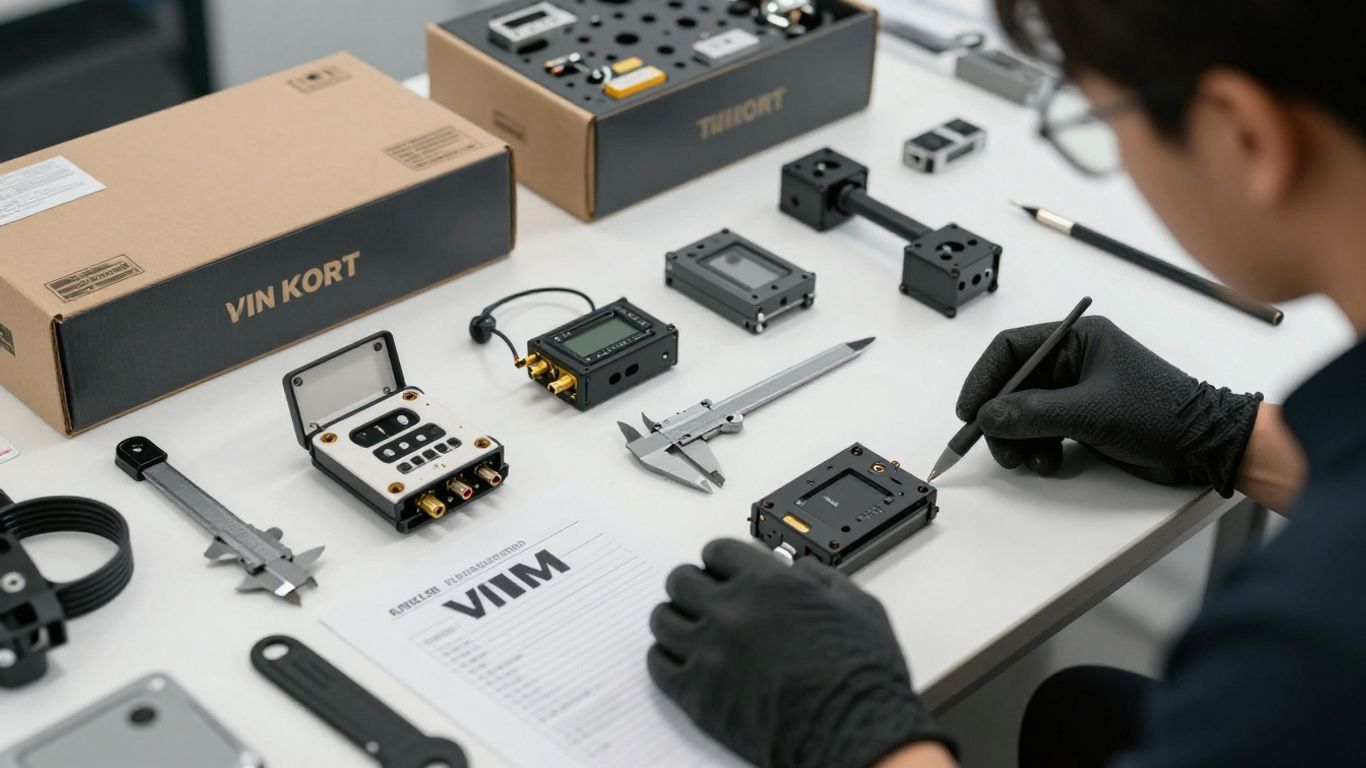
Matching parts by model year and vehicle variant
Record the model year, variant, drivetrain description, body colour, interior trim, and whether the vehicle has any relevant option package. Listings may use broad descriptions that hide important differences. A supplier should be able to tell you whether the advertised component came from a matching or compatible vehicle rather than asking you to guess from a photograph.
Do not assume that every Atto 3 component is interchangeable across production years. Even when the body shape appears unchanged, brackets, sensors, trim finishes, or control units may vary. A careful seller will usually ask for more information before confirming the sale.
Using the VIN and manufacturer part numbers
The VIN gives a parts professional a stronger starting point than a casual model description. Manufacturer part numbers are even more useful when they are legible and complete, although a superseded number may need to be checked against its replacement. Send both the VIN and photographs when requesting a quote.
Keep written confirmation of the part number supplied, the donor details, and any stated compatibility. If the seller says a number is interchangeable, ask whether that means physical fitment only or includes electrical and software compatibility. That distinction can affect the final repair cost.
Checking left-hand and right-hand component compatibility
Side-specific components are a common source of mistakes. Doors, mirrors, lamps, suspension pieces, interior trim, and some wiring assemblies may be made for one side only. Confirm the side from the driver’s seated position or the vehicle’s normal left and right orientation, rather than relying on a seller’s photo angle.
A listing for a used Left Front Door shows why precise descriptions matter: the side, location, colour, model year, return period, and warranty can all influence whether a seemingly suitable panel is actually useful. Ask for a photograph of mounting points and connectors if the side is not obvious.
Confirming whether the part is mechanical, electrical, or software-dependent
Mechanical parts are generally assessed through dimensions, wear, damage, and mounting points. Electrical parts require additional checks for connectors, corrosion, error history, and operation. Some modules or sensors may also need vehicle diagnosis, configuration, or calibration after installation.
Ask the technician what must happen after fitting before you buy. A component that physically installs but cannot communicate with the vehicle may require extra programming or may be unsuitable altogether. Treat high-voltage equipment and damaged wiring as specialist work rather than a normal home repair.
The most commonly requested Atto 3 used parts
Demand tends to cluster around parts exposed to parking damage, collision damage, wear, or everyday contact. Exterior panels and lights are easy to identify visually, while screens, modules, and charging equipment need more careful verification. The same description can cover several different pieces, so ask for the exact assembly and included hardware. Genuine BYD Atto 3 parts listings, for example, show why buyers should distinguish between exterior and interior components when searching.
Exterior panels, doors, mirrors, and lighting
Bumpers, doors, guards, bonnets, mirrors, grilles, and lamps are frequent search items after minor collisions. Check for dents, repaired cracks, broken tabs, paint mismatch, missing brackets, and moisture inside light assemblies. A panel may be structurally usable but still need paintwork before it matches the vehicle.
Ask whether a door includes the glass, regulator, handle, mirror, trim, wiring, and hinges. For lighting, confirm whether the listing covers the complete assembly or only a lens, housing, or lamp unit. Those details can change the apparent bargain considerably.
Interior trims, seats, screens, and controls
Interior parts are often available from vehicles with otherwise serious damage. Inspect seat frames, rails, stitching, trim clips, screens, switches, and centre-console pieces for stains, cracks, broken mounts, or missing fasteners. Photographs taken in good light help reveal wear that a small listing image can hide.
Screens and controls deserve extra caution because a clean appearance does not prove correct operation. Ask whether the item was powered and tested, whether it was removed from a running vehicle, and whether any fault codes were present. Preserve the original component until the replacement is confirmed.
Suspension, braking, and steering components
Suspension, braking, and steering parts affect how the vehicle behaves and should be evaluated more conservatively than cosmetic items. Look for bent arms, damaged threads, leaks, corrosion, uneven wear, and evidence of impact. A component from a vehicle hit underneath may not show obvious damage in a front-facing photograph.
Ask for donor-vehicle damage details and, where appropriate, measurements or inspection notes. Safety-related components should be fitted and checked by a qualified technician. A low purchase price is not a reason to skip wheel alignment, brake checks, or a roadworthiness assessment.
Charging hardware, batteries, and EV-specific parts
Charging hardware, battery-related components, inverters, cables, and high-voltage connectors need specialist handling. The seller should explain how the part was isolated, removed, stored, and tested. Do not buy a high-voltage component solely from a stock photograph or an unverified claim that it is “working.”
Ask about state-of-health information when it is relevant, but also ask how that information was measured and when. A technician can advise whether the part is appropriate for the repair and what safety procedures are required. If the history is unclear, the potential saving may not justify the risk.
How to inspect used Atto 3 parts before buying
Inspection starts before payment, using the listing, photographs, donor information, and the seller’s answers. Request images of labels, connectors, mounting points, and damage rather than relying on a single clean product shot. For larger parts, collection can make inspection easier, although it is still wise to agree on return terms first.
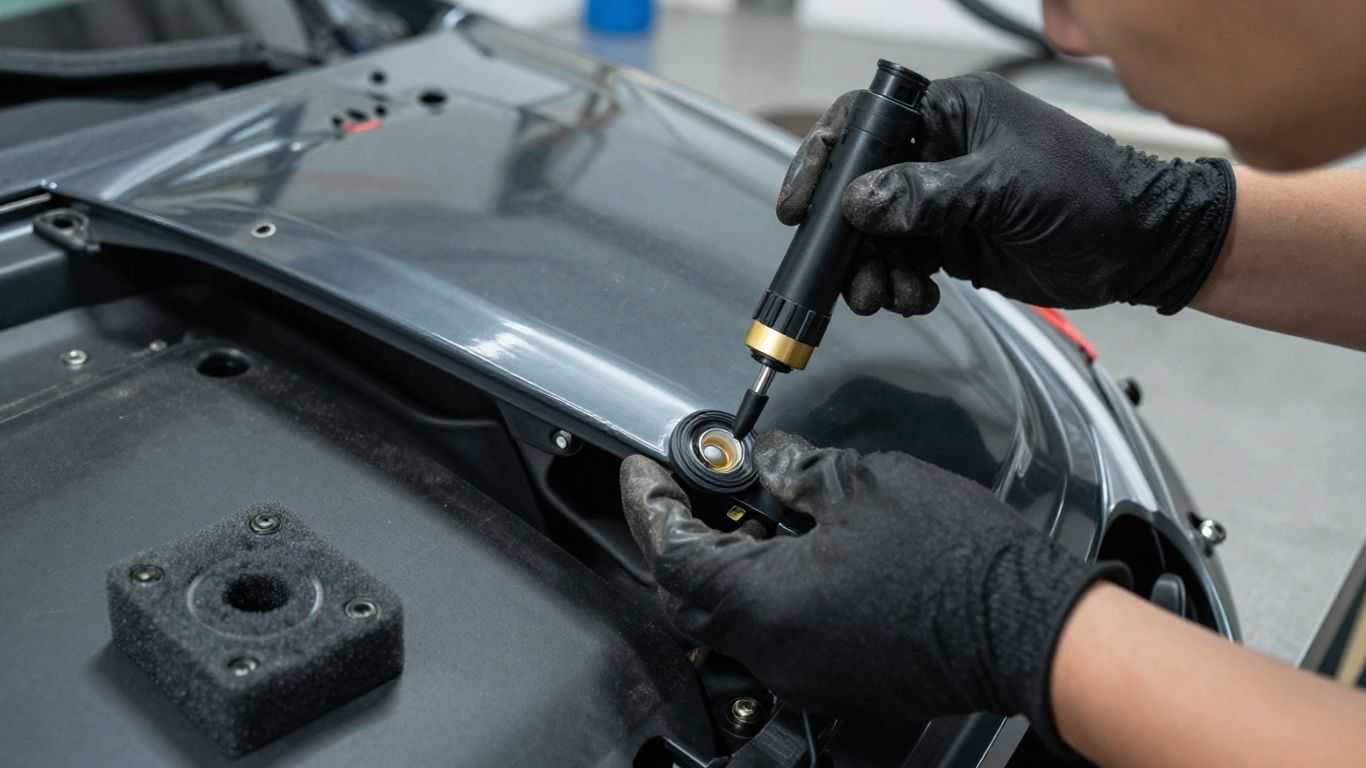
Assessing visible damage, wear, and corrosion
Examine edges, seams, mounting tabs, fasteners, paint, seals, and exposed metal. Look for water marks, rust, impact distortion, heat damage, and repairs that are not mentioned in the advert. Interior parts should be checked for odour, stains, broken clips, and missing trim pieces.
Ask for close-up photographs of any area that is hidden in the main image. A seller who knows the part should be able to describe its condition without relying on vague phrases such as “as removed” or “sold as is.”
Checking electrical components for faults
Electrical parts should be checked for cracked housings, bent pins, corrosion, damaged insulation, and signs of water entry. Ask what test was performed and whether the component was connected to a compatible vehicle. For a screen or control module, confirmation of power alone may not prove full functionality.
Write down what the seller has tested and what remains untested. This creates a realistic expectation and helps a technician plan the installation. If a test cannot be performed before sale, a suitable return arrangement becomes especially important.
Reviewing crash history and salvage condition
The donor vehicle’s damage pattern can reveal hidden risk. Front-end damage may affect lamps, cooling equipment, wiring, sensors, and mounting structures; side damage may affect doors, mirrors, airbags, and harnesses. Ask for salvage photographs or a description of the vehicle before dismantling.
Do not treat a component as sound merely because it was removed from a vehicle that looked repairable. A reputable dismantler should separate visibly damaged parts and disclose relevant history. When the history is incomplete, choose a part with stronger return protection or seek another source.
Verifying mileage, storage conditions, and removal quality
Mileage can help provide context for wear, although it does not replace a component-specific inspection. Ask how long the part was stored, whether it was protected from moisture, and whether connectors were capped. Clean removal matters because cut wiring, missing bolts, and broken clips can turn a usable assembly into a partial one.
Before ordering, confirm exactly what is included. These practical checks are especially useful:
- Compare the listing photographs with the part number and your original component.
- Ask for the donor vehicle’s year, variant, and damage location.
- Confirm included brackets, wiring, fasteners, keys, or trim pieces.
- Record the agreed condition, testing, freight, warranty, and return terms.
That short record gives both sides something specific to refer to if the part arrives differently from the description. It also makes the eventual installation easier to plan.
Finding reputable Melbourne suppliers and wreckers
A reliable supplier is usually willing to discuss condition and compatibility before taking payment. Look for actual photographs, identifiable contact details, clear business terms, and a process for handling incorrect or damaged parts. Local Melbourne stock can simplify collection and inspection, but a broader search may be worthwhile when a rare component is needed.
Search results can contain unrelated material, so check the page and seller before assuming a listing is relevant. For example, crane truck hire services, down quilts and pillows, private laboratory testing, taxi software, and automated content creation are reminders that a search result can be technically visible without being a suitable parts source. Stay with listings that provide clear vehicle and component information.
What to look for in a specialist EV dismantler
An EV-focused dismantler should understand the difference between ordinary body components and high-voltage equipment. Ask how vehicles are made safe, how batteries and electrical assemblies are stored, and whether technicians record testing results. The supplier does not need to promise that every part is perfect, but it should describe limitations honestly.
A good conversation is specific. The seller can identify the donor vehicle, explain what is included, and tell you when professional installation is needed. Those details are more meaningful than a broad statement about quality.
Comparing local stock with interstate and online sellers
Local stock may allow inspection, collection, and easier discussion of a bulky part. Interstate or online sellers may offer more choice, particularly when Melbourne inventory is limited, but freight damage and return shipping need to be considered. Compare the delivered cost rather than the advertised component price.
Check packaging plans for doors, screens, lamps, and fragile electronics. Ask whether the seller will photograph the packed item and whether transit damage is covered. A cheaper part can lose its advantage if freight protection is unclear.
Questions to ask about testing and compatibility
Before paying, ask questions that produce verifiable answers rather than general reassurance. Confirm the exact part number, donor vehicle, side, condition, included pieces, test performed, and return process. If the supplier cannot answer immediately, ask whether it can verify the information before sending the part.
Also ask who pays return freight when the item is incorrectly described. Written answers are preferable to an informal phone promise, especially for expensive electronic or high-voltage components. Clear expectations reduce arguments later.
Warning signs of unreliable listings or counterfeit parts
Be cautious with stock images, unusually low prices, missing part numbers, pressure to pay quickly, and descriptions that avoid stating condition. A listing that uses a vehicle name but provides no year, variant, side, or actual photographs is difficult to verify. Counterfeit or misrepresented parts may also have poor labelling, inconsistent moulding, or connectors that do not match the original.
A seller who refuses reasonable questions is not offering a meaningful bargain. Pause the purchase, compare another listing, and ask a technician if the component is safety-critical or electronically integrated.
Understanding costs, warranties, and installation
The part price is only one line in the repair budget. Freight, inspection, diagnosis, paintwork, consumables, calibration, programming, and labour may all be necessary. Get a written estimate that separates the component from the work required to make the vehicle usable again.
A cheaper used component can still make sense, but only when its condition and installation path are understood. This is particularly true for panels that need painting and electronic parts that require diagnosis. Treat vague cost estimates as provisional until the technician has inspected the vehicle.
Comparing total cost beyond the listed part price
Start with the delivered price, then add any collection, packaging, painting, diagnostic, and fitting charges. Ask whether the item includes the accessories needed for installation. A bare assembly may appear inexpensive but require separate brackets, wiring, keys, sensors, or trim.
For collision repairs, also ask whether alignment, scanning, or post-repair checks are included. Comparing two complete repair paths is more useful than comparing two individual listings. Keep a small allowance for unexpected fasteners, clips, and damaged adjoining parts.
Evaluating return policies and limited warranties
Read the return policy before payment, including the time limit, exclusions, restocking fee, and responsibility for freight. Warranties may cover a component for a stated period but exclude labour, diagnostic costs, damage during fitting, or faults caused by another vehicle system.
Ask what evidence is required if a fault is found. Photograph the packaging and part on arrival, and do not modify or discard the original until the replacement has been checked. A return policy only helps if its conditions are practical to follow.
Budgeting for shipping, diagnostics, and labor
Fragile and oversized items need more careful freight planning. A screen, lamp, door, or battery-related component may require protective packaging and special handling. Confirm delivery timing before booking a technician, particularly if the vehicle is already off the road.
Budget separately for diagnostic scans and any required programming or calibration. If the technician discovers that the supplied component is incompatible, the diagnostic fee may still apply. Planning for that possibility is less stressful than treating it as an unexpected failure.
Choosing a qualified technician for EV-related repairs
Choose a technician who is trained and equipped for the type of repair, especially where high-voltage systems, airbags, steering, braking, or electronic calibration are involved. Ask whether the workshop has the appropriate isolation procedures, diagnostic equipment, and experience with the relevant component.
A capable technician should explain the repair sequence and identify any checks required after installation. Do not bypass safety procedures to save labour time. The right installation is part of the value of the used component.
Buying and installing Atto 3 used parts safely
Before ordering, bring together the vehicle details, part number, photographs, seller messages, and technician’s advice. This small amount of preparation helps prevent an expensive mismatch. It also creates a record that can be useful if the vehicle is serviced or sold later.
The final decision should consider safety, fitment, condition, and support—not price alone. When an item involves stored electrical energy or vehicle control systems, professional handling is the sensible default.
Steps for confirming the order before payment
Ask the supplier to restate the exact part, side, year, variant, condition, included items, price, freight, warranty, and return terms. Compare that confirmation with the photographs and your original component. Do not rely on an edited listing after the transaction if the agreed details are not recorded.
A simple order check can prevent most misunderstandings:
- Confirm the VIN, model year, variant, and part number.
- Confirm the actual photographed item and its condition.
- Confirm testing, included hardware, freight, warranty, and returns.
- Save the invoice, messages, photographs, and payment record.
Once those details match, arrange delivery or collection in a way that protects the part. If one answer remains uncertain, pause before paying rather than hoping it will work out.
Transporting high-voltage and fragile components
High-voltage components must be isolated, secured, labelled, and transported according to applicable safety requirements. Fragile electronics should be protected against impact, moisture, static, and loose movement inside the package. Ask the seller and carrier how the item will be handled before it leaves the dismantler.
Do not attempt to open, test, or improvise connections on a high-voltage assembly. Leave those steps to a qualified professional with the right equipment and procedure. For ordinary panels, inspect the packaging immediately and photograph any damage before signing off on delivery.
When professional calibration or programming is required
Cameras, sensors, control modules, screens, and other electronically integrated parts may need calibration, configuration, or fault-code clearing after installation. Physical fitment does not prove that the vehicle will recognise or safely use the replacement. Ask the technician what post-installation procedure applies before buying.
The required work may vary with the part and the vehicle’s existing systems. A seller can confirm what was tested, but the installing technician should decide whether the finished repair is operating correctly. Keep the diagnostic report if one is produced.
How to document the repair for future servicing and resale
Keep the invoice, part number, donor details, warranty, photographs, diagnostic records, and technician’s work order together. Note the installation date and vehicle mileage, along with any calibration or software-related work. This documentation gives future service providers a clearer history.
A complete record can also support a fairer resale conversation. It shows what was replaced and how the work was completed without claiming more certainty than the records provide. Good paperwork is a modest step that often saves time later.
Conclusion
Finding suitable used parts is a process of matching, checking, and planning rather than simply locating the lowest listing price. Verify the vehicle details and part number, inspect the component’s history and condition, confirm the complete cost, and use qualified help for safety-critical or EV-specific work. With those habits, Melbourne buyers can make more informed repair decisions and avoid many preventable returns.
Frequently Asked Questions
Are used parts a safe choice for an electric vehicle?
They can be suitable when the component is correctly identified, properly inspected, and installed according to the vehicle and part requirements. High-voltage, braking, steering, restraint, and electronic components deserve professional assessment.
How can I confirm that a used part will fit?
Use the VIN, model year, vehicle variant, manufacturer part number, side, photographs, and the original component for comparison. Ask the seller to confirm compatibility in writing before payment.
Should I buy a used part locally or online?
Local buying may allow inspection and easier collection, while online or interstate sellers may offer wider stock. Compare delivered cost, packaging, warranty, and return freight rather than the listed price alone.
What should a used-parts warranty cover?
The policy should state the coverage period, exclusions, return deadline, and responsibility for freight. Check whether labour, diagnosis, fitting damage, or faults caused by another system are excluded.
Can a used electronic component work immediately after installation?
Not always. Some components may need diagnosis, programming, configuration, or calibration, and physical fitment does not guarantee communication with the vehicle.
What should I do if the part arrives damaged?
Photograph the packaging and component, keep all freight materials, and contact the seller promptly using the stated return process. Avoid modifying or installing a visibly damaged item until the seller responds.
How should high-voltage parts be handled?
They should be isolated, stored, transported, and installed by people with appropriate EV safety training and equipment. Do not open or connect an unknown high-voltage component yourself.