

Key Takeaways
The BYD Models Specific range covers small urban cars, sedans, crossovers, SUVs, and a plug-in hybrid pickup. The best comparison starts with how and where you will use the vehicle, then checks the local trim, charging setup, warranty, and equipment.
- Small hatchbacks suit compact urban trips and easier parking.
- Sedans typically appeal to drivers who prioritise distance, comfort, or performance.
- Crossovers and SUVs offer a higher driving position and more flexible space.
- A plug-in hybrid can suit drivers who need electric driving with longer-trip flexibility.
- Local specifications matter more than overseas model names or headline figures.
Understanding the BYD model range
A useful way to read the range is by vehicle shape, intended use, and powertrain rather than by badge alone. Names can appear in different markets with different equipment, and a familiar model may not have the same battery, trim, or software in every country. Treat the published local specification as the version that matters.
How BYD organizes its vehicle lineup
The lineup can be approached in simple groups: city-sized hatchbacks, compact and larger sedans, crossovers, three-row SUVs, and pickup-style vehicles. That grouping helps narrow the search before comparing details such as seating, cargo room, charging, and drivetrain. It is more useful than assuming that a newer-looking name automatically sits above every older one.
A buyer should also separate body style from powertrain. Two vehicles with similar exterior dimensions may serve very different purposes if one is fully electric and another uses a plug-in hybrid system.
The difference between BYD, Denza, Fangchengbao, and Yangwang
These names sit within the wider group but should not be treated as interchangeable model badges. The available background on BYD Auto describes BYD, Denza, Fangchengbao, and Yangwang as brands under the same automotive umbrella, while the vehicles and positioning associated with each can differ. For a buyer, the practical question is which badge and local dealer support apply to the vehicle being considered.
That distinction is especially helpful when researching imported vehicles or reading international reviews. A review of one brand within the group is not automatically a review of every model sold under another name.
Core markets and regional naming differences
Regional availability can change the meaning of a model comparison. A vehicle shown in one market may have a different name, trim structure, charging connector, or equipment list elsewhere, while another model may not be sold locally at all. This is why a global review is best used for broad impressions rather than as a substitute for a local specification sheet.
For a starting point, the BYD Europe range gives a market-specific reference, but it should still be checked against the exact country and registration requirements. The same discipline applies when researching models in other regions.
How model updates and trim levels affect comparisons
A model comparison can become misleading when it combines figures from different model years or trims. Battery size, wheel design, driver-assistance equipment, interior materials, and charging hardware may vary, so two reviews can describe vehicles that share a name but are not identical.
Record the model year, trim, body style, drivetrain, and country before comparing prices or performance. This small habit prevents a specification from one market being mistaken for a promise about another.
BYD electric cars and hatchbacks
Hatchbacks and sedans make up the most straightforward part of the range for many urban and suburban drivers. They are usually easier to place in a garage or narrow street than a large SUV, but the right choice still depends on rear-seat use, luggage habits, and typical trip length. The names below are best treated as starting points for a local comparison, not as universal equipment descriptions.

BYD Seagull for affordable urban driving
The Seagull is positioned in the outline as an affordable urban-driving option, which makes its role easy to understand: compact dimensions and everyday manoeuvrability come before maximum interior space. It may appeal to a driver whose routine consists mainly of local roads, short commutes, shopping, and limited passenger use.
Before choosing it, check whether its available range, charging arrangement, and rear-seat room fit the actual routine. A small car can be economical to run, yet still feel unsuitable if regular highway journeys or bulky cargo are part of the brief.
BYD Dolphin as a practical compact EV
The Dolphin sits in the compact EV category and is a natural option for drivers who want more everyday flexibility than the smallest hatchback class. Its suitability should be judged through the details that shape routine use: entry and exit, rear-seat access, boot capacity, turning space, and charging at home or nearby.
A test drive is valuable here because compact cars can feel quite different despite similar published dimensions. Pay attention to visibility, seating adjustment, and how easily the vehicle fits into the places you use most.
BYD Seal for performance and long-distance travel
The Seal is framed as the sedan choice for performance and longer-distance travel. That suggests a buyer should compare more than acceleration figures: sustained highway comfort, battery and charging information, seating support, boot practicality, and the availability of the relevant trim all deserve equal attention.
The most convincing long-distance choice is not always the quickest one. It is the vehicle whose range, charging access, cabin comfort, and running cost align with the driver’s regular journeys.
BYD Han as a premium electric sedan
The Han belongs in the premium electric-sedan discussion, where refinement and equipment can matter as much as outright efficiency. Consider the quality of the seating position, cabin quietness, rear passenger accommodation, luggage needs, and the local service arrangements before placing too much weight on its position in an overseas range.
Premium equipment is valuable only when it is useful to the owner. A careful comparison should separate features that improve daily comfort from features that add complexity without solving a real need.
BYD SUVs and crossover models
SUVs and crossovers bring a different set of priorities to the comparison. A higher seating position, easier loading, and additional passenger flexibility can be useful, but added size may affect parking, energy use, tyres, and charging time. The sensible choice is the smallest vehicle that comfortably handles the household’s regular demands.
BYD Atto 3 for everyday family use
The Atto 3 is presented as an everyday family crossover, making it a useful reference point for buyers who want a balance between compact-car manoeuvrability and SUV-style practicality. Check child-seat access, rear-seat legroom, boot shape, loading height, and visibility rather than relying on the word “family” alone.
A family vehicle also needs to work when fully occupied. Take the intended passengers and a typical amount of luggage on a practical test drive if possible.
BYD Song and Yuan SUV variants
Song and Yuan variants illustrate why model families need careful research. A shared name or related naming pattern does not necessarily mean identical dimensions, drivetrain choices, or equipment in every market. Compare the exact local vehicle rather than grouping all variants into one broad assumption.
The useful questions are simple: how many seats are needed, how much cargo must fit behind them, and how often will the vehicle travel beyond the normal charging area? Those answers usually narrow the variants quickly.
BYD Tang as a larger three-row electric SUV
The Tang is identified here as a larger three-row electric SUV, so its main appeal is passenger capacity and the flexibility that comes with a bigger body. Buyers should inspect access to the third row, usable luggage space with all seats occupied, parking dimensions, and the effect of a full passenger load on everyday convenience.
Three rows are most valuable when they are used regularly. If the rearmost seats are rarely occupied, a smaller SUV may offer easier ownership without sacrificing the features that matter most.
BYD Shark as a plug-in hybrid pickup option
The Shark is the plug-in hybrid pickup option in this outline. That makes the central comparison different from a fully electric hatchback or SUV: assess electric-only use, charging habits, payload and towing requirements where documented locally, and how the vehicle behaves on longer trips when the battery is not being regularly replenished.
A pickup should be selected for its actual work, not just its appearance. Confirm the local equipment, load limits, accessories, and servicing arrangements before treating it as a practical replacement for another vehicle type.
Comparing BYD models by specifications
Specifications are useful when they answer a real ownership question. Range matters because of a driving pattern, cargo capacity matters because of people and equipment, and charging speed matters because of where the vehicle will spend time. The local specification is decisive when figures from different markets appear to conflict.
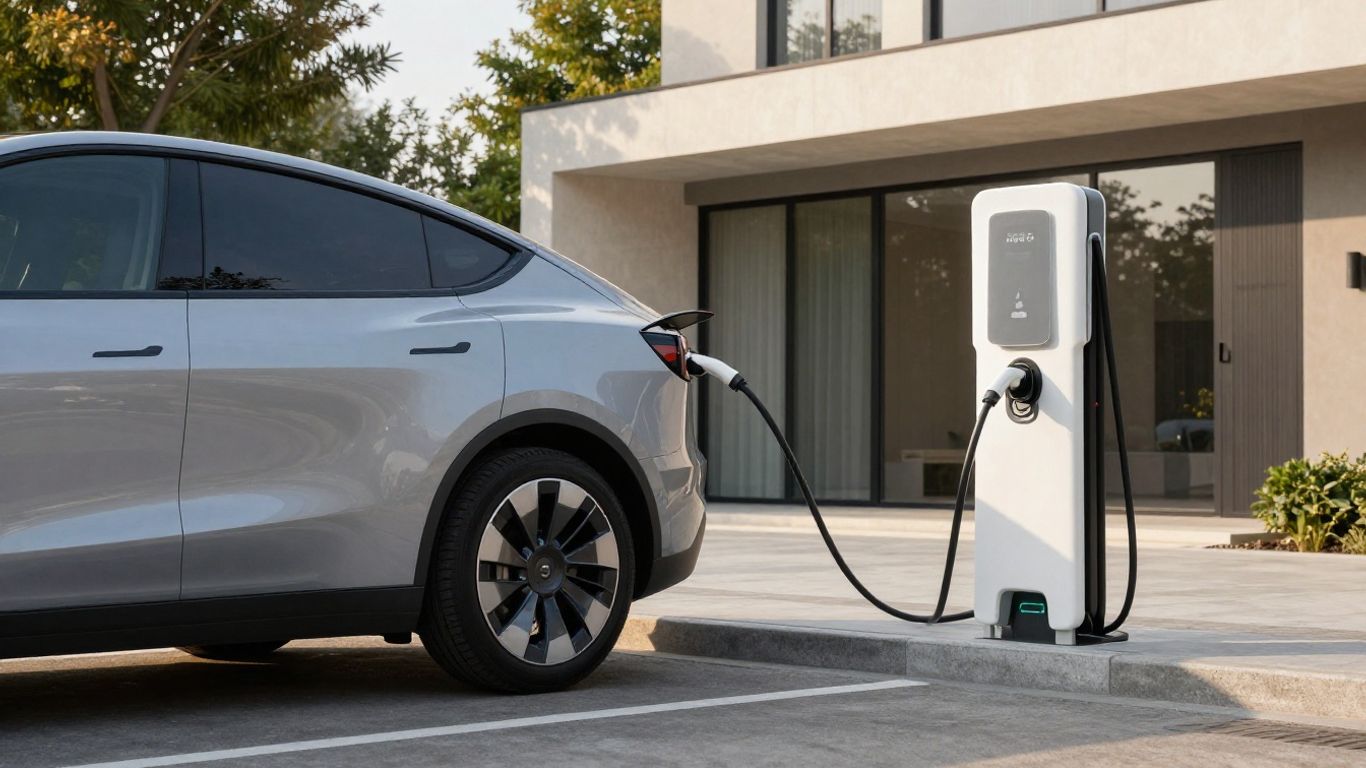
Battery capacity, range, and charging speed
Battery capacity is only one part of the range equation. Compare the stated range standard, wheel and tyre configuration, charging conditions, and whether the quoted charging rate applies to the trim being considered. Then relate those figures to the route, weather, passengers, and charging access that will shape real use.
A home charger can make routine driving simple, while apartment living may make public charging a much larger part of the decision. Look for the complete local charging specification rather than a single headline number.
Power output, acceleration, and drivetrain choices
Power and acceleration help explain how a vehicle will feel, but they should be read beside weight, traction, tyres, and drivetrain layout. A front-, rear-, or all-wheel-drive version may offer a different balance of efficiency, grip, steering feel, and cost.
For most drivers, smooth response and predictable control matter more than the fastest published time. A test drive can reveal whether the vehicle’s character suits traffic, hills, overtaking, and parking.
Interior space, cargo capacity, and passenger comfort
Interior measurements rarely tell the whole story. The opening shape of the boot, rear-seat folding method, underfloor storage, door aperture, and seating height can determine whether a vehicle works in daily life. Passenger comfort also depends on ventilation, cushioning, visibility, and the ease of getting in and out.
Use a simple checklist when comparing vehicles:
- Measure the largest regular item that must fit in the cargo area.
- Sit in every row used by adults or child seats.
- Check storage for phones, bottles, charging cables, and small bags.
- Test the boot with the seats in their normal position.
These checks turn general practicality into something observable. They also reduce the risk of choosing a vehicle that looks spacious on paper but is awkward at home.
Safety technology and driver-assistance features
Safety comparisons should identify which systems are standard, optional, or unavailable on the local trim. Read how the assistance features operate, whether their settings can be adjusted, and how naturally they behave on the roads you use. A long equipment list is less helpful than a clear understanding of what is fitted to the vehicle being ordered.
A test drive should include ordinary city traffic, parking, and a stretch of faster road where permitted. That gives the driver a better sense of visibility, alerts, braking behaviour, and control layout.
Infotainment, connectivity, and cabin technology
Cabin technology affects daily satisfaction more than many buyers expect. Check screen readability, physical controls, phone pairing, navigation behaviour, voice interaction, software update arrangements, and whether the functions you need are supported locally.
Spend time using the system while parked. If common tasks require too many steps, a technically impressive interface may still become irritating during ordinary driving.
A video walk-around can help with visual details such as screen layout and storage, but it should supplement—not replace—the local vehicle inspection and specification sheet.
Choosing the right BYD model
The best model is the one that fits the driver’s routine without asking for constant compromise. Start with trips, passengers, parking, charging, and cargo; only then compare appearance, acceleration, or extra equipment. This approach keeps the decision grounded in ownership rather than in a long list of isolated figures.
Matching a model to city, highway, and family needs
City drivers may value compact dimensions, easy visibility, and simple charging more than large batteries or powerful drivetrains. Highway drivers should focus on comfortable seating, usable range, charging locations, and stable high-speed manners. Families need to add child-seat access, rear-seat space, boot flexibility, and ease of cleaning.
Write down the three situations that occur most often. The model that handles those situations comfortably will usually be a better fit than one chosen for a rare trip.
Deciding between a fully electric and plug-in hybrid BYD
A fully electric vehicle suits drivers who can charge conveniently and whose routine fits the available range. A plug-in hybrid may suit someone who wants electric driving for some journeys but also needs a different arrangement for longer travel. The decision depends on access, habits, local fuel and electricity costs, and the exact vehicle specification.
Do not assume that either powertrain is automatically cheaper or easier. Compare the full routine, including charging time, maintenance, longer journeys, and the availability of suitable facilities.
Comparing purchase price with equipment and running costs
The purchase price is only the first line of the ownership calculation. Include registration, insurance, home-charging installation, electricity or fuel, tyres, servicing, accessories, and likely finance costs. Then compare equipment at the same level, since a lower-priced trim may omit features that matter to the buyer.
A clear spreadsheet is often enough. Use local prices and a realistic annual distance rather than relying on an overseas review or a promotional estimate.
Evaluating performance versus efficiency
Performance can make merging and hill driving more relaxed, but it may come with different weight, wheel, tyre, and energy-use considerations. Efficiency is valuable when it reduces charging stops and running costs, yet a slower or smaller vehicle is not automatically the right choice if it fails the driver’s practical needs.
Choose the balance deliberately. For many owners, predictable response, comfortable cruising, and convenient charging deliver more value than maximum acceleration.
Identifying the most suitable model for first-time EV buyers
First-time EV buyers should favour clarity over novelty. The most suitable vehicle is one with a manageable size, understandable controls, accessible charging, sensible range for the routine, and local support that can answer ownership questions.
Before signing, complete a home-charging check, ask for the exact trim sheet, confirm warranty terms, and take a proper test drive. Those steps reveal far more than a short showroom visit.
BYD availability and ownership considerations
Availability is part of the vehicle choice, not an administrative detail after it. A model may be attractive on paper but difficult to order, service, insure, or repair in a particular region. Buyers should verify the local distributor, parts pathway, warranty terms, and registration requirements before committing.
How availability differs across the US, Europe, and other markets
The US, Europe, Australia, and other markets can differ in model selection, pricing, safety certification, charging standards, software, and delivery timing. Even when the same name appears in several countries, the vehicle should be treated as a local product with its own specification.
Use regional sources such as BYD USA or the European range as starting points, then confirm details with the local seller. Imported listings deserve additional scrutiny because support may not match an officially supplied vehicle.
Warranty coverage, servicing, and parts support
Warranty coverage should be read line by line, including battery provisions, exclusions, corrosion terms, roadside assistance, and the process for making a claim. Also ask where routine servicing is performed and how replacement parts are sourced for the exact vehicle and trim.
For used or imported cars, keep records of servicing, software updates, charging equipment, and repairs. Good documentation can make future diagnosis and resale easier.
Home charging and public charging requirements
Home charging is often the simplest way to make an electric vehicle convenient, but the property must support the required installation. Check parking rights, electrical capacity, cable routing, weather exposure, and whether a dedicated charger is needed. Renters and apartment residents should establish permission and access before choosing a vehicle.
Public charging can fill the gap, but availability, payment systems, queueing, and location all matter. Plan around the routes actually driven rather than assuming every charger will be equally convenient.
Resale value and long-term ownership factors
Resale value is difficult to guarantee because it depends on supply, incentives, battery condition, mileage, local demand, warranty transferability, and the pace of model updates. A well-documented vehicle with a clear service history is easier for a later buyer to assess.
Long-term ownership also includes tyres, suspension, charging hardware, software support, and insurance. These less visible costs deserve a place beside the purchase price.
Checking local specifications before placing an order
Before ordering, request the final written specification and compare it with the vehicle seen in reviews or online videos. Confirm the battery, drivetrain, seats, charging equipment, safety systems, connectivity, warranty, delivery timing, and included accessories.
Ask the seller to identify anything that differs from the advertised vehicle. A written answer is useful if the vehicle is delayed, substituted, or delivered with a different trim.
Conclusion
Choosing among electric cars, crossovers, SUVs, and plug-in hybrids becomes simpler when the comparison follows real trips and local ownership conditions. Focus on the exact trim, charging routine, passenger and cargo needs, support network, and total cost before being drawn to headline performance or overseas specifications.
Frequently Asked Questions
What should I compare first when choosing an electric vehicle?
Start with your typical distance, charging access, passenger needs, cargo requirements, and parking situation. These factors narrow the field before price and extra equipment are compared.
Is a larger battery always the better choice?
Not necessarily. A larger battery may add cost and weight, while a smaller one can be adequate for a driver with convenient home charging and shorter regular trips.
How can I compare vehicles sold in different countries?
Check the local model year, trim, battery, charging connector, safety equipment, warranty, and software. International reviews are useful for context but may describe a different vehicle.
Are SUVs practical for everyday driving?
They can be, especially when passengers, loading height, or cargo flexibility matter. Their larger dimensions may also affect parking, energy use, tyres, and purchase cost.
What does a first-time EV buyer need at home?
The essentials are a suitable parking location, access to an electrical supply, permission for installation where necessary, and a charging plan that matches the vehicle and daily routine.
Should running costs influence the purchase decision?
Yes. Include electricity or fuel, insurance, servicing, tyres, charging installation, registration, and finance costs. A realistic annual estimate is more useful than a single advertised figure.
Why is a test drive still important?
A test drive reveals seating comfort, visibility, control layout, ride quality, assistance behaviour, and interior usability. Those details are difficult to judge from specifications alone.