

Key Takeaways
Finding the right used component is mostly a matter of careful matching and clear questions. A little preparation can save time, freight costs, and the frustration of receiving a part that does not fit.
- Check availability by model year and variant rather than assuming parts are interchangeable.
- Give the supplier the VIN and compare part numbers before paying.
- Ask for clear condition details, testing information, and photos.
- Read warranty, return, and freight terms before committing.
- Have a qualified repairer assess EV-specific components and installation needs.
Understand which BYD Tang parts are available
Used parts may come from vehicles dismantled after collision damage, mechanical failure, or another end-of-life event. What can be recovered depends on the donor vehicle and the condition of each component, so an online listing is a starting point rather than a promise of fit or availability. For Tang used parts Adelaide buyers should be ready to describe the exact component and vehicle details when making an enquiry. That gives a supplier a better chance of checking the right stock.
Commonly salvaged body and interior components
Body and cabin parts can include items such as doors, mirrors, trim pieces, seats, and interior switches, depending on what remains usable on a donor vehicle. Their appearance and condition matter as much as the part name: a mirror may have an intact housing but a damaged mount, while trim can have broken clips that are hard to see in a listing. Ask for photos from more than one angle and confirm whether small fittings are included. Matching colour or finish may also matter if the part will remain visible after installation.
Mechanical and electrical parts from donor vehicles
A dismantled vehicle may provide mechanical or electrical components, but the term alone says little about whether a particular item has been tested or can be reused. Ask what checks were completed, how the component was removed, and whether its condition is documented. For EV-related research, a review of battery chemistry covers topics including electrolytes and ion transport; it is background reading, not a substitute for vehicle-specific inspection or repair advice. Treat any used electrical component as a distinct item with its own fitment and safety questions.
Availability differences by model year and variant
A part listed for one model year or variant may not suit another, even when the component looks similar. Equipment, connectors, dimensions, and software dependencies can differ, and donor stock changes as vehicles arrive and are dismantled. The safest approach is to ask the supplier to confirm the exact application against your vehicle details, not simply the model name. If a part is unavailable, ask whether the supplier can take a request and contact you if a suitable donor vehicle becomes available.
Find a reliable used-parts supplier in Adelaide
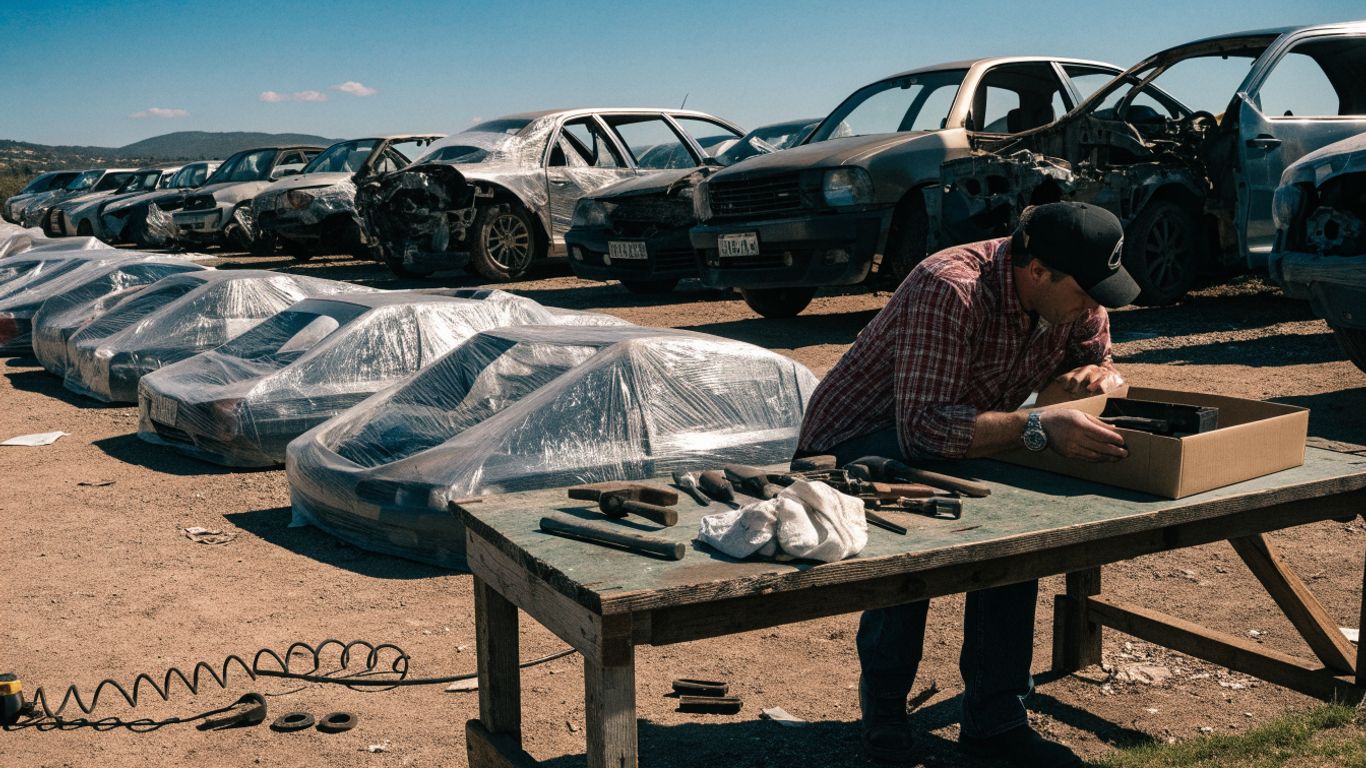
A good supplier should be willing to clarify what is included, where a part came from, and what happens if it is not suitable. Clear answers matter more than a polished listing, especially for components that are difficult to inspect once freight has been arranged. Compare the supplier’s written description with the actual photos and keep the quote and terms together. For broader comparison, recycled auto parts can be explored as one source of general information about used-part sourcing and delivery.
What to look for in a wrecker or parts dealer
Look for a supplier that can identify the donor vehicle, describe the component’s condition, and explain its warranty and return process in plain language. Ask whether the quoted price includes associated hardware, and whether the item shown is the exact one being sold. Written confirmation is useful if you later need to resolve a mismatch. Specific details beat assumptions: a concise, accurate listing is more helpful than a broad promise that a part should fit.
Questions to ask about donor vehicles and sourcing
The donor’s details can help establish whether a component is a reasonable match, but they do not guarantee its condition. Ask for the donor’s model year and variant where available, along with any relevant history the supplier can confirm. You can also ask if the component was removed before or after damage occurred and whether the supplier noticed faults during dismantling. Clear sourcing details give you useful context for deciding whether to continue.
How to confirm a part is in stock
Stock can change quickly, so ask the supplier to confirm that the item is physically available before arranging collection or freight. Give a precise description and request a current photo or written confirmation of the part number. If the item is held at another location, confirm how long transfer or dispatch may take. Keep the quote and any agreed hold period in writing so you know what has actually been reserved.
Check compatibility before you buy
Fitment is not something to guess from a photograph or a short listing title. Details such as year, variant, connector type, dimensions, and part number can determine whether a component works with a particular vehicle. Provide enough information for the supplier to check the application, then confirm the result with the repairer if the item is safety-critical or electronically integrated. The vehicle identification number is often useful when a supplier needs to narrow down vehicle details; the linked guide concerns IT company selection, so use it only as a general example of checking requirements carefully.
Match the model year, variant, and vehicle identification number
Share the vehicle identification number (VIN), model year, and variant when requesting a part, while avoiding assumptions based on registration details alone. A VIN can help a supplier or repairer identify the vehicle configuration, but they should still confirm the part itself. If the vehicle has been modified or repaired previously, mention that too, as changes can affect what is fitted. Before payment, ask the seller to confirm in writing that the quoted item is intended for the details you supplied.
Compare part numbers and component specifications
When possible, compare the part number on the original component with the number provided for the used replacement. A matching number is a useful clue, though a repairer or supplier should confirm whether superseded numbers or variants apply. Dimensions, mounting points, connectors, and included attachments may matter just as much as the label. A small comparison table can help keep the checks straight when you are weighing more than one option.
| Check | What to compare | Why it matters |
|---|---|---|
| Part number | Original and replacement markings | Helps identify a potential match |
| Mounting | Points, brackets, and dimensions | Reveals physical fit differences |
| Connections | Plugs, terminals, and cable layout | Helps flag electrical variations |
| Included items | Clips, covers, or attached hardware | Clarifies what else may be needed |
Use the table as a prompt for questions, not as a substitute for a fitment confirmation. A supplier or qualified repairer can resolve differences that are not obvious from a listing. If anything remains uncertain, pause the purchase until the application is clear.
Take extra care with EV-specific and high-voltage parts
High-voltage components require particular caution because incorrect handling or installation can create serious safety risks. Do not attempt to remove, test, or install them without the appropriate qualifications and procedures. Ask the supplier what checks were completed and have a qualified EV repairer assess whether the component is appropriate for the vehicle. A sales description cannot establish that a high-voltage item is safe or suitable.
Assess the condition of a used component
A used part can be the right match on paper and still be unsuitable because of wear, impact damage, corrosion, or an incomplete set of fittings. Request current images and ask the supplier to describe defects plainly, including anything not obvious in the listing. If you can inspect the item locally, check the relevant faces, mounts, and connectors before taking it away. Keep a record of the item’s stated condition so it can be compared with what arrives.
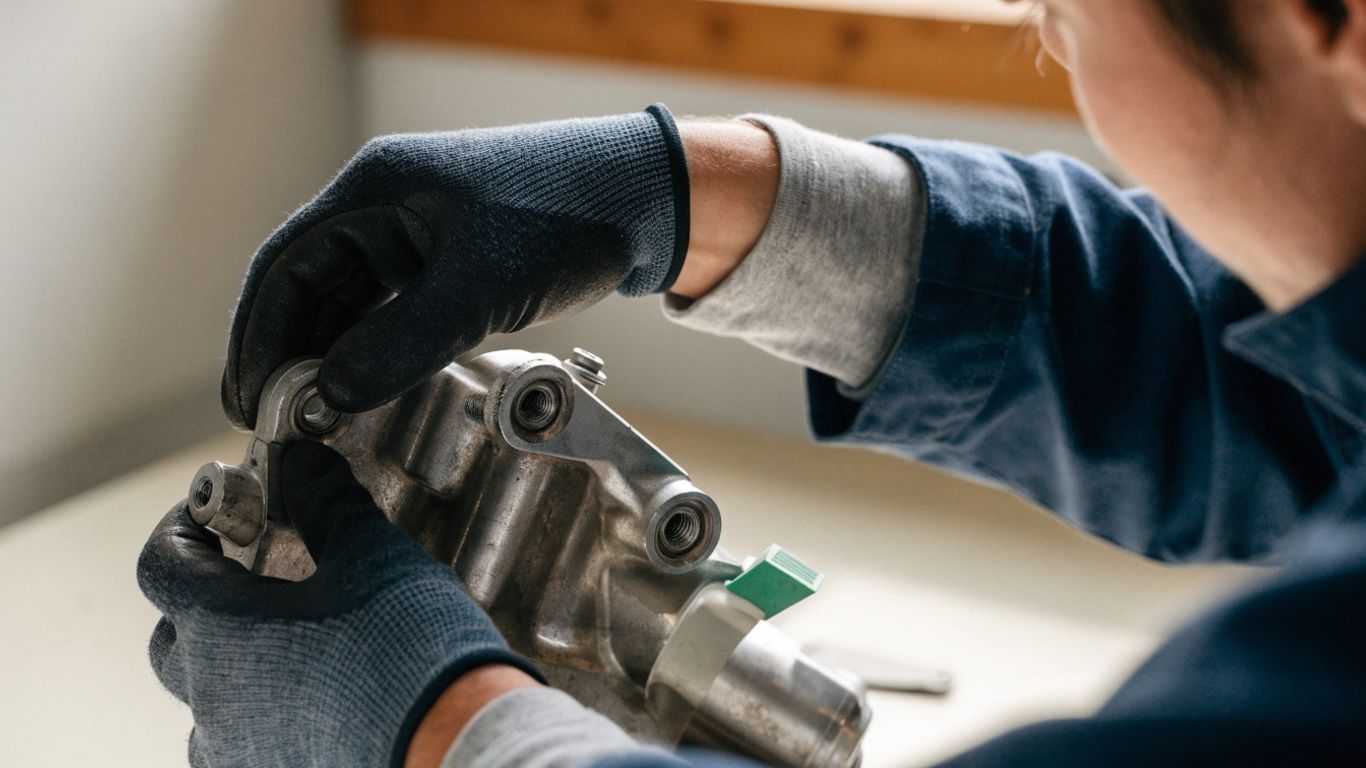
Review photos and inspect the part in person
Photos should show the entire component as well as close views of areas that commonly affect fit, such as mounting points and connectors. Ask for a fresh image if the listing photograph is unclear or appears to show a different item. An in-person inspection is helpful for visible parts, but some faults may not be apparent without testing. Before travelling, confirm the part is still available and agree on what you will be allowed to inspect.
Check for wear, damage, or signs of previous repairs
Look for cracks, bent mounts, missing tabs, corrosion, fluid staining, and uneven wear where relevant to the component. Signs of previous repair are not automatically disqualifying, but they should be disclosed and considered by the person fitting the part. On interior pieces, check clips, seams, and surfaces; on body components, inspect edges and attachment points. Ask whether any damage is included in the price or changes the supplier’s return terms.
Ask how the part was tested and removed
Testing standards vary by part, so ask exactly what was checked rather than relying on a general statement that an item is working. A supplier may be able to explain the removal process, any inspection performed, and what cannot be tested while the component is off the vehicle. This is also a useful point to raise installation requirements with your repairer. The more clearly testing limits are described, the easier it is to make a realistic decision.
Compare prices, warranties, and return terms
The cheapest listing may not be the least expensive option once freight, fitting, and the possibility of a return are considered. Ask for the total price and compare it with a new replacement or another suitable option, while keeping condition and warranty coverage in view. A written quote makes it easier to compare like with like. When assessing payment options for a repair business, contractor payment platforms are a separate topic; the useful general principle here is to review fees and terms before committing.
Weigh used-part costs against new replacements
Compare the used part’s price with the cost of a new replacement, including any additional hardware, delivery, or diagnostic work that may be required. A lower upfront price can still make sense, but only if the component’s condition and the consequences of a failure are acceptable. Get the repairer’s view where labour is significant, because a part that needs to be installed twice can erase an apparent saving. Ask for an itemised quote if the total includes several components or services.
Confirm warranty coverage and exclusions
Ask how long the warranty lasts, what it covers, and whether coverage depends on professional installation. Check whether labour, freight, or diagnostic costs are excluded if the part proves faulty. Also confirm what proof the supplier requires, such as an invoice or installation record. A warranty is only useful when its limits are clear before payment.
Understand return conditions before payment
Return rules may distinguish between an incorrect fitment, a faulty part, and a change of mind. Confirm the allowed time frame, whether the item must remain uninstalled, and who pays for return freight. If the part is ordered in especially or moved from another location, ask whether that affects return rights. Keep the answer in writing, especially if the supplier has made a specific assurance about fitment.
Arrange pickup, delivery, and installation
Once the part is confirmed, agree on how it will get to you and who will handle installation. Collection may be practical for small items in Adelaide, while freight can be necessary for larger or more delicate components. Either way, confirm the item’s identity, packaging, timing, and handover details before dispatch. Installation should be planned with the repairer rather than treated as an afterthought.
Choose between collection and freight
Collection lets you inspect the item before taking it away, but check the supplier’s opening hours, location, and loading arrangements first. For freight, confirm the carrier, estimated transit time, tracking availability, and the delivery address requirements. Ask whether the quote includes packaging and whether a bulky component needs special delivery arrangements. Keep a copy of the dispatch confirmation and any tracking details.
Check packaging and handling for fragile components
Fragile trim, lamps, glass, and electronic items can be damaged in transit if they are not secured properly. Ask how the component will be packed and whether vulnerable edges, connectors, or lenses will be protected. Photograph the package when it arrives and inspect it promptly, before discarding any packing material. If there is visible damage, contact the supplier and carrier quickly, following the agreed claims process.
Confirm installation requirements with a qualified repairer
Before ordering, tell the repairer what part you intend to use and ask whether any coding, calibration, or additional checks may be needed. That question is especially relevant to electronic and safety-related components. A guide to professional carpet installation describes a different kind of job, but it also illustrates why preparation and agreed quality checks matter before work begins. For vehicle repairs, rely on a suitably qualified automotive professional to confirm the actual requirements.
Conclusion
A successful used-parts purchase starts with clear vehicle details and ends with a part whose condition, terms, and installation needs are understood. Confirm fitment before paying, ask direct questions about testing and returns, and involve a qualified repairer wherever safety or complex electronics are involved. If you are arranging a longer stay while a vehicle is being repaired, Mera homes offers information about student housing and furnished accommodation in Turku, a separate planning matter that may be useful to some readers.
Frequently Asked Questions
How do I find used parts for a specific vehicle?
Start with the exact model year, variant, and VIN, then contact suppliers with a precise description of the component. Ask them to confirm the fitment and current stock before arranging payment or transport.
Is a used part always cheaper than a new one?
Not necessarily. Compare the part price alongside freight, fitting, condition, warranty, and any extra work required, then consider the total cost rather than the listing price alone.
What should I ask a used-parts supplier?
Ask about donor vehicle details, part numbers, visible damage, testing, included fittings, warranty coverage, and return conditions. Request clear photos and written confirmation of the important points.
Can I rely on a listing that says a part fits?
Treat a listing as a starting point. Have the supplier verify fitment against your vehicle details, and ask a repairer to confirm uncertain or safety-critical applications before you buy.
What should I check when inspecting a used component?
Look for cracks, bent mounts, corrosion, missing clips, damaged connectors, and signs of previous repairs. Compare the actual item with the supplier’s photos and description.
Are EV high-voltage parts suitable for DIY installation?
High-voltage components can present serious safety risks. Their handling, testing, and installation should be assessed by a suitably qualified professional using the appropriate procedures.
What should I do if a delivered part arrives damaged?
Photograph the packaging and the component, keep the packing materials, and contact the supplier promptly. Follow the stated claims process and retain the purchase and delivery records.