
Key Takeaways
Finding the right part starts with precise vehicle details, then a careful check of compatibility, cost and support. A little paperwork before ordering can prevent a much longer delay later.
- Match the part to the vehicle’s model year, trim and drivetrain.
- Use the VIN and part number to narrow the search.
- Compare genuine, aftermarket and recycled options on fitment and support.
- Confirm stock, delivery timing, returns and the full installed cost.
- Keep part records and use qualified help where the job calls for it.
Identify the exact part and vehicle variant
Before searching for Seal 06 parts Melbourne, pin down which vehicle and component you mean. Model names can be similar, and listings may not spell out every version or fitment detail. Start with the vehicle’s records and the old part, if available, rather than relying on a broad search term. A few minutes of identification can save the cost and delay of ordering the wrong item.
Check the model year, trim and drivetrain
A part that suits one model year may not suit another, and trim or drivetrain differences can matter too. Check the registration papers, owner documents or vehicle information displayed on the car, then compare those details with the supplier’s listing. If a listing says only “Seal 06,” ask whether that description covers your particular year and configuration. Exact vehicle details give a supplier a much stronger basis for checking fitment than a model name alone.
Find the VIN and part number
The VIN is useful when a parts specialist needs to distinguish a vehicle from similar variants. If you have the old component, look for a readable part number and share a clear photo of its label, connectors and mounting points. Keep the information together so it is easy to pass along when requesting quotes:
- Record the full VIN accurately.
- Note the model year, trim and drivetrain from the vehicle documents.
- Photograph the part from several angles, including any label or number.
- Describe the symptoms or reason for replacement, without guessing at the diagnosis.
These details help narrow the search, but a supplier should still confirm compatibility before you pay. If the old part is damaged or its number is unreadable, say so rather than treating a visual resemblance as proof.
Confirm whether the vehicle is a BYD Seal 06 or a related model
Check the exact model name on the vehicle documents and compare it with the part listing. Similar names, market-specific labels or body styles can lead to mistaken assumptions, so ask the supplier to confirm the vehicle application using the VIN. A review of the BYD Seal 6 can help readers recognise that closely related model naming exists, but a review is not a parts catalogue. Use it as background only; fitment should come from a supplier’s written confirmation.
Choose between genuine, aftermarket and used parts
The right choice depends on the component, the vehicle and the level of support you want with the purchase. Genuine, aftermarket and used parts each call for different checks, so price alone is a poor way to compare them. Ask what the item is, how its fitment was established, and what happens if it proves unsuitable. A TOP BYD accessories listing, for example, can show how model-specific catalogues are organised, but it should not be treated as evidence that a particular item fits your vehicle.
When genuine BYD parts are the best fit
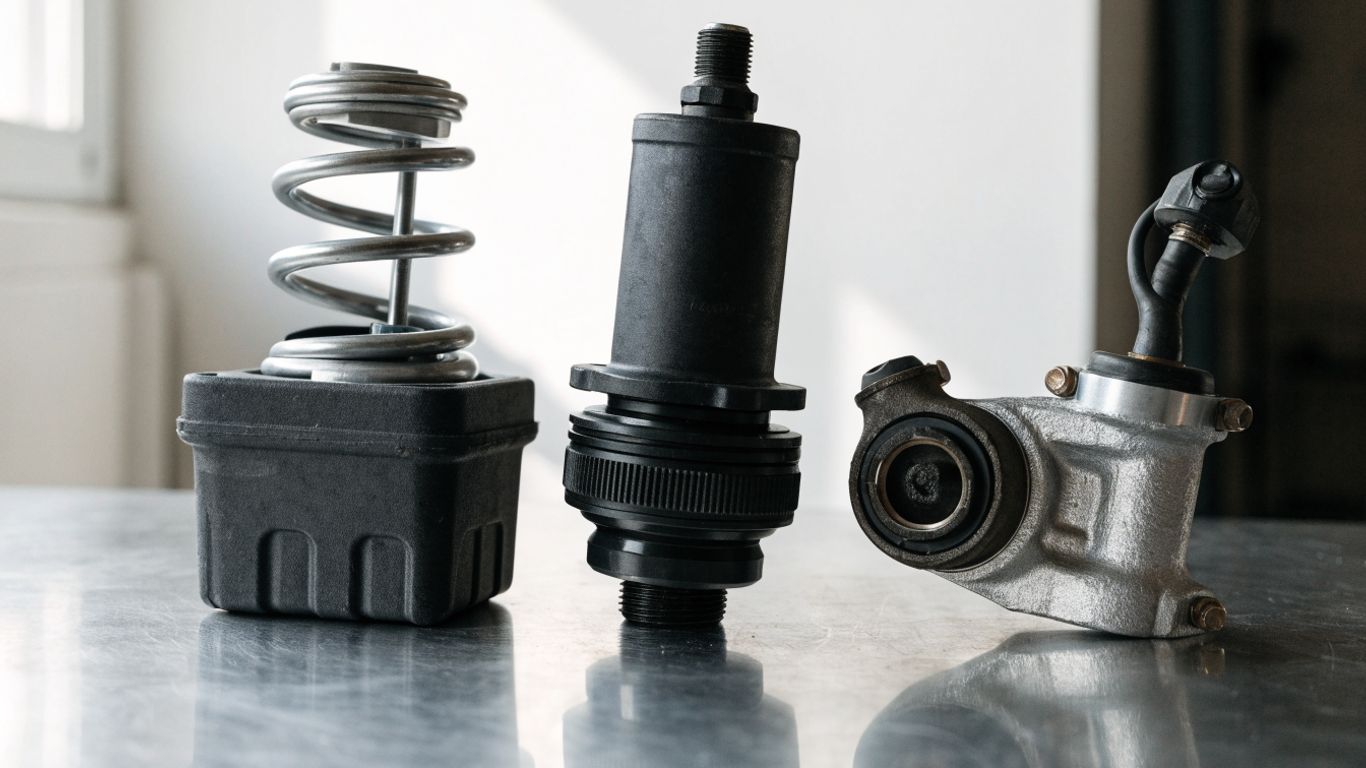
Genuine parts may be worth considering when you need a direct replacement and want the supplier to identify the item against the vehicle details. Confirm that the quote names the specific part and application rather than assuming that a genuine label settles compatibility. Ask whether the item is available, how long supply is expected to take, and what warranty or return terms apply. Those answers help you compare the purchase on more than the box it arrives in.
What to check with aftermarket components
Aftermarket parts vary by maker and specification, so request the manufacturer, part number and fitment information before ordering. Ask whether the item is new, what warranty applies, and whether any installation notes or exclusions come with it. If an online catalogue lists several similar options, send the supplier the VIN and ask them to identify the correct one. A low price is less useful if the component cannot be returned after fitment or does not suit the vehicle.
Assessing used and recycled parts
A used component can be a practical option, but its condition and history need to be clear. Ask for photographs of the actual item, not just a catalogue image, and find out what testing or inspection has been done. Check whether the seller can identify the donor vehicle and whether the item includes the brackets, wiring or other pieces you need. Agree on return conditions before payment, especially when the part is being shipped from outside Melbourne.
Find parts suppliers in Melbourne
A local search gives you options for asking questions, comparing availability and arranging pickup, but location alone does not establish fitment or reliability. Start with suppliers who can explain how they identify parts and who will put key details in writing. You can also ask whether an item is physically in Melbourne or must be brought in from elsewhere. For official vehicle enquiries, BYD Australia provides customer-care contact information; check directly whether your question belongs with that team.
Contact authorised BYD service centres
An authorised service centre may be able to advise on the process for identifying a part or direct you to the appropriate contact. Explain the component you need and provide the VIN, model year and any visible part number. Ask whether the centre sells parts directly, needs to inspect the vehicle, or can only provide a referral. The BYD Melbourne City website covers vehicle inventory and test-drive enquiries, so confirm directly whether it handles parts enquiries before relying on it for stock information.
Compare independent parts specialists
Independent specialists can be useful when you want to compare genuine, aftermarket and used options in one conversation. Ask how they verify fitment, whether their quote is for the exact item, and what support is available if it does not match. The same care in checking a provider’s stated services is useful when researching other local businesses, such as Home Team Luxury Rentals, whose listed work concerns rental management rather than vehicle parts. Keep your comparison focused on the supplier’s actual automotive offer.
Check wreckers and online marketplaces
Wreckers and marketplaces may list parts that are no longer readily available new, but listings can leave important details unanswered. Ask for the donor vehicle details, condition, photographs and a written return policy before arranging payment. Be especially cautious when the seller cannot verify a part number or will not confirm the application. A detailed listing is a starting point, not a substitute for matching the component to your own vehicle.
Verify fitment and supplier reliability
Before committing, make sure the supplier has understood the vehicle and the part you need. Written details make it easier to resolve a mismatch than a brief phone conversation remembered differently by each person. Check the seller’s terms and the practical logistics as well as the item itself. A clear record is useful whether the part is new, aftermarket or recycled.
Ask for written compatibility confirmation
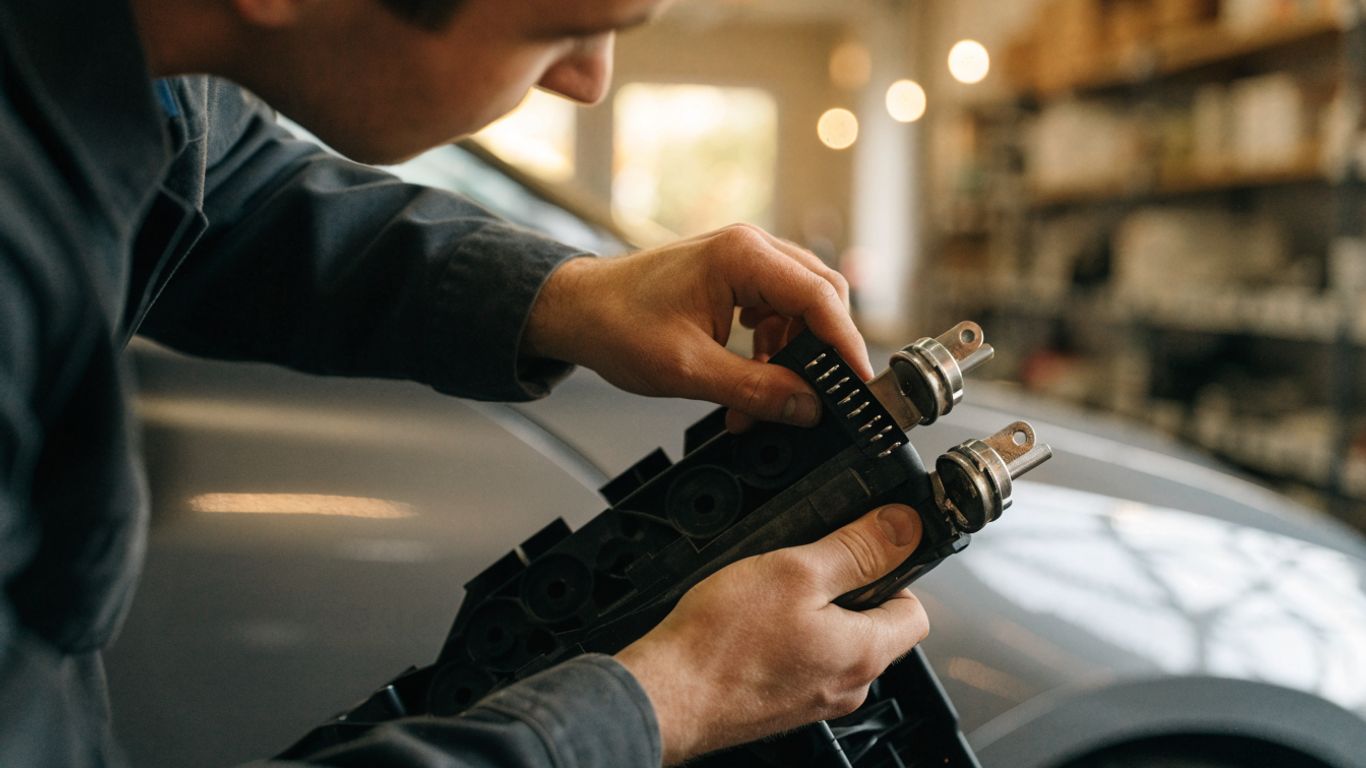
Send the supplier the VIN, model year, trim, drivetrain and part number or photos, then ask them to confirm the exact application in writing. Keep the response with the quote and make sure it refers to the same part number you intend to buy. If the answer is vague, ask a follow-up rather than inferring compatibility from a similar image. When researching vehicle histories, a separate topic covered by a guide to blockchain vehicle histories, remember that a history record is not itself a fitment confirmation.
Review warranties, returns and restocking fees
Read the terms before paying, paying particular attention to the conditions for returning an incorrectly supplied or unsuitable part. Ask whether the warranty differs for new and used items, when it begins, and whether installation by a workshop affects coverage. Check for restocking fees and whether freight is refundable. A seller’s return policy matters most when an item has been ordered to match a specific vehicle, so do not leave the details until a problem arises.
Check stock location and delivery estimates
Ask whether the part is on the shelf in Melbourne, held at another branch or coming from an interstate supplier. Request an estimated dispatch or collection date and clarify whether that estimate depends on a transfer or supplier confirmation. If the vehicle is off the road, tell the supplier and ask what timing they can actually commit to. A video about locating and checking automotive parts can be a useful visual primer, but it cannot replace a supplier’s stock confirmation.
Compare total costs before ordering
The cheapest listed price may not be the lowest final cost once delivery, fitting and return risks are included. Get comparable quotes for the same part number and condition, and check whether each quote includes tax and freight. A simple breakdown makes gaps easier to spot before you agree to buy. This is especially useful when one option is local and another must travel from interstate.
Request an itemised quote
Ask each supplier to separate the part price from delivery and any other charges. Include the part number, condition, warranty and quote validity period so you are comparing like with like. For a clearer comparison, a quote can be set out in a compact table:
| Quote detail | Local supplier | Interstate supplier | Recycled part seller |
|---|---|---|---|
| Part number and condition | Confirm in writing | Confirm in writing | Confirm for the actual item |
| Part price | Record quoted amount | Record quoted amount | Record quoted amount |
| Delivery or pickup | Ask about collection | Request freight estimate | Confirm shipping and handling |
| Warranty and returns | Check written terms | Check written terms | Check condition-specific terms |
Use the same questions for every seller and fill in the actual figures rather than comparing headline prices. This makes it easier to see whether a lower quote is offset by freight, limited return rights or a shorter warranty.
Include shipping, GST and fitting costs
Check whether GST is included in the quoted amount and ask for delivery charges to be shown separately. If a workshop will fit the item, request an estimate for labour and ask whether diagnosis or additional materials may be charged separately. Keep any possible return freight in mind as well. Your total comparison should reflect the cost of getting the correct part installed, not just the price shown in a listing.
Weigh local pickup against interstate delivery
Local pickup may save freight or make it easier to inspect an item, while interstate delivery could provide access to stock that is not nearby. Compare the confirmed collection or arrival date, not just the distance. If the supplier needs to transfer the part first, ask when it will be ready. The decision is about overall cost and certainty, not a blanket rule that local is always better.
Plan installation and after-sales support
Ordering the correct part is only one step; consider how it will be installed and what records you will need afterward. Some straightforward replacements may be manageable for an experienced owner, while other jobs call for workshop equipment or specialised knowledge. Ask the supplier what installation assumptions are built into its advice. If you are unsure, discuss the job with a qualified repairer before buying.
Decide whether professional fitting is needed
Ask a workshop to assess the job if access, calibration or diagnosis may be involved. Before ordering, confirm that the repairer is willing to fit a customer-supplied part and ask whether that affects labour terms or warranty support. Share the part number and supplier’s compatibility confirmation with the workshop. Agreeing on the plan first can help avoid paying for a component that the repairer cannot use.
Check requirements for EV and high-voltage components
Treat any work involving high-voltage systems as a job for appropriately trained professionals. Do not disconnect, probe or handle high-voltage components based on a general parts guide. Ask the repairer whether the component requires a specialised procedure, and follow the vehicle manufacturer’s service information. If you are uncertain whether a part is connected to a high-voltage system, pause and get qualified advice before attempting installation.
Keep invoices and part details for future servicing
Save the invoice, part number, supplier details, warranty terms and any fitment confirmation with the vehicle’s service records. Note the installation date and workshop, and keep relevant diagnostic or repair paperwork. A separate guide to Evel Knievel Experience describes a restoration story, but the practical lesson here is simpler: clear records help explain what has been changed and when. Similarly, research into a DeepSeek prompt guide or Quonset huts belongs to other subjects; for this purchase, retain the paperwork that directly identifies the vehicle part.
Conclusion
Sourcing the right part in Melbourne is mainly a matter of careful identification and clear questions. Confirm the vehicle details, compare like-for-like options, and get fitment, price, timing and return terms in writing before ordering. With those checks done, you can choose the part and installation plan with fewer surprises.
Frequently Asked Questions
What information should I have before searching for a part?
Gather the VIN, model year, trim, drivetrain and any part number from the old component. Photos can also help a supplier check shape, connectors and mounting points.
Is a model name enough to confirm that a part will fit?
Usually, a model name alone leaves too much room for variation. Ask the supplier to check the exact vehicle details and confirm the application in writing.
Are aftermarket parts always cheaper?
Prices vary by component and supplier. Compare the full quote, including delivery, fitting, warranty and return conditions, rather than relying on the listing price alone.
What should I ask when buying a used part?
Request photos of the actual item, its condition, donor vehicle details where available, and written information about testing, warranty and returns.
Can I return a part that does not fit?
That depends on the seller’s terms and the reason for the mismatch. Check the return window, restocking fees and freight responsibilities before paying.
How can I compare local and interstate suppliers?
Compare the same part and condition, then check the total price, confirmed stock location, expected delivery or pickup date, warranty and return terms.
Should an EV component be fitted by a professional?
For work involving high-voltage systems or procedures you are not qualified to perform, use an appropriately trained professional. Ask a repairer about installation requirements before ordering.