
Key Takeaways
Finding a part or arranging a vehicle pickup is easier when the details are clear from the start. A little preparation can help you compare options without assuming every wrecker offers the same services or terms.
- Record the vehicle’s year, variant, and any part number before asking about a component.
- Describe the vehicle’s condition and location accurately when requesting a quote.
- Ask what a purchase offer or removal service includes, and get the terms in writing.
- Confirm pickup access, documents, payment arrangements, and handover details in advance.
- Ask how reusable parts, recyclable materials, fluids, and hazardous components are handled.
What Song Pro wreckers in Sydney can help with
The phrase Song Pro wreckers Sydney may lead you to look for either a replacement component or help dealing with a vehicle you no longer need. Those are different requests, so clarify what you want before contacting a business. Song Pro is described as an Australian car-parts supplier connecting customers with quality used, genuine, and aftermarket parts. The specific services available from any wrecker should still be confirmed directly.
Used parts and vehicle components
A used component may be worth considering when a new replacement is costly or difficult to source, but fit matters as much as price. Song Pro’s documented role is connecting customers with quality used, genuine, and aftermarket parts; for a particular Song Pro part, ask what is available and verify compatibility before arranging a purchase. An assembly that looks right may still differ by model year, trim, or specification.
Vehicle assessments and purchase offers
If you want to sell a damaged or unwanted vehicle, ask what information the business needs to assess it and how its offer is calculated. A figure may depend on the vehicle’s condition, completeness, location, and the arrangements for collection. Treat an initial estimate as provisional until the buyer has confirmed the vehicle details and stated any conditions that could change the offer.
Removal and recycling services
Removal is a separate service to confirm, not something to assume is included with a parts enquiry or purchase offer. Ask whether the business can collect from your address, what access is needed, and whether collection affects the quoted amount. If you need a vehicle removed, get the service details and handover steps confirmed before setting a pickup date.
How to find the right Song Pro part
A careful parts enquiry starts with the vehicle, not just the name of the component. Song Pro connects customers with quality used, genuine, and aftermarket parts, but the exact item and its fitment need to be checked for your vehicle. A focused request can help narrow the search and reduce the chance of ordering a part that looks similar but does not match.
Identify your vehicle’s year and variant
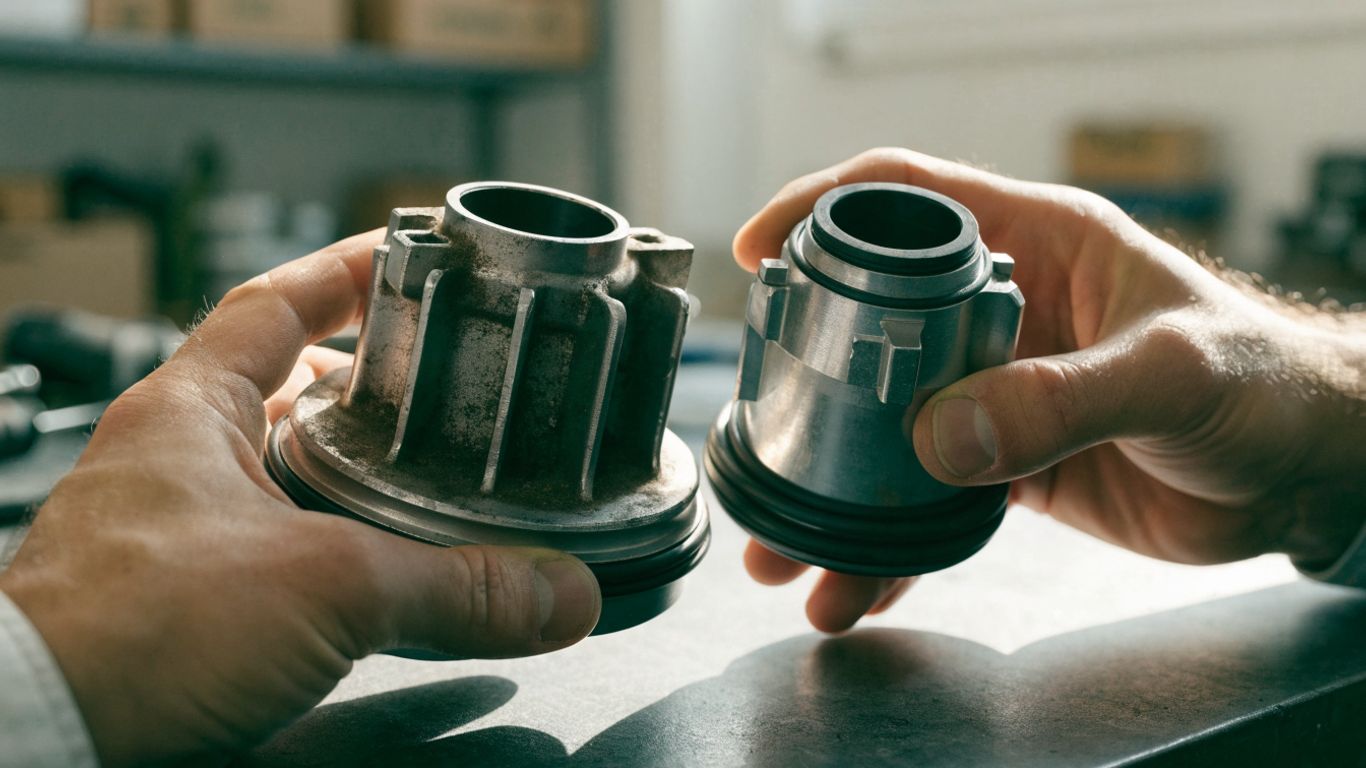
Write down the make, model, year, and variant, along with the body style and any relevant engine or transmission details you know. Registration or vehicle identification details can help identify a specification, though you should share them only through an appropriate channel. If the vehicle has been modified or has an unusual trim, mention that too, since those details can affect what fits.
Check part numbers and compatibility
When available, compare the number on the original part with the number supplied for the replacement. Ask the seller to confirm compatibility against your vehicle details rather than relying on appearance alone. The LDV parts listing is one example of a parts page organized around a vehicle marque; the same general habit of checking model fitment is useful when searching for any vehicle component.
Ask about condition, testing, and warranty
Before agreeing to buy, ask whether the part is used, genuine, or aftermarket, and what its condition description means in practice. Find out whether it has been tested, what evidence of testing is available, and whether any warranty or return terms apply. Song Pro is described as connecting customers with quality parts across these categories; check the particulars of the item you are considering rather than treating a general description as a guarantee for every part.
How to request a quote for your vehicle
A useful quote begins with a clear account of the vehicle and what you want done with it. If you are asking about a sale, an assessment, or collection, state which one so the response addresses the right service. Include enough information for the business to understand the vehicle without making assumptions about its condition or value.
Prepare the vehicle details and photos
Gather the make, model, year, variant, odometer reading if known, and a brief description of the vehicle’s history or damage. Clear photographs can help show the exterior, interior, odometer, and any obvious damage; ask what views the recipient needs before sending a large set. Avoid editing images in a way that could obscure the vehicle’s condition.
Share its condition and location
Be candid about whether the vehicle starts, moves, or has missing components, and mention any known damage or access constraints. Give the suburb or pickup address as requested, and explain whether the vehicle is in a garage, on a narrow driveway, or otherwise difficult to reach. These details help the business decide what it can assess and what collection arrangements may be practical.
Compare offers and clarify inclusions
Offers are easier to compare when you know what each one covers. Before accepting, check whether the amount is conditional on inspection, whether collection is included, and what could change the figure. A simple comparison keeps the details visible:
| Quote detail | What to confirm | Why it matters |
|---|---|---|
| Vehicle assessment | Whether the offer is provisional or final | The amount may depend on inspection |
| Collection | Whether pickup is included and from where | A separate fee or access condition may apply |
| Payment | Method and timing | You know what to expect at handover |
| Handover | Documents and vehicle items required | Both sides can prepare in advance |
Once you have the answers, compare like with like rather than choosing on the headline amount alone. Song Pro is described as connecting customers with quality parts, but a vehicle purchase or removal quote should be assessed on its own stated terms. Keep the written details so you can refer back to what was agreed.
What to expect during vehicle removal
Vehicle removal usually goes more smoothly when timing, access, and handover are settled before the carrier arrives. Ask the business to explain its process, since arrangements can vary by vehicle and location. Keep communications together, and confirm any changes rather than relying on an informal assumption.
Arrange a pickup time and access
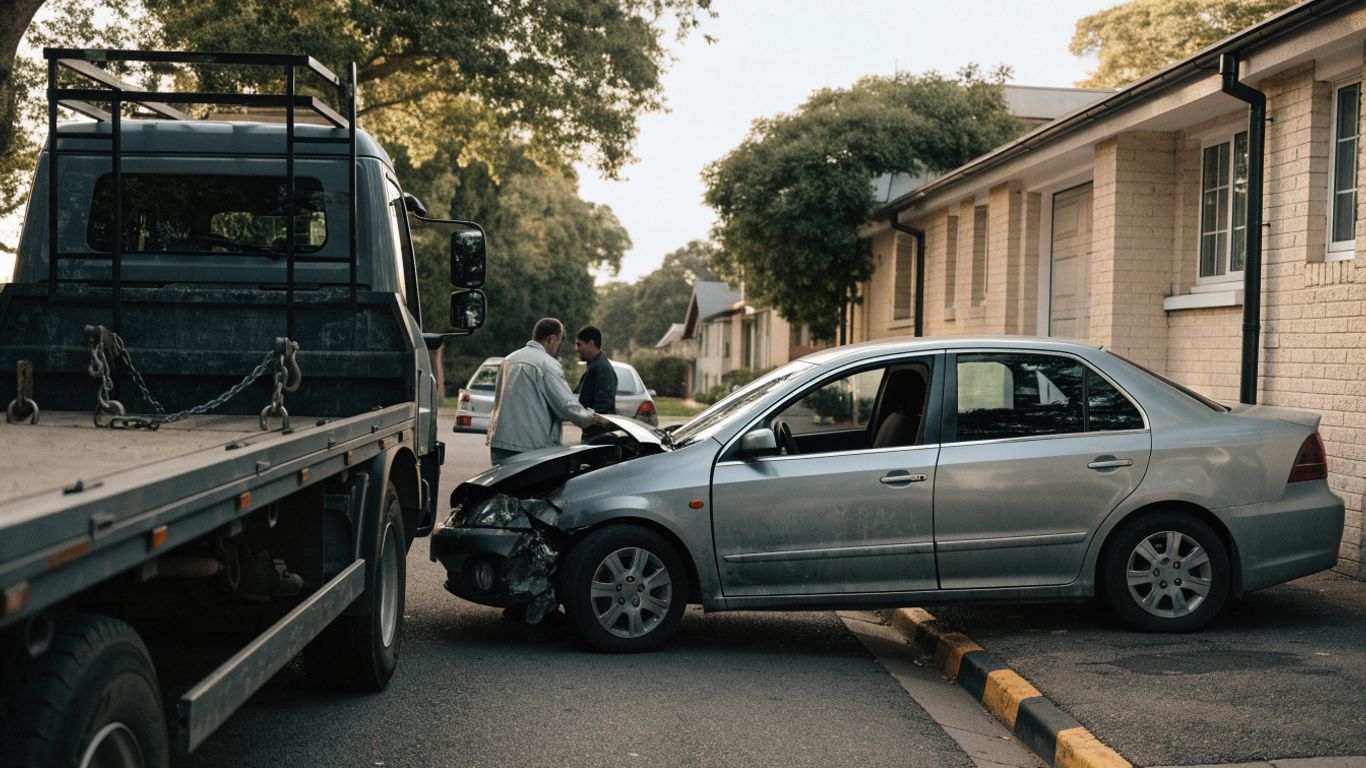
Agree on a pickup window and explain how the vehicle can be reached. If the car is in a secured building, shared driveway, or restricted parking area, arrange permission or access in advance. Tell the business if the vehicle cannot roll or steer, as that may affect the equipment and time needed for loading.
Gather ownership and identification documents
Ask in advance which documents and identification the business needs for the handover, and check any local requirements that apply to your situation. Keep the paperwork accessible, and resolve questions about who is authorized to release the vehicle before pickup. A little preparation can prevent delays when the collection vehicle arrives.
Confirm payment and handover details
Before the pickup, confirm how payment will be made, when it is due, and whether it depends on an inspection. It can help to use a short preparation sequence so that nothing important is left until the last moment:
- Remove personal belongings and check storage compartments.
- Confirm the agreed price and any conditions that could affect it.
- Have requested documents and identification ready.
- Make sure the driver can reach the vehicle and contact you.
Use the agreed terms as your reference during handover, and ask before signing anything you do not understand. Take note of the vehicle’s condition and the time it leaves your possession, especially if the business has requested a final inspection.
How to choose a wrecker in Sydney
A suitable wrecker is one whose experience, service area, and terms match your situation. Ask specific questions and compare the answers, rather than assuming that every business handles the same makes, parts, or pickup locations. Written details are useful because they make it easier to compare offers and spot conditions that need clarification.
Check experience with your vehicle
Ask whether the business regularly handles your make and model, and whether it can identify the part or vehicle details you provide. If your vehicle is uncommon or modified, explain that early and ask what additional information would help. For broader reading, audio repair estimates illustrate the general value of asking what an estimate covers before agreeing to a service, though vehicle assessments involve their own questions.
Compare service coverage and response times
Confirm whether the business serves your suburb and ask when it can respond or arrange collection. If timing matters, explain your preferred window and ask what is realistic rather than relying on a rough estimate. Check whether a parts enquiry and a vehicle-removal enquiry are handled as separate requests.
Look for clear pricing and written terms
Before accepting an offer, ask for the amount, inclusions, and conditions in writing. The same careful reading is useful in very different decisions too: Bundoora Family Dental Clinic sets out booking and payment terms, while Sharjah Waterfront City covers purchase considerations such as payment plans and handover. Those are not vehicle services, but they illustrate why written terms deserve a close read.
For a vehicle sale, keep the comparison focused on the actual offer and the documents you are being asked to accept. Other guides also show how terms can affect a decision, including BU insurance, Dubai property valuation, and choosing a Florida pain relief clinic. These are different subjects, but the practical habit is the same: understand the basis of a recommendation, offer, or agreement before committing.
What happens to a wrecked vehicle
A vehicle at the end of its road may still contain useful components and recoverable materials. What happens next depends on its condition, the parts that can be reused, and the processes available to the business handling it. Ask how the vehicle will be managed if responsible dismantling or recycling is important to you.
Reusable parts are recovered
Components in usable condition may be identified and removed for possible resale or reuse. Their suitability depends on factors such as wear, damage, and compatibility with another vehicle. A buyer should be able to explain the stated condition of a part, while the person selling a vehicle can ask what assessment is involved.
Recyclable materials are processed
After reusable components are considered, materials such as metal may be separated for further processing, depending on the vehicle and the facility’s methods. Ask the business what happens to the remaining vehicle body and whether it can describe its recycling arrangements. The details can vary, so a direct answer is more useful than assuming every vehicle follows an identical path.
Fluids and hazardous components are handled safely
Vehicles contain fluids and components that need appropriate handling during dismantling. Ask how these are managed and whether the business follows relevant local requirements. A clear answer helps you understand the process without needing to assume that every operator uses the same procedures.
Conclusion
Whether you need a replacement component or want to arrange vehicle removal, start with accurate details and confirm the practical terms in writing. Check compatibility for parts, compare quotes by what they include, and settle access, documents, payment, and handover before pickup. Those small checks make it easier to choose an option that suits your vehicle and circumstances.
Frequently Asked Questions
What details should I provide when asking for a car part?
Share the make, model, year, variant, and any available part number. Mention relevant engine or transmission details and ask the seller to confirm compatibility against the vehicle rather than relying on appearance.
How can I tell whether a used car part is suitable?
Ask about its condition, whether it has been tested, and what warranty or return terms apply. Confirm the part number or fitment details before buying.
What information helps when requesting a vehicle quote?
Provide the vehicle’s identifying details, condition, location, and clear photographs if requested. State whether you are seeking a purchase offer, assessment, collection, or a combination.
Can a vehicle removal quote change after inspection?
It may, depending on the business’s terms and whether the vehicle matches the information provided. Ask what conditions could change the offer and get the answer in writing before agreeing.
What should I confirm before a vehicle is collected?
Settle the pickup time, access arrangements, payment method, handover documents, and any conditions attached to the offer. Also explain if the vehicle cannot move under its own power.
Do I need documents to sell or hand over a vehicle?
Requirements depend on your location and circumstances. Ask the business which ownership and identification documents it needs, and check any local rules that apply before pickup.
What happens to a vehicle after it is wrecked?
Depending on its condition and the facility’s processes, usable parts may be recovered, recyclable materials separated, and fluids or hazardous components handled appropriately. Ask the business to describe its own process if you need specific details.