

Key Takeaways
Choosing replacement parts for an electric vehicle calls for more than comparing prices. Exact compatibility, traceable specifications, and competent installation all matter.
- Match every part to the exact model, year, trim, and market.
- Treat high-voltage, braking, and suspension components as safety-sensitive purchases.
- Compare warranties, return terms, service life, and installation costs—not just shelf price.
- Use VIN-based verification and clear technical descriptions whenever possible.
- A dependable supplier should be able to explain fitment, availability, and quality controls.
Why quality parts matter for BYD vehicles
A replacement part is part of a larger system, not an isolated object. The right component should fit as intended, work with surrounding systems, and remain dependable through ordinary use. That matters especially in an electric vehicle, where mechanical, electronic, thermal, and high-voltage systems operate closely together.
Your BYD deserves quality parts because a cheap mismatch can create extra labor, warning lights, noise, or repeat failure. Careful selection also makes future servicing easier, since the vehicle’s records remain clear and the next technician has useful information to work from.
Protecting safety-critical systems
Brakes, steering, suspension, restraints, tires, and lighting all deserve a conservative approach. A component that looks correct in a photograph may still have the wrong dimensions, material, connector, load rating, or calibration requirement.
Before buying a safety-related part, confirm its exact application and ask who will install it. Do not treat an unverified listing as proof of suitability. For a useful second check, detailed BYD Shark components coverage can illustrate why construction and fit matter beyond surface appearance.
Preserving performance and efficiency
Efficiency is influenced by many small conditions: correct alignment, low rolling resistance, proper sealing, smooth bearings, and accurate sensors. A replacement part does not need to be the most expensive option, but it should meet the required dimensions and specifications.
That is why documented compatibility matters more than a generic promise of “premium” quality. When a part fits properly, technicians can complete the job with fewer adjustments, and the vehicle is less likely to develop secondary problems caused by poor installation or incorrect tolerances.
Supporting battery and electric drivetrain health
The battery and electric drivetrain should be serviced according to the vehicle maker’s procedures and the technician’s training. Cooling components, connectors, sensors, charging hardware, and insulation-related parts can affect how the wider system operates, even when the original symptom seems minor.
Owners should avoid improvising around high-voltage systems. A qualified professional can identify whether a replacement is appropriate, isolate the system safely, and verify operation after installation. Generic parts language is not enough when electrical ratings, communication protocols, or thermal requirements are involved.
Avoiding premature wear and repeat repairs
A low-cost component can become expensive if it fails early or damages neighboring parts. The same is true when a supplier sends the wrong version and the vehicle sits in a workshop while a replacement is arranged.
The sensible question is not simply, “What is the cheapest part?” It is, “What choice gives this repair a reasonable chance of lasting?” That means checking the part number, packaging, manufacturing information, warranty, and installation requirements before placing an order.
Understanding OEM, genuine, and aftermarket BYD parts
The terms genuine, OEM, and aftermarket are often used loosely in online listings. They do not automatically describe identical levels of documentation, fitment support, or quality control. Read the wording carefully and ask the seller to define what is actually being supplied.
A part’s suitability depends on the application and evidence behind it. Some aftermarket components are sensible choices for routine maintenance, while others require the same level of scrutiny as an original component. The key is to compare specifications rather than relying on labels alone.
What genuine BYD parts offer
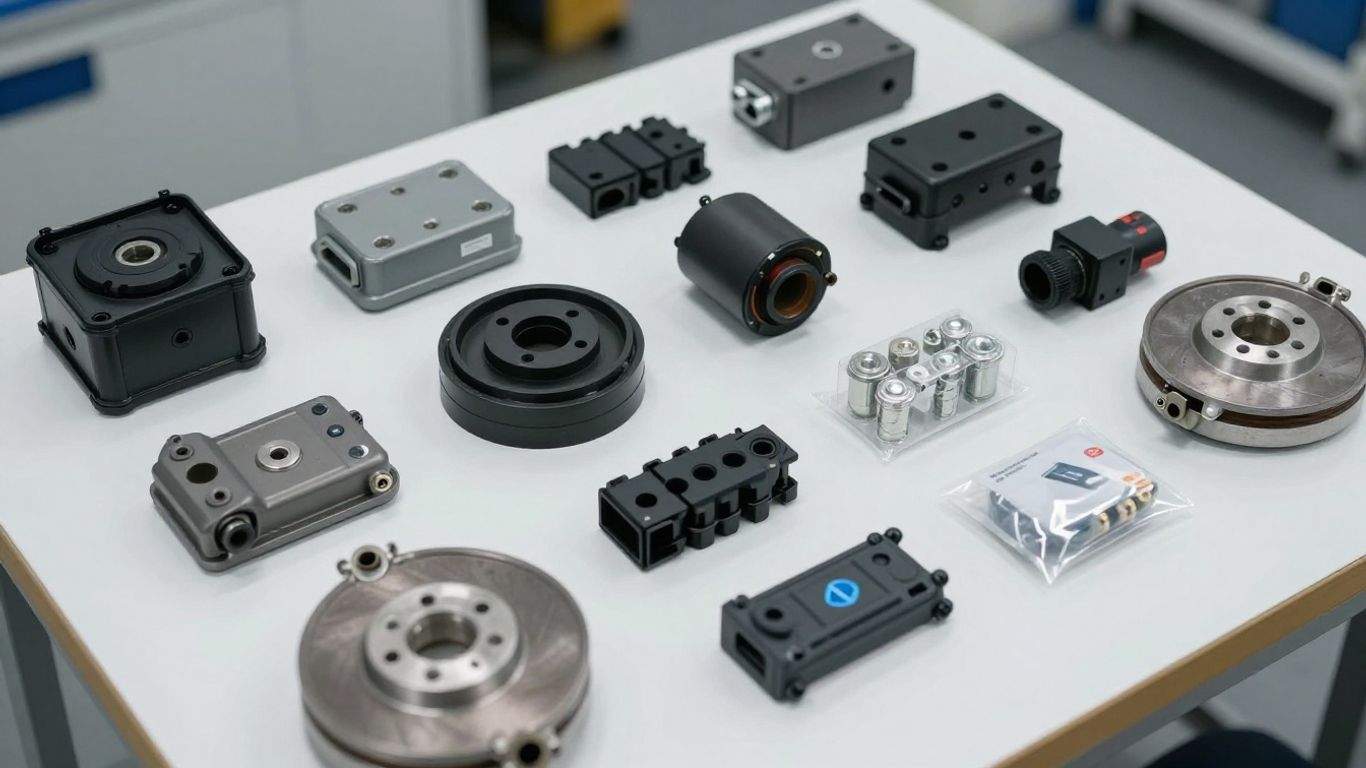
Genuine parts are sold as the vehicle manufacturer’s parts and are generally intended for the relevant vehicle systems. Their main practical advantage is a clearer relationship between the part number, the vehicle application, and the manufacturer’s service process.
Even then, check the exact market and model. A genuine item for one production year or region may not be the correct item for another. Ask for packaging details, part numbers, and a return process before assuming the listing is suitable.
How OEM parts differ from aftermarket alternatives
OEM usually refers to equipment made for the original vehicle supply chain, but sellers may use the term differently. An aftermarket part is produced outside the vehicle manufacturer’s branded parts channel and can range from carefully engineered to poorly documented.
Compare the evidence available for each option. A supplier offering genuine BYD spare parts may provide model coverage and sample availability, while another listing may provide only a photograph and a broad compatibility claim. Those are not equivalent levels of confidence.
When high-quality aftermarket parts make sense
Aftermarket parts can make sense when the component is common, the supplier provides precise fitment information, and the part has appropriate testing or certification for its use. Routine filters, wiper components, trim pieces, and some wear items may offer reasonable alternatives when the specifications are clear.
The decision should also reflect the part’s consequences if it fails. A cosmetic accessory and a braking component should not be evaluated with the same tolerance for uncertainty. If the seller cannot explain the application, move on rather than guessing.
Evaluating warranties, certifications, and specifications
A warranty is useful only when its coverage, duration, exclusions, and claim process are understandable. Certifications can also help, but they should identify the relevant standard or test rather than appearing as unexplained badges.
Use the following questions when comparing listings:
- Is the exact part number stated?
- Does the description identify model, year, trim, and market fitment?
- Are material, electrical, dimensional, or load specifications provided where relevant?
- Does the warranty explain who pays return shipping and labor?
These checks will not eliminate every risk, but they make vague claims easier to spot. They also give you a written record if the supplier later needs to resolve a fitment problem.
Choosing the right parts for your BYD model
Model names alone are rarely enough for accurate parts selection. Production changes, battery versions, regional equipment, trim differences, and mid-year updates can all affect compatibility. A careful order begins with the vehicle’s identifying information, not with a familiar-looking photograph.
If you are uncertain, pause the purchase and gather the original part number or ask a qualified technician to identify it. A few minutes spent confirming details can prevent a return, a missed appointment, or an unsafe installation.
Matching parts to the exact model and year
Start with the complete model designation and production year. If available, record the vehicle identification number, current part number, and any markings on the original component.
Do not assume two vehicles with the same model name share every part. A seller should be able to explain whether the listing covers a range of production dates or only a particular revision. When the answer is unclear, request confirmation in writing.
Checking trim levels and regional specifications
Trim levels can change brakes, wheels, sensors, lighting, interior fittings, and electronic equipment. Regional specifications may also affect connectors, charging hardware, emissions-related items, or legal equipment.
A broad catalog can be helpful, but only if it is paired with disciplined fitment checking. For example, BYD Seal accessories are presented as a curated set for that specific vehicle, which is a better starting point than treating every accessory as universal.
Confirming compatibility with electric systems
Electric systems require more than a visual match. Check voltage, current, connector design, communication requirements, insulation, sealing, thermal limits, and any required software or calibration procedure.
Only trained personnel should handle high-voltage work. For lower-voltage components, the same principle still applies: confirm the electrical specification and installation process before fitting the part. A component that plugs in is not automatically a component that communicates correctly.
Using VIN-based parts verification
VIN-based verification is one of the most useful safeguards when a supplier offers it. The VIN can help connect the order to the vehicle’s build information and narrow down possible revisions.
It is not a substitute for judgment. Keep the supplier’s confirmation, compare the delivered part with the order, and inspect the packaging before installation. If the number or physical details differ, resolve the discrepancy before the original part is discarded.
Finding a reliable BYD parts supplier
A reliable supplier does more than display a large catalog. It answers fitment questions, provides usable technical details, sets realistic delivery expectations, and explains what happens if the part is wrong or damaged. Those habits are often more revealing than polished product photography.
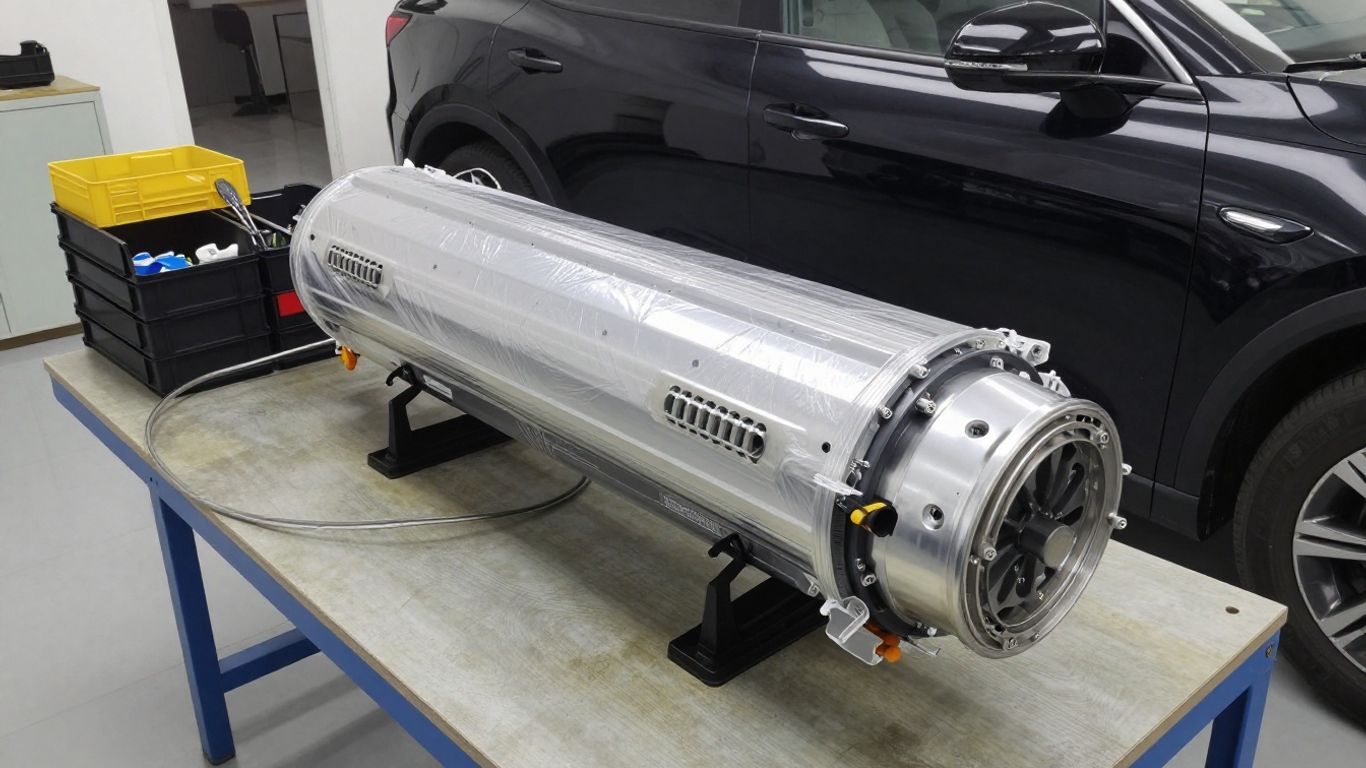
Look for a supplier that communicates consistently before the sale. The BYD auto parts supplier page, for instance, describes model coverage, shipping, warranty, and catalog support; those are the kinds of practical details buyers should seek when comparing sources.
Reviewing supplier experience and reputation
Check how long the supplier has handled the type of parts you need and whether its staff can discuss fitment without guessing. Reviews can help, but read them for recurring patterns: incorrect parts, damaged packaging, slow responses, or difficult warranty claims.
A supplier serving several markets may have useful logistics experience, yet international reach alone does not prove that a particular item is correct. Ask focused questions and judge the quality of the answers.
Checking product descriptions and technical details
A useful listing should state the part number, application, dimensions or ratings where relevant, included hardware, and known exclusions. Photographs should support the description, not replace it.
Be cautious with phrases such as “fits all models” unless the seller explains the scope. BYD USA information may provide broad context about the marque, but it does not replace vehicle-specific parts verification or a supplier’s written fitment confirmation.
Assessing availability and shipping conditions
Availability should include more than a green “in stock” label. Ask whether the item is physically held, made to order, or sourced after purchase. Confirm handling time, estimated transit, packaging, customs responsibility, and what happens if the shipment is delayed.
For workshop repairs, delivery timing can affect the total cost. A slightly cheaper item may be poor value if it keeps a vehicle off the road for another week. Agree on the practical deadline before ordering.
Identifying counterfeit or low-quality parts
Warning signs include missing part numbers, inconsistent logos, unusually thin packaging, unexplained price differences, copied photographs, and descriptions that avoid technical details. None of these proves counterfeiting alone, but several together justify caution.
Inspect the parcel on arrival and photograph labels, seals, and the part before installation. If the item does not match the order, keep all packaging and contact the supplier promptly. Clear records make disputes much easier to handle.
BYD components that require extra attention
Some components deserve a higher standard of evidence because their failure can affect safety, immobilize the vehicle, or cause expensive secondary damage. The right purchasing process varies by part category, so a single “best brand” rule is not very useful.
Think in terms of risk, technical complexity, and consequences. The more a component interacts with high voltage, braking force, structural loads, or vehicle communications, the less sensible it is to buy on appearance or price alone.
Battery, charging, and high-voltage components
Battery modules, charging components, high-voltage cables, contactors, insulation-related items, and cooling hardware should be handled through appropriate service procedures. Confirm the component’s electrical and thermal specifications and make sure the installer is qualified for the work.
Never open, modify, or bypass high-voltage equipment as a home experiment. The vehicle should be isolated and tested according to the relevant service process, with faults cleared only after the underlying issue has been addressed.
A video can help explain general concepts, but it cannot confirm the correct part for an individual vehicle. Use it as background, then rely on documented fitment and professional inspection.
Braking and suspension systems
Brake pads, discs, calipers, hoses, control arms, bushings, dampers, and fasteners influence stopping performance, handling, alignment, and tire wear. Confirm dimensions, axle position, material, and any required installation hardware.
After fitting, the system should be inspected and tested properly. A part that appears to fit in the workshop may still produce noise, uneven wear, or altered performance if the specification is wrong.
Filters, fluids, and thermal management parts
Filters and fluids are easy to underestimate because they are routine service items. Yet incorrect filtration, fluid chemistry, seals, or coolant specifications can affect lubrication, cleanliness, corrosion protection, and temperature control.
Use the vehicle’s service information to confirm the required type and quantity. Do not mix fluids simply because their color looks similar, and do not treat a universal label as proof of compatibility.
Body panels, lighting, and interior accessories
Exterior and interior items are usually lower risk than high-voltage or braking parts, but fit and finish still matter. Panel alignment, clip locations, connector type, light output, sealing, and airbag clearance can all differ between versions.
For accessories, check whether the item is designed for the exact cabin or body configuration. A well-fitting accessory should not obstruct controls, sensors, visibility, charging equipment, or safety features.
How to balance part quality and total ownership cost
Price is only one line in the repair calculation. The real cost can include shipping, diagnosis, installation, calibration, downtime, returns, and the consequences of an early failure. Comparing these elements gives a more realistic view of value.
That does not mean the most expensive part is always the right answer. It means the purchase should be proportionate to the component’s risk and supported by evidence that the part will perform its intended job.
Comparing upfront price with service life
Ask how long the part is reasonably expected to last under the vehicle’s use conditions and what evidence supports that expectation. A lower initial price may be sensible for a simple, easily replaced item, while a critical or labor-intensive component deserves greater scrutiny.
Write down the options rather than relying on memory. A small table can make the trade-off visible:
| Option | Upfront cost | Evidence to check | Main risk |
|---|---|---|---|
| Genuine part | Higher or variable | Part number and application | Higher purchase price |
| OEM-supply option | Variable | Manufacturer and specification | Ambiguous terminology |
| Aftermarket part | Often lower | Testing, fitment, warranty | Uneven quality |
The table is a starting point, not a verdict. If two options have similar evidence and warranty support, price may reasonably decide the purchase; if one is poorly documented, the apparent saving may disappear quickly.
Calculating installation and downtime costs
Include labor, diagnostic time, calibration, transport, and the cost of being without the vehicle. Some repairs also require specialist tools or post-installation testing, which should be confirmed before the part arrives.
A supplier that provides clear delivery information can help reduce scheduling risk. Ask the workshop whether the part is likely to arrive complete and whether any associated seals, clips, fasteners, or fluids must be ordered separately.
Understanding return policies and warranties
Read the return window, restocking rules, exclusions, and warranty claim procedure before payment. Check whether installed parts are eligible for return and whether labor is covered when a component fails.
Keep the invoice, order confirmation, fitment messages, photographs, and installation record. Those documents are especially valuable when a part was selected through a catalog rather than identified directly by a service center.
Building a preventive replacement schedule
A preventive schedule should follow the vehicle’s service information, driving conditions, inspection results, and the actual condition of consumable parts. Avoid replacing expensive components solely because a generic calendar says so, but do not postpone routine inspections either.
Record part numbers and dates for filters, fluids, tires, brakes, and other service items. Consistent records make the next decision faster and help reveal patterns such as repeated premature wear or a recurring fitment issue.
Conclusion
Your BYD deserves quality parts because dependable repairs begin with accurate identification, suitable specifications, and careful installation. Compare the whole ownership cost, ask direct questions, and reserve the greatest caution for components connected to safety, high voltage, and vehicle control. A thoughtful purchase is usually less about finding the cheapest listing and more about reducing uncertainty before the work begins.
Frequently Asked Questions
Are genuine parts always better than aftermarket parts?
Not automatically. A well-documented aftermarket part may be suitable for some applications, while a poorly identified genuine listing may still be the wrong item for a particular model or market.
How can I tell whether a replacement part will fit?
Use the exact model, year, trim, market, original part number, and VIN where available. Ask the supplier to confirm compatibility in writing before ordering.
Should I buy safety-critical parts online?
You can compare options online, but the part should come from a source that provides clear specifications, fitment support, warranty terms, and a reliable return process. Installation should be handled by a qualified professional.
What information should a parts listing include?
Look for the part number, vehicle application, dimensions or ratings where relevant, included hardware, exclusions, warranty, and delivery details. A photograph alone is not sufficient.
Why do electric vehicles need special parts checks?
Electric vehicles combine mechanical systems with electronic, thermal, charging, and high-voltage systems. A part can appear physically similar while having different electrical, communication, or thermal requirements.
Is the cheapest replacement part usually the best value?
Not necessarily. Add labor, shipping, downtime, returns, and likely service life to the purchase price before comparing options.
What should I do if the delivered part looks wrong?
Do not install it. Photograph the part and packaging, compare the numbers with the order, preserve all documentation, and contact the supplier before returning or discarding anything.