

Key Takeaways
Ordering BYD parts delivered to your doorstep is simpler when you identify the vehicle precisely, verify the part number, and plan for installation before paying.
- Confirm the model, production year, trim, region, and VIN before ordering.
- Compare genuine, aftermarket, and used parts according to the repair’s safety needs.
- Check total costs, delivery terms, import charges, warranty coverage, and return rules.
- Treat high-voltage systems, calibration, and structural repairs as professional work.
- Photograph packaging and parts immediately if an order arrives damaged or incorrect.
Understanding your BYD parts needs
A successful replacement starts with diagnosis rather than shopping. The visible failure may be a worn component, a damaged connector, a software-related fault, or a larger assembly that has to be tested first. Make a note of the symptoms, warning lights, accident history, and any inspection findings before searching for a part.
The right choice also depends on how the vehicle is used and how critical the component is. A cosmetic trim piece allows more flexibility than a braking, restraint, steering, or battery-related part. Fit and safety come first, while price and delivery speed should be considered afterward.
Common BYD parts replaced by owners
Owners commonly replace wear items, exterior pieces, and small electrical components. Wiper blades, filters, brake components, mirrors, lamps, switches, clips, and weather seals can often be identified from photographs and the old part, although compatibility should still be confirmed. Body damage may involve several related pieces, not just the panel that appears scratched.
For a broader catalog comparison, the BYD Accessories Store page can provide a useful reference for accessories and exterior protection. Treat any catalog as a starting point, not as proof that a listed item fits every model or market.
Genuine, aftermarket, and used part differences
Genuine parts are supplied through the vehicle maker’s original parts channel or an authorized distribution chain. Aftermarket parts are made by another manufacturer and may be perfectly suitable, but quality, dimensions, materials, and documentation vary. Used parts can reduce cost and may be practical for trim or older assemblies, though their wear history is not always clear.
The best comparison is specific to the component. For bodywork and collision repairs, precision, material quality, sensor openings, mounting points, and surface finish deserve close attention. A guide to genuine and aftermarket parts can help frame those questions without treating one category as automatically right for every repair.
When to choose replacement versus repair
Replacement is sensible when a component is cracked, severely corroded, electrically failed, or no longer within its service limits. Repair may be better when the fault is a loose connection, a replaceable subcomponent, a software issue, or minor cosmetic damage. A technician’s diagnosis can prevent replacing an expensive assembly for a fault caused by a fuse or connector.
Ask whether the proposed replacement addresses the root cause. If the same warning returns after installation, stop replacing parts at random and have the vehicle tested with the appropriate diagnostic equipment.
Parts for electric drivetrains and battery systems
Electric drivetrains include high-voltage components that require a different level of training and isolation than ordinary maintenance parts. Battery packs, inverters, orange high-voltage cables, onboard chargers, and related safety equipment should not be selected solely by appearance or a marketplace photograph.
Even a small-looking connector can be tied to a larger electrical system. Before ordering, confirm whether the item is a low-voltage accessory or part of the high-voltage circuit, and ask the supplier what identification and installation information is provided. If the answer is vague, pause the purchase.
Finding compatible parts for your BYD model
Compatibility is more than matching a model name. The same vehicle line can have different engines, battery sizes, body styles, equipment packages, wiring, and regional specifications. Record the information from the registration documents and vehicle labels before opening an online catalog.
A careful search may take a few extra minutes, but it is usually cheaper than returning a heavy or imported part. If the listing does not state how fitment is confirmed, contact the supplier before checkout.
Identifying your exact model and production year
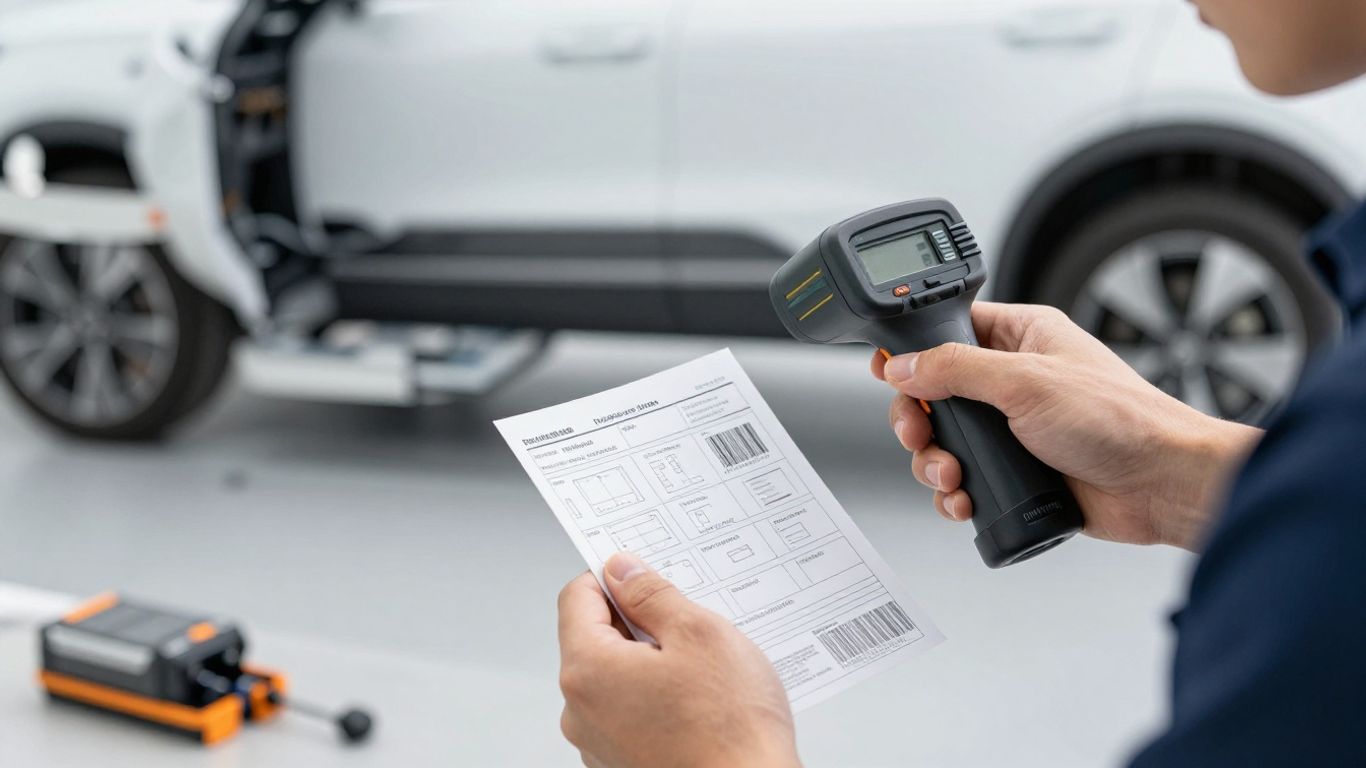
Write down the model name, body style, production year, powertrain, and trim level. Production year is not always the same as registration year, so use the build information where available. Facelifts and mid-year changes can alter lamps, bumpers, control modules, and interior fittings.
Photographs help with visual comparison, but they cannot replace a part number. Keep images of the old component, its connectors, mounting points, and any stamped or molded identification.
Using the vehicle identification number
The vehicle identification number can narrow a catalog search and help a supplier check the correct build configuration. Provide the complete VIN through a secure ordering channel, and verify that the seller explains how it will be used. Avoid posting it publicly in a review or open forum.
A VIN check is useful, but it is not a substitute for reading the final order confirmation. Ask the supplier to state the confirmed model and part number in writing before dispatch, particularly for electronic modules and assemblies.
Matching regional specifications and trim levels
Regional versions may differ in lighting, charging hardware, emissions equipment, safety systems, connectors, and software. Left-hand-drive and right-hand-drive vehicles can also use different mirror, steering, dashboard, and wiring parts. Trim names may look similar while hiding important equipment differences.
Shipping from another country does not make a part internationally interchangeable. Check connector style, voltage requirements, approval markings where relevant, and whether the supplier supports your destination market.
Checking part numbers and supersessions
Search using the number printed on the old component, then ask whether it has been superseded. A superseded number may be replaced by a newer part that is intended to fit the same application, but that should be confirmed rather than assumed.
Use a written record of the number, description, quantity, and supplier confirmation. This is especially helpful when several related parts appear in a catalog. The original spare parts catalog is another reference point for comparing descriptions, though final fitment still needs to be checked against the specific vehicle.
Choosing a reliable online BYD parts supplier
A reliable supplier makes fitment, condition, origin, pricing, and support easy to understand. A polished website alone is not enough; look for complete descriptions, clear photographs, contact information, and a process for resolving compatibility questions.
Think of the purchase as a service relationship, especially for a costly or time-sensitive repair. The supplier should be willing to verify details before accepting payment rather than pushing you toward the first similar-looking listing.
Evaluating product listings and supplier credentials
A useful listing identifies the component, applicable models or configurations, condition, quantity, photos, dispatch location, and expected handling time. Supplier credentials may include a verifiable business address, responsive support, trade documentation, and a history of supplying the relevant category.
When comparing a supplier, use the same questions you would ask of any service provider: how long has it operated, what does it actually support, and what happens when a part is wrong? A general service provider evaluation guide offers a useful way to assess credentials and contract terms, even though its subject is broader than vehicle parts.
Confirming authenticity and quality standards
Ask whether the part is genuine, aftermarket, refurbished, or used, and request the manufacturer or distributor information when it matters. For safety-critical components, seek traceability, installation guidance, and evidence that the item meets the applicable requirements for your market.
Be cautious with photographs that show a box but not the actual component. Packaging can be copied, and a familiar logo does not by itself establish provenance. Compare labels, markings, connectors, and the seller’s written description.
Reviewing warranties, returns, and customer support
Read the return window before ordering, including exclusions for electrical parts, special orders, opened packaging, or installed components. Check who pays return shipping, whether restocking fees apply, and what evidence is required for a warranty claim.
Customer support should be reachable before and after the sale. Save emails, chat transcripts, invoices, photos, and the supplier’s fitment confirmation. These records make a disagreement much easier to resolve.
Recognizing misleading or risky listings
Listings deserve extra scrutiny when they use vague phrases such as “fits all models,” show only stock photographs, hide the dispatch country, or offer a price far below comparable items. A countdown timer or pressure to pay immediately is another reason to slow down.
Do not send payment through an arrangement that removes normal buyer protections. If the seller cannot explain the part’s condition, source, warranty, or compatibility, the apparent bargain may become an expensive return or failed repair.
Ordering BYD parts online
The checkout stage is where small omissions become costly. Before paying, review the exact description, part number, quantity, condition, shipping method, taxes, and return terms. Make sure the order reflects the supplier’s written fitment confirmation, not just the search result that led you there.
For international purchases, allow time for customs and possible carrier delays. “In stock” may mean available from a distributor rather than ready to leave the warehouse, so ask what the status actually means.
Comparing prices, availability, and delivery estimates
Compare the complete landed cost rather than the headline price. A cheaper component may carry higher shipping, brokerage, or return costs, while a more expensive listing may include better packaging or clearer support. Delivery estimates should distinguish handling time from transit time.
For larger catalogs, the BYD spare parts range illustrates why delivery terms deserve attention: export transactions may use different arrangements, and responsibility can shift between seller and buyer. Confirm the meaning of any shipping term in your own order.
A practical pre-payment check is to verify:
- The exact part number and confirmed application.
- Stock status and expected dispatch date.
- Shipping method, tracking, and delivery address.
- Taxes, duties, brokerage, and return freight.
That short review catches many problems before they become a support ticket. Save a screenshot or PDF of the listing and checkout page as well.
Verifying shipping details and import costs
Enter the destination country and postal code before relying on a delivery quote. Ask whether duties and taxes are prepaid, collected at delivery, or excluded. Some carriers also charge brokerage or storage fees when customs documents are incomplete.
Import rules can apply differently to batteries, chemicals, airbags, and other regulated items. A supplier that cannot describe the shipping method for a high-voltage or hazardous component may not be prepared to send it legally.
Providing accurate billing and delivery information
Use the recipient’s legal name where customs or carrier identification requires it, and include a phone number that can receive delivery calls. Check apartment, unit, gate, and business-hour details carefully. A typo can send a package back while still creating a return dispute.
The billing address should match the payment method unless the supplier explicitly supports another arrangement. Keep the order confirmation, payment receipt, tracking number, and all promised delivery dates together.
Inspecting the order before accepting delivery
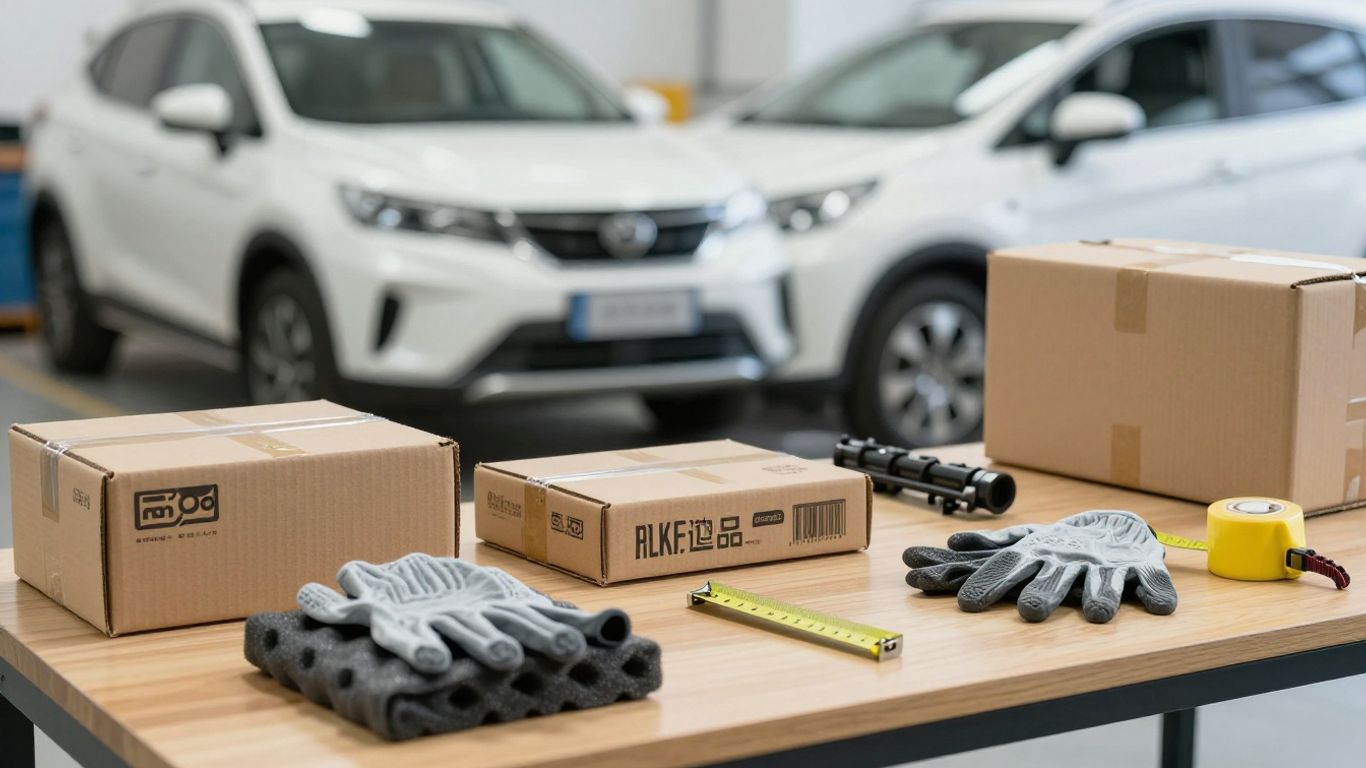
If the carrier permits inspection, look for crushed corners, punctures, water exposure, broken seals, or signs that a heavy item shifted inside the carton. Photograph the package from several angles before opening it. If damage is visible, record it on the delivery receipt.
Open the package carefully and compare every item with the invoice. Do not install a questionable part just to test it; preserve the packaging and contact the seller while the evidence is clear.
Managing delivery and installation
Getting the package to your door is only one part of a successful repair. Large panels, glass, wheels, battery-related components, and electronic modules need suitable storage and careful handling before installation. Plan the work area and transport route before the shipment arrives.
The installation decision should be based on risk, equipment, and instructions rather than confidence alone. A simple trim replacement and a high-voltage repair belong in very different categories.
Preparing for large, fragile, or high-value parts
Clear a dry, secure space for the package and keep it away from direct heat, moisture, children, and pets. Have enough help to move awkward items without bending panels or dropping assemblies. For glass and painted parts, padded supports are safer than leaning the item against a hard wall.
High-value electronic parts should remain sealed until the installer is ready to verify them. Check whether the supplier requires an authorization or a diagnostic procedure before a module can be returned.
Checking parts for shipping damage
Inspect the part under good lighting and compare it with the listing photographs. Look for dents, cracks, bent brackets, scratched finishes, broken clips, loose pins, and moisture inside housings. Photograph defects beside the shipping label and part number.
Do not discard the carton, inserts, labels, or protective film until fitment is confirmed. Packaging often becomes essential evidence in a carrier or warranty claim.
Deciding between professional and home installation
Home installation may be reasonable for uncomplicated, low-risk items when the instructions are clear and the required tools are available. Professional installation is the safer choice for braking, steering, restraints, structural body repairs, sensors, modules, and any high-voltage component.
A workshop can also identify related damage and document the work. If a warranty or insurance claim may be involved, ask in advance whether the repair must be performed or inspected by an approved facility.
Understanding calibration and software requirements
Some replacements need calibration, coding, pairing, or a post-installation scan. This can apply to cameras, radar, steering systems, battery controls, and electronic modules. The part may physically fit while the vehicle still requires a controlled setup procedure.
Ask who will perform that work and whether the supplier provides the necessary instructions or support. Do not treat a warning light after installation as a minor inconvenience; it may indicate that the vehicle has not been safely returned to service.
Staying safe and compliant with BYD repairs
Safety planning matters more than delivery speed when a repair involves electricity, restraint systems, steering, brakes, or structural damage. Read the repair information for the exact vehicle and use suitable protective equipment and tools. If the procedure is outside your training, stop and use a qualified technician.
Local regulations may also govern repairers, waste handling, battery transport, and roadworthiness inspections. Confirm those requirements before beginning work, especially when importing a component or replacing a safety-related assembly.
Handling high-voltage electric vehicle components
Never assume that a parked electric vehicle is electrically safe. High-voltage systems can retain dangerous energy, and orange cables, battery enclosures, and power electronics should be handled only by trained personnel using the specified isolation and verification process.
Do not cut, probe, open, or substitute components in a high-voltage circuit based on an online diagram. Keep damaged battery components away from water and ignition sources, and contact an appropriately equipped repair facility for next steps.
Following manufacturer repair procedures
Use the service procedure for the precise model and system, including tightening specifications, single-use fasteners, isolation steps, diagnostic checks, and required post-repair tests. Generic advice is not enough for a complex electrical or safety system.
A supplier’s installation note can supplement, but should not replace, the vehicle maker’s procedure. If the instructions conflict, pause and seek clarification from a qualified technician.
Protecting vehicle warranties and insurance coverage
Keep the invoice, part details, installation record, and diagnostic report. Some warranty and insurance decisions depend on the part’s source, the repairer’s qualifications, and whether the work followed the applicable procedure.
Before fitting a non-genuine or used component, ask the insurer or warranty administrator about relevant exclusions. This is particularly important after collision damage or when a replacement affects a safety, charging, or driver-assistance system.
Disposing of replaced parts responsibly
Do not put batteries, electronic modules, fluids, lamps, or contaminated materials in household trash. Ask a workshop, parts recycler, municipal program, or licensed waste contractor how the item should be stored and transferred.
Keep hazardous components protected during transport and follow local rules. Responsible disposal reduces fire, chemical, and environmental risks while preserving any part that may be needed for a warranty inspection.
Troubleshooting problems with an online parts order
Most order problems are easier to resolve when the buyer acts quickly and keeps evidence. Stop installation if the part is wrong, damaged, incomplete, or materially different from the listing. Contact the supplier through the official channel and describe the issue in precise, factual terms.
Include the order number, vehicle details, part number, photographs, and a short explanation of what was checked. Avoid modifying or discarding the item before the supplier gives return instructions.
What to do when the part does not fit
Do not force a connector, drill new holes, bend a bracket, or remove identification labels to make a part work. Recheck the VIN confirmation, production date, trim, side of vehicle, and superseded number. A left-side and right-side component can look nearly identical in a photograph.
Send comparison photographs of the old and new parts, including mounting points and connectors. Ask whether an alternative number exists and whether the supplier will authorize a return before shipping anything back.
Resolving delayed, missing, or damaged deliveries
Check the tracking history, delivery address, customs status, and carrier notifications first. If a parcel is marked delivered but cannot be found, contact the carrier promptly and ask the supplier to open an investigation. For visible damage, preserve the packaging and report it within the stated claim period.
A delayed shipment may require a revised repair appointment or temporary transport plan. Keep communication in writing and note every promised date, particularly when the part is needed for an insurance repair.
Handling incorrect or incomplete shipments
Compare the physical contents with the invoice, packing slip, and order confirmation. Photograph the box label, each item, and any missing hardware. Do not assume small clips, seals, sensors, or brackets are included merely because they appear in a product photograph.
Tell the supplier whether you need the missing item, a complete replacement, or a return. Clear wording helps support staff route the issue without treating it as a general fitment question.
Requesting refunds, replacements, or technical assistance
State the remedy you want and attach the supporting records. A refund, replacement, exchange, or technical explanation may each be appropriate depending on the fault and the seller’s policy. Follow the required return authorization process and use tracked shipping when returning a valuable part.
If the supplier cannot resolve the issue, review your payment provider’s dispute process and the consumer protections that apply to the transaction. Keep the product unused and safely stored while the case is open.
Conclusion
Ordering the right replacement component takes more than finding a low price. Confirm the vehicle details and part number, understand the total delivery cost, inspect the shipment, and match the installation method to the risk. With those habits, doorstep delivery can support a safer, less frustrating repair.
Frequently Asked Questions
How can I tell whether a replacement part will fit?
Match the vehicle’s model, production year, trim, region, VIN, and existing part number. Ask the supplier to confirm fitment in writing before payment, especially for electronic or safety-related components.
Is an aftermarket part always less reliable than a genuine part?
No. Aftermarket quality varies by manufacturer and component, so compare specifications, traceability, warranty terms, and independent professional advice. For safety-critical parts, use a source and installer you can verify.
What information should I provide when ordering?
Provide the complete vehicle identification number when appropriate, model and production details, trim, powertrain, region, required side or position, part number, quantity, and accurate billing and delivery information.
What should I do if a package arrives damaged?
Photograph the outer packaging and the part before installation, record visible damage with the carrier when possible, preserve all packing materials, and contact the supplier within the stated reporting period.
Can I install electric vehicle battery components at home?
High-voltage battery components should be handled by trained professionals with the correct isolation, testing, lifting, and diagnostic equipment. Do not open, probe, cut, or modify a high-voltage system yourself.
Who pays import duties and brokerage fees?
That depends on the shipping arrangement and the seller’s terms. Confirm in writing whether taxes, duties, brokerage, and return freight are included or payable by the recipient before ordering.
What records should I keep after an online parts purchase?
Keep the listing, fitment confirmation, invoice, payment receipt, tracking details, delivery photographs, installation record, diagnostic results, and all correspondence with the supplier. These records support warranty, return, and insurance questions.