

Key Takeaways
A used battery can look like a bargain until its history, compatibility, and delivery costs are clear. Treat each one as a high-voltage component that needs evidence and a safe installation plan.
- Confirm the exact model, year, pack identity, and intended use before negotiating.
- Request diagnostic results and a clear account of the battery’s history.
- Compare the full cost, including testing, transport, installation, and possible extra parts.
- Get warranty and return terms in writing before paying.
- Use qualified professionals to handle, transport, and install high-voltage batteries.
What to know about used BYD batteries
Shopping for used BYD batteries for sale starts with treating each pack as a specific component, not a generic replacement. Model name alone may not identify the exact version you need. Before comparing listings, gather the vehicle details and the battery information that a seller can verify.
How battery chemistry and pack design vary by model
Battery chemistry, pack dimensions, electrical specifications, and connections can vary across vehicles and model years. Do not assume that two packs with similar advertised capacities are interchangeable, or that a battery described as a “BYD pack” will suit a particular vehicle. Ask for the pack’s identification label, part number, and available technical documentation, then check those details against the vehicle’s service information or a qualified technician’s advice.
Why batteries are removed from vehicles
A battery may be removed after collision damage, a vehicle being dismantled, a mechanical or electrical fault, or a larger repair that makes the vehicle uneconomical to keep. The reason matters: a pack removed from an undamaged vehicle is not automatically healthy, while a collision does not by itself establish that the battery is unusable. Ask what happened, when the pack was removed, and whether it was inspected afterward. A clear removal history is useful context, but it cannot replace diagnostic evidence.
The difference between used, refurbished, and repurposed batteries
“Used” generally describes a battery previously installed in a vehicle, while “refurbished” suggests that some inspection or repair has taken place. The word alone does not tell you which components were tested or replaced, so ask for the specific work and results. “Repurposed” usually means the battery is intended for a different application, such as stationary storage, rather than direct replacement in a vehicle. Confirm the seller’s meaning in writing; listing labels are not technical standards.
Where to find used BYD batteries for sale
Potential sources include specialist battery suppliers, dismantlers, salvage yards, and private listings. Each can provide a different level of documentation, so look beyond the asking price and ask how the seller knows what is being sold. A BYD battery pack listing can help illustrate the kinds of model-specific details sellers may show, but a product page is not a substitute for checking the exact pack and its condition.

How to assess specialist battery suppliers
Ask a specialist supplier how it identifies and tests packs before listing them. Find out whether the seller can provide the battery label, diagnostic records, removal history, and a written warranty, and whether the pack can be inspected before purchase. Clarify whether the advertised price includes only the battery or also the supporting components, delivery, or installation. A supplier who gives direct, specific answers makes it easier to judge the transaction; vague claims of “tested” or “good condition” need follow-up.
What to ask auto dismantlers and salvage yards
A dismantler may know the donor vehicle’s year, mileage, and circumstances of removal, but that information should be treated as history rather than proof of battery health. Ask for the donor vehicle identification details where available, the date of removal, any known collision or water exposure, and whether the battery was tested after removal. Also establish how long it has been stored and whether the yard can support a return if the part is not as described. Written answers are easier to compare than a reassuring phone conversation.
How to vet online listings and private sellers
Online listings can be useful for finding a candidate, but photos and short descriptions rarely establish compatibility or condition. Request clear photographs of identification labels and connectors, ask for test records, and confirm that the seller can document ownership and arrange safe collection or shipment. Overseas listings deserve extra scrutiny: an overview of used-EV auction buying notes the need to account for shipping and import costs, which can materially change the total.
A seller’s wider website may contain unrelated material, so judge the battery listing on its own evidence. Pages about a DIY SEO checklist, Roof Flow AI, Frontburner Marketing, biblical life coaching, or biofuel fireplace buying do not verify a battery’s origin or condition; what matters here is traceable product information and clear transaction terms. This used battery video can be a starting point for general research, not a replacement for an inspection or professional advice.
How to check battery condition
Battery condition is more than whether a pack powers on. Ask what tests were performed, when they were performed, and whether the results identify the pack being offered. The more complete the evidence, the less you have to rely on broad descriptions such as “low mileage” or “works perfectly.”
Which diagnostic reports and test results to request
Request a recent diagnostic report tied to the battery’s identification number, along with any available capacity or state-of-health readings and fault-code information. Ask who performed the tests, what equipment and procedures were used, and whether the pack was evaluated under load or only checked for basic operation. A report without a date, method, or identifiable battery is difficult to assess. If the seller cannot provide a report, ask whether an independent inspection can be arranged before purchase.
How state of health and cycle history affect remaining life
State of health is an estimate of a battery’s present condition relative to an appropriate baseline; it is not a guarantee of how long the pack will last. Cycle history can add context, but the number alone does not describe temperatures, storage, charging patterns, or periods of disuse. Request both the reading and the method used to obtain it. A qualified technician can help interpret results in light of the intended vehicle or application.
A simple comparison can help you see which evidence is missing before you commit:
| Evidence to review | What it can tell you | Follow-up to ask |
|---|---|---|
| Identification label | The pack being offered | Does it match the quoted part number? |
| Diagnostic report | Results from a stated test | When and how was it tested? |
| Removal history | Circumstances before sale | Was there collision or water exposure? |
| Storage details | What happened after removal | Where and how long was it stored? |
No single row settles the question. Consider the records together, and have a specialist review any results that are unclear or inconsistent.
What signs of damage or improper storage to look for
Look for dents, cracked housings, damaged connectors, corrosion, fluid marks, or signs of tampering, but do not open or handle a high-voltage pack yourself. Ask whether the battery was exposed to flooding, fire, or a serious impact, and whether it has been stored according to the manufacturer’s instructions. Missing labels or unexplained gaps in its history are reasons to pause and seek professional review. Visual inspection can flag concerns; it cannot certify internal condition.
How to confirm compatibility
Compatibility needs to be confirmed before payment, not after delivery. A battery that appears similar may differ in its part number, electrical characteristics, control systems, or physical fit. Gather information from the vehicle and pack, then have someone qualified confirm the match.
Matching the battery to your BYD model and year
Start with the exact vehicle model, model year, trim or variant, and vehicle identification number where appropriate. Ask the seller for the pack’s complete part number and any supersession information, then compare it with reliable service documentation or have a qualified repair professional verify it. Model names can cover multiple configurations, so a listing that says only “fits BYD” is not enough to establish a match. Confirm the return position if the pack proves incompatible despite the seller’s assurances.
Checking voltage, capacity, connectors, and battery management systems
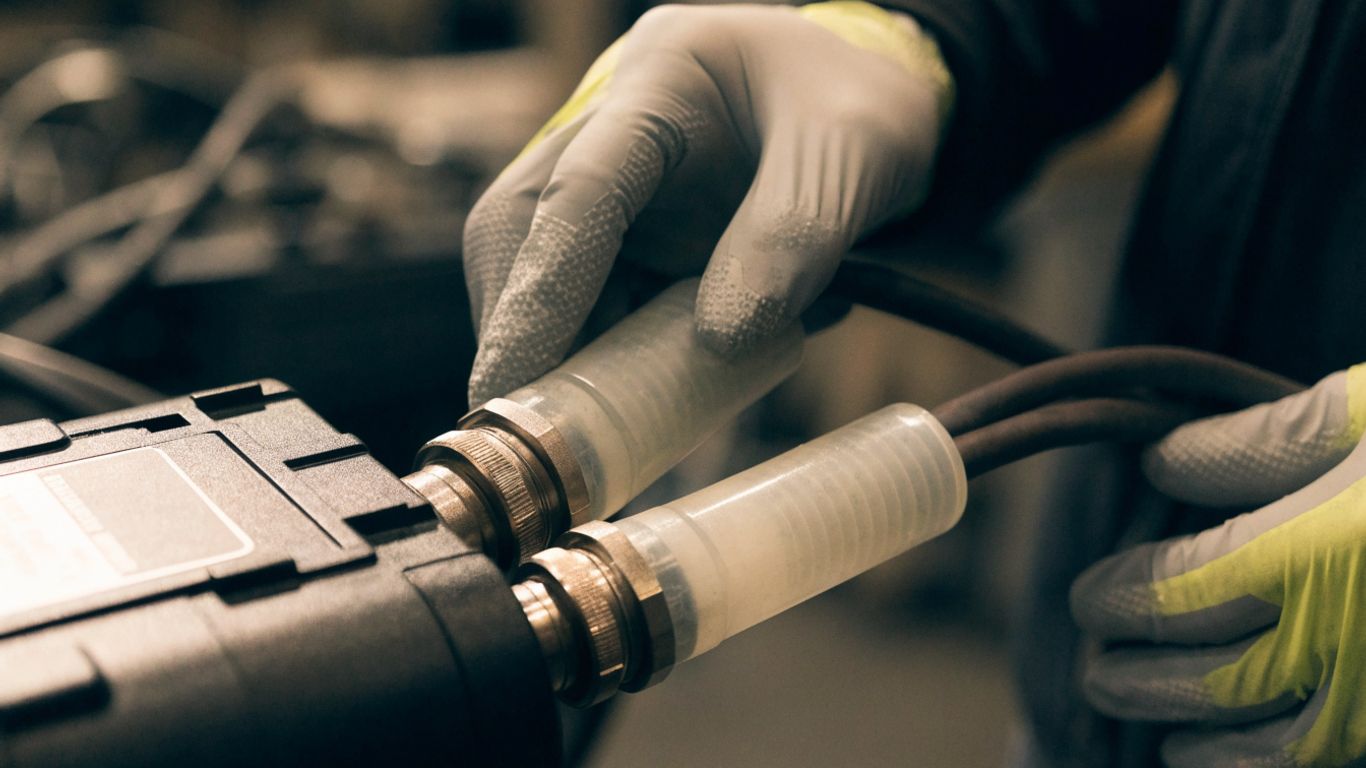
Compare the specified voltage and capacity, connector layout, mounting points, and battery management system requirements against the vehicle’s documentation. A connector that looks alike does not prove that wiring, communications, or control systems are compatible. Ask whether required cables, brackets, sensors, or related modules are included, and whether the seller has information about software or configuration needs. These details should be confirmed by a technician familiar with the specific vehicle.
Confirming fit for an EV replacement or stationary energy storage
A pack suitable for a vehicle replacement is not automatically appropriate for stationary energy storage. The intended use affects mounting, electrical integration, monitoring, protection, and applicable safety requirements. If considering a stationary project, ask a qualified installer to evaluate the battery and the complete system rather than relying on a seller’s general claim that it can be reused. Confirm in advance what equipment and approvals the project requires.
How to compare prices and total costs
The lowest advertised figure may not reflect what it will cost to put a battery into service. Compare packs with similar documentation, condition evidence, and warranty terms, then add delivery and work that the listing excludes. A written cost breakdown makes it easier to spot a bargain that is only cheap at the point of sale.
What affects the price of a used BYD battery
Price can depend on the model and part number, available test evidence, reported condition, completeness, and how much time has passed since removal. A well-documented battery may cost more than one with an unknown history, but that does not make the more expensive listing a better fit by itself. Compare like with like and treat unusually low offers cautiously, especially when the seller cannot explain the difference or provide verifiable records.
Accounting for testing, installation, and necessary components
Before agreeing to a purchase, build a complete estimate that includes more than the pack itself. At minimum, check whether the following costs apply:
- Independent diagnostic testing or inspection.
- Shipping, special handling, and any import charges.
- Installation labor and post-installation checks.
- Cables, brackets, control modules, or other required parts.
These items can change the value of an offer substantially. Ask for written quotes where possible, and make sure each quote is based on the exact battery and vehicle rather than a general estimate.
Comparing warranty coverage and return terms
Ask what the warranty covers, how long it lasts, when coverage begins, and who pays for removal or return shipping if a fault appears. Clarify whether the warranty applies to the full pack or only specified components, and whether installation by a qualified technician is required. Read the return policy separately: a short inspection window is not necessarily the same as warranty coverage. Keep the listing, test documents, messages, invoice, and written terms together.
How to plan for transport and installation
A high-voltage battery is not ordinary freight, and safe handling affects both the shipment and the installation. Confirm the transport method before paying, especially when a pack is crossing state or national borders. Plan the work with qualified professionals rather than treating delivery as the end of the purchase.
Understanding shipping rules for high-voltage batteries
Requirements can depend on battery type, condition, packaging, carrier, and route. Ask the seller which carrier will handle the shipment, how the battery will be packaged and secured, and whether the carrier accepts that specific pack. Damaged or suspect batteries may have additional restrictions. Confirm current requirements with the carrier and relevant authorities before arranging collection; do not rely on a generic promise that a pack is “ready to ship.”
Checking local regulations and recycling requirements
Rules for transport, installation, storage, and disposal vary by location and application. Check local requirements before ordering, including whether a particular installer, permit, or inspection is needed. If the battery cannot be used, establish who can accept it for appropriate recycling and how it must be transported. These arrangements are best made in advance, rather than after a failed installation leaves a large component in storage.
Using qualified technicians for handling and installation
Choose a technician with relevant high-voltage vehicle experience and provide the pack’s identification, diagnostic records, and history before work begins. Ask what checks will be performed on arrival and what happens if the battery is damaged or incompatible. Do not attempt to dismantle, test, or install a high-voltage pack without the required training and equipment. A professional inspection is a practical part of the purchase, not an optional extra to consider only if a problem appears.
Conclusion
Buying a used BYD battery is a matter of matching the right pack to the right purpose and confirming its condition with evidence. Take time to verify the identification, test history, compatibility, full costs, and written terms; then arrange safe transport and qualified installation. If a seller cannot answer straightforward questions, keep looking.
Frequently Asked Questions
Is a used EV battery worth buying?
It can be, if the pack is compatible, its condition is supported by credible evidence, and the total cost makes sense compared with other options. Unknown history or unclear terms increase the risk.
What information should I request from a battery seller?
Ask for the battery identification and part number, diagnostic results, removal circumstances, storage history, included components, and written warranty and return terms. Have a qualified professional review technical details you cannot verify.
Can a battery from the same vehicle model still be incompatible?
Yes. Model year, vehicle configuration, part number, electrical specifications, connectors, and control-system requirements can differ. Verify the exact pack against the vehicle’s documentation before purchase.
What does a battery state-of-health reading tell me?
It is an estimate of present condition relative to a baseline, based on a particular test method. It is useful evidence, but it does not guarantee remaining service life or replace a review of the battery’s history.
Is refurbished the same as used?
No. “Used” indicates prior use, while “refurbished” suggests some inspection or repair. Ask what work was completed, which components were changed, and what testing supports the description.
Can a vehicle battery be used for home energy storage?
Not automatically. Stationary use requires assessment of the battery, its electrical integration, protection, monitoring, installation, and local requirements by qualified professionals.
How should a high-voltage battery be transported?
Use a carrier that accepts the specific battery and follows current packaging and handling rules for its condition and route. Confirm requirements before shipment and avoid handling or moving the pack without appropriate expertise.