

Key Takeaways
A used motor can be a sensible replacement only when its fit, condition, and total installed cost are clear. Treat the listing as a starting point, then have a qualified technician confirm the details.
- Identify the exact vehicle, model year, powertrain, and original motor part number.
- Confirm whether the listing is for a motor alone or a complete drive unit.
- Ask for donor history, clear photographs, test results, and written terms.
- Compare the full installed cost, not just the advertised part price.
- Leave high-voltage removal, installation, and system checks to a qualified technician.
Understand which BYD motor you need
Start with the vehicle’s exact configuration rather than a broad model name. A motor that looks similar may not match the vehicle’s model year, powertrain, or position in the drivetrain. Gather the original part details before contacting sellers so you can compare specific components, not assumptions.
Identify the vehicle, model year, and powertrain
Write down the model name, model year, trim, and powertrain configuration from the vehicle documents or identification plate. Where available, ask a technician or parts department to confirm the vehicle identification number against the original component. When checking a donor car listing, a BYD Approved Used Cars page may help you recognize model names, but it does not establish that a particular motor will interchange.
Distinguish the drive motor from the complete drive unit
Listings can use “motor” loosely. The part offered may be only the electric motor, or it may include other components such as a reduction gearbox or inverter; those are not interchangeable descriptions. Ask the seller to state exactly what is included and compare that description with the part removed from your vehicle.
Check whether the motor is front-wheel, rear-wheel, or all-wheel drive
The motor’s position in the vehicle matters, especially when a model has more than one drivetrain configuration. Confirm whether you need a front or rear motor and whether the vehicle uses one motor or a combination of motors. Don’t rely on the model badge alone; have the original setup checked before ordering.
Verify the motor’s part number and specifications
Look for a legible part number on the original component and request the number from the seller’s item. If the label is missing or unreadable, ask a qualified parts specialist to identify the unit using vehicle details and other specifications. Exact identification is the best starting point for narrowing the search, but a matching number should still be checked against the full application.
Find a suitable second hand BYD electric motor
Once you know what you need, look for sellers who can describe the part and its source clearly. A low advertised price can be misleading if the seller cannot confirm what is included or how the unit was removed. Compare the quality of the information, the return terms, and the shipping arrangements alongside the price.
Compare salvage yards, recyclers, and specialist EV suppliers
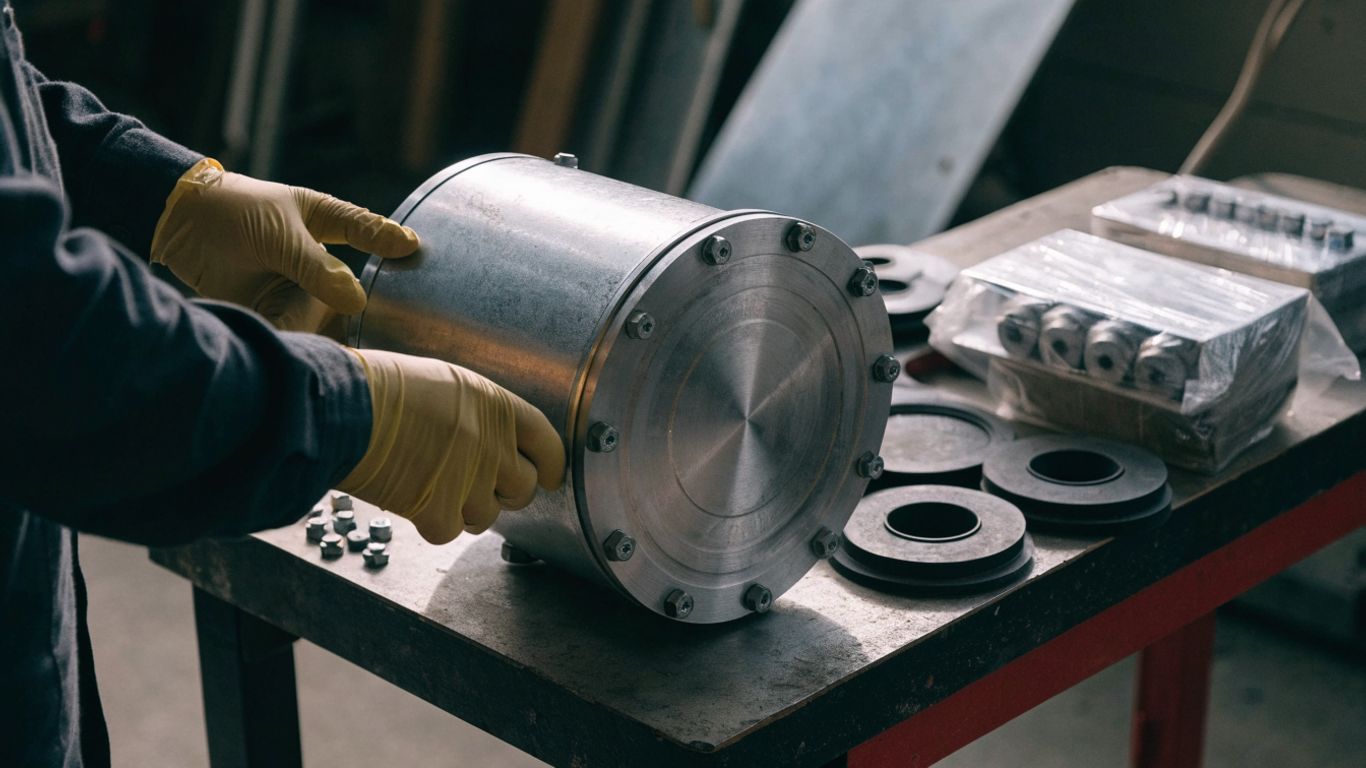
Different sellers may offer different levels of identification, testing, and support, so compare the information they can provide rather than assuming all listings are alike. Ask whether the seller can verify the part number, explain what is included, and arrange a return if the component is found to be incompatible. For shipping, consider more than the quoted amount: international freight forwarding guidance also illustrates why transit reliability, communication, and transparent fees matter when a part must travel a long distance.
Ask for the donor vehicle’s history and mileage
Ask which vehicle the motor came from, its model year, and the donor’s recorded mileage if known. Find out why the vehicle was dismantled and whether the motor was removed after a collision, flood exposure, or another incident that might affect it. For context on vehicle models and listings, used BYD vehicles can help with model-name research, but the donor’s own records are what matter for assessing a specific part.
Request photos, documentation, and a clear parts description
Request current photographs of the unit from several angles, including labels, connectors, mounting areas, and any visible damage. Ask for a written description of what comes with it and any available test or removal records. A useful request is specific and easy for the seller to answer, so it can help to ask for these items together:
- A clear image of the identification label and part number.
- Photos of the housing, mounts, connectors, and cooling ports.
- A written list of included components and any missing parts.
- Available test results and the donor vehicle’s details.
If the seller cannot supply some of these, note what is missing before comparing the offer with another one. A short, clear parts description is more useful than a broad claim that the unit is suitable for many models.
Watch for listings that confuse motors with inverters or gearboxes
Read the listing title and description carefully, then ask the seller to confirm the exact item being sold. A photograph of a large assembly may not show whether the motor, inverter, gearbox, or associated hardware is included. Treat vague wording as a reason to pause and request clarification, not as a basis for assuming the extra parts are part of the price.
Check compatibility before you buy
A used motor must match the vehicle and its connected systems, not simply look similar to the original. Compare identifiers and physical details, and have a qualified technician review anything uncertain. Resolving those questions before payment can prevent the cost and delay of receiving a part that cannot be fitted.
Match the part number against the original component
Compare the number on the original motor with the seller’s label or documented part number. If the numbers differ, do not assume that a revision or related number will work without verification. Ask a parts specialist or qualified technician to confirm the correct application for the exact vehicle.
Confirm connectors, mounting points, and cooling connections
Ask for clear views of the connectors and mounting points, then compare them with the original unit. Check that cooling connections and other visible interfaces appear consistent, while remembering that photographs alone cannot establish full compatibility. If a detail is hidden or unclear, have the seller supply another image or obtain an in-person assessment before committing.
Check compatibility with the inverter and vehicle control systems
Compatibility can depend on more than the motor housing and mounts. The inverter and vehicle control systems also need to work with the replacement component, so ask the technician to confirm the match before purchase. The following comparison can help organize the information, but it is not a substitute for professional verification.
| Detail to compare | Original component | Replacement listing | Follow-up if unclear |
|---|---|---|---|
| Part number | Record the visible number | Request a label photo | Ask a parts specialist to verify |
| Position and configuration | Note front or rear and drivetrain | Confirm the donor setup | Check against vehicle details |
| Connectors and mounts | Photograph the interfaces | Request matching views | Have a technician compare them |
| Included components | List what was removed | Confirm what is included | Get the description in writing |
Use the comparison to expose missing information early. If the listing cannot answer a basic question, pause rather than treating an unanswered detail as a match.
Ask a qualified BYD technician to verify interchangeability
Give the technician the vehicle details, original part number, and the seller’s documentation before placing the order. Ask for a direct confirmation that the candidate component is interchangeable with the original setup. If verification is not possible from the information available, request additional documentation rather than relying on a seller’s general assurance.
Assess the motor’s condition
A part can be correctly identified and still be a poor purchase if its condition is uncertain. Ask how it was stored, what was observed during removal, and whether it was tested before sale. Photographs and records help you ask better questions, but they do not replace a hands-on inspection where one is possible.
Look for impact, corrosion, and signs of water damage
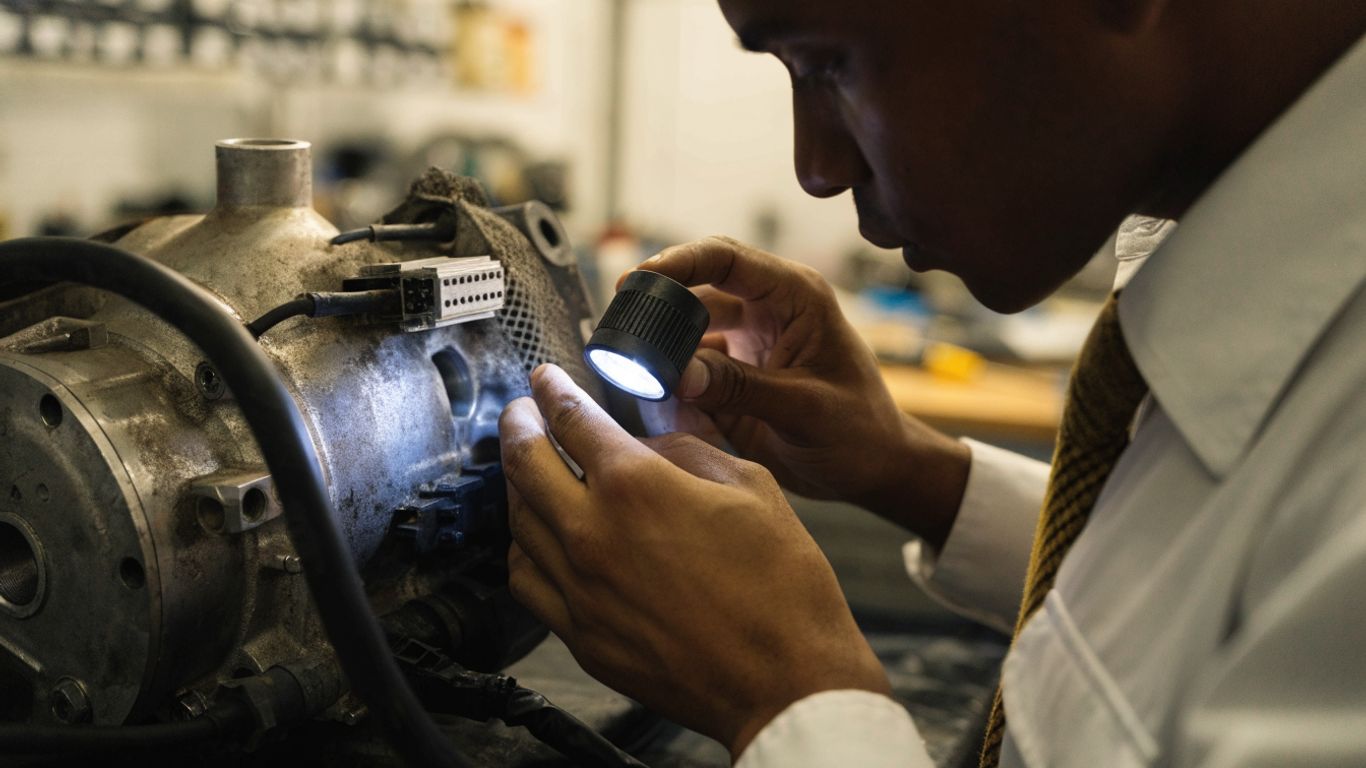
Inspect the housing for cracks, dents, scrape marks, or other signs of impact. Look closely for corrosion and signs that water may have reached the component, particularly around openings and connectors. A clean exterior is encouraging but does not prove the interior is undamaged, so ask about the unit’s storage and removal circumstances as well.
Ask whether the motor was tested before removal
Ask what test was performed, when it took place, and whether the result is documented. “Tested” can mean different things, so request a description rather than relying on the word alone. If the motor was not tested before removal, treat that as a material uncertainty when judging the price and return terms.
Review available diagnostic results and service records
Ask for any diagnostic reports or service information linked to the donor vehicle and the component. Check that the documents relate to the same vehicle and part being offered, and ask the seller to explain anything that is incomplete or unclear. A technician can help interpret records that do not plainly establish the motor’s condition.
A video can help you see the kinds of details to inspect, but it should not be treated as proof that a particular used motor is sound. Use it as a supplement to the seller’s records and an in-person assessment where available.
Treat unknown history and missing test data as added risk
When history or test data is missing, you have less evidence to judge the part’s likely condition. That does not automatically make the motor unusable, but it should affect your willingness to pay and the protections you seek. Make the uncertainty explicit in your comparison rather than letting an incomplete listing appear equivalent to a documented one.
Estimate the full purchase and installation cost
The advertised part price is only one part of the decision. Add delivery, any applicable handling or core charges, inspection, installation, and related work to form a realistic estimate. Compare alternatives on the same basis and confirm all commercial terms in writing before placing an order.
Compare the price with a rebuilt or new replacement
Request comparable quotes for a used, rebuilt, and new replacement if those options are available for your vehicle. Check what each quote includes, whether the part has been tested, and what warranty or return coverage applies. A lower purchase price may not be the better value if it carries more uncertainty or requires additional work.
Include shipping, handling, and core charges
Ask how the motor will be packed, who arranges transport, and whether delivery is insured. Confirm any handling fee, core charge, or return freight cost before you agree to buy. If the part is being shipped a long distance, the freight forwarding services comparison approach is a useful reminder to ask about timelines, communication, and possible delays as well as headline fees.
Budget for installation, diagnostics, and related parts
Ask a qualified workshop for an estimate that includes removal, installation, required diagnostics, and any related parts or consumables they expect may be needed. The final bill can vary with the vehicle and the condition of the replacement, so get the assumptions behind the estimate in writing. Outside the automotive category, buyer guides on preloved furniture, frosted acrylic sheets, chiropractic care, and Botox safety likewise show how fees and conditions can matter beyond a listed price; for this purchase, focus on the workshop’s specific estimate and terms.
Check return terms and warranty coverage in writing
Before paying, check the return window, who covers return freight, and what happens if the part is incompatible or arrives damaged. Read any warranty carefully for exclusions, claim deadlines, and requirements for professional installation. Keep the listing, correspondence, invoice, and any test documents together in case you need to resolve a problem.
Plan a safe replacement
Replacing an electric motor is not a casual parts swap. The work involves high-voltage vehicle systems and should be planned with a qualified technician and an appropriately equipped workshop. Agree on installation, commissioning, and follow-up checks before the part is ordered.
Use a qualified technician for high-voltage work
Choose a technician with suitable training and experience for work on high-voltage vehicles. Share the part details and the seller’s documentation before booking the job, so the workshop can identify concerns in advance. Do not attempt to remove or install the motor yourself if you are not qualified for this work.
Confirm the battery isolation and workshop safety procedures
Ask the workshop to explain its battery isolation and high-voltage safety procedures before work begins. Make sure the technician follows the vehicle-specific service information and established workshop practices. The buyer does not need to perform these steps, but should confirm that the work is being handled by a qualified professional.
Allow for post-installation programming and system checks
Ask the technician whether the replacement may require programming, calibration, or other system checks, and include any anticipated work in the estimate. The specific requirements depend on the vehicle and component, so avoid assuming that fitting the motor alone completes the repair. Agree in advance on how the workshop will confirm that the vehicle recognizes and operates with the replacement.
Test the vehicle for faults, noise, and performance issues
After installation, have the workshop check for fault codes and listen for unusual noise during the appropriate operating checks. Ask the technician to confirm that the vehicle behaves as expected and to document any remaining concerns before you accept the repair as complete. If a warning or abnormal sound appears, stop and have it investigated rather than assuming it will resolve itself.
Conclusion
A second-hand motor is worth considering when its identity, compatibility, condition, and terms can all be checked. Gather the details early, compare the full cost, and let a qualified technician verify the fit and complete the high-voltage work; that careful process is more valuable than a bargain listing with unanswered questions.
Frequently Asked Questions
How do I know which replacement motor fits my vehicle?
Start with the vehicle’s exact model year, configuration, and original motor part number. Have a qualified parts specialist or technician verify that the candidate unit matches the vehicle and its connected systems.
Is a motor the same as a complete drive unit?
Not necessarily. A listing may describe a motor alone or an assembly that includes additional components, so ask the seller to state precisely what is included.
What information should I request from the seller?
Ask for the donor vehicle details, mileage if known, clear photographs of labels and connections, a parts description, and any available test or diagnostic records. Confirm return terms and warranty coverage in writing.
Can I judge a used motor from photographs alone?
Photographs can reveal visible damage and help compare labels or connectors, but they cannot establish the motor’s full condition or prove compatibility. Use them alongside documentation and a qualified inspection.
Should I buy a motor with no test results?
Missing test data adds uncertainty. Consider whether the price and written return terms reflect that risk, and ask a technician what additional checks would be appropriate before installation.
What costs should I include beyond the part price?
Include shipping, handling, any core charge, installation, diagnostics, and related parts or workshop work. Ask for an estimate that explains what is included and what could change the total.
Can I replace an electric motor myself?
High-voltage vehicle work should be handled by a qualified technician following the applicable workshop safety procedures. Arrange professional installation and post-installation checks rather than attempting an unqualified repair.