

Key Takeaways
A “recycled” label can describe very different conditions, from a simple resale to documented refurbishment. Treat the inverter as an electrical component that needs model-specific checks, not as a bargain made safe by its listing.
- Confirm the exact inverter and battery models before judging compatibility.
- Ask what “recycled,” “refurbished,” or “tested” means for that unit.
- Have a qualified installer inspect and commission the equipment.
- Compare the full installed cost, warranty, and return terms with a new unit.
- Keep model numbers, test records, and ownership documents with the purchase.
What “recycled BYD inverter” can mean
The phrase recycled BYD inverters is not a precise condition report. A seller might mean a used inverter being resold, a unit repaired before resale, or equipment recovered for materials. Those options have different implications for compatibility, reliability, and what protection you have if the unit fails. Start by asking what happened to the specific inverter, rather than relying on the word “recycled.”
BYD-branded equipment versus inverters compatible with BYD batteries
A BYD-branded inverter and an inverter made by another manufacturer that may work with a BYD battery are not the same thing. Listings can blur that distinction, especially when they use a battery brand in a headline to attract buyers. Check the nameplate and model number on the inverter itself, then verify the proposed pairing against current documentation for both devices. A listing title alone does not establish compatibility.
Reused, refurbished, remanufactured, and recycled units
These terms are often used loosely, so ask the seller to describe the actual work performed and provide records where available. The table below gives a cautious way to interpret common listing language; it is not a certification or a guarantee of condition.
| Listing term | What it may indicate | What to ask for |
|---|---|---|
| Used or reused | The unit has been installed or owned before | Operating history and reason for removal |
| Refurbished | Some inspection, repair, or replacement work may have occurred | Work order, parts used, and test results |
| Remanufactured | A more extensive rebuild may be claimed | Scope of rebuild and acceptance criteria |
| Recycled | The unit or its materials may have entered a recovery process | Whether the complete inverter is functional and resalable |
The word itself proves little. Request a written account of the unit’s condition and the seller’s process, and treat missing details as uncertainty rather than as evidence that the product is defective or sound. Terms vary in other material-reuse contexts too: greeting cards can involve different recycling considerations depending on their finishes, while enzyme-free tissue decellularization describes a separate, tissue-specific process. Neither example tells you how an inverter was handled; the point is to ask what the term means for the item in front of you.
Why the distinction matters when comparing listings
A lower price can reflect age, missing accessories, limited warranty, or a unit sold only for parts. Compare listings on documented condition and support, not just the headline price or the number of times a seller uses “refurbished.” Even a positive review or polished seller profile is not a substitute for electrical test records; reusable NFC review cards and a Brand Building Package concern review collection and business visibility, not inverter condition. For this purchase, prioritize evidence about the actual equipment.
How to check compatibility with a BYD battery
Compatibility depends on the exact equipment, not simply on sharing a battery brand. Battery model and generation, inverter model, electrical specifications, communications, and applicable system requirements all need to line up. Use the current manuals and written confirmation from the relevant manufacturers or their authorized support channels. If any part of the proposed pairing cannot be verified, pause before buying.
Match the inverter to the battery model and generation
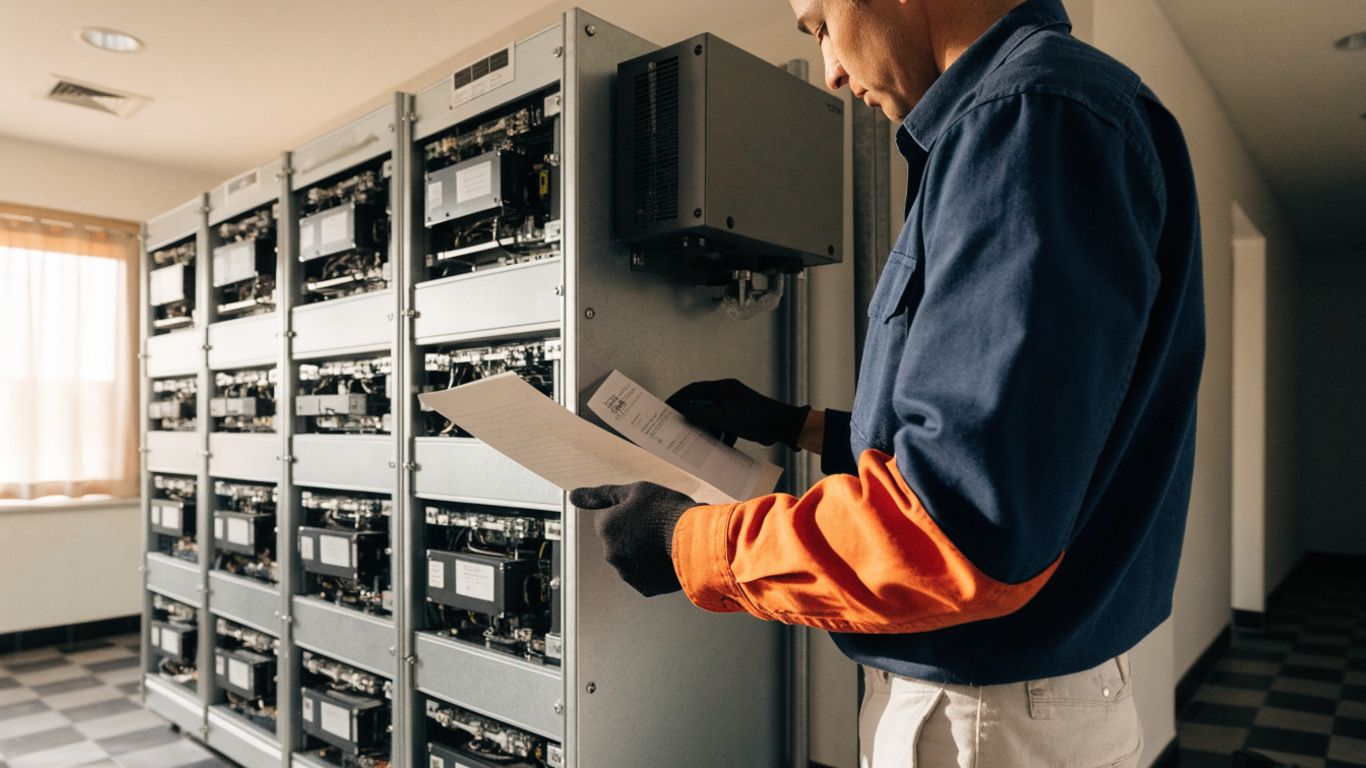
Record the complete model number and generation for both the battery and inverter; photographs of the nameplates can help avoid transcription errors. Similar product names may refer to different versions, and a general statement that an inverter “works with BYD” is not enough to identify a supported pairing. Check documentation for the exact combination and installation configuration. A published compatibility reference may help you frame the question, but confirm any proposed match against current manufacturer documentation before relying on it.
Verify voltage, capacity, and communication requirements
The battery and inverter documentation should specify the electrical limits and communication arrangements required for the proposed system. Have an installer check that the values and connection method are appropriate for the exact models, rather than assuming that similar-looking equipment shares the same requirements. Do not try to resolve a mismatch by improvising a cable, changing settings, or relying on a seller’s verbal assurance. Written specifications are the safer basis for a decision.
Check approved inverter lists and manufacturer documentation
Look for current documentation that names the exact battery and inverter models, including any conditions or system limits attached to the pairing. A list for one battery generation or market may not apply to another. Keep a copy of the relevant document and ask the installer to confirm that the planned configuration follows it. If the seller cannot provide a precise model number, there is no reliable way to complete this check.
How to assess a used or refurbished inverter
A used unit needs a history as well as a model number. Ask where it came from, why it was removed, how it was stored, and whether it has been repaired or tested since removal. Treat unanswered questions as gaps to resolve before payment. The seller’s description can guide your inspection, but it cannot replace one.
Review its age, operating history, and service records
Request the manufacturing or installation date if available, along with service notes, fault history, and records of any repair. Ask whether the unit was removed during a system upgrade, after a fault, or for another reason. A plausible explanation is useful, but supporting documents are better. Keep copies of the records with the invoice so that the unit’s history does not disappear after the sale.
Inspect the enclosure, connectors, and signs of damage
Have a qualified person inspect the casing, mounting points, cable entries, connectors, and visible labels. Look for cracks, corrosion, heat discoloration, moisture signs, loose parts, or evidence of impact, and do not open energized equipment to investigate. A clean exterior cannot establish that internal components are sound, while visible damage is a reason to stop and ask for professional assessment. The inspection should include the items that will be reused in the planned installation.
Confirm firmware, accessories, and included protections
Before purchase, confirm what is included and whether the inverter can be configured for the intended system. Depending on the model, that may involve checking firmware status, supplied communication leads, mounting hardware, manuals, and any required protective equipment. Have the installer identify missing or incompatible items and price them before deciding. General equipment comparisons, such as Mindray analyzers, also show why model, workflow, support, and operating costs should be considered together; the specific checks for an inverter still need to come from its own documentation.
Safety and installation considerations
An inverter is electrical equipment, and a second-hand unit should not be treated as ready to install just because it powers on. Inspection, configuration, connection, and commissioning should be handled by a qualified installer familiar with the relevant equipment and local requirements. Buyers should also consider whether the system can be legally connected and insured in its intended location. A low-cost purchase is not worthwhile if it cannot be safely or properly installed.
Use a qualified installer for inspection and commissioning
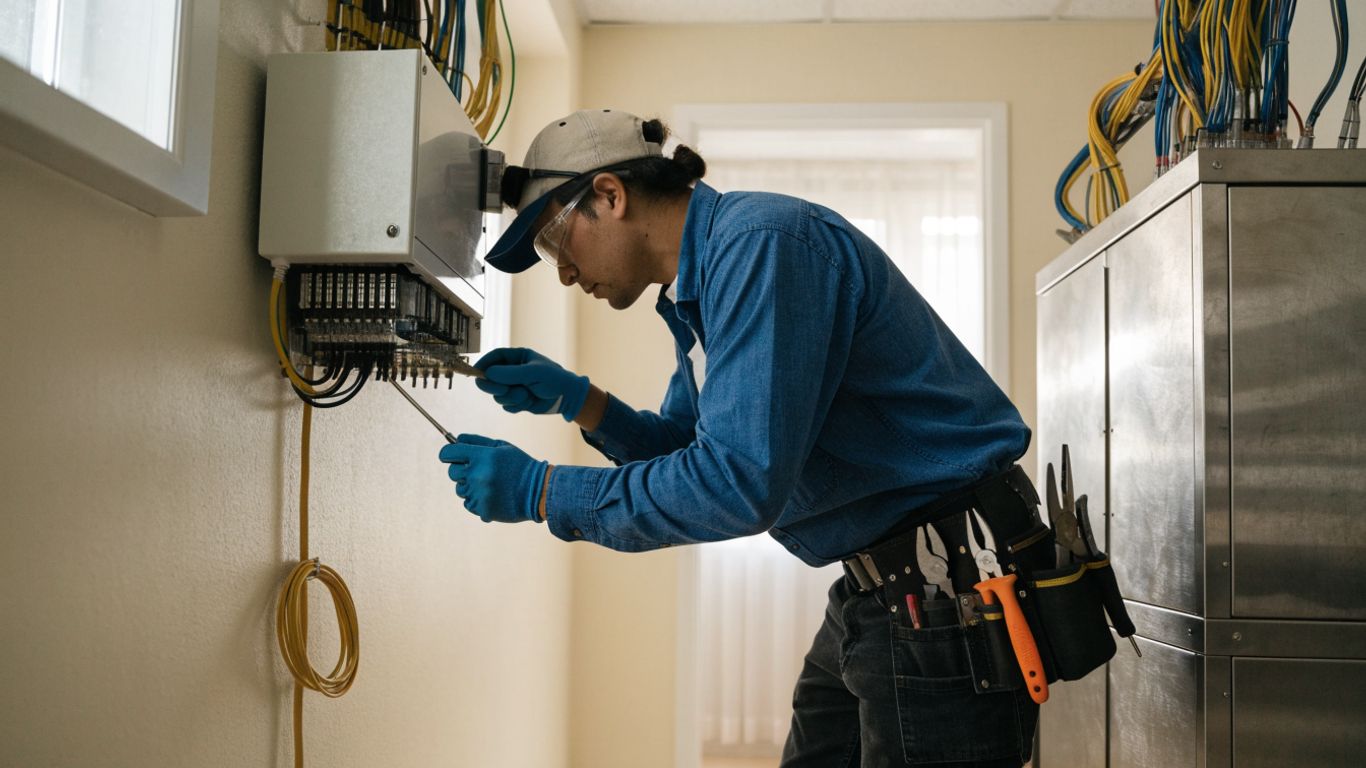
Ask the installer to assess the unit before it is connected and to confirm that it is suitable for the proposed system. Commissioning should follow the equipment documentation and local rules, with appropriate checks recorded. Do not energize equipment with damaged connectors or unknown wiring, and do not attempt high-voltage work yourself. This is a case where a professional’s assessment is part of the purchase decision, not an optional finishing step.
Check local electrical codes and grid-connection rules
Electrical and grid-connection requirements vary by location and installation type. Before buying, ask the installer whether the specific inverter can be used for the planned connection and what approvals, inspections, or utility steps may apply. Do not assume that an earlier installation elsewhere proves that the unit meets current requirements at your property. Confirm the rules before committing to transport or installation costs.
Understand warranty, certification, and insurance implications
Ask what warranty remains, whether it transfers to a new owner, and whether the proposed installation affects coverage. The installer can also help identify certification or documentation requirements and flag questions for your insurer. Get important answers in writing, especially when a private seller makes assurances that are not included in the sale terms. If an insurer or installer cannot confirm acceptability, account for that uncertainty before purchase.
Costs, warranties, and expected value
The asking price is only one part of the cost. Transport, inspection, missing parts, configuration, installation, and possible repairs can change the value of a used inverter quickly. Compare a complete, ready-to-install cost with the price of a new compatible option, while considering the practical value of warranty and support. The cheapest listing may not be the least expensive choice over time.
Compare the total cost with a new compatible inverter
Build a like-for-like comparison using equipment that has been verified for the exact battery and installation. Include the price of the inverter, inspection, shipping, required accessories, installer time, and any work needed to make the unit usable. A used unit can make sense when its condition and history are documented and the savings remain meaningful after these costs. If it needs uncertain repairs or leaves you without support, a discount may not compensate for the risk.
Ask what refurbishment or testing was performed
Ask the seller to explain which tests were carried out, when they happened, who performed them, and what results were recorded. “Tested” is more useful when accompanied by a dated report that identifies the unit and states what was checked. A general claim that it passed does not reveal the scope of the assessment. Save the report and have your installer review whether it addresses the checks needed for the planned installation.
Evaluate warranty coverage and replacement-part availability
Clarify the warranty period, what it covers, who handles claims, and whether labor or shipping is included. Ask how repairs would be arranged and whether relevant parts or service support are available for the exact model. A short or limited warranty may still be acceptable at the right price, but it should be part of the comparison rather than a surprise afterward. Put the terms on the invoice or in a separate written agreement.
Where to source and what to verify before buying
The seller affects how much information and recourse you can expect. A specialist reseller or installer may be able to provide records and explain the unit’s history, while a private seller may have fewer documents; neither category guarantees a good or bad purchase. Look for clear answers, identifiable equipment, and written terms. If the basic details remain vague, it is reasonable to move on.
Compare specialist resellers, installers, and private sellers
Ask each seller the same core questions about model, age, ownership, condition, testing, warranty, and returns. Compare the quality of evidence as well as price, and confirm who is responsible if the unit arrives damaged or proves materially different from its description. Reviews can provide context about a seller, but they cannot establish that a particular inverter is compatible or safe. The strongest listing is the one that lets your installer verify the actual unit.
Request model numbers, test results, and proof of ownership
Before paying, request clear photographs of the rating plate, a written description of condition, available service or test records, and proof that the seller is entitled to sell the equipment. Use the following short request as a starting point:
- Complete inverter model number and nameplate photographs.
- Battery model and generation the seller says it supports.
- Test report, service history, and details of repairs.
- Written warranty, return terms, and included accessories.
These details allow an installer to check the proposed pairing and help prevent disputes about what was included. Keep the seller’s answers, invoice, and supporting documents together. If the seller will not provide basic identifying information, do not treat a compatibility claim as verified.
Confirm return terms and end-of-life recycling options
Read the return conditions before arranging delivery, including who pays transport and whether a restocking or testing fee applies. Agree on what happens if the unit fails inspection or does not match the stated model. If it is beyond repair or unsuitable for reuse, ask a local electrical-equipment recycling provider about appropriate handling rather than putting it in household waste. Clear terms make the purchase easier to manage whether the inverter works out or not.
Conclusion
A recycled or used inverter can only be judged on the specific unit, its verified compatibility, condition, documentation, and support. Take time to confirm the model pairing, involve a qualified installer, and compare the full cost and written terms with a new option. When the evidence is incomplete, waiting for a better-documented unit is often the more sensible decision.
Frequently Asked Questions
Does “recycled inverter” mean the inverter has been refurbished?
Not necessarily. Sellers may use “recycled” to describe resale, repair, recovery of materials, or something else, so ask what was done to the specific unit and request supporting records.
Can any inverter work with a BYD battery?
No general assumption is safe. Confirm the exact battery and inverter models against current documentation and have a qualified installer check the proposed configuration.
What information should I request before buying a used inverter?
Ask for the full model number, nameplate photographs, available service and test records, ownership information, included accessories, warranty terms, and return conditions.
Is a refurbished inverter as reliable as a new one?
That depends on its condition, history, repair work, testing, and available support. The word “refurbished” alone does not establish reliability or predict how long the unit will last.
Should I have a used inverter inspected before installation?
Yes. A qualified installer should assess the equipment and confirm its suitability before connection and commissioning. Do not energize a unit with visible damage or unknown wiring.
What costs should I include when comparing used and new equipment?
Include the purchase price, transport, inspection, missing accessories, configuration, installation, possible repairs, and the value of warranty and service support.
What should I do with an inverter that cannot be reused?
Ask a local provider that handles electrical equipment about appropriate end-of-life recycling or disposal. Follow local requirements and do not place it in household waste.