

Key Takeaways
A used converter can be a practical replacement, but its listing needs to match the vehicle and the part needs to be checked before installation. Confirm fitment, condition, seller terms, and the correct service procedure before spending money.
- Match the part number and vehicle details before buying.
- Compare ratings, connectors, and mounting features with reliable vehicle information.
- Ask for clear photos, donor-vehicle details, and any available test results.
- Check return terms and shipping protection before payment.
- Follow the service manual and use a qualified technician for high-voltage work.
What a BYD DC-DC converter does
A DC-DC converter changes direct-current voltage from one level to another. In an electric vehicle, a converter can supply the low-voltage electrical system from the vehicle’s higher-voltage source. The exact arrangement and specifications depend on the vehicle, so a listing should not be treated as proof of fit. Knowing the converter’s general role helps separate it from parts that have similar-sounding names.
How it supports the vehicle’s low-voltage system
The low-voltage system supplies electrical equipment that needs power while the vehicle is in use or at rest. A DC-DC converter supports that system by converting voltage, rather than serving as the vehicle’s traction motor or energy-storage pack. For background on the general role of converters in EV low-voltage systems, see this EV converter overview. The important buying point is practical: confirm the replacement against the vehicle’s own specifications, rather than assuming every unit described as a converter is interchangeable.
How it differs from an onboard charger and inverter
An onboard charger is associated with charging the vehicle’s high-voltage battery from an external power source, while an inverter converts electrical power for use by an electric motor. A DC-DC converter changes DC voltage between levels. These components may be packaged or described in different ways, so read the listing carefully and verify what assembly is actually being sold. A general explanation of automotive DC-to-DC conversion can help clarify the terminology, but it cannot confirm a particular part’s fitment.
Why converter specifications vary by model and year
Vehicle design and production changes can affect part numbers, electrical ratings, connectors, and mounting details. Even when two parts look similar, a difference in specification or communication requirements may make one unsuitable. That is why a used BYD DC-DC converter should be checked against the exact vehicle identification details and the original part information, not just the model name in an online listing.
How to confirm compatibility
Compatibility is more than a matching vehicle badge. Production year, trim, market, and changes made during a model run can all matter, and the seller may not know every detail of the donor vehicle. Start with the original part number and reliable vehicle-specific information, then compare the candidate unit carefully. A few minutes of verification can prevent the cost and delay of buying a part that cannot be installed.
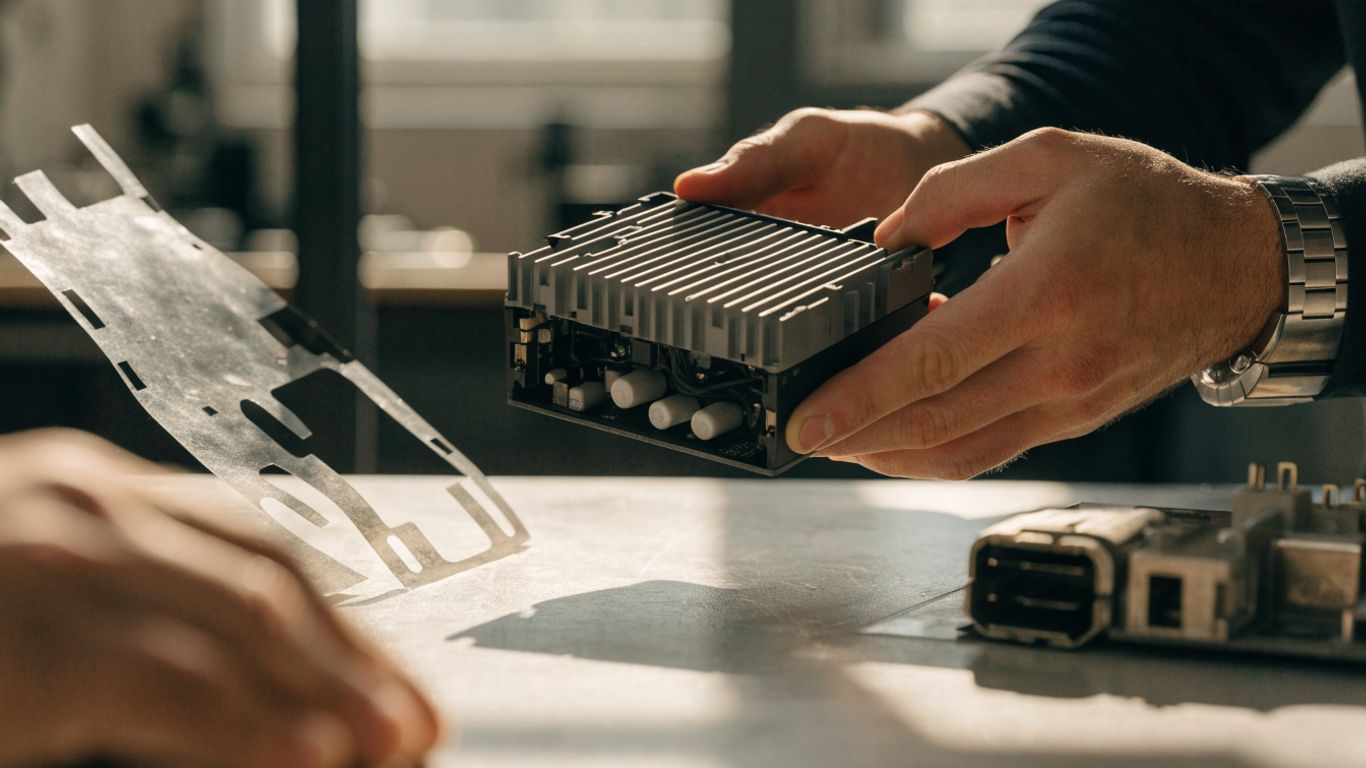
Match the converter to the BYD model and production year
Use the vehicle identification number and production details to confirm which part is specified for the vehicle. Then compare that information with the label and donor details supplied by the seller. A broad model description is only a starting point; it may not distinguish changes within a model year or between vehicle versions. If the fitment remains uncertain, ask a qualified parts specialist or repairer to confirm it before purchase.
Compare part numbers, voltage ranges, and output ratings
The label and vehicle documentation are more useful than a listing title alone. Compare the part number first, then check the voltage range and output rating against the applicable service information. These details help identify mismatches that a photograph may not reveal.
| Check | What to compare | Why it matters |
|---|---|---|
| Part number | Unit label and vehicle information | Helps distinguish similar-looking versions |
| Voltage range | Listing and service documentation | Confirms the electrical specification is appropriate |
| Output rating | Unit label and vehicle requirements | Helps identify a rating mismatch |
| Donor details | Vehicle version and production information | Adds context when a listing is incomplete |
If a number is missing or hard to read, ask the seller for a clearer label photo before proceeding. Do not infer an acceptable range from another vehicle or from a product that merely looks similar.
Check connectors, mounting points, and communication requirements
Compare connector shapes, pin arrangement, casing, and mounting points with the unit being replaced or with reliable service information. A connector that appears to fit is not enough if its pinout or communication requirements differ. Also check for supplied brackets or covers that may be part of the correct assembly. For a used BYD DC-DC converter, unresolved differences are a reason to pause and verify, not to plan on adapting the part after it arrives.
Where to find a used converter
Used units may be listed by dismantlers, parts recyclers, specialist suppliers, or private sellers. The best option is not always the cheapest listing: clear identification, honest condition notes, and workable return terms can make a modest price difference worthwhile. Compare the information each seller provides, not just the headline price. The supplier’s broader inventory may include used, genuine, and aftermarket parts, so ask which type of part is being offered.
Compare salvage yards, parts recyclers, and online marketplaces
A dismantler or recycler may be able to provide donor-vehicle information and answer questions about removal, while a marketplace listing may offer a wider range of sellers but less consistent detail. Check whether photographs show the actual unit rather than a stock image. Compare the asking price with shipping, handling, and any return costs before deciding. A listing for an adjacent component or combined assembly is not automatically a substitute for the part you need.
Ask sellers for donor-vehicle and removal details
Ask for the donor vehicle’s model, production year, and other identification details the seller can provide. Find out whether the converter was removed intact, whether connectors or brackets are included, and whether the seller has any records of its condition. Specific, straightforward answers are more useful than a general assurance that the unit is “tested” or “good.”
Check return terms, warranty coverage, and shipping protection
Before paying, get the return window and any warranty conditions in writing. Confirm how the seller handles a part that arrives damaged or proves incompatible despite the fitment information provided. Ask how the unit will be protected in transit, especially around connectors and exposed edges. General advice about checking claims before a purchase appears in other subjects too, including Botox, Profound and Conductor, Sol scanners, Lluis Law, and garage door tests; those pages are unrelated to vehicle fitment and do not replace a part-specific check.
How to inspect a used unit before buying
A used converter can look clean in a listing photo and still have damage that is difficult to spot once it arrives. Ask for images of the actual unit and take time to inspect the casing, connectors, and label. Any missing information should be resolved before payment, not after installation is underway. A careful check cannot guarantee future performance, but it can help you avoid obvious risks.
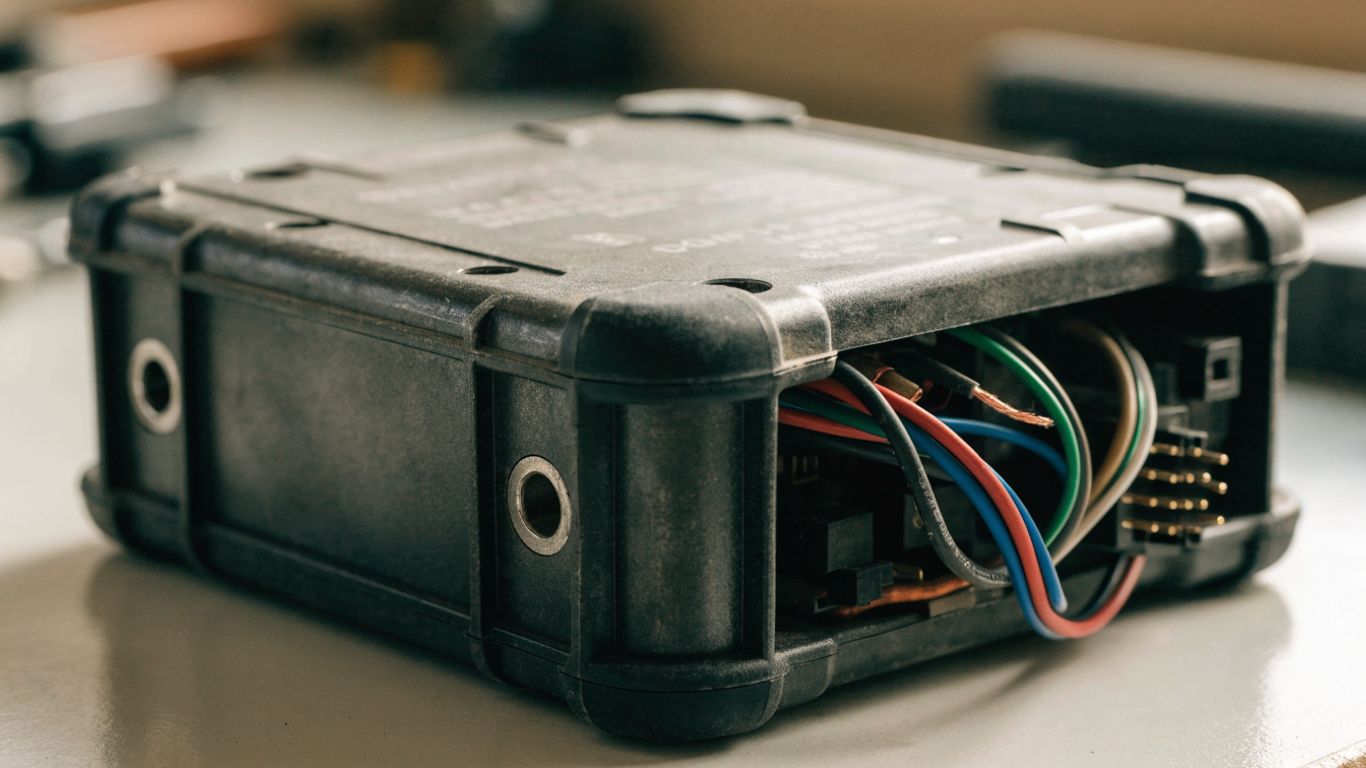
Look for corrosion, impact damage, and signs of overheating
Look for corrosion around connectors, cracked or distorted casing, bent pins, and damage near mounting points. Discoloration, melted material, or a burnt smell may suggest exposure to excessive heat, although photographs alone cannot establish the cause. Ask the seller to describe anything unusual rather than relying on a cropped image. If the unit appears to have been dropped, opened, or repaired, request more detail before deciding.
Review photos of connectors, casing, and labels
Ask for clear, well-lit pictures from several angles: the full casing, each connector, mounting points, and the part-number label. The label should be legible enough to compare against the vehicle information, and the connector photos should show their condition without covers or packaging hiding damage. A 3D scan is a different sort of inspection tool; if you are comparing scanning equipment for other projects, a guide to Sol 3D scanners covers that separate topic. For this purchase, close-up photos and correct identification remain the key evidence.
Request test results and verify the part number
Ask what test was performed, when it was done, and whether the result applies to the specific unit shown. A vague claim that a part is “working” is less useful than a record that identifies the item and the test conditions. Verify the part number against reliable vehicle-specific information as well. If the seller cannot provide a number or credible test details, factor that uncertainty into the decision—or choose another unit.
How to install it safely
Installing a converter involves vehicle electrical systems, and procedures can differ by model and configuration. Do not treat a used-part purchase as a reason to improvise around the service manual. If the work involves high-voltage components or you are not trained for the procedure, have a qualified technician handle it. Careful preparation helps protect both the vehicle and the person doing the work.
Prepare the vehicle and follow high-voltage safety procedures
Use the vehicle-specific service information to identify the required shutdown, isolation, and verification steps before work begins. High-voltage systems can remain hazardous even when a vehicle appears to be switched off. A technician should use the specified protective equipment and suitable test tools, and should not proceed if the system’s safe state cannot be confirmed.
Confirm the service manual’s replacement and mounting steps
Use the correct manual for the vehicle and follow its sequence for access, removal, installation, fasteners, and connector handling. Before fitting the replacement, compare it with the removed unit and confirm that its part number and physical details match. Keep the work area clean and avoid forcing a connector or mounting point that does not align. Recheck the manual’s final inspection steps before restoring the vehicle to service.
Check whether coding, calibration, or software updates are needed
Do not assume that a physically compatible part will operate correctly without any follow-up. The service information or a qualified repairer can establish whether coding, calibration, or software work applies to this specific replacement. If that requirement is unclear, resolve it before installation rather than discovering it through warning lights afterward.
How to test operation after installation
After installation, verify the result using the procedure specified for the vehicle rather than relying on a single quick reading. Check for normal low-voltage operation and look for warning messages or stored faults. If something seems wrong, diagnose the system methodically before buying another part. A new symptom after installation does not by itself prove that the replacement converter is the cause.
Measure low-voltage output using the specified procedure
Use the vehicle’s specified test conditions and suitable measuring equipment. Compare readings with the relevant service information, since a number without the correct operating conditions may be misleading. Do not probe connectors or high-voltage circuits unless trained and authorized to do so. If the reading falls outside the specified range, follow the diagnostic procedure rather than treating the first measurement as a complete diagnosis.
Check for warning lights, diagnostic codes, and communication faults
Review the instrument panel for warnings and use appropriate diagnostic equipment to check for stored or current codes. Record the exact codes and their context before clearing anything. Communication faults may point to a connector, wiring, configuration, or another system issue, so inspect the evidence rather than assuming the converter itself has failed. Consult the vehicle-specific diagnostic information when the cause is not clear.
Troubleshoot charging issues without replacing parts prematurely
A low-voltage charging concern can have more than one cause. Before condemning the installed unit, check the relevant connections and fuses and confirm that the test was performed under the right conditions. If the evidence still indicates a fault, follow the manual’s diagnostic sequence or ask a qualified technician to continue testing. Replacing parts without confirming the cause can add expense without resolving the original problem.
Conclusion
Choosing a used converter is mostly a matter of patient verification: identify the right part, inspect the actual unit, understand the seller’s terms, and follow the vehicle-specific installation and test procedures. When fitment or high-voltage safety is uncertain, pause and get qualified help before proceeding.
Frequently Asked Questions
Can I choose a used converter by vehicle model alone?
No. Model and year are useful starting points, but part number, production details, ratings, connectors, and other fitment information may also matter.
What should I ask a seller before buying?
Ask for the donor vehicle details, a clear part-number photo, the condition of the connectors and casing, any test information, and written return terms.
Are two converters interchangeable if they look the same?
Not necessarily. Similar appearance does not establish that electrical ratings, pin arrangement, communication requirements, or mounting details match.
What photos should I request?
Request clear images of the entire unit, its label, connectors, mounting points, and any visible damage. Make sure the photos show the actual part for sale.
Does a seller’s test claim guarantee the part will work in my vehicle?
No. Ask what was tested and verify fitment separately. A test claim is useful only when its details are clear and relevant to the specific unit.
Can I install a converter myself?
Only if you are trained and can follow the correct vehicle-specific procedures. High-voltage work carries serious hazards, so uncertain or inexperienced buyers should use a qualified technician.
What should I do if a warning appears after installation?
Record the warning and any diagnostic codes, then follow the service information to investigate. Avoid replacing additional parts until testing points to a cause.