

Key Takeaways
Used parts can be a sensible way to repair an electric vehicle, provided the part is identified and checked carefully.
- Confirm the exact model, year, variant, and part number before buying.
- Treat batteries and other high-voltage components as specialist items.
- Compare the complete fitted cost, not only the advertised part price.
- Use qualified technicians for high-voltage work and electronic calibration.
- Keep clear records so future repairs and resale decisions are easier.
Understand your BYD model and parts requirements
Finding second hand BYD parts Melbourne drivers can trust starts with accurate identification. Electric vehicles often share a model name while differing in trim, production year, software, drivetrain, or equipment. A photograph may look convincing, but it is not enough to establish compatibility. Gather the vehicle identification number, registration details, service history, and the failed part before contacting a supplier.
Identify the exact BYD model, year, and variant
Start with the compliance plate, registration documents, and the vehicle’s onboard information. Record the model, build year, delivery year, battery or drivetrain description, body style, and trim level. Do not assume two vehicles with the same badge use identical mirrors, modules, suspension parts, or interior fittings.
A clear photograph of the damaged component is useful, especially when it shows mounting points and connectors. If the vehicle has been repaired previously, note that too; an earlier repair may have replaced an original part with a later revision. A vehicle health check can also provide a structured record of visible wear and inspection findings, although it does not replace a model-specific parts check.
Match part numbers and vehicle specifications
Part numbers are usually more dependable than descriptions such as “fits all models.” Ask for the number printed or moulded on the original component, then compare suffixes, connector layouts, left- or right-hand orientation, and revision markings. Share the VIN with the seller where appropriate, but still ask them to confirm the match in writing.
Descriptions on marketplaces can be incomplete, so request photographs of labels and attachment points. This is especially useful for electronic modules, lamps, sensors, and trim pieces that may look alike while using different plugs. A written match reduces guesswork when the part arrives and gives you something concrete to refer to if a return becomes necessary.
Distinguish EV-specific components from standard parts
Some items, such as wiper blades, cabin trim, glass, and certain body fasteners, can be assessed much like parts for other modern cars. High-voltage batteries, electric motors, inverters, charging hardware, isolation components, and some control modules require a more cautious process. Their condition may not be obvious from the outside, and incorrect handling can create serious safety risks.
Ask whether the item is a complete assembly or only a subcomponent. A charger, for example, may include control electronics and specific connectors that are not interchangeable simply because the casing is similar. Make the distinction before comparing prices or arranging transport.
Decide whether you need a replacement, repair, or upgrade
A replacement is appropriate when a component is damaged beyond economical repair or when a safety-related item cannot be restored reliably. Repair may make sense for cosmetic trim, a minor bracket, or a serviceable electrical connection, but it should be assessed by someone familiar with the vehicle. An upgrade deserves a separate question: will it work with the existing wiring, software, sensors, and approval requirements?
Set out the symptom rather than naming the presumed cause. A warning light, unusual noise, or charging fault may originate elsewhere. For broader planning, even a guide about rebuilding after disruption illustrates a useful principle: make a staged plan rather than rushing into the first available solution.
Find reliable second hand BYD parts in Melbourne
Melbourne buyers have several ways to source used components, from local dismantlers to online listings and interstate networks. Convenience matters, but traceability matters more. Ask where the part came from, how it was removed, and what checks were performed before it was listed.
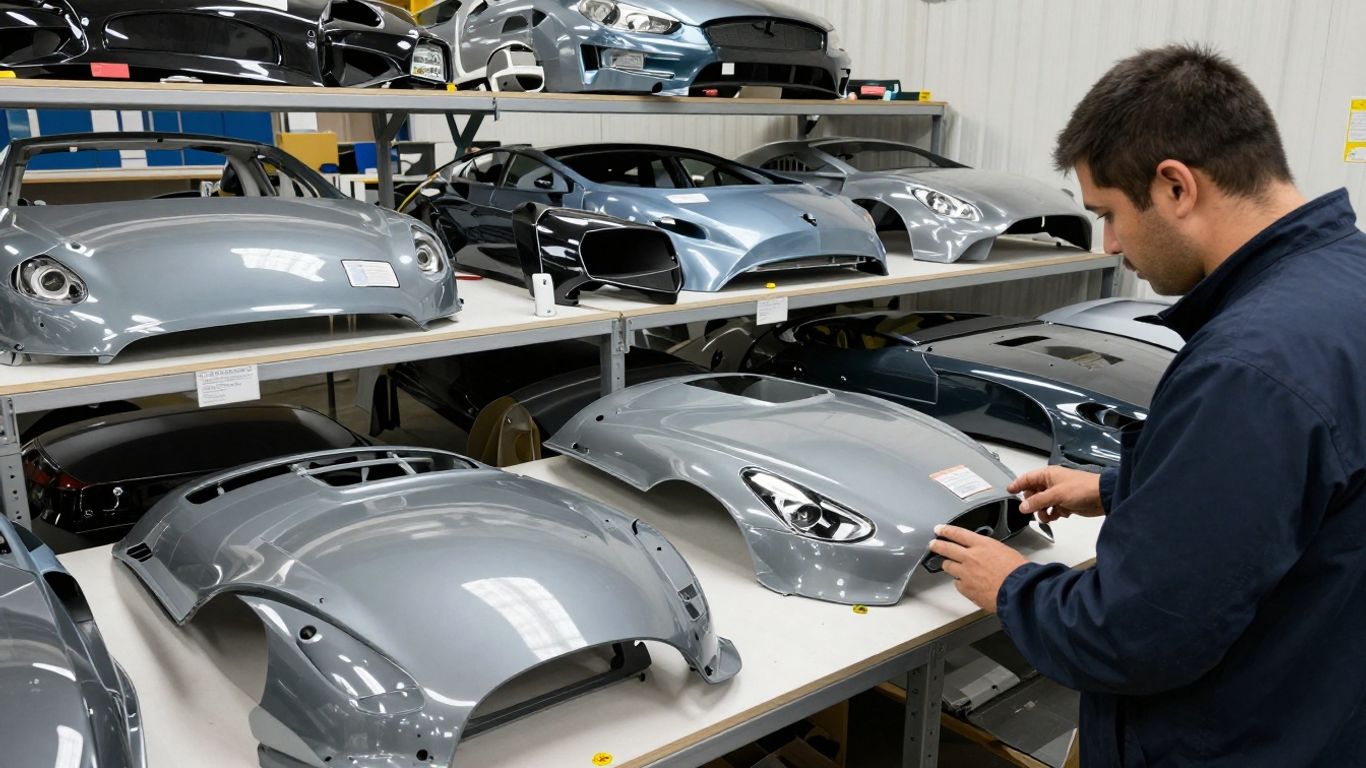
The best enquiry includes the VIN, part number, vehicle photos, and your preferred collection or delivery date. That gives a supplier enough information to check stock properly instead of making a broad guess.
Compare BYD wreckers, dismantlers, and specialist suppliers
A wrecker may offer parts removed from damaged vehicles, while a dismantler may catalogue individual components and provide photographs or test notes. A specialist supplier may be better placed to discuss EV-specific systems, although its pricing and availability can differ. Compare the information each source provides, not just the headline price.
For a wider search, used BYD parts can be checked by model, year, VIN, part number, or category. A separate Australian wrecker network may help when a Melbourne listing is unavailable. These searches are most useful when you already know the exact component you need.
Check local inventory and online marketplaces
Search using several terms: the common part name, the manufacturer number, the model variant, and the side or position of the component. Look at the listing date, seller location, photographs, and stated condition. Confirm that “complete” includes the brackets, wiring, keys, sensors, or covers your installation requires.
Do not treat an online listing as a final diagnosis. Send the seller your vehicle details and ask them to confirm compatibility before payment. If the listing is vague or the photographs conceal labels and damage, move on rather than trying to make the part fit through optimism.
Verify supplier experience with electric vehicles
Ask practical questions about isolation procedures, battery storage, connector protection, and technician involvement. A supplier does not need to promise that every part is perfect, but it should be able to explain how high-voltage components were removed, stored, and assessed. Clear answers are a better signal than confident general language.
A local EV parts service may be useful when you need guidance on batteries, motors, electrical parts, or difficult-to-source components. Keep any claims about testing tied to the specific part you are buying, and request documentation where the component is safety-critical.
Assess pickup, delivery, and interstate sourcing options
For small trim items, standard courier delivery may be straightforward. Large panels need protective packaging, while batteries and other regulated or hazardous items may require specialist transport and restrictions. Before paying, confirm the collection address, delivery timeframe, insurance, packaging method, and who carries responsibility for transit damage.
Interstate sourcing can widen the search but may reduce the convenience of an exchange or inspection. Ask for measurements and detailed photographs before arranging freight. A short delay is often cheaper than receiving an unsuitable part and paying twice for transport.
Evaluate the condition and compatibility of used parts
A used component should be judged against its role, not merely its appearance. Cosmetic damage may be acceptable on a hidden bracket but unacceptable on a door skin or camera mount. Mechanical wear, water exposure, corrosion, impact damage, and missing fasteners can all change the real value of a part.
Make the seller’s description specific: tested, inspected, refurbished, or simply removed from a vehicle are different statements. Record the conversation and save photographs of the item before it is shipped.
Inspect body panels, trim, and interior components
Check panels for ripples, repaired seams, paint overspray, distorted mounting holes, and corrosion around edges. For doors, bonnets, and tailgates, ask whether hinges, handles, glass, wiring, weather seals, and trim are included. Colour matching is never guaranteed from a photograph, even when the paint code appears correct.
Interior parts should be checked for broken clips, staining, odour, sun damage, and deployed airbag covers. Ask for close images of touch points and hidden faces. A clean-looking dashboard or seat can still have broken mounts that only become apparent during installation.
Assess mechanical and suspension parts
Suspension arms, steering components, hubs, brakes, and underbody parts deserve close inspection after any collision. Look for bends, cracks, heavy rust, damaged threads, leaking seals, and uneven wear. A component that came from a damaged vehicle may have absorbed a load even if its visible surface looks sound.
Ask how the part was removed and whether its fasteners or associated sensors are included. Some wear items are inexpensive enough to replace new, while a used structural or safety-related component may not be worth the saving. Have a technician assess questionable parts before they are fitted.
Handle batteries, motors, inverters, and charging equipment carefully
High-voltage equipment should not be casually tested or opened at home. Ask for the component’s identification, storage conditions, removal method, and available test information. For a battery assembly, relevant records may include visible casing condition, impact history, signs of moisture, and the diagnostic results a qualified workshop can provide.
Transport and storage are part of the risk assessment. Do not accept a loose, poorly protected assembly with unclear provenance. If the seller cannot explain how the component was isolated and stored, the apparent bargain is not a sound basis for purchase.
Confirm testing, refurbishment, and storage procedures
“Tested” should come with some detail. Ask what was tested, when it was tested, under what conditions, and whether the result applies to the exact item being sold. Refurbishment should identify what was replaced or repaired rather than using the word as a general assurance.
The same preference for documented evidence applies in other service decisions, including choosing automated follow-up after an initial appointment: a clear record is more useful than a vague promise. For used parts, retain test sheets, serial numbers, photographs, and written conditions so the purchase remains traceable.
Buy safely and control the total cost
The cheapest listing is not necessarily the least expensive repair. A part may need programming, painting, seals, clips, calibration, freight, or specialist fitting before the vehicle is usable. Calculate the likely total before deciding, and compare that figure with a new, remanufactured, or aftermarket option.
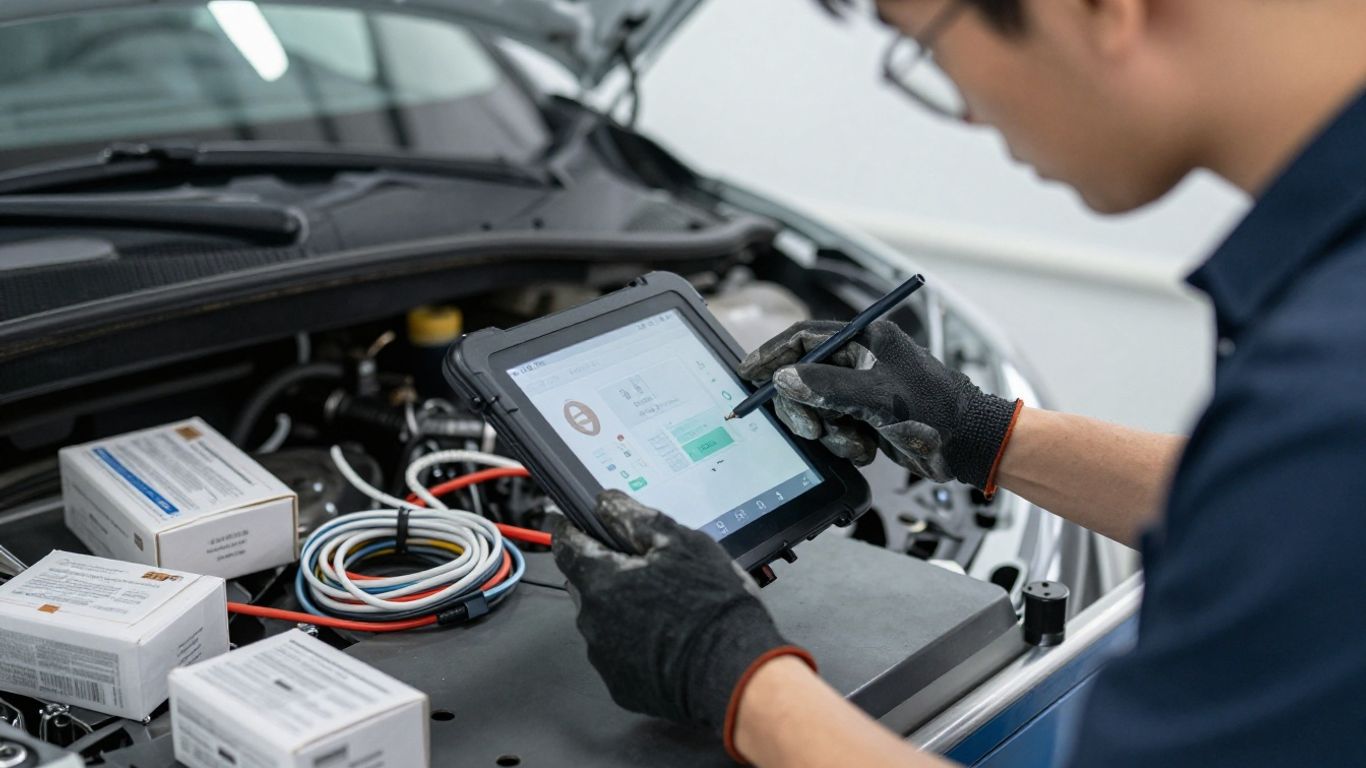
The right choice depends on the part’s risk, availability, expected service life, and return options. Take extra care with anything connected to braking, restraint, steering, charging, or high-voltage systems.
Compare used-part prices with new and aftermarket alternatives
Request comparable quotes for the same specification. A used door shell is not directly comparable with a complete door containing glass, wiring, lock hardware, and a mirror. Likewise, an electronic module may appear inexpensive until coding or diagnostic work is added.
Use a simple comparison that includes condition, warranty, delivery, and installation. A new part may offer clearer support, while a used original part may be preferable for fit or availability. Neither is automatically the better choice without knowing the complete job.
Account for shipping, fitting, diagnostic, and disposal costs
Write down every likely cost before ordering. Include inspection time, freight, packaging, workshop labour, paintwork, programming, calibration, disposal of the old component, and any temporary transport. This prevents a low advertised price from obscuring a high fitted price.
A small contingency is sensible when a damaged vehicle is being repaired. Hidden clips, seized fasteners, or an additional fault can extend the job. Ask the workshop which costs are fixed and which depend on what they discover during removal.
Review warranties, returns, and buyer protections
Read the warranty period, exclusions, return window, restocking fees, and requirements for proving a fault. Confirm who pays return freight and whether the part must remain uninstalled for an exchange. Keep the invoice and correspondence, particularly for electronic or high-value components.
Before buying from a distant seller, check whether an in-person inspection is possible and how disputes are handled. A written agreement about condition and compatibility is valuable. It also helps separate a genuine used part from a listing that relies on broad, reassuring language.
Avoid counterfeit, damaged, or incorrectly listed components
Be cautious when the seller avoids part numbers, uses only stock images, or pressures you to pay quickly. Compare labels, mouldings, connectors, and fastener positions with reliable photographs. A suspiciously cheap component may be incomplete, previously damaged, or incorrectly described rather than simply a lucky find.
Walk away if the seller cannot answer basic questions about origin and condition. For business owners, the discipline of keeping business valuation records offers a useful parallel: clean, defensible records make decisions easier. For a parts purchase, that means a real invoice, identifiable seller, exact component description, and clear terms.
Install second hand BYD parts correctly
Installation is not finished when the replacement is bolted into place. Electrical systems may need diagnostics, coding, resets, or calibration, while body repairs can affect cameras and sensors. Plan the fitting with a workshop that understands the relevant system and can verify the result.
Share the part’s history with the technician, including any test results and known damage. That context can change how the component is inspected before installation.
Know which repairs require qualified EV technicians
High-voltage batteries, motors, inverters, charging equipment, isolation faults, and damaged orange cabling should be handled by appropriately trained technicians. The same caution applies when a collision may have affected hidden electrical components. Do not rely on general mechanical experience alone for work involving exposed high-voltage systems.
Routine trim or some non-high-voltage mechanical work may be less specialised, but the workshop should still follow the manufacturer’s repair information and use suitable diagnostic equipment. Ask what qualification, procedure, and warranty the workshop provides for the specific task.
Follow high-voltage safety procedures
A qualified technician should isolate the vehicle, verify the absence of voltage with suitable equipment, control access, and protect disconnected connectors from damage or contamination. Damaged battery casings and cables must be treated as hazards, not ordinary salvage.
Never improvise a test, bridge a connector, or open a battery pack because a used part looks inactive. If there has been a crash, water exposure, smoke, heat, or a strong electrical smell, stop work and obtain specialist advice.
Calibrate sensors, cameras, and driver-assistance systems
Replacing a windscreen, bumper, mirror, grille, camera, radar, or suspension component can alter alignment. The vehicle may require a scan, calibration routine, road test, or a combination of these steps. Ask the workshop to identify which systems are affected rather than assuming warning lights will reveal every problem.
Calibration records should name the work completed and note any outstanding fault codes. If the replacement changes the position of a sensor or its mounting bracket, fitting alone is not enough. Correct operation must be confirmed under controlled conditions.
Test the vehicle after installation
Begin with a visual inspection, connector check, and diagnostic scan. Then test the relevant function in a safe area: doors should latch, lights should operate, charging should proceed normally, and warning messages should be resolved rather than dismissed. Listen for unusual sounds and check for leaks, vibration, or new fault codes.
A short follow-up drive can reveal issues that are not present while stationary. Record the mileage, test results, and any return visit needed. Do not hand the vehicle back to regular use until safety-critical concerns have been cleared.
Make sustainable and practical parts decisions
Reusing a sound component can keep useful material in service and reduce the need to manufacture a replacement. It is not automatically sustainable, though: a part that fails quickly or requires repeated freight may create more cost and waste. Consider durability, repairability, packaging, and the likely life of the vehicle together.
A sensible decision is both environmental and financial. The objective is not to choose used parts every time, but to avoid unnecessary disposal while maintaining safe, dependable transport.
Reduce waste through component reuse
Dismantling allows usable doors, lamps, seats, trim, modules, and mechanical components to serve another vehicle. Ask whether the supplier recycles unusable material and how damaged high-voltage equipment is managed. Responsible handling matters as much as the initial act of reuse.
Reuse is most compelling when the component is identifiable, serviceable, and a good match. It can also preserve an original fit that is difficult to achieve with a poorly matched substitute.
Choose recyclable or repairable parts where possible
When comparing options, ask whether a damaged part can be repaired, whether separate subcomponents are available, and whether the material can be recycled at the end of its life. A replaceable connector or bracket may save an otherwise usable assembly from disposal.
Do not compromise safety to make a part last longer. Repairability is valuable for suitable items, but structural, restraint, braking, and high-voltage decisions should follow qualified technical advice.
Balance vehicle age, part availability, and long-term value
A newer vehicle may have fewer used parts in circulation, while an older model may offer more dismantled stock but greater variation in revisions. Consider how long you expect to keep the car, how quickly the part is needed, and whether future maintenance support is available.
A Melbourne BYD vehicle range can help put model availability into context when you are comparing an existing vehicle with a replacement. That does not decide the repair for you, but it encourages a broader calculation than the immediate invoice.
Keep records of sourcing, installation, and maintenance history
Save the seller’s details, invoice, part number, donor vehicle information, photographs, test reports, warranty terms, and installer’s notes. Record calibration results and any diagnostic work as well. These documents help with future troubleshooting and give a buyer a clearer history if you sell the vehicle.
Good records also prevent repeated searching for the same information. If a module or trim item needs replacement later, the exact specification may already be documented. That small habit can save time and avoid another incorrect order.
Conclusion
Finding second hand BYD parts Melbourne buyers can use confidently is mainly a matter of careful identification, honest condition checks, safe installation, and realistic cost comparison. Treat high-voltage equipment and electronic calibration as specialist work, keep the paperwork, and choose reuse when it makes practical sense. A measured purchase is usually better than the fastest available one.
Frequently Asked Questions
Are second hand BYD parts reliable?
They can be reliable when the part’s identity, condition, origin, and testing are clear. Reliability depends on the component and its history, so ask for specific evidence rather than relying on a general assurance.
How do I know whether a used part will fit?
Match the VIN, model year, variant, part number, connector layout, orientation, and revision details. Ask the supplier to confirm compatibility in writing before payment.
Is it safe to buy a used EV battery?
A used battery should be assessed, handled, transported, and installed by suitably qualified professionals. Request information about impact, moisture, storage, isolation, and diagnostic testing before considering the purchase.
Should I buy used, new, or aftermarket parts?
Compare the complete fitted cost, warranty, availability, expected life, and safety implications. A used original component may offer good value, but a new or aftermarket option may be more sensible for some parts.
What information should I send a parts supplier?
Provide the VIN where appropriate, model and build year, variant, part number, photographs, the damaged part’s position, and details of any previous repair. This reduces the chance of an incorrect match.
Do used parts usually come with a warranty?
Warranty terms vary by seller and component. Check the duration, exclusions, return process, installation requirements, and who pays freight if the part is faulty or unsuitable.
What should I do if a warning light remains after installation?
Stop treating the repair as complete and arrange a diagnostic inspection. The part may need coding or calibration, or the original fault may have another cause. Avoid clearing warnings without identifying the underlying issue.