

Key Takeaways
Buying cheap BYD parts online is safest when you identify the exact component first and judge the complete purchase cost, not just the listing price.
- Match the part to the vehicle’s model, year, trim, and VIN.
- Compare OEM, aftermarket, used, and refurbished options carefully.
- Check shipping, taxes, warranty coverage, and return terms.
- Treat vague fitment details and unusually low prices as warning signs.
- Keep written records and use a qualified installer for complex work.
Identify the exact BYD part you need
A low price is of little value if the component does not fit your vehicle. Start with the vehicle’s identifying details, then narrow the search to the precise assembly or replacement piece. Photos can help, but they should support—not replace—technical fitment information.
Match the model, year, and trim
Begin with the full model name, production year, body style, drivetrain, and trim level. Vehicles that look almost identical may use different lamps, sensors, suspension pieces, interior panels, or electronic modules. Record the market where the vehicle was sold too, because regional versions can vary.
When searching, use a precise phrase rather than a broad category. “Front-left mirror for [model] [year] trim” is more useful than simply searching for a mirror. Save the listing details so you can compare them with the vehicle before paying.
Use the VIN to confirm compatibility
The VIN is the strongest starting point for confirming a vehicle’s build and equipment. Send it to the seller or parts desk and ask for written confirmation that the listed component matches that VIN. A seller who can only say “it should fit” has not given you enough protection.
VIN confirmation is especially valuable for electrical parts, safety equipment, and components with several revisions. Do not share more personal information than necessary; the vehicle identification number should be enough for a fitment check in most cases.
Compare OEM, aftermarket, and used parts
OEM parts are generally chosen for original-equipment specification, while aftermarket parts vary by manufacturer and quality level. Used parts can be economical for cosmetic or non-wear components, but their condition and history need closer inspection. Refurbished parts may offer another middle ground, provided the refurbishment process is explained.
A simple comparison can keep the decision practical:
| Part type | Potential advantage | Main question to ask |
|---|---|---|
| OEM | Original specification | Is it supplied through a credible channel? |
| Aftermarket | Wider price range | Who made it, and what testing supports it? |
| Used | Lower purchase price | What is its condition and return window? |
| Refurbished | Reconditioned alternative | Which components were inspected or replaced? |
The cheapest category is not automatically the cheapest ownership choice. Factor in installation, the likelihood of an early replacement, and whether a failed part could affect safety or other systems.
Check part numbers and fitment details
Look for the manufacturer or supplier part number, superseded numbers, connector style, dimensions, mounting points, and side orientation. Compare those details with the old component and any workshop documentation. A listing that provides only a generic title leaves too much room for a mismatch.
Use the [BYD Parts Catalog as one reference point when comparing model information and catalog descriptions. It should still be checked against the VIN and the seller’s own fitment confirmation before ordering.
Find reliable sources for cheap BYD parts online
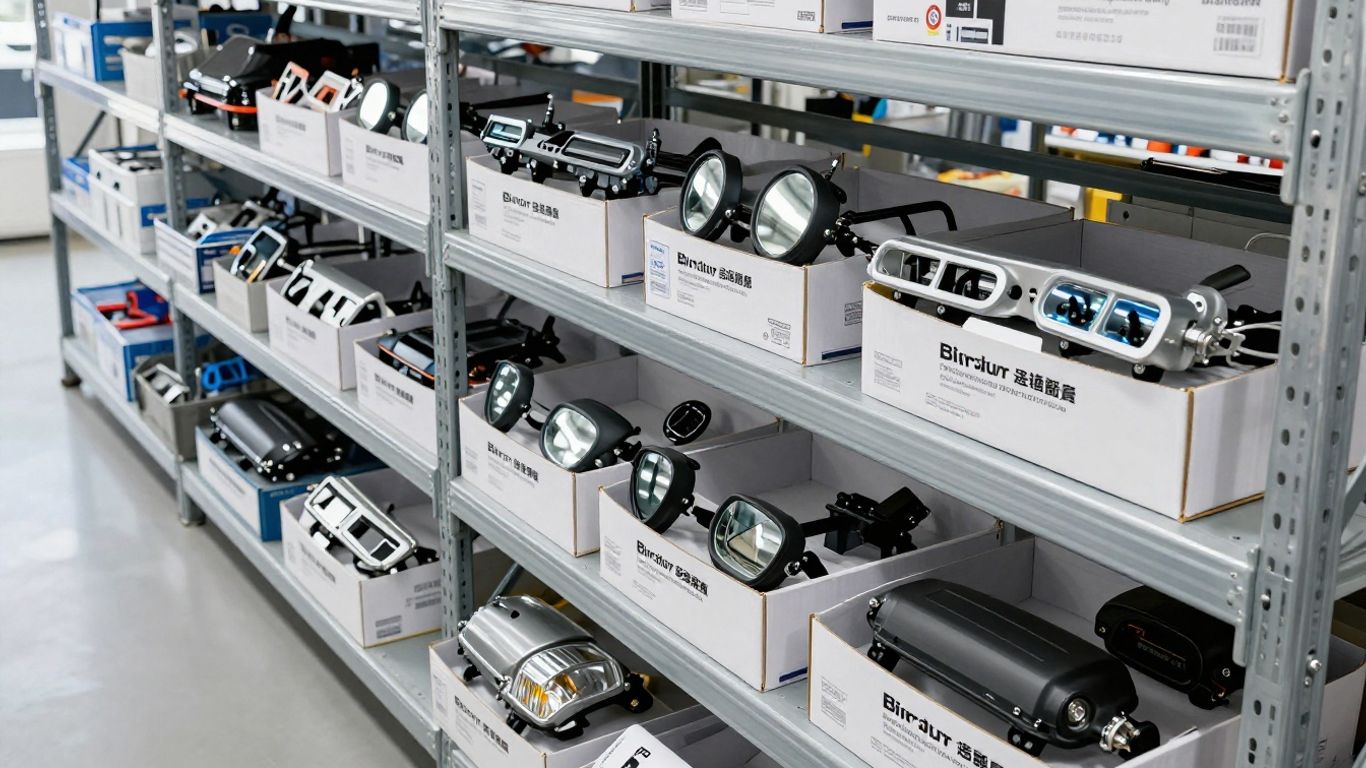
The best source is not necessarily the one with the lowest headline price. A dependable seller makes it possible to verify fitment, understand condition, and resolve a problem if the shipment is wrong. Spend a few minutes checking the business before spending money on the part.
Compare authorized dealers and independent suppliers
An authorized dealer may provide stronger access to original part records and vehicle-specific support, while an independent supplier may offer more used or aftermarket choices. Compare the information each one provides rather than assuming either category is universally better.
Ask whether the item is physically in stock, whether the quoted part number is exact, and whether the supplier will check the VIN. A clear answer to those questions is more useful than a large product count.
Evaluate BYD parts catalogs and online marketplaces
Catalogs are useful for identifying names, diagrams, and possible part numbers. Marketplaces can broaden the search, but their listings may come from sellers with different standards and return practices. Read the individual listing instead of relying only on the marketplace’s category label.
For accessory and trim searches, TOP BYD accessories is one example of a model-organized storefront. Compare its listing information with other sources and confirm that the item is appropriate for your vehicle’s market and trim.
Review supplier experience and vehicle coverage
A supplier familiar with the relevant models should be able to discuss common revisions, regional differences, and the information needed for fitment. Coverage claims still need testing: search for the exact model and part category, then ask a specific question before ordering.
You can also compare a supplier directory with the BYD parts suppliers guide, while treating any directory as a starting point rather than proof of quality. The useful test is whether the seller can give consistent answers about part numbers, condition, dispatch, and returns.
Look for clear business and contact information
Check for a business name, physical or registered address, working email, telephone number, and a stated returns process. A secure checkout is helpful, but it does not compensate for a seller who cannot be reached after payment.
General vetting habits transfer across industries. For example, comparing London renovation contractors involves checking insurance, portfolios, quotes, and contracts; the same habit of verifying a supplier’s identity and terms applies here, even though the products differ.
Compare prices beyond the listed part cost
A part advertised at a low price can become expensive once delivery and import charges are added. Build the full landed cost before comparing sellers. This also makes it easier to distinguish a genuine bargain from a listing that simply leaves important charges undisclosed.
Calculate shipping, taxes, and import fees
Request a complete delivery quote to your address and check which currency is being used. Depending on the destination, taxes, customs charges, brokerage fees, and currency conversion costs may be collected separately. Ask who is responsible for each charge and whether the courier will contact you before delivery.
Write the total beside the part price rather than keeping the figures in separate messages. A slightly higher local offer may cost less overall if it avoids international handling and uncertain customs charges.
Check minimum order requirements
Some suppliers set minimum order values or sell small fasteners and trim pieces in packs. Confirm the required quantity before assuming the displayed unit price is the amount you will pay. This matters particularly when you need one sensor, clip, cover, or switch rather than a complete set.
Use this short price check before committing:
- Add the item price and every stated delivery charge.
- Ask whether taxes, customs, or brokerage fees are excluded.
- Confirm the quantity, pack size, and minimum order value.
- Include installation or diagnostic costs in the comparison.
Once these figures are visible, the value of cheap BYD parts online becomes easier to judge. The lowest item price may not produce the lowest finished repair bill.
Compare warranty and return policies
Read how long the warranty lasts, what it covers, and who pays return shipping. Some policies exclude electrical components after installation or require evidence that a professional fitted the part. Ask whether a replacement, refund, or store credit is offered when the item is defective.
A return policy should also explain the condition required for unused parts, the deadline for opening a claim, and the documents the seller needs. Save a copy before checkout because online terms can change.
Watch for unusually low prices
A dramatic discount may reflect a used component, an incomplete assembly, an outdated part number, or a listing error. It can also signal counterfeit goods or a seller who has omitted delivery and import charges. Compare several equivalent listings and ask why the price differs before treating it as a deal.
Be particularly cautious when the description is copied, the photos are generic, or the seller refuses to provide a part number. A clear paper trail matters when the price looks unusually attractive.
Verify part quality before ordering
Quality checks are possible even when the purchase happens online. They begin with the listing, continue through direct questions to the seller, and end with inspecting the shipment before installation. For safety-related and high-voltage components, involve a qualified technician rather than relying on photographs alone.
Inspect product photos and technical descriptions
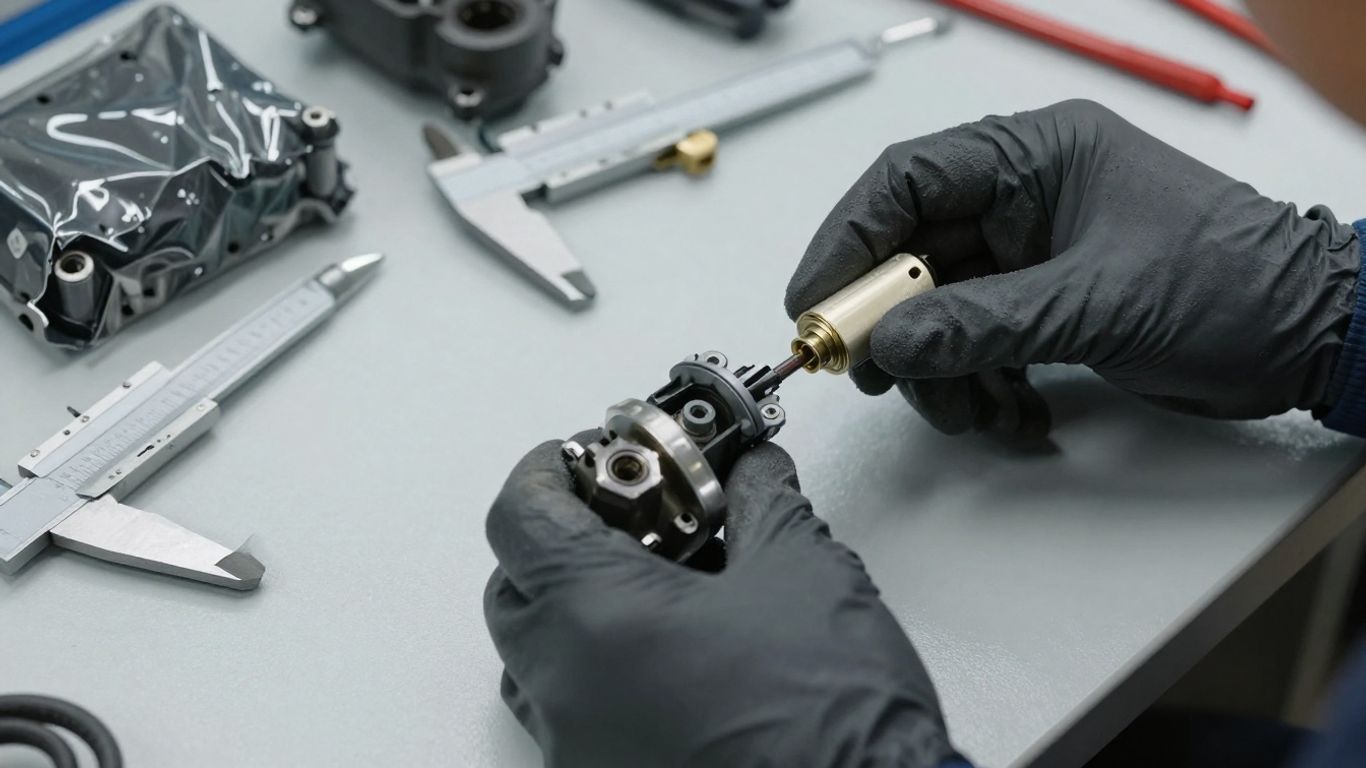
Look for sharp, original photos showing connectors, labels, mounting points, seals, and any visible wear. The description should identify the exact part, its condition, dimensions where relevant, and what is included. Generic stock photography is not enough for a used or revised component.
Ask the seller for additional photographs if the important surfaces or identification marks are hidden. Compare those images with the vehicle’s existing part before placing the order.
Confirm whether the part is new, used, or refurbished
“Genuine” does not necessarily mean new, and “tested” does not explain how a used component was evaluated. Ask whether the item has been installed, repaired, cleaned, or removed from a damaged vehicle. For refurbished parts, request a plain description of the work completed and any remaining limitations.
Condition should appear on the invoice or order confirmation, not only in a chat message. That detail can determine whether a return claim is accepted later.
Check certifications and manufacturing standards
For components connected to braking, restraint systems, charging, or high-voltage systems, ask which standards or certifications apply in your market. Do not accept a badge or logo without a certificate, manufacturer name, or traceable documentation. A seller should be able to explain what the certification covers.
For ordinary trim or cosmetic items, the same level of certification may not apply, but material, dimensions, and mounting quality still matter. Match the evidence requested to the risk of the part.
Read customer reviews for fit and durability
Reviews are most useful when they identify the vehicle model, year, part number, and installation result. Give more weight to detailed reviews with photographs than to one-line ratings. Look for repeated comments about incorrect connectors, poor finish, premature failure, or difficult returns.
Treat reviews as signals rather than guarantees. A part that fitted one vehicle may still be wrong for another regional version or production revision.
Avoid common risks when buying BYD parts online
Online parts shopping carries risks that are easy to overlook when a listing looks polished. Counterfeits, unclear stock, weak payment protections, and international returns can turn a small saving into a prolonged repair problem. A deliberate check before payment is usually faster than fixing a bad order afterward.
Recognize counterfeit and misleading listings
Be wary of copied photographs, inconsistent logos, misspelled technical terms, and descriptions that switch between several models without explaining fitment. A listing may also show a complete assembly while the price applies to only one small component. Read the included-items section closely.
Compare packaging, labels, and part numbers with reliable references. If the seller will not provide a clear image of the identification mark, move on to another listing.
Protect payment and personal information
Use a payment method with meaningful dispute protection and check that the checkout page uses secure encryption. Avoid sending card details through email, direct messages, or unofficial payment links. Share only the vehicle information needed for compatibility.
Do not let urgency pressure you into an irreversible transfer. A seller insisting on payment outside the stated checkout process deserves additional scrutiny.
Confirm delivery times and stock status
“Available” may mean available from another warehouse rather than ready to dispatch. Ask for the expected handling time, carrier, tracking method, and whether the part is reserved for your order. For a vehicle that is already off the road, an uncertain dispatch date can cost more than a modest price difference.
The genuine BYD parts catalog is another useful reference for browsing categories such as body trim, lamps, and mirrors, but availability and delivery still need confirmation from the seller.
Understand return conditions for international orders
International returns can involve customs declarations, expensive postage, restocking fees, and long delays. Confirm the return address, deadline, packaging requirements, and responsibility for damage in transit. Check whether a wrong-fit claim is treated differently from a defective-part claim.
Before ordering, ask what happens if the seller supplied the wrong component after approving your VIN. The answer should be written clearly in the order record.
Order and install BYD parts with confidence
A careful purchase ends with more than a successful payment. Confirm the part one final time, preserve the evidence, and plan installation according to the component’s complexity. This approach reduces avoidable delays and gives you a stronger position if the shipment is incorrect.
Confirm the final compatibility details
Compare the invoice, part number, vehicle information, condition, quantity, and delivery address before submitting the order. If the seller made a fitment promise, ensure it appears in writing. Pause the purchase if any detail changed between the conversation and checkout.
For a broader aftermarket search, Shindary spare parts can be used as one comparison point, but its listing should be assessed with the same checks as every other source: exact fitment, condition, warranty, and total cost.
Keep invoices, messages, and product records
Save the product page, photographs, order confirmation, payment receipt, tracking information, and all fitment messages. Record the date you received the package and photograph its condition before opening or installing it. These simple records make a warranty or return conversation much clearer.
Keep the old part until the replacement has been tested, unless disposal is required for safety or environmental reasons. The old component may help identify a mismatch.
Choose professional installation for complex components
Use a qualified technician for braking, restraint, steering, charging, battery, electrical, and high-voltage components. The correct part can still be damaged by incorrect installation, and some systems require diagnostic equipment or calibration after replacement.
For simple trim or non-critical accessories, careful DIY installation may be reasonable if the instructions are clear. Stop if clips, wiring, fasteners, or mounting points do not match the original.
Test the replacement part after installation
Inspect the fit, fasteners, connectors, seals, warning lights, and surrounding components before driving normally. Test the relevant function in a controlled setting and follow the vehicle or workshop procedure for calibration. Do not ignore unusual noise, heat, resistance, warning messages, or intermittent operation.
A short road test should come only after stationary checks are complete. If anything seems wrong, stop using the vehicle and have the installation reviewed.
Conclusion
Buying affordable BYD replacement parts does not require accepting uncertain quality. Identify the exact component, verify fitment with the VIN and part number, compare the complete landed cost, and preserve a record of what the seller promised. Those habits make a lower price useful rather than risky.
Frequently Asked Questions
How can I tell whether an online car part will fit?
Match the vehicle model, year, trim, market, VIN, and exact part number. Ask the seller to confirm compatibility in writing before payment, especially for electrical or safety-related components.
Are aftermarket parts always lower quality than OEM parts?
No. Aftermarket quality varies by manufacturer and product, so examine testing information, construction, warranty coverage, and reviews instead of judging only by the category label.
Is buying a used part online worth the risk?
It can be worthwhile for suitable non-critical components when the condition, history, photographs, part number, and return terms are clear. Avoid making assumptions about wear or previous damage.
What extra costs should I include in my budget?
Include shipping, taxes, customs, brokerage, currency conversion, installation, diagnostics, and possible return postage. Comparing the complete cost gives a more realistic result than comparing item prices alone.
What should I do if the delivered part is wrong?
Do not install it. Photograph the packaging and part, contact the seller promptly, and provide the order record and fitment correspondence. Follow the stated return process and keep proof of shipment.
How do I reduce the chance of receiving a counterfeit part?
Use a traceable seller, request clear photographs of labels and part numbers, compare packaging with reliable references, and avoid listings with copied images, vague descriptions, or prices far below comparable offers.
When should a professional install the replacement?
Choose professional installation for braking, steering, restraint, charging, battery, electrical, and high-voltage systems, as well as any repair requiring calibration or diagnostic equipment.