

Key Takeaways
- The brand is aggressively expanding its Australian portfolio to include more diversity across vehicle segments.
- Significant focus is placed on enhancing dealer networks and local service capabilities.
- Upcoming inventory will feature a mix of refreshed passenger cars and entirely new designs.
- Hybrid technology remains a core pillar of the rollout, emphasizing efficiency and performance.
- Pre-order processes will be streamlined to better handle high consumer interest for these units.
BYD’s strategic expansion in the Australian market
Expanding international presence requires more than just shipping vehicles abroad; it demands a deep commitment to the local soil. The company is actively scaling its operations to ensure that the influx of new arrivals meets the high standards expected by modern drivers. By focusing on infrastructure, they aim to ground their growth in tangible assets rather than just marketing hype.
Growth projections and dealership infrastructure
Growth in the region continues at an accelerated pace as the company seeks to move beyond its status as a niche challenger. According to the 4b05, dealership networks are set for a major expansion, ensuring that more physical touchpoints exist for potential buyers. This physical footprint is essential for maintaining volume as a series of 592d arrive in the coming months.
Investment in local service and support centers
Service reliability often dictates the long-term success of an automotive brand in this territory. Dedicated centers are being established to provide localized maintenance, ensuring that the technology powering these vehicles is kept in peak condition. This logistical shift helps to dispel worries regarding the availability of parts or expertise when owners need it most.
Partnerships for charging network accessibility
Infrastructure is being bolstered through smart collaborations that make day-to-day use more convenient for owners. These partnerships focus on expanding the reach of charging options, which is a vital part of the ownership experience. Accessibility remains a top concern and, when managed effectively, turns the charging transition into a seamless process for the average consumer.
The upcoming SUV and crossover lineup
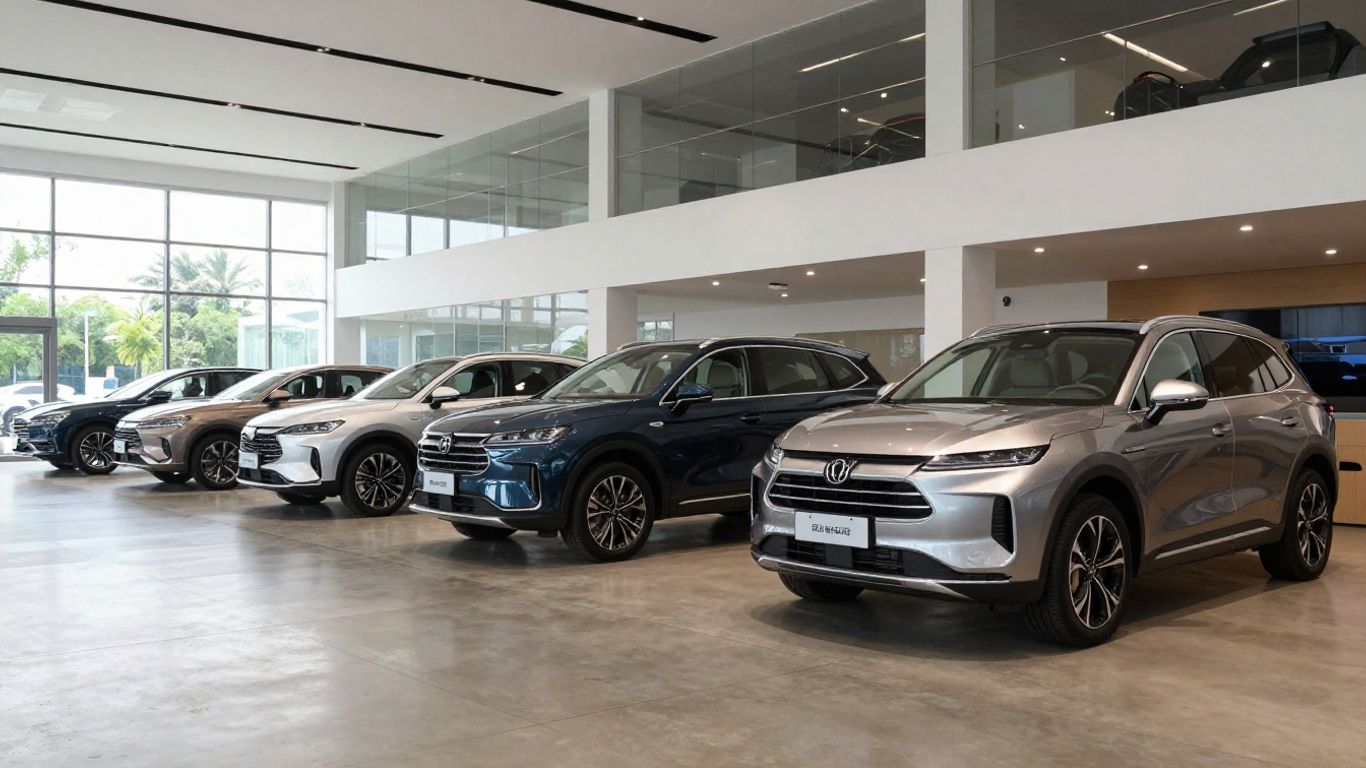
The SUV segment remains the most competitive landscape in Australia, prompting an aggressive product strategy for the coming years. New entries are carefully segmented to ensure they cover both the budget-conscious and the performance-oriented buyer. Each model is designed to harmonize specific aesthetic goals with functional performance metrics.
Differentiating between the Sealion 6 and Sealion 7
Identifying the right fit depends largely on the balance between sheer cabin space and agility. While models like the ff1b offer a particular suite of premium features, the surrounding lineup creates a tiered experience. Drivers should compare the interior dimensions and powertrain profiles to determine which build aligns with their daily needs.
Technological upgrades in new passenger vehicles
Innovation is a constant priority, with advancements focused on both the user interface and the underlying drive systems. Modern cabins now leverage improved connectivity, while hardware updates seek to enhance fuel efficiency and energy recuperation. These subtle improvements collectively create a more refined feel during standard commutes.
Target demographics and segment placement
The market strategy follows clear demographic lines to ensure brand penetration across diverse households. By analyzing trends, the company places specific vehicles in segments where they hold the highest potential for impact. Consider the following breakdown of current and anticipated segment alignments:
| Model Segment | Primary Target Group | Core Utility |
|---|---|---|
| Entry SUV | Urban Young Families | Fuel Efficiency |
| Mid-size Crossover | Commuter Professionals | Connectivity |
| Luxury SUV | Performance Enthusiasts | Power Output |
Selecting the right model often comes down to matching these specific utility categories with a household’s actual driving habits. This targeted approach minimizes confusion for the buyer while highlighting which model excels in key areas like cargo capacity or outright acceleration.
Entering the ute market with the BYD Shark
The local appetite for versatile utility vehicles is legendary, making this entry a significant milestone. Introducing a hybrid powertrain into this space presents a challenge for traditional engineering norms. The goal is to provide work-ready strength without sacrificing the modern comforts expected of df13.
Performance specs of the PHEV powertrain
The dual-mode system is designed to oscillate between electric efficiency and combustion power depending on the demands of the terrain. This adaptability ensures that drivers maintain consistent torque levels, even under significant load. It provides a distinct advantage when navigating diverse conditions where static engine settings might fall short.
Off-road capabilities and towing capacity
Achieving true utility performance requires a robust structural foundation that can handle rough tracks and haul heavy equipment. The chassis engineering focus is placed on durability and balance during towing scenarios. It is clear that the brand has paid close attention to the specific mechanical needs of those living or working outside metropolitan regions.
Competitive landscape against established dual-cab utes
The transition to hybrid power in the heavy vehicle space presents an opportunity for innovation in local towing standards without losing reliability.
This shift allows for a nuanced battle for industry relevance. By positioning a hybrid alternative, the brand is banking on a shift in consumer priority where fuel economy and reduced emissions are valued alongside raw towing power. Success in this segment will be determined by how well the vehicle holds up against traditional performance benchmarks.
Advancements in hybrid and battery technology
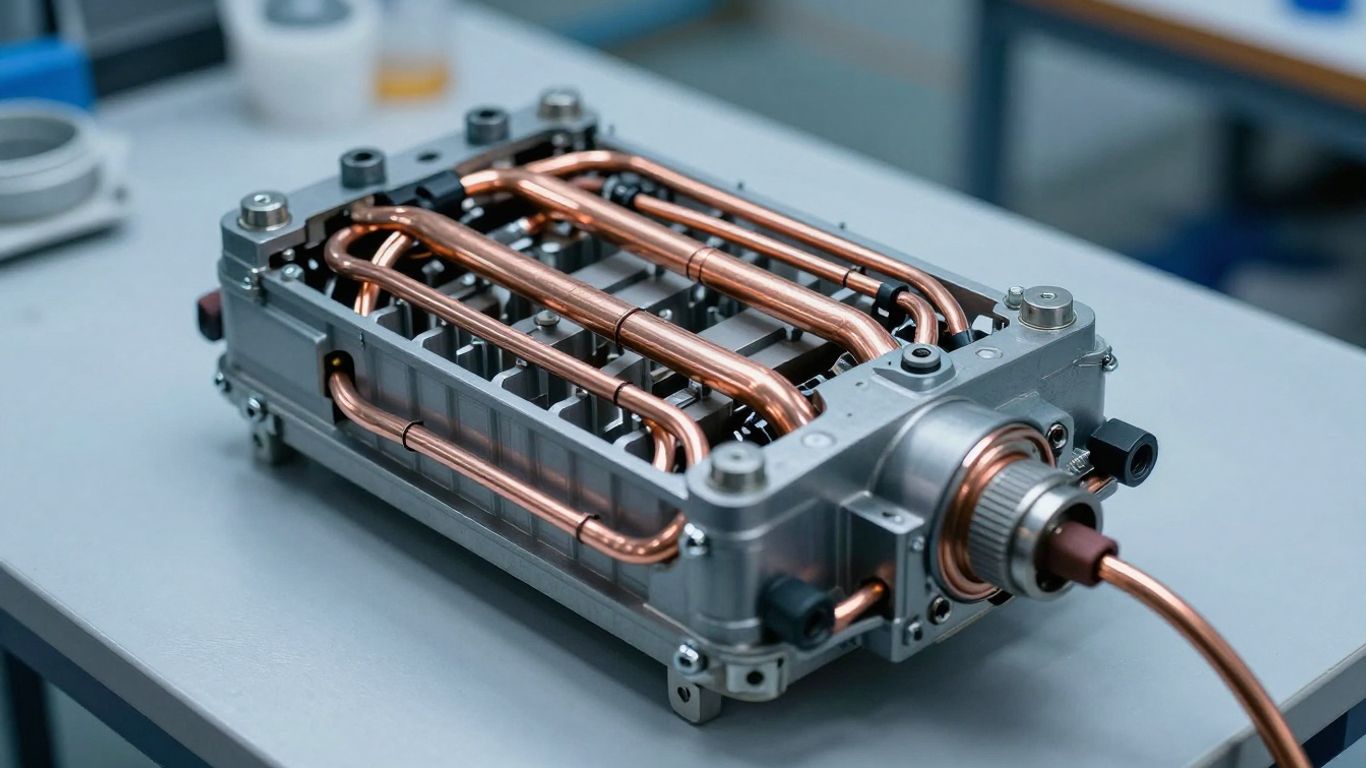
Battery performance sits at the heart of the evolution of the modern fleet. With deeper integration of hardware and software, the goal is to maximize the life cycle of every unit. These advancements are aimed at addressing common owner concerns regarding lifespan and safety in varying temperatures.
Evolution of the Blade Battery platform
The latest iteration of the battery architecture focuses on heat management and energy density. By refining the internal chemistry, there is a noticeable boost in operational efficiency for many of the newer releases. This evolution helps to keep vehicles performing consistently, even when used heavily under demanding environmental conditions.
Efficiency benefits of the latest DMI plug-in hybrid systems
Integrating electricity with fossil fuel combustion creates a balance that many find ideal for high-mileage driving. It allows for short electric-only trips, while the onboard engine removes the need for frequent charging stops on longer journeys. This efficiency, if utilized correctly, lowers the total cost of ownership over the vehicle’s lifespan.
Safety ratings and structural improvements
Safety is non-negotiable in the Australian market, where structural integrity is a mandatory baseline for public acceptance. The development team has implemented new safety shells that provide enhanced protection in the event of an impact. These improvements are designed to align with strict local auditing standards.
Pricing and delivery expectations
Budgeting for a major purchase requires clear information regarding available funding and timelines. As f633 emerge, prospective owners are looking for transparency in the financial aspect of the acquisition. The goal is to avoid the market volatility that has characterized recent years.
Estimating price tags for upcoming models
Understanding likely transaction prices helps in planning for the acquisition of these next-gen vehicles. Prices are dictated by the underlying tech trim and local import costs associated with these builds. It is best to review official documentation as these figures often fluctuate based on the specific feature sets included in regional releases.
Supply chain factors impacting local release dates
Global logistics play a massive role in when a product actually hits the showroom floor. Delays in shipping or resource availability can shift expectations by several months. Staying informed through local network updates is the most effective way to manage expectations regarding availability.
Navigating the pre-order and reservation process
A structured reservation system is being used to manage demand efficiently. This ensures that those who have expressed interest early can secure their priority in the delivery queue. Following the official procedure prevents later complications and provides a clearer picture of when the keys can be handed over.
Comparative analysis against current competitors
Evaluating a vehicle requires looking past the shiny exterior to see the long-term value. The current landscape is crowded, but specific attributes stand out for the discerning buyer. A comparison helps determine if the tech meets reality when parked on a real suburban driveway.
Price parity with traditional petrol-powered alternatives
Many consumers are surprised to find that initial purchase costs are increasingly competitive against aging internal combustion platforms. When you factor in the reduced fuel intake and maintenance requirements, the financial equation changes significantly. It is one area where the brand is actively challenging the status quo.
Evaluating warranty and maintenance package value
Considering the long-term cost is essential when assessing any major mechanical product. A strong warranty paired with predictable maintenance costs provides peace of mind that is hard to ignore. When looking at long-term plans, bc67 could play a part in how households structure their financial lives around vehicle ownership. Additionally, reading a quality d818 on digital shifts can provide context to the broader market trends that favor these manufacturers.
Assessing long-term resale value and brand reliability
Resale value remains an unknown variable for many newer technology brands that are currently on the rise. Initial signals are promising as the brand builds a reputation for consistency and build quality. Reliability is earned over time, and the current trajectory suggests a focus on building a legacy that lasts well beyond the initial factory warranty period.
Conclusion
The arrival of these new vehicles signals a turning point for the local automotive market. With a diverse range of SUVs, utes, and hybrids, buyers are gaining more freedom to choose a vehicle that fits their specific lifestyle without compromising on performance. As infrastructure catches up to the technological pace, these developments solidify the brand’s position as a major fixture in the region’s transport future.
Frequently Asked Questions
What are the main benefits of driving a hybrid vehicle in Australia?
Hybrid vehicles allow for a reduction in fuel usage while maintaining the capability to drive long distances without needing to find a charging station. They effectively bridge the gap between traditional combustion engines and full-electric transport through increased efficiency.
How frequently should I recharge a plugin hybrid model?
You can recharge as often as is convenient for your schedule, but it is typically recommended to charge when the capacity drops low to maximize the electric-only driving range. Regular charging ensures that you maintain the best possible efficiency during your daily commute.
Are parts for new vehicle models generally available locally?
Automotive brands are investing heavily in local supply chains and warehousing to ensure that common components are stocked within the country. This helps to mitigate downtime for owners who might otherwise need to wait for overseas shipments.
Do the new safety ratings match local Australian standards?
Yes, manufacturers ensure that their vehicles undergo testing that aligns with local safety benchmarks before they are approved for public sale. These tests include structural analysis and impact assessments to meet the rigorous requirements of regional transit authorities.
Is it possible to test drive these models before purchasing?
Test drives are a standard part of the automotive consumer experience and are facilitated through the local dealership network. If a model is part of a upcoming release, showrooms will typically offer a demonstration unit once the vehicle has officially been handed over for local distribution.
What impact does extreme heat have on modern battery technology?
Battery systems are designed with thermal management cycles that disperse heat and maintain cell health during hot conditions. Advancements in these systems have significantly improved how well cells perform, preventing degradation that was more common in earlier generations of electrified vehicles.
Can these vehicles handle off-road driving sessions?
Many modern crossovers and utes are built with chassis configurations that allow them to tackle unpaved surfaces and rough terrain safely. However, it is always best to verify the specifically intended off-road rating of a model’s suspension setup to ensure it meets the requirements of the terrain you plan to cover.