
Key Takeaways
Optimizing your maintenance regimen requires a balance of genuine part sourcing, proactive scheduling, and thorough documentation. Understanding the current logistics landscape helps minimize downtime for your vehicle.
- Regional hubs are now reducing wait times for common automotive parts.
- Authorized dealerships remain the most reliable source for high-voltage and critical components.
- Software compatibility should be verified before opting for non-OEM alternatives.
- Maintaining detailed service logs is essential for preserving manufacturer warranties.
- Early planning for specialized parts avoids long-term service delays.
The state of the BYD supply chain in 2026
Regional manufacturing hubs and distribution speed
The landscape of parts availability has evolved significantly as manufacturers transition to more localized distribution models. By leveraging data-driven predictive analytics for demand forecasting, logistics providers are aligning regional inventory levels with local driver needs more effectively. This shift moves us away from the heavy reliance on centralized overseas depots that defined previous years, allowing for faster turnaround on routine maintenance items.
Impact of global logistics on shipping timelines
Shipping remains a complex variable, though recent improvements in ocean freight consistency have stabilized timelines for non-essential parts. While air express remains the gold standard for urgent repairs, the broader logistics network has standardized transit windows. It is important to note that even for a successful advertising specialist or a logistics professional, delays occur, making early identification of part requirements necessary. We are seeing a more rhythmic flow of components that reflects global industrial stability.
Expansion of local warehousing for high-demand components
Warehousing improvements mean that more common wear-and-tear items are stocked closer to the end user. This proactive stocking of essentials, such as cabin filters and brake pads, is a major component of the current BYD AUTO support strategy to ensure fleet and individual vehicle uptime. Local stocks now act as a buffer, allowing technicians to perform routine service without waiting for international shipments.
Understanding the official BYD dealer network

How to verify stock through authorized service centers
Verifying part availability is most reliable when utilizing the direct-to-dealer connection. Authorized centers now provide digitized inventory lookups, allowing owners to confirm if an item is ready for pickup or needs to be ordered from a regional hub. Just as one might rely on a professionally booked floating beach club trip for a smooth experience, the dealer network provides a structured service path for your vehicle.
Using the official proprietary parts ordering portals
Proprietary portals offer the most seamless method for procurement, ensuring that every order is logged against the specific vehicle identification number. This system reduces the risk of ordering incompatible components, which is a common site navigation challenge. Consider the following table for typical estimated lead times on factory parts:
| Component Type | Availability | Estimated Lead Time |
|---|---|---|
| Basic Maintenance | In Stock | 1-2 Business Days |
| Suspension Items | Regional Hub | 3-5 Business Days |
| High-Voltage Pack | Factory Order | 10-15 Business Days |
After utilizing these portals, you gain clearer visibility into your service timeline, helping you plan your vehicle usage accordingly.
Priority protocols for essential repairs and recalls
Safety always takes precedence, and official dealers have established priority pathways for critical repairs. If your vehicle is subject to a safety campaign, the part procurement process is expedited by design, bypassing standard logistics queues to ensure you are back on the road quickly. By communicating directly with the EVDealer Group, owners can ensure their vehicle receives the most efficient attention possible.
Exploring aftermarket and third-party parts options
Navigating the trade-off between cost and OEM compatibility
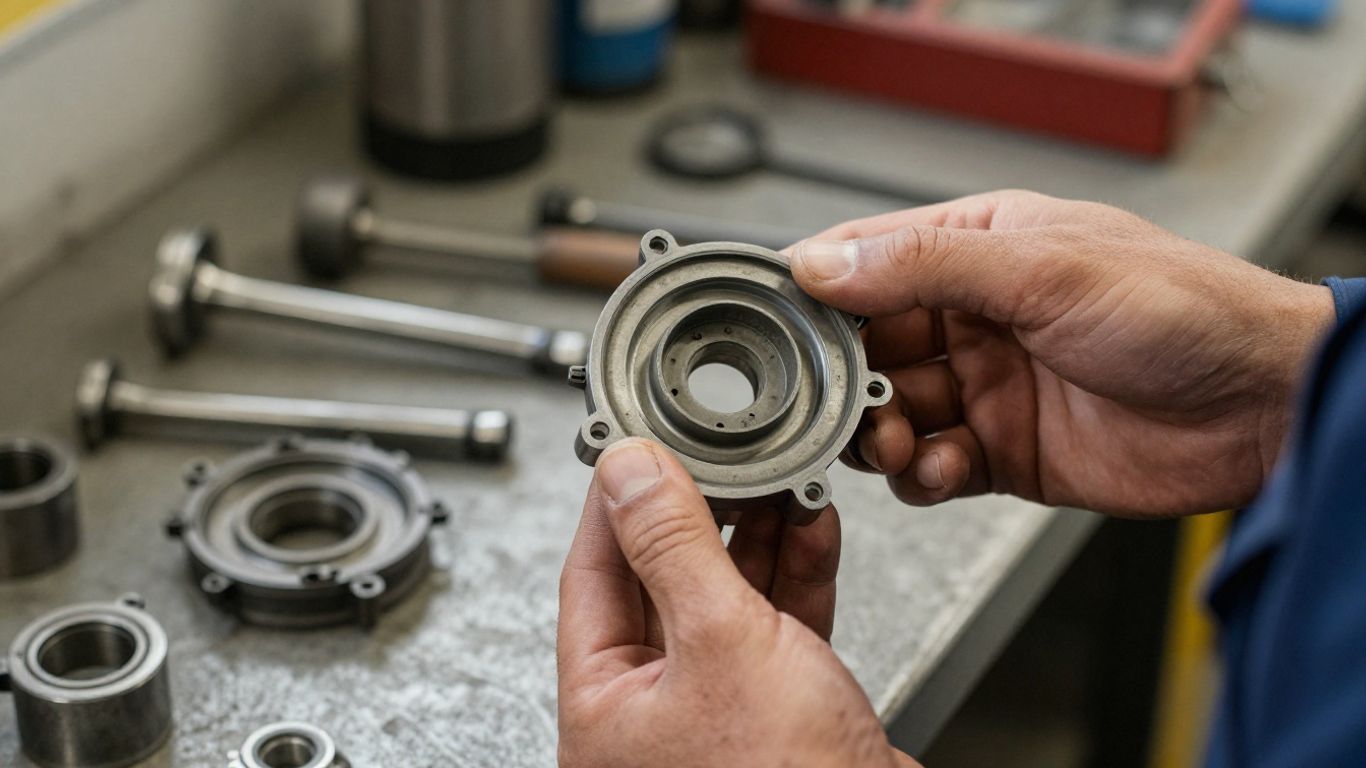
Choosing between original and aftermarket components is a decision based on long-term vehicle health versus immediate financial savings. While cost is often the primary driver, compatibility issues can arise, potentially leading to unforeseen performance issues. It is vital to prioritize part compatibility when working with complex modern machinery, as even a small discrepancy can disrupt system sensors.
Identifying reliable certification standards for non-branded components
When exploring options, consider these steps to verify quality:
- Consult with an independent certified mechanic regarding the part’s build history.
- Cross-reference the part technical specifications with official documentation.
- Verify the manufacturer’s certification stamps against known automotive safety standards.
- Check forums to see if other owners report successful long-term performance.
Following these steps helps distinguish between high-quality alternatives and inferior components that might not meet the required threshold for safety and performance.
Risks associated with modifying vehicle software and hardware
Modifying the software is an area fraught with complexity and risk. Unauthorized tuning can often lead to a lock-down of onboard communication systems, resulting in expensive and difficult repairs. Just as one would hire experts for rigorous bat exclusion services to protect a building from structural damage, vehicle owners are encouraged to avoid non-approved software modifications that compromise system integrity.
Navigating warranty implications and documentation
Ensuring parts procurement protects your manufacturer coverage
Keeping your warranty intact is about having a clear paper trail for every component replaced. When sourcing BYD spare parts, the use of authorized channels ensures that the component carries a manufacturer guarantee, which is essential for protecting your total coverage. This practice prevents the frustration of being denied a warranty claim later due to incompatible installations.
Maintaining records for cross-border part sourcing
For those who happen to source parts abroad, proper inventory communication is vital when it comes time for formal service or insurance evaluation. You must retain every tax document, proof of purchase, and original packaging for parts sourced outside the local dealership circuit to provide an unbroken history of the vehicle’s maintenance.
Dealing with repair denials due to non-approved installations
Repair denials occur most frequently when technicians identify components that conflict with the diagnostic system. To avoid these issues, always confirm part validity with your local garage before proceeding with an installation. This proactive stance ensures that you maintain access to the specialized support required for advanced modern electric vehicles.
Strategies for long-term maintenance planning
Proactively stocking common wear-and-tear items
Long-term reliability is largely governed by how effectively you prepare for the routine. By keeping a small stock of common items like cabin filters or wiper blades, you avoid minor service interruptions. As you familiarize yourself with the requirements of your specific model, you can purchase these basics through reliable sources like TOP BYD, ensuring you have them ready when the service interval approaches.
Utilizing owner forums to track common part shortages
Community forums remain a useful, if informal, resource for understanding potential delays in the industry. Owners often share news regarding local inventory or part updates, which can help you anticipate shortages before they impact your service schedule. While these platforms are unofficial, they provide a valuable pulse check on the maintenance experiences of others.
Managing expectations for specialized high-voltage components
Specialized electronics and battery system parts represent the most significant portion of a maintenance budget and planning window. Because these components are sophisticated, you should plan for longer procurement lead times by scheduling inspections well before any performance degradation occurs.
Conclusion
Navigating the landscape of BYD parts availability 2026 is an exercise in preparation and communication, primarily through authorized service channels. By prioritizing genuine components, maintaining rigorous service records, and staying informed about supply chain developments, you can ensure your vehicle remains in peak condition for many years of operation.
Frequently Asked Questions
How do I check if a part is right for my vehicle?
To verify that a part suits your specific vehicle, always use your vehicle identification number when searching manufacturer portals or consulting with a service professional.
Is it safe to use non-branded accessories?
Non-branded accessories can be safe for cosmetic or non-functional items, provided they do not interfere with sensors, safety mechanisms, or vehicle electrical load.
What should I do if a part is out of stock?
If a part is backordered, contact your service center to place a formal request and ask for a status timeline, as they can sometimes secure parts from neighboring regional hubs.
Can I order parts directly from factories?
Direct factory ordering is usually restricted to wholesale operations, so individual owners should continue to procure items through official dealership networks.
How does incorrect part installation affect my warranty?
The use of non-approved or incorrectly installed parts can lead to the voiding of manufacturer warranties, particularly regarding the specific systems impacted by the installation.
Should I keep records of all my replacement parts?
Yes, keeping meticulous records of every replacement part, including invoices and installation logs, is critical for future warranty claims and maintaining resale value.
Where can I find information on upcoming parts updates?
Information regarding part updates is typically provided through official service bulletins released by your local manufacturer representative or dealership service advisor.