

Key Takeaways
As the number of electric vehicles on the road rises, the infrastructure supporting their maintenance becomes a critical factor for long-term reliability. This article explores how manufacturers are adapting to these new demands to ensure driver confidence.
- Expansion of specialized service networks across major regions.
- Increased focus on training for technicians handling high-voltage systems.
- Better access to factory-certified components for repairs.
- Improved diagnostic capabilities at local repair facilities.
- Greater market stability for secondary EV owners.
The current state of BYD aftermarket support
Maintaining a modern electric vehicle requires a distinct approach compared to traditional combustion engines, especially as the number of vehicles on the road continues to climb. Owners are increasingly looking for centralized facilities that understand the nuances of high-voltage battery systems and software-integrated components. With BYD aftermarket support growing, the industry is seeing a shift toward more accessible maintenance solutions that align with the rapid pace of vehicle adoption.
Expansion of service center networks
Traditional dealerships are evolving, and major brands like BYD have invested in establishing dedicated service points to meet regional demand. These centers serve as hubs where drivers can access routine maintenance and specialized repairs without waiting for lengthy parts shipments. By placing these facilities closer to dense urban areas, manufacturers help reduce the logistical burden on owners.
Availability of genuine replacement parts
Finding genuine BYD replacement parts is becoming far easier as distribution chains mature and digital tracking improves. These original components ensure that safety and performance metrics remain consistent over the vehicle’s lifespan, which is a major concern for owners dealing with complex collision repairs. Supply chain synchronization is vital for keeping these parts in stock at regional hubs.
Training initiatives for independent mechanics
Bridging the skills gap is a priority for the industry, as specialized training ensures that general workshops can safely handle high-voltage systems. Education programs help local technicians understand the intricate electronics and cooling systems that define modern electric mobility. When these independent shops are properly certified, the entire ecosystem becomes more stable and reliable for consumers.
Benefits of expanding BYD service infrastructure
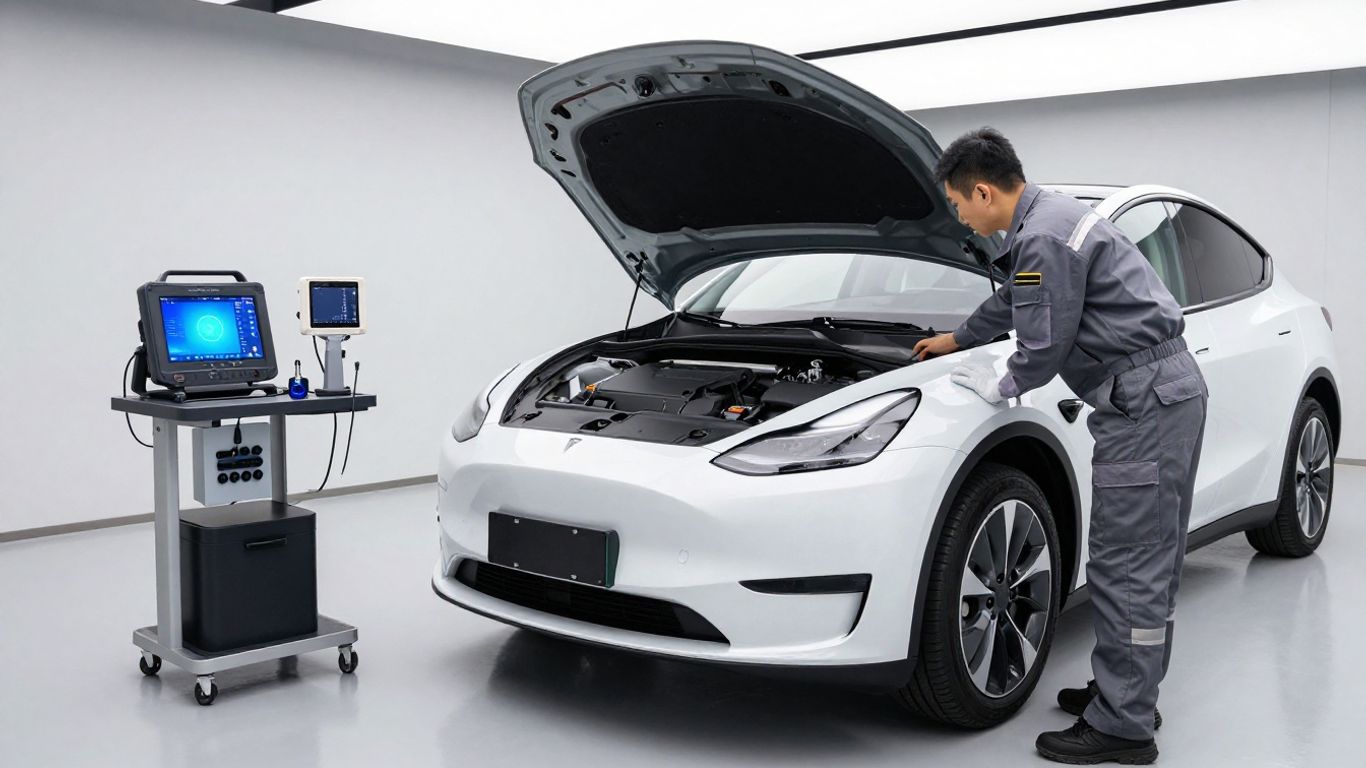
Developing a network of robust service centers provides significant utility for owners, especially as driving patterns become more demanding. A well-organized infrastructure acts as a buffer against common logistical hurdles, ensuring that maintenance schedules remain predictable. The focus on accessibility is a key driver for long-term customer satisfaction and brand loyalty.
Reduced downtime for fleet operators
Fleet operators require high vehicle uptime to maintain profitability and service schedules. By utilizing a Centralised Parts Distribution Centre, they can receive necessary components rapidly, which prevents long delays in the repair cycle. Keeping vehicles operational is essential for preserving vehicle performance throughout their service life.
Improved long-term vehicle resale value
Maintaining careful service records using factory-approved facilities helps sustain the market appetite for pre-owned electric vehicles. When potential buyers see a history of authorized maintenance, they have greater certainty regarding the health of the battery and drivetrain systems.
| Maintenance Category | Service Frequency | Benefit for Owner |
|---|---|---|
| Battery Health Check | Every 12,000 miles | Prevents range degradation |
| Cabin Filter Replacement | Yearly | Ensures air quality |
| Brake System Inspection | Bi-annually | Maintains safety compliance |
Lower costs for routine maintenance
Transitioning to a more efficient service model often helps reduce the overall cost of ownership by eliminating unnecessary troubleshooting steps. Standardized service protocols allow owners to plan their budgets with greater clarity. Consider these core benefits of a strong infrastructure:
- Lowered hourly labor rates due to specialized tooling.
- Reduced wait times for critical daily checkups.
- Better access to firmware updates during visits.
- Clearer documentation of all repair history.
Navigating the ecosystem of parts and components
As the Global EV Aftermarket Market continues to evolve, understanding where maintenance components originate is a primary concern for the average owner. Distinguishing between factory-backed parts and third-party alternatives helps prevent compatibility issues that might arise during standard repairs. Reliable supply chains are the backbone of this growing sector.
Identifying official versus third-party suppliers
Official suppliers often provide the most consistent quality, especially when it comes to structural body panels or sensors. Third-party options may exist, but they sometimes lack the rigorous testing that accompanies original manufacturer certifications. Owners should verify the source before proceeding with any significant repair.
Warranty implications for using non-OEM parts
Installing aftermarket components that do not meet manufacturer specs can inadvertently void specific warranty clauses regarding the electrical system. It is vital for owners to consult their local service guidance if they are considering non-original components. Protection of the warranty remains a leading factor for owners keeping their vehicles in top shape.
Global logistics and supply chain improvements
Logistics technology has drastically improved the speed at which parts arrive at local workshops. Streamlined shipping ensures that even specialized items remain available without forcing owners to source them through expensive secondary channels. This efficiency benefits everyone from individual owners to large-scale fleet managers.
Challenges facing the BYD aftermarket ecosystem
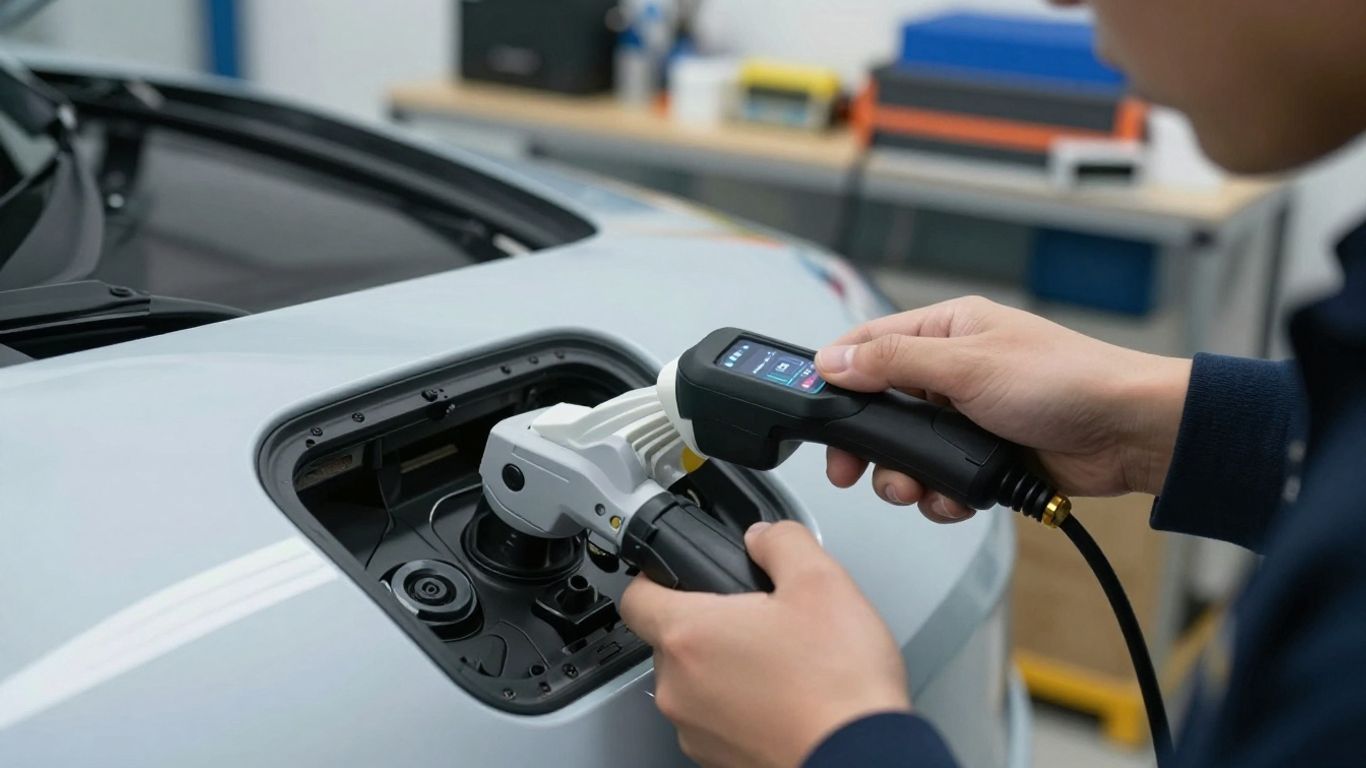
Despite the rapid progress, the industry must clear several hurdles to provide a truly seamless experience for everyone. The shift toward software-heavy vehicles necessitates a new way of thinking about how problems are identified and rectified. These challenges are currently being addressed through collaborative industry efforts and increased investment in technician training.
Technical complexity of EV-specific components
Electric vehicles are vastly different from legacy models, packed with sensors and complex energy management systems. Every update in hardware demands a corresponding change in the maintenance approach, requiring shops to constantly adapt their diagnostic tools. Keeping up with this technical pace is one of the most difficult hurdles for the sector today.
Software diagnostics and proprietary access
Modern vehicles are essentially computers on wheels, and accessing the software layers for repairs often requires special rights. Proprietary diagnostic tools enable technicians to find hidden errors that a simple physical inspection would miss entirely. Balancing restricted access with the need for competitive repair markets is a delicate ongoing situation.
Bridging the gap between legacy repair shops and modern tech
Many veteran mechanics are used to mechanical components and may feel uncertain when approaching an EV battery module. Transitioning from gears to software code requires patience and a structured education path. Building this bridge ensures that no owner is excluded from quality support just because they live in a smaller market.
What growth in aftermarket support means for consumers
Increased attention to the aftermarket is good news for anyone currently owning or planning to purchase an electric vehicle. These developments create a cycle of trust that encourages long-term ownership. When people know they can get help easily, the decision to migrate away from internal combustion becomes much simpler.
Greater confidence in long-term EV ownership
When support networks are mature, owners face less anxiety about the potential for unexpected repairs. Knowing that expert help is available around the corner builds a sense of stability. This quiet reassurance is a powerful argument for the continued growth of electric vehicle adoption.
Accessibility of specialized diagnostic tools
Modern diagnostic capability is slowly becoming standard in neighborhood shops, rather than just large city service centers. This democratization enables quicker initial assessments during an emergency. Faster diagnosis leads directly to shorter times spent off the road.
Growth of the secondary market for used vehicles
A healthy aftermarket enables a vibrant secondary market for used electric cars. Reliable maintenance evidence makes it easier for sellers to provide accurate information to buyers, building confidence across the entire ecosystem. This stability ensures that vehicles maintain their utility and value even after their initial owner moves on.
Future trends in EV maintenance and repair
Looking beyond current capabilities, the future points toward more autonomous and connected diagnostic systems. These improvements will allow for real-time monitoring and proactive solutions, which can keep vehicles in top condition with minimal owner effort. The industry is on a clear path toward greater integration with Automotive Aftermarket Symposium insights regarding emerging technology.
Integration of predictive diagnostics
Predictive systems analyze vehicle performance in real time to suggest maintenance before an actual failure occurs. This approach shifts the focus from fixing problems to preventing them entirely, which saves significant time and money for the owner. It transforms the relationship between the driver and their car.
Standardization of EV battery testing
Standard testing will eventually provide a universal way to measure the remaining capacity and health of a battery. This is an essential step for the resale market, as it removes much of the ambiguity regarding battery longevity. Once this becomes the norm, transparency will be significantly increased for all participants.
Decentralization of charging and maintenance hubs
Future charging stations might function as miniature hubs for basic maintenance and software checks. Combining infrastructure makes it easier for drivers to integrate these needs into their daily charging routines. Decentralization ensures that support is always reachable precisely where it is most needed.
Conclusion
As the industry matures and service infrastructures continue to expand, owners can expect a much more straightforward experience that rivals the reliability of traditional vehicles. The ongoing focus on training, parts supply, and digital integration directly supports the long-term viability of the electric mobility movement. By fostering a more accessible and tech-forward support network, manufacturers ensure that their customers can continue to enjoy their vehicles with total confidence.
Frequently Asked Questions
Are electric vehicles more expensive to maintain than traditional cars?
Electric vehicles typically have fewer moving parts than internal combustion engines, which often leads to lower maintenance costs over the lifetime of the vehicle. However, the high-voltage electrical components and specific software systems require specialized care that can differ in price from traditional oil changes and engine work.
How often should I have the battery system in my electric vehicle checked?
Most manufacturers provide specific maintenance schedules that include a thorough check of the battery array every 12,000 miles or on a yearly basis. It is always best to follow the official service manual provided with the vehicle to monitor degradation and overall performance.
Can any mechanic work on my electric vehicle?
While general mechanical components like tires, suspension, or cabin filters can often be handled by most repair shops, the high-voltage and diagnostic systems are best serviced by certified professionals. Many brands require technicians to complete specialized training before they handle the primary electric powertrain.
What should I do if I am traveling and need an emergency repair?
Many manufacturers offer roadside assistance programs and can connect you to the nearest authorized service center equipped with the specific EV tools necessary for your repair. Check your owner’s manual for the direct contact number or use the official mobile app to find a nearby partner facility.
Will using third-party parts void my vehicle warranty?
Using parts that do not meet the official manufacturer’s specifications can potentially impact your warranty coverage if those parts cause damage to the vehicle. It is generally recommended to use genuine components for critical electrical or structural repairs to ensure your warranty remains valid.
How has digitalization changed the way repairs are scheduled?
Modern platforms now allow owners to schedule appointments, track repair statuses, and sometimes even push small software updates over the air without needing an office visit. Digital integration has significantly increased the speed and transparency of the traditional service experience.
Why does the industry prioritize training for independent mechanics?
Supporting independent shops increases the overall accessibility of quality service for all EV owners, not just those living near flagship dealerships. Training programs ensure that repairs performed at any shop meet the highest safety standards required for working with modern electrical systems.