

Key Takeaways
Modernizing infrastructure remains the top priority to ensure efficient support for electric vehicles globally. The following summary outlines current developments in the spare parts lifecycle.
- Regional hubs are expanding to accelerate delivery for high-demand vehicle components.
- Advanced inventory tools are digitizing procurements to minimize service center downtime.
- Sustainability efforts now include heavy investment in local component manufacturing centers.
- Certified replacement parts ensure safety and maintain full warranty coverage for owners.
- Modular training programs are preparing technicians to handle future vehicle repair needs.
The current state of BYD global parts logistics
The infrastructure supporting international distribution has undergone significant upgrades to keep pace with the growing popularity of the BYD electric vehicle. Organizations are rethinking how they move components across borders to ensure that critical needs are met without delay. Establishing more stable routes and warehousing strategies helps maintain consistent availability for diverse markets.
Regional distribution center expansion
Large-scale warehouses serve as the backbone of the supply chain, acting as transit points for components arriving from manufacturing hubs. Recent expansions focus on proximity to major dealer zones to ensure that parts reach service points within days rather than weeks.
Improving transit times for high-demand components
Logistics teams now utilize specialized freight lanes specifically for common replacement parts. By moving these items in dedicated shipments, they bypass typical warehousing congestion common in mixed-cargo logistics channels.
Overcoming supply chain bottlenecks
Techniques such as diversified sourcing help mitigate the risks associated with raw material shortages. By establishing relationships with multiple vendors, the brand ensures a steadier flow of essential materials for production pipelines.
Improvements in authorized service center stock levels
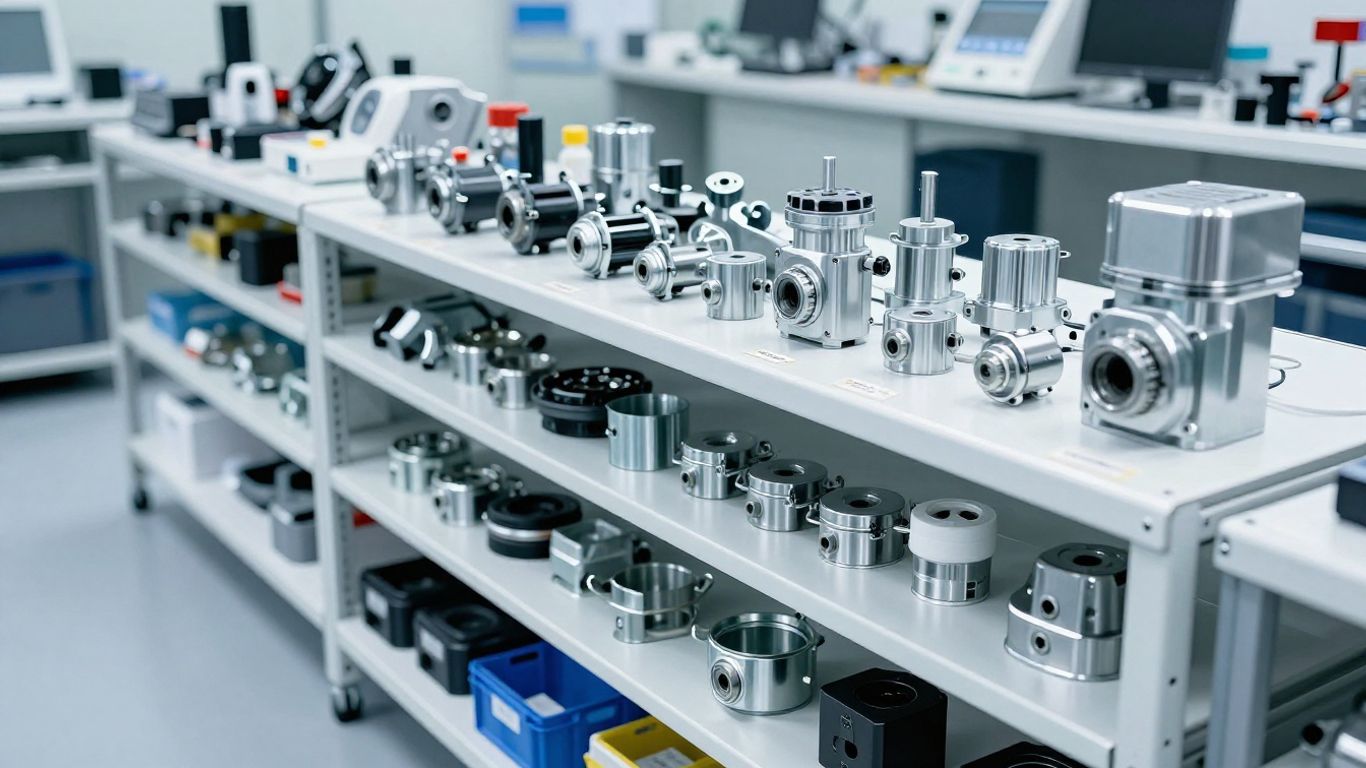
Maintaining adequate inventory at the local level is essential for ensuring a seamless ownership experience for every customer. Service centers are adopting smarter allocation policies that prioritize items most frequently requested by repair shops during standard service events. This systemic shift reduces the reliance on central warehouse ordering and keeps vehicles on the road longer.
Prioritizing critical maintenance and repair items
The core strategy focuses on keeping high-turnover items readily available on-site for immediate use. These include filtration systems, cooling fluids, and specific electronic sensors that require routine attention.
Integrating real-time inventory management tools
Digital dashboards provide mechanics and managers with a live view of existing stock levels at any given moment. This transparency allows for automated reordering when inventory drops below predefined safety thresholds.
Balancing supply between new vehicle production and aftermarket
Managing the distribution of components between the assembly floor and the dealership requires precise forecasting. Organizations must maintain a delicate balance so that parts for new units do not cannibalize the needs of established owners visiting for routine service.
Reducing wait times for standardized replacement parts
By establishing predictive stocking patterns, centers can anticipate routine needs before a customer even arrives. The table below outlines typical delivery improvements observed in pilot studies for common service parts.
| Component Type | Previous Wait Time | Current Target | Improvement |
|---|---|---|---|
| Brake Pads | 14 Days | 3 Days | 78% |
| Cabin Filters | 10 Days | 2 Days | 80% |
| Cooling Pumps | 21 Days | 5 Days | 76% |
These efficiency gains demonstrate strong progress in parts availability across major service hubs, ensuring that workshops have the necessary resources on hand.
Digital transformation in spare parts procurement
The procurement landscape has transitioned from manual spreadsheets to highly automated platforms. These digital systems act as a nervous system for the entire distribution network, ensuring accountability and speed throughout the purchasing process.
Utilizing dealer management systems for automated ordering
Dealers can connect their local software directly to regional warehouses. This integration ensures that orders are processed without human intervention, reducing errors and saving valuable time for staff members.
Enhancing tracking visibility for end-use customers
New customer portals allow owners to check the status of their ordered parts online. Whether it is an ATTO series body panel or a complex electronics component, users receive updates directly on their mobile devices.
Leveraging AI for demand forecasting and predictive stock
Software models now analyze historical repair data to predict which parts will be needed in the future. This eliminates the guesswork that often plagued traditional inventory management methods.
Sustainability and local sourcing initiatives
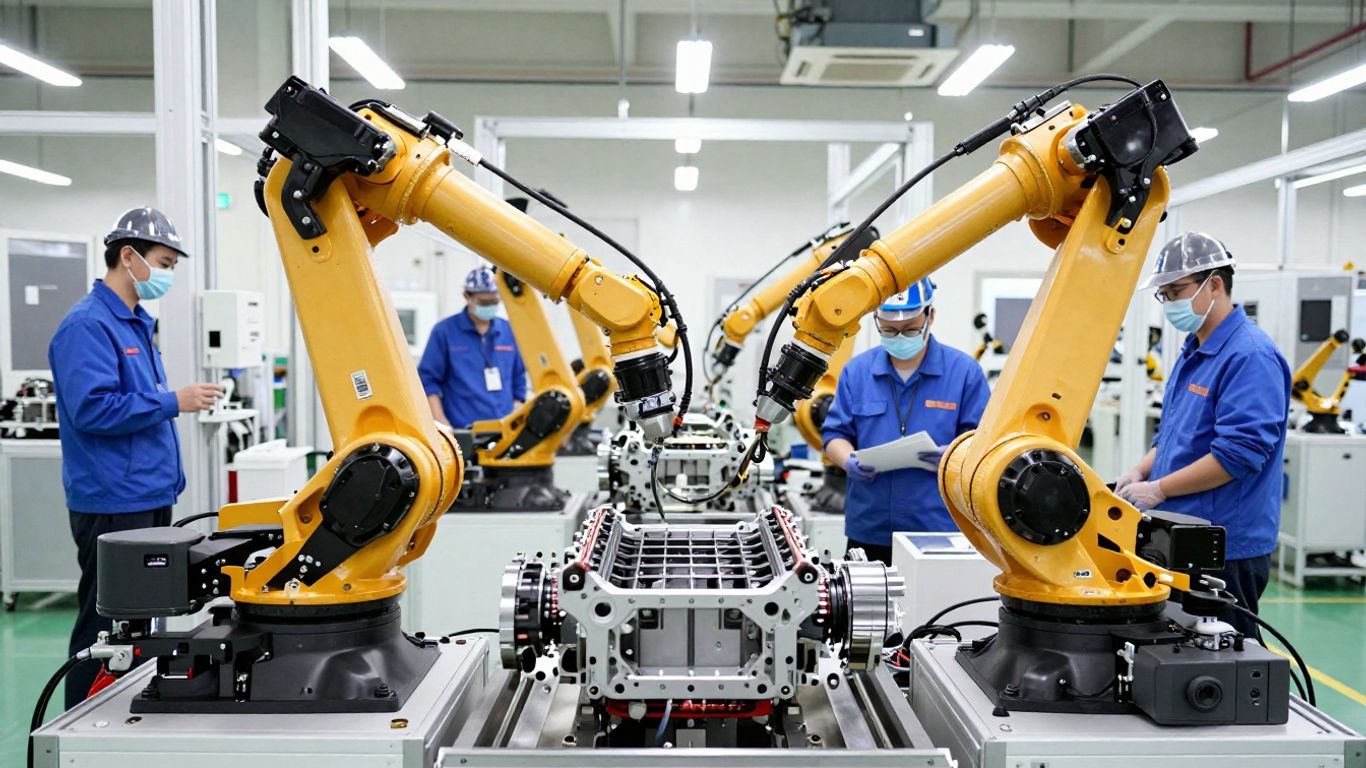
Reducing the carbon footprint of logistics operations has become a core organizational goal for the future. By moving manufacturing closer to the end-users, firms can drastically reduce the energy consumption associated with long-distance shipping.
Reducing the carbon footprint of logistics operations
Using sea and rail for bulk transit replaces less efficient air freight options. Additionally, optimizing warehouse heating and cooling systems contributes to lower overall energy consumption.
Investing in local manufacturing hubs for specific components
Strategic investments, such as those made by BYD Electronic, help localize the production of critical modules. This approach simplifies the supply chain and provides more predictable lead times for local markets.
Lifecycle management and recycling of salvaged parts
The end of a component’s life represents an opportunity for resource recovery. Salvage programs recover materials from decommissioned vehicles, providing a renewable source of high-quality base materials for new production.
- Specialized collectors visit regional hubs to gather unusable components.
- Raw metals and plastics are separated for specialized recycling treatment.
- Reclaimed materials are re-integrated into new component manufacturing lines.
- Quality control audits ensure that recycled inputs meet the same standards as virgin materials.
This closed-loop system is essential for maintaining production without constant new raw material extraction.
Warranty support and third-party part verification
Protecting the integrity of a vehicle’s performance requires strict adherence to genuine parts standards. Documentation processes are now more thorough to ensure that every replacement meets the required engineering benchmarks set by the manufacturer.
Navigating warranty claim documentation for parts replacement
Standardized digital forms make it easier to link a parts replacement back to a valid warranty claim. This helps clarify record-keeping for both the center and the vehicle owner.
Risks and implications of using non-genuine components
Parts produced outside of official supply chains often fail to match the compatibility requirements of sophisticated electric powertrains. Usage of such items can lead to voided warranties and diminished performance capabilities.
How to identify and source certified BYD replacements
Owners are encouraged to verify parts through authorized channels or official certificates. Authenticity marks and verified serial numbers are the best ways to distinguish between genuine, factory-supported hardware and unauthorized substitutes.
Future-proofing the BYD after-sales support network
Staying ahead of technological evolution requires continuous investment in training and communication. The network must remain agile to support the next generation of transport solutions as they emerge.
Training technicians on modular vehicle repair
Technological advancement has led to the adoption of modular assembly, where complete sections of a car are replaced rather than individual small bolts. Training focuses on these higher-level procedures to streamline repair work.
Expansion plans for parts warehousing in emerging markets
Developing regions are seeing a rise in dedicated warehouse space designed to accommodate specific vehicle models popular in those climates. This ensures that the global network reaches all corners of modern transportation demand.
Enhancing communication channels between headquarters and regional managers
Direct feedback loops ensure that local managers have a line of sight to headquarters, allowing for rapid resolution of regional inventory struggles. This alignment keeps operations moving toward unified goals.
Conclusion
The ongoing commitment to refining logistical pathways is essential to supporting the long-term reliability of modern electric fleets. By combining local manufacturing investments, digital procurement tools, and a focus on certified genuine parts, the service network is better prepared to meet the needs of the BYD parts supply update as the industry evolves. Future developments will continue to prioritize technician expertise and warehouse efficiency to maintain high availability for every vehicle owner.
Frequently Asked Questions
What are the main benefits of buying genuine vehicle parts?
Genuine parts ensure perfect fitment and maintain the factory safety standards of your electric vehicle, keeping warranties valid and performance optimal.
How does local sourcing affect repair costs?
Local sourcing reduces international shipping fees and import tariffs, often making replacement parts more affordable while decreasing wait times significantly for common components.
Can service centers perform repairs using refurbished components?
Some certified programs allow for the use of properly inspected and approved refurbished parts, which can be an economical and environmentally friendly option for specific non-critical repairs.
Why is software integration important for vehicle repair centers?
Integrated software allows for real-time inventory tracking and automated ordering, which prevents parts from running out of stock and minimizes the time your car sits in the shop.
How can a customer verify that a part is authentic?
Authentic components typically feature authorized branding, matching serial numbers, and documentation from an official workshop or parts distributor within the manufacturer’s network.
Is the wait time for parts usually consistent across the country?
Wait times can vary based on the specific location of a service center relative to regional distribution infrastructure, but centralized inventory tools are helping to equalize these times nationwide.
Are modular repairs becoming the standard for modern vehicles?
Yes, modular repair methods allow technicians to swap out core units such as battery management modules or complete drive-train sections to ensure faster, more reliable vehicle servicing.