

Key Takeaways
Recent efforts focus on better support for electric vehicle owners across the region. Here is a summary of the latest updates:
- Improved diagnostic training for technicians.
- Expanded service center locations across Australia.
- Enhanced digital booking platforms for transparency.
- Optimized parts delivery through new logistics pipelines.
- Dedicated support systems to refine owner feedback.
The current state of BYD Australia service
The local automotive market has seen rapid growth for electric mobility, leading to significant pressure on support infrastructures. Stakeholders recognize that as more drivers transition to new energy vehicles, the expectation for a seamless ownership experience continues to rise. Implementing a comprehensive BYD Australia service improvement strategy has become a top priority to address these early market challenges.
Historical challenges with rapid market entry
Initial market entry involved balancing quick vehicle fleet deployment with the simultaneous establishment of a nationwide support network. This urgency often led to localized bottlenecks before infrastructure could fully catch up to the influx of new drivers.
Customer feedback on aftersales wait times
Drivers frequently expressed frustration regarding the accessibility of standard maintenance slots following their purchase. Acknowledging this friction, the manufacturer has sought to reduce wait times by improving its aftersales experience through direct investment in human and technical resources.
Bridging the gap between sales and support
Ensuring that service quality matches the enthusiasm of the initial purchase process remains a core focus for the team. By aligning sales growth with an equally robust support system, the organization aims to solidify long-term trust with its expanding community of drivers.
Dealer network expansion and training
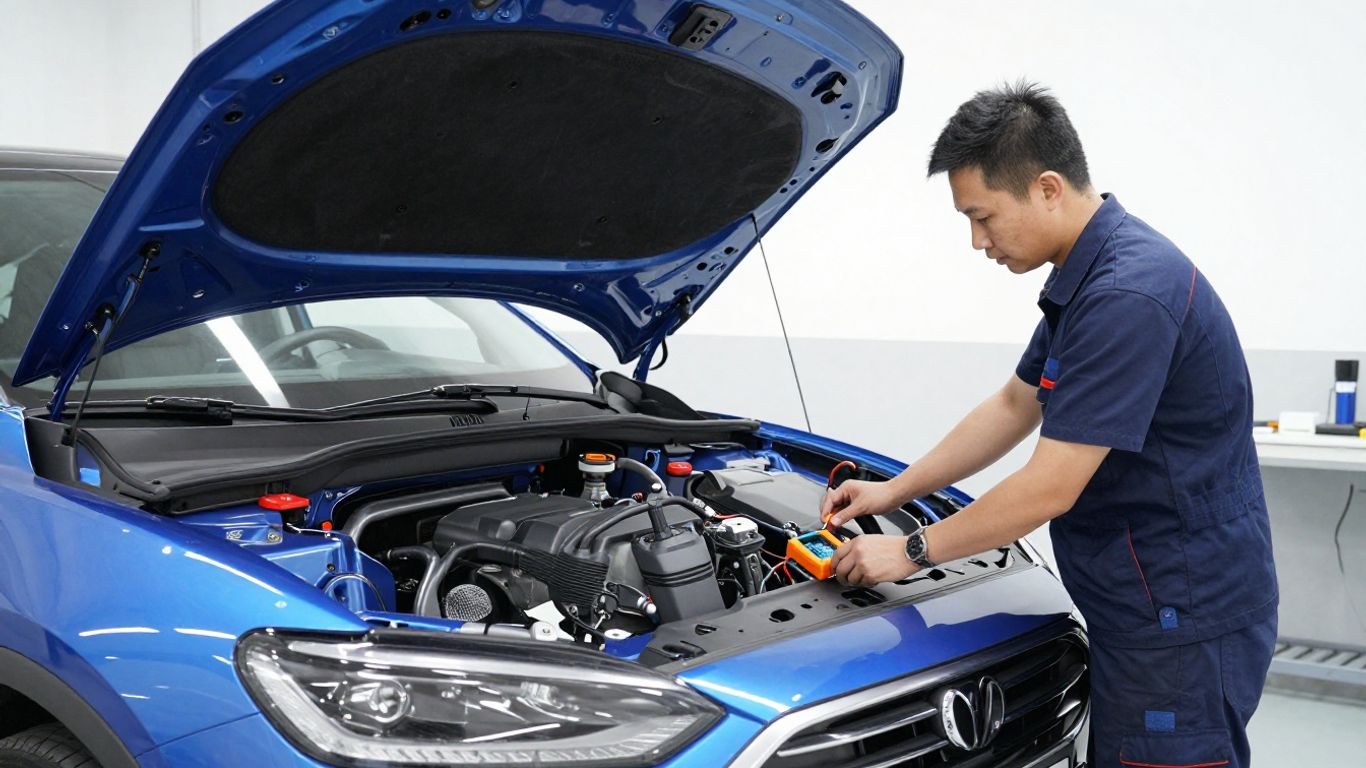
Infrastructure development now emphasizes accessibility, ensuring that owners regardless of their location can access professional care. Growth in the dealer network is being managed alongside a rigorous training program meant to align every site with international standards. This scale-up ensures that the brand remains responsive to the needs of its nationwide customer base as vehicle populations increase.
Strengthening technician technical expertise
Technicians are undergoing intensive programs to specialize in high-voltage system maintenance and software diagnostics. This technical depth is essential for ensuring that service centers can handle the specific complexities of modern battery-electric architectures accurately.
Scaling service centers across regional areas
Service footprint expansion is moving beyond metropolitan hubs to cover more distant regions, making routine care more convenient for owners. The following table highlights the expansion metrics currently being monitored:
| Region | Current Centers | Expansion Target | Status |
|---|---|---|---|
| Metro | 25 | 10 | On Track |
| Regional | 12 | 15 | In Progress |
| Remote | 4 | 5 | Planning |
Regional owners will benefit significantly, as wait times should decrease with the completion of these new hubs.
Standardizing service protocols across all dealers
Consistency happens when every location follows an identical set of maintenance procedures and safety checks. By centralizing these protocols, the organization ensures that a vehicle receives the same level of care regardless of where it is serviced in the country.
Enhancing digital service booking and transparency
Streamlining administrative touchpoints provides owners with greater clarity and confidence throughout their service journey. These digital updates aim to move away from legacy appointment systems, introducing a more user-friendly layer of control for customers. Managing vehicle health through these tools is now a seamless task, helping to reduce the overall administrative burden on both the owner and the garage staff.
Improving the official BYD Australia booking portal interface
Updating the web-based booking portal ensures that drivers can select available slots with higher precision and fewer clicks. By modernizing the design, the company creates a faster pathway to scheduling essential maintenance tasks.
Providing real-time updates on vehicle servicing status
Communication regarding a vehicle’s status during its time in the workshop creates a more transparent experience for the driver. Owners will receive notifications that offer comprehensive Service & Warranty transparency as their car progresses through different diagnostic or repair stages.
Digitizing vehicle service history records for owners
Electronic records allow for a permanent and accessible log of all maintenance work performed on a vehicle. This digitisation is crucial for maintaining resale value and provides an accurate audit trail of all software updates and hardware inspections.
Streamlining parts logistics and availability
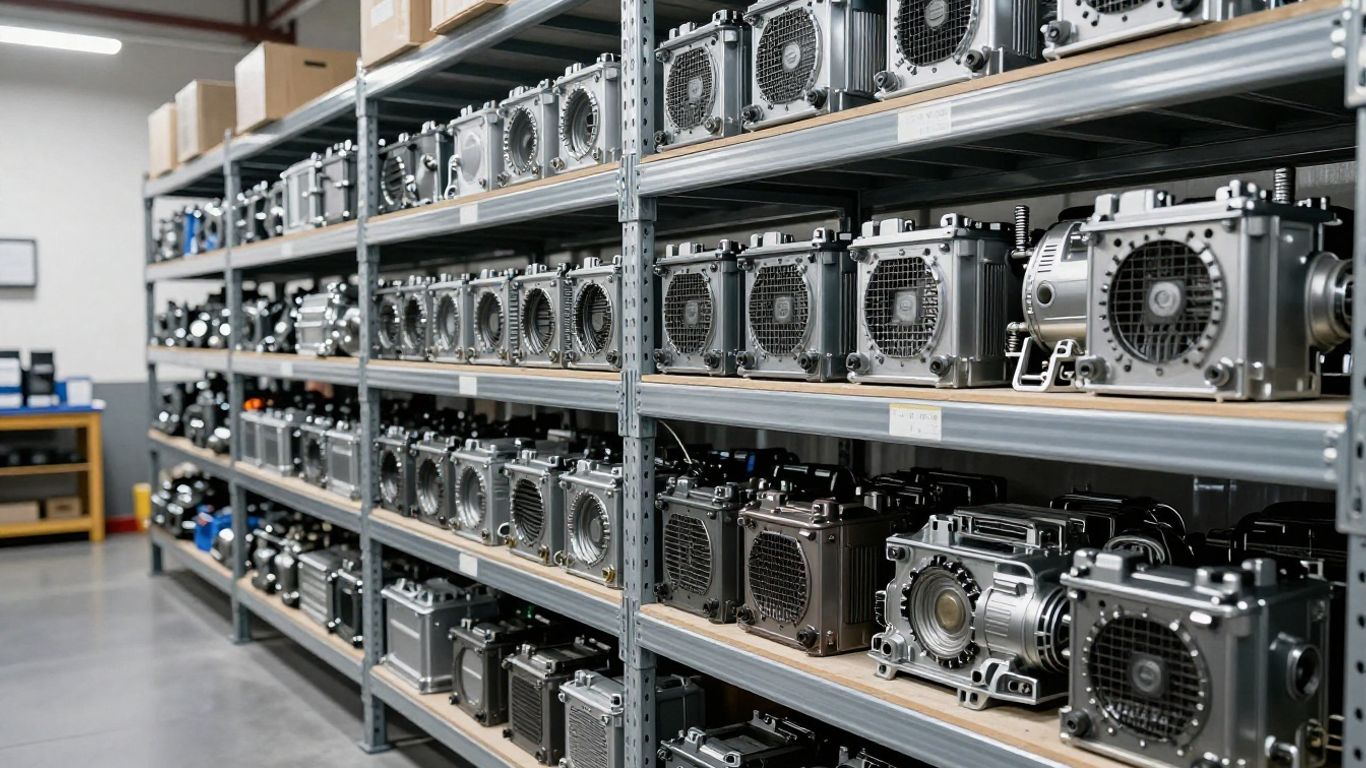
Efficient parts management is the heartbeat of a responsive service network, directly influencing how quickly a vehicle can return to the road. The current model relies on a sophisticated supply chain that prioritizes high-demand items while maintaining a buffer for specialized components. This approach significantly reduces the downtime that owners might otherwise experience during a standard service visit.
Optimizing the local parts inventory pipeline
Inventory systems are being retooled to ensure that common wear-and-tear items are always in stock at regional hubs. By predicting supply requirements based on historic data, centers can avoid unnecessary delays.
Reducing turnaround times for specialized components
For unique mechanical elements that are not routinely replaced, specialized sourcing is now governed by shorter shipping cycles. This reflects a strategic shift in logistics management to improve overall service speed.
Coordination strategies with international supply centers
By leveraging global intelligence, the manufacturer ensures that local warehouses receive bulk inventory updates aligned with projected fleet maintenance needs. The following list details the core pillars of this improved logistics strategy:
- Implementing automated inventory tracking for all centers.
- Increasing local buffer stocks for critical electrical components.
- Utilizing high-speed courier pathways for urgent specialized repairs.
- Establishing dedicated supply liaison teams to minimize regional wait times.
These measures should collectively lead to more reliable scheduling for complex repairs and maintenance.
Communication and customer success initiatives
Proactive communication serves as a buffer against common service frustrations by setting clear expectations from the start. A renewed focus on the human side of support ensures that drivers feel heard when questions arise about their vehicle health. This cultural shift aims to make every support interaction a constructive part of the long-term ownership journey, while also providing a source of comprehensive service and warranty information for any technical queries.
The role of dedicated customer support hotlines
Hotlines provide an immediate human connection for owners seeking urgent advice or clarification on their vehicle’s dashboard alerts. These centers are now being expanded to handle higher volumes of inquiries during peak hours.
Setting realistic expectations for vehicle service intervals
Clearly articulating the required maintenance cadence helps owners plan their year effectively. Educational materials now emphasize the importance of following manufacturer-recommended intervals to keep the vehicle in its best possible working order.
Leveraging owner feedback loops for continuous improvement
Listening to the community ensures that service management can pivot based on real-world driver experiences. These loops provide actionable data that influence future improvements to software, hardware availability, and facility comfort.
What owners can expect moving forward
As the support network matures, owners will likely observe more consistency in service duration and scheduling precision. This evolution is a multi-stage process, with ongoing assessments to verify that new benchmarks are successfully met. The goal is to build a reliable ecosystem where maintenance becomes a low-stress activity for all drivers.
Assessing the impact of new service management benchmarks
Performance metrics are now being tracked against stricter goals to identify potential delays before they affect the customer. This management style allows for more proactive course correction across the national dealer footprint.
Tips for navigating the evolving service network
Drivers are encouraged to engage with Customer Care Centre services early when scheduling to ensure preferred dates and times. Utilizing official channels ensures that the latest warranty information and software updates are always applied to the vehicle.
Understanding updates to warranty support structures
Warranty scope remains clear, covering the battery and drive units for significant periods while providing owners with a robust sense of long-term assurance. Familiarising oneself with these structure updates guarantees that benefits are fully maximized throughout the vehicle’s lifespan.
Conclusion
The commitment to enhancing local support marks a pivotal chapter for electric vehicle owners in Australia. By investing in dealer training, parts logistics, and digital clarity, the organization is creating a more stable foundation that addresses past limitations while catering to a rapidly growing fleet of new energy vehicles.
Frequently Asked Questions
How often should my vehicle be serviced?
Maintenance intervals depend on the specific vehicle model and the manufacturer’s official guide, which typically outlines check-ins based on mileage or time intervals to ensure peak performance.
Where can I locate an authorized service center?
An official dealer and service locator tool is available on the manufacturer’s website, allowing you to filter locations by your current city or postal code.
What happens if a part is not in stock?
Authorized centers have access to national and international supply pipelines that track the arrival of necessary components, aiming to provide an estimated completion date as soon as possible.
Can I book my service online?
Yes, an official booking portal is available for owners to select their preferred location and appointment time, often offering a view of available dates in advance.
Does the warranty cover software updates?
Warranty support generally includes the latest factory software optimizations designed to keep your vehicle operating within expected parameters throughout its life.
Is roadside assistance included?
Factory-backed roadside assistance is often bundled with new vehicle purchases to provide help for unexpected situations, though specific terms should be verified in your documentation.
How can I provide feedback on my recent service?
Most authorized dealers send out a survey or have a dedicated feedback form on their customer support pages, which is the most effective way to help improve local branch performance.