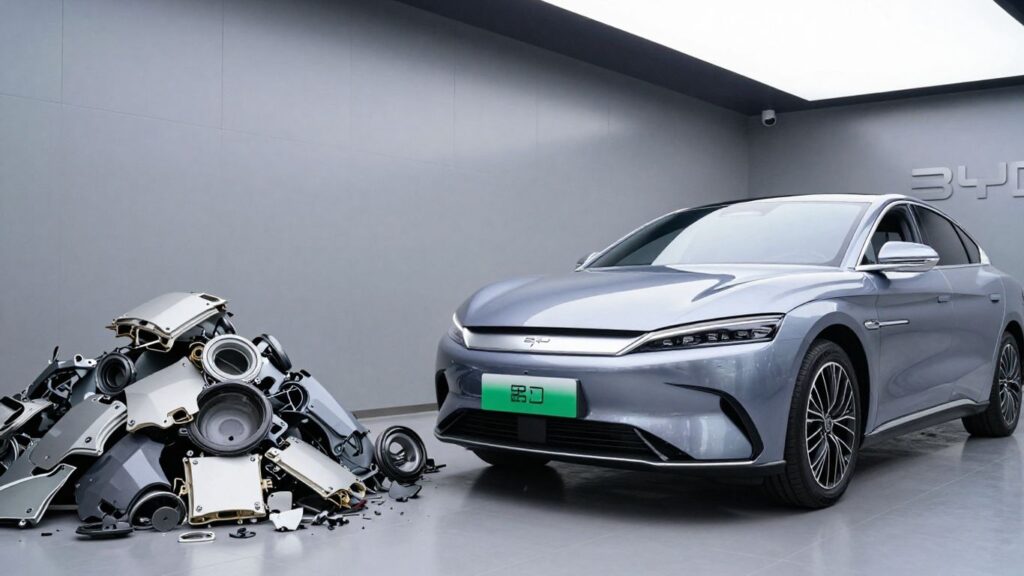
Deciding between parts from BYD wreckers and official dealerships can be tricky. Here’s a quick rundown of the main points to help you make the best choice for your car and your wallet.
Key Takeaways
- BYD wreckers often provide significantly lower prices, making them attractive for budget-conscious repairs.
- Dealership parts offer the assurance of genuine, new components with manufacturer warranties, but at a higher cost.
- The quality and condition of parts from wreckers can vary greatly, requiring careful inspection before purchase.
- Dealerships typically have a consistent supply chain for current models, while finding specific parts at wreckers might involve more searching.
- Consider the age of your BYD and the specific part needed to determine if wreckers or dealership parts offer better long-term value.
Understanding BYD Parts: Dealership vs. Wreckers
When it comes to keeping your BYD running smoothly, you’ve got a couple of main avenues for getting replacement parts. On one hand, there’s the official route – your local BYD dealership. They’re the go-to for what are often called ‘genuine’ parts. Then, you have the world of auto wreckers, also known as salvage yards or breakers. These places take in vehicles that are no longer roadworthy, often due to accidents or age, and sell off the usable components. It sounds simple enough, but the choice between these two can have a pretty big impact on your wallet and your car’s health.
The Value Proposition of BYD Wreckers
Auto wreckers can be a goldmine for savings. Think about it: a part that’s perfectly functional but came from a car that was totaled in a fender bender. You’re essentially getting a used part, and used parts almost always come with a lower price tag than brand-new ones. This is especially true for components that are expensive when new, like body panels, certain engine parts, or even interior bits. For older BYD models, finding specific parts at a dealership might become difficult, making wreckers a more viable option. You might even find yourself looking for affordable, used auto parts from a reputable dismantler.
Dealership Parts: The Official Route
Going to the dealership for parts means you’re getting what the manufacturer intended. These are typically OEM (Original Equipment Manufacturer) parts, meaning they were made by BYD or one of their approved suppliers to meet specific standards. The big draw here is the peace of mind. You know exactly what you’re getting, and it’s designed to fit and function perfectly with your vehicle. While this often comes at a higher price, it’s usually backed by a warranty, offering a layer of security.
BYD Wreckers vs Dealership Parts: Initial Cost Considerations
Let’s get down to brass tacks: cost. If you’re on a tight budget, the difference between a part from a wrecker and one from a dealership can be substantial. For example, a replacement headlight assembly might cost several hundred dollars at the dealership, but you could potentially find the exact same part for a fraction of that price at a salvage yard. However, it’s not always a straightforward win for wreckers. Sometimes, the cost of labor to fit a used part, or the risk of it failing prematurely, can eat into those initial savings. It really depends on the specific part and the condition of the used item.
The decision often boils down to a balance between upfront savings and long-term reliability. While wreckers offer immediate cost benefits, dealerships provide a guarantee of quality and compatibility, which can prevent more expensive issues down the line.
Assessing Quality and Authenticity
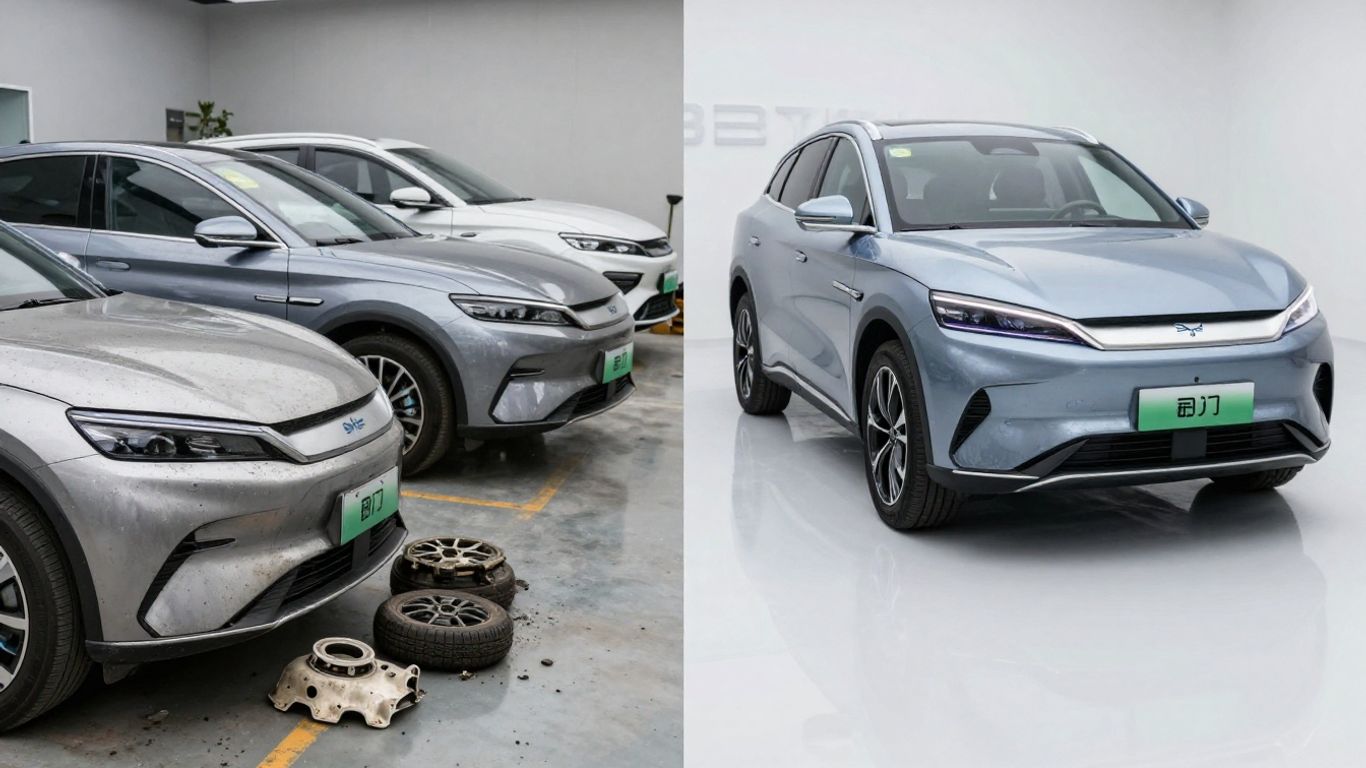
When it comes to maintaining your BYD, the source of your replacement parts can make a huge difference in the long run. You’ll hear lots of opinions about which route offers the best mix of peace of mind, quality, and cost-effectiveness. Let’s break down the differences between dealership parts and those you might score from BYD wreckers.
Genuine Parts Guarantee from Dealerships
Dealerships are the go-to for most owners who want the original experience. When you buy from a dealership, you’re guaranteed parts that were made to fit and perform exactly as the manufacturer intended. Here’s what sets dealership parts apart:
- Always new and untouched
- Backed by manufacturer warranties
- Assured compatibility with your BYD’s model and features
Plus, with genuine BYD replacement parts, you avoid the unpredictable nature of untested aftermarket options. This is especially important for parts that affect safety—like braking components or crash sensors.
Quality Variability in BYD Wrecker Parts
BYD wreckers (sometimes called auto recyclers or salvage yards) sell used parts taken from dismantled vehicles. Quality here is all over the map—sometimes you’ll score a nearly-new part, and other times, you may get something that’s felt every pothole in town.
Key things to keep in mind:
- History is unknown: Parts may have hidden damage or past failures
- Cheaper, but often with no warranty
- Condition varies even among identical parts
Here’s a quick comparison:
| Source | Average Condition | Warranty | Price Range |
|---|---|---|---|
| Dealership | New | Yes (factory) | $$ to $$$ |
| Wrecker | Used, varied | Rare/none | $ to $$ |
Ensuring Authenticity When Choosing BYD Wreckers vs Dealership Parts
No one wants to unknowingly install a fake or poorly made part. Authenticity matters—for safety, reliability, and the lifespan of your car.
How can you tell if you’re getting the real deal? Try these steps:
- Ask for part numbers and compare them with your owner’s manual or a trusted dealership.
- Look for certification stamps or labels that indicate it’s a factory part.
- If buying from a wrecker, inspect parts in person if possible.
- Check return policies and any guarantee—even a short one is better than none.
Don’t automatically assume the priciest part is the best; sometimes you really are just paying for the peace of mind that comes with dealer packaging. EVP offers certified European car parts with rigorous quality checks, showing that reliable sources do exist in the used market if you know where to look.
At the end of the day, balancing your budget with a clear view of what you’re really getting is key. Take time to compare, ask questions, and don’t be shy about walking away if something feels sketchy.
Availability and Sourcing Channels
When you need a part for your BYD, figuring out where to get it is a big part of the puzzle. It’s not always as simple as walking into a store. The availability of parts can really depend on whether you’re going the official route or looking at used options.
Dealership Parts: Consistent Supply Chains
Dealerships are usually your best bet for getting parts quickly and without much fuss. They have direct connections with BYD’s official distribution network. This means they generally stock common wear-and-tear items and parts for newer models. If a part isn’t on the shelf, they can usually order it directly from the manufacturer or a regional warehouse. This system is designed for reliability, so you know what to expect. The biggest advantage here is predictability; you’re less likely to face long waits for standard components. For urgent repairs, this consistency is a lifesaver. You can often check BYD’s official parts catalog online or call your local dealer to confirm availability before heading over.
BYD Wreckers: The Hunt for Specific Components
Finding parts at a BYD wrecker, also known as a salvage yard or auto recycler, is a different ballgame. It’s more like a treasure hunt. You might find exactly what you need for a fraction of the cost, especially for older or discontinued models. However, it requires patience and sometimes a bit of luck. You’re relying on what other vehicles have come through the yard. This can be great for finding unique trim pieces or body panels that are no longer in production. Some wreckers specialize in certain brands, so a yard focusing on electric vehicles might be your best bet for BYD components.
BYD Wreckers vs Dealership Parts: Navigating Availability
Here’s a quick look at how availability stacks up:
- Dealerships:
- Reliable for new, genuine parts.
- Good stock of common maintenance items.
- Can order less common parts, but may involve a wait.
- Pricing is generally higher.
- BYD Wreckers:
- Great for used, affordable parts.
- Best for older or hard-to-find components.
- Availability is unpredictable; requires searching.
- Parts may have wear and tear.
When you’re in a bind, knowing these differences can save you time and money. A dealership offers peace of mind with guaranteed new parts, while a wrecker can be a goldmine for budget-conscious repairs or when hunting for that one specific, no-longer-made piece. For example, if you need a specific sensor for a BYD Han, a dealer will have it, but a specialized electric vehicle recycler might also have one pulled and ready to go, potentially at a much lower price. If you’re looking for a reliable source for used Toyota parts in New Zealand, EVP is a good example of a specialized recycler.
Ultimately, your choice depends on the part you need, your budget, and how quickly you need it. Sometimes, the ‘hunt’ at a wrecker is worth the effort, and other times, the straightforward availability from a dealership is the only way to go.
Long-Term Vehicle Health and Maintenance
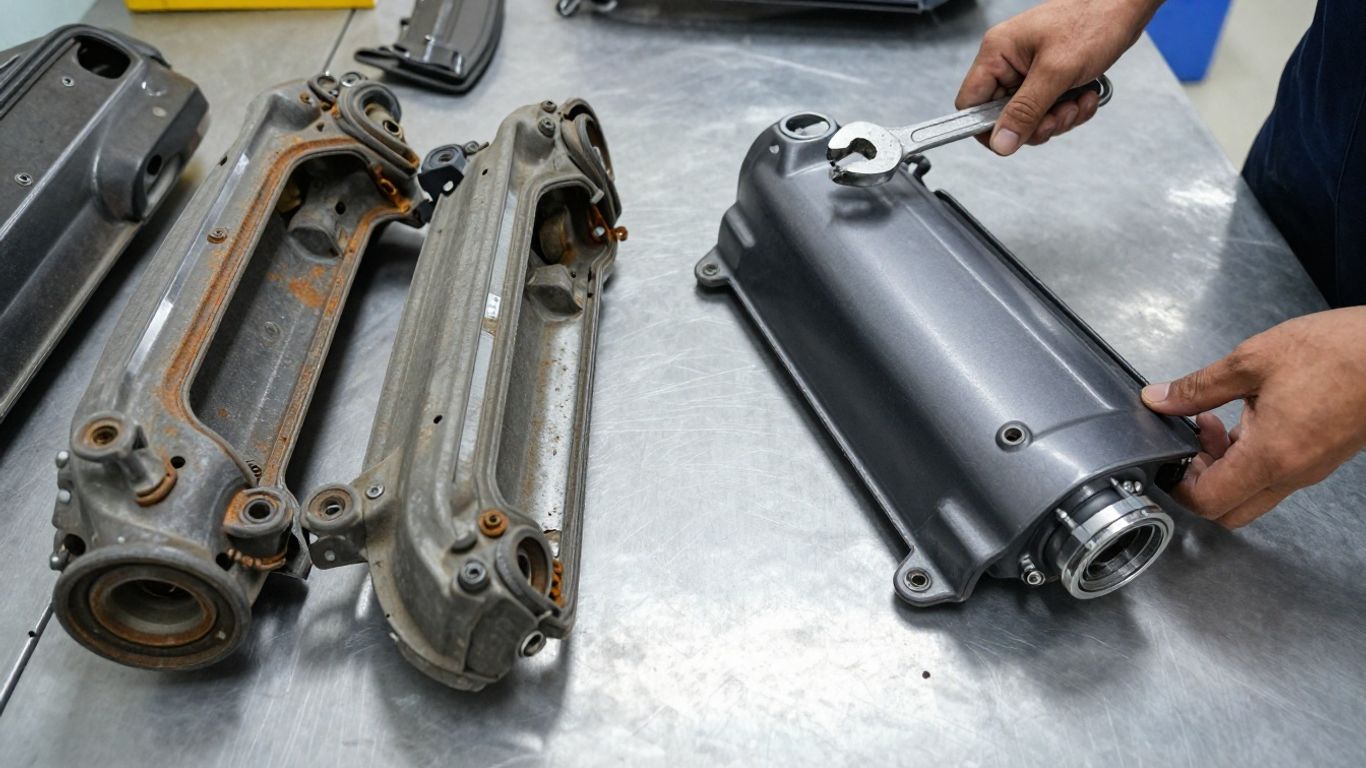
When you’re thinking about keeping your BYD running smoothly for years to come, the parts you choose really matter. It’s not just about fixing something that’s broken right now; it’s about how those parts will affect your car down the road.
Impact of Dealership Parts on Longevity
Going with genuine parts from a BYD dealership is often seen as the safest bet for long-term health. These parts are designed specifically for your BYD model, meaning they should fit perfectly and function as the manufacturer intended. This can help maintain the car’s original performance and reduce the chances of unexpected issues popping up later. Think of it like using the exact brand of ingredients your favorite recipe calls for – you know it’s going to work out. Plus, using genuine parts can sometimes help keep your warranty intact, which is a big deal if something major goes wrong.
Potential Risks of Used Parts from BYD Wreckers
Now, BYD wreckers can be a great way to save money, but there are definitely some risks involved when you’re looking at the long haul. Used parts have already lived a life, and you don’t always know how hard that life was. A component that looks fine might have hidden wear or be close to failing. For example, a used suspension part might seem okay, but it could have micro-fractures that worsen over time, leading to a breakdown or affecting how your car handles. It’s a bit of a gamble, and while you might save cash upfront, you could end up paying more later if the part fails prematurely. It’s also harder to know if these parts meet the same quality standards as new ones.
BYD Wreckers vs Dealership Parts: A Maintenance Perspective
So, how do you weigh this for your BYD’s future? It really comes down to what you’re replacing and your tolerance for risk.
- Critical Components: For major systems like the engine, transmission, or battery management, sticking with dealership parts is usually the wiser choice for longevity. These are complex and expensive to replace if they fail.
- Wear and Tear Items: For things that wear out naturally, like brake pads or filters, used parts from a reputable wrecker might be perfectly fine, especially if they look to be in good condition.
- Electrical Systems: Modern cars, including BYDs, have complex electronics. Used electronic control units (ECUs) can be tricky; they might be programmed for a different configuration or have unseen issues. This is an area where new parts often provide more certainty.
When considering the long-term health of your BYD, it’s a balancing act. While wreckers offer immediate savings, the peace of mind and guaranteed compatibility of dealership parts can prevent more costly repairs and headaches down the line. It’s about understanding the potential lifespan and reliability of each option.
Ultimately, if you plan on keeping your BYD for a long time, investing in quality parts, whether new from the dealer or carefully selected used ones, is key. It’s about making choices that support your car’s overall health and minimize future repair bills. If you’re unsure about a specific part, it might be worth checking out advice from mechanics on car brands to get a sense of general reliability trends.
Cost-Benefit Analysis for BYD Owners
So, you’ve got a BYD and you’re wondering about parts. Should you go with the official dealership, or is it worth checking out the wreckers? It really boils down to what you’re trying to achieve and how much you’re willing to spend. Let’s break it down.
When BYD Wreckers Offer Superior Value
For many folks, the biggest draw of using BYD wreckers is the price. You can often snag a used part for a fraction of what a brand-new one would cost from the dealership. This is especially true for older models or parts that are no longer in high demand. If you’re doing some DIY repairs or have a trusted independent mechanic who’s good with sourcing used parts, this can lead to some serious savings. It’s a bit of a treasure hunt sometimes, but when you find that perfect, affordable component, it feels like a win.
- Significant Cost Savings: Often the primary motivator. Used parts can be dramatically cheaper.
- Availability for Older Models: Dealerships might discontinue parts for older BYDs, but wreckers can be a goldmine.
- Environmental Friendliness: Reusing parts is a greener option, reducing waste.
Sometimes, the sheer availability of a specific, hard-to-find part from a wrecker can make it the only practical option, regardless of price.
When Dealership Parts Justify the Expense
Now, let’s talk about the dealership. The main advantage here is peace of mind. When you buy a part from a BYD dealership, you’re generally getting a genuine, new component. This usually comes with a warranty, which can save you a lot of headaches if the part turns out to be faulty. For critical components like engine parts, transmission elements, or safety systems, going with a new, genuine part from the dealer is often the safer bet, even if it costs more upfront. It’s about minimizing risk and ensuring your BYD runs as the manufacturer intended. The initial cost considerations can be higher, but the long-term reliability might be worth it.
- Guaranteed Authenticity: You know you’re getting a genuine BYD part.
- Warranty Protection: Most new parts come with a manufacturer’s warranty.
- Predictable Performance: New parts are expected to perform to factory specifications.
Making the Smart Choice: BYD Wreckers vs Dealership Parts for Your Budget
Ultimately, the decision between wreckers and dealerships depends on your specific situation. If you’re on a tight budget and comfortable with a bit of risk, or if you need a part for an older model that’s hard to find new, BYD wreckers are a great option. However, if you prioritize guaranteed quality, warranty, and the absolute best performance for critical systems, paying the premium for dealership parts makes a lot of sense. Think about the age of your BYD, the specific part you need, and your comfort level with used versus new components. It’s not a one-size-fits-all answer, but by weighing these factors, you can make the choice that’s best for your wallet and your vehicle’s health. The automotive market is changing, and understanding these options helps keep your car on the road without breaking the bank, unlike some of the more expensive SUVs and minivans that have replaced simpler sedans.
The Role of Vertical Integration in BYD Parts
When you look at BYD, you’re seeing a company that does a lot of its own manufacturing. This is called vertical integration, and it’s a pretty big deal in how they make cars and, importantly, their parts. Think of it like a chef who grows their own vegetables, raises their own chickens, and bakes their own bread before making a meal. BYD is doing something similar with its vehicles. They’re not just putting together parts made by a bunch of different companies; they’re involved in making many of those parts themselves, right from the early stages.
How BYD’s Integration Affects Part Pricing
This in-house approach can really change the game when it comes to the cost of parts. Normally, when a car company buys a part from another supplier, that supplier has their own costs and profit margin. Then, the car company adds its own markup. With vertical integration, BYD cuts out some of those middle steps. By controlling more of the production chain, they can potentially offer parts at a lower price because they aren’t paying extra margins to outside companies. This can mean more car for your money, or at least more affordable replacement parts down the line. It’s a strategy that allows them to keep a tighter rein on costs and quality from start to finish.
Implications for Long-Term Part Availability
Vertical integration also plays a role in how easy it is to get parts for your BYD, especially as the car gets older. Because BYD makes many of its own components, they have more direct control over their production. This can lead to more consistent supply chains for common parts. However, it’s a bit of a double-edged sword. While they might keep making parts for their popular models, if a specific component is only used in a limited run or an older model, BYD decides if and when they’ll continue producing it. This means that for very old or niche parts, you might be entirely dependent on BYD’s willingness to keep them available, unlike brands that rely on a wide network of aftermarket suppliers.
BYD Wreckers vs Dealership Parts: Understanding the Manufacturer’s Influence
So, how does this all tie back to the choice between wreckers and dealerships? When you buy a part from a BYD dealership, you’re getting a part that likely came from BYD’s own manufacturing stream or a supplier they closely manage. These are generally considered genuine parts, made to the manufacturer’s specifications. On the other hand, wreckers offer used parts. The quality and origin of these parts can vary wildly. Sometimes, a part from a wrecker might be a genuine BYD component that was removed from another vehicle. Other times, it might be a part from a third-party manufacturer that BYD never used. Understanding BYD’s vertical integration helps explain why their dealership parts might have a certain price point and availability, and why the used market can be so unpredictable. It’s all about who’s making the part and how much control BYD has over that process. This can influence everything from the initial cost to the long-term reliability of the component in your vehicle.
Conclusion
So, when it comes to keeping your BYD running smoothly, it’s not a one-size-fits-all answer. BYD wreckers can be a fantastic way to save cash, especially for older cars or when you need a specific part that’s hard to find. Just be ready to do a little digging and check the quality carefully. Dealership parts, on the other hand, give you that peace of mind with guaranteed authenticity and the latest specs, but they usually come with a higher price tag. Think about your budget, how old your BYD is, and how quickly you need the part. Sometimes, a mix of both is the smartest way to go. Ultimately, making an informed choice between BYD wreckers vs dealership parts means weighing upfront cost against long-term reliability for your specific situation.
Frequently Asked Questions
Are parts from BYD wreckers always lower quality?
Not necessarily. While some parts might be worn out, many cars at wreckers are taken off the road for reasons other than major mechanical failure. You can often find good quality, used parts that are still perfectly functional. It just means you have to look closely and maybe ask the wrecker about the car’s history if they know it.
Can I get a warranty on parts from a wrecker?
Usually, no. Most wreckers sell parts ‘as is,’ meaning there’s no guarantee or warranty. Some might offer a short return period, like 30 days, if the part is found to be faulty right away. Dealerships, however, will give you a proper warranty on new parts.
Is it hard to find specific parts at BYD wreckers?
It can be. If you have a common BYD model, finding parts might be easy. But for older models or less common components, you might have to visit several wreckers or wait for the right car to come in. Dealerships will generally have a better chance of ordering exactly what you need, even if it takes time.
What does ‘vertical integration’ mean for BYD parts?
Think of it like BYD controlling more of the steps involved in making their cars and parts. This can sometimes mean they have better control over costs and availability. It might make parts cheaper or easier to get directly from them, but it could also mean fewer options from other companies down the road.
When is it better to go to the dealership for BYD parts?
It’s usually better to go to the dealership if you need a part for a newer car, want the peace of mind of a warranty, or require a very specific, high-tech component like a main computer module. If your car is still under its original warranty, using dealership parts is often required to keep that warranty valid.
How can I be sure a part from a wrecker is genuine?
Genuine parts usually have the manufacturer’s logo or part number stamped on them. When looking at BYD wreckers vs dealership parts, try to find these markings. If a part looks poorly made or doesn’t have any identifying marks, it might not be a genuine BYD part, even if it came from a BYD car.