
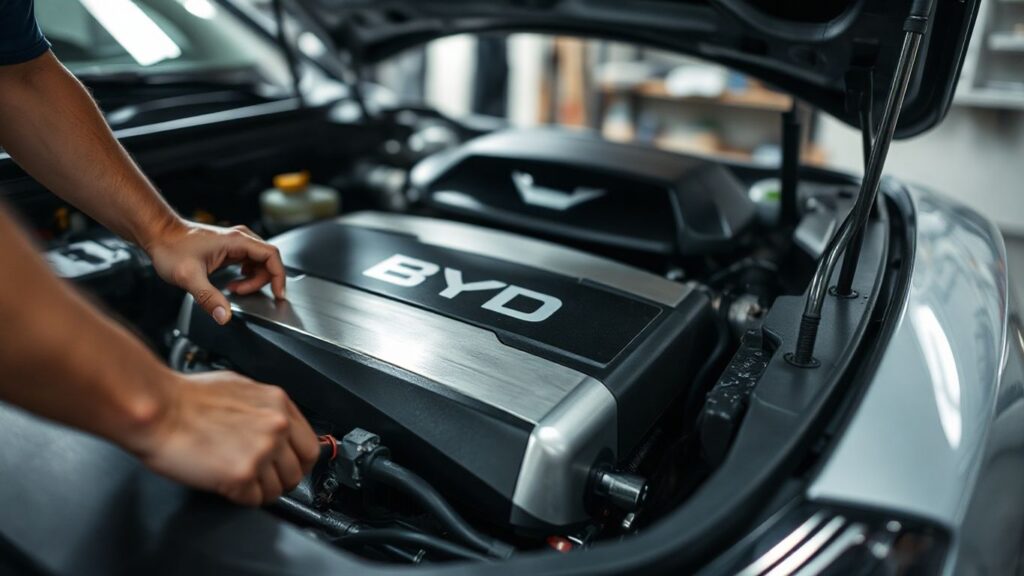
Saving money on BYD repairs is totally doable with a few smart moves. You don’t need to be a car expert to keep costs down. Here are the main things to remember:
Key Takeaways
- Regular check-ups and fixing small problems early stop big, expensive issues later.
- Look into good quality used parts; they’re cheaper than new ones and often just as good.
- Always get a few price quotes from different mechanics before agreeing to any work.
- Driving smoothly and avoiding bad roads helps your BYD last longer and need fewer repairs.
- Setting aside a little money regularly for car stuff means you’re ready for unexpected bills.
Proactive Maintenance for BYD Savings
Taking good care of your BYD is the smartest way to keep repair bills low. Think of it like going to the doctor for regular check-ups; it’s way better than waiting until you’re really sick. For electric vehicles like BYDs, this means staying on top of a few key things.
Regular Servicing Prevents Costly Breakdowns
Sticking to your BYD’s recommended service schedule is non-negotiable if you want to avoid major headaches down the road. These appointments aren’t just about changing the oil (though that’s important too!). They’re thorough inspections where trained technicians can spot potential problems before they turn into expensive failures. For electric cars, this often involves checking battery health, electrical systems, and regenerative braking components. Skipping these can lead to issues that are much pricier to fix later on. Remember, preventive maintenance is your best friend when it comes to saving money.
Address Minor Issues Before They Escalate
Did you hear a weird little noise the other day? Or maybe notice a slight change in how your BYD handles? Don’t ignore it. Small problems have a nasty habit of growing into big, wallet-draining ones if left unchecked. A squeaky brake might just need a quick adjustment, but if you wait, you could end up needing a whole new brake system. Similarly, a small coolant leak could lead to overheating and severe engine damage. It’s always better to get those little quirks looked at sooner rather than later.
Understand Essential Fluid Checks
Even though BYDs are electric, they still have fluids that need attention. This includes brake fluid, coolant for the battery and motor, and windshield washer fluid. Low or contaminated fluids can cause serious damage. For example, old coolant can lead to overheating, which is bad news for your battery’s lifespan and performance. Regularly checking these levels and topping them up or flushing them as recommended by BYD can save you from costly repairs related to these systems. It’s a simple task that pays off big time.
Strategic Parts Sourcing for BYD Repairs
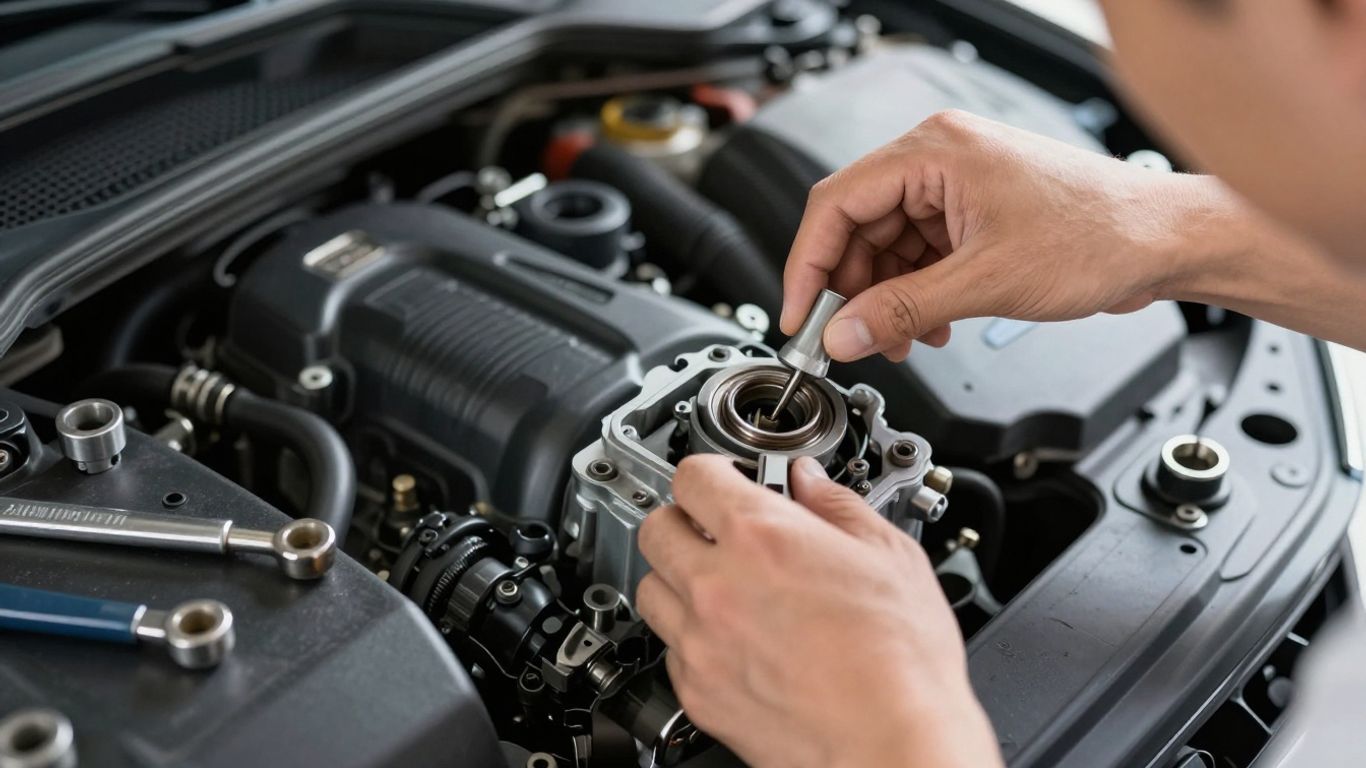
When your BYD needs a part, you’ve got options beyond just the brand-new, dealership-offered components. Thinking about where you get your parts can really make a difference in your wallet.
Evaluate the Benefits of Quality Used Parts
Buying used parts is a smart move for many repairs. They’re usually a lot cheaper than new ones, and for a lot of components, they work just as well. Think about it: a part that’s been taken off a car that was in an accident but still had good parts, or a car that was simply retired. It’s not like the part was used up. The key is to make sure the used part is still in good condition. You don’t want to save a few bucks only to have the used part fail sooner than expected.
- Cost Savings: This is the big one. Used parts can be 50-70% cheaper than new ones.
- Environmental Impact: Reusing parts is good for the planet. Less manufacturing means less waste.
- Availability: Sometimes, older or less common parts are easier to find used than new.
It’s important to remember that not all parts are created equal when it comes to buying used. For critical safety components like brakes or steering parts, you might want to stick with new or thoroughly inspected used options. But for things like body panels, mirrors, or even some engine components, used can be a fantastic choice.
Identify Reliable Suppliers for Pre-Owned Components
Finding a good place to buy used parts is half the battle. You don’t want to just grab something from a random yard without any checks. Look for suppliers who test their parts before selling them. Some places even offer a short warranty, which is a great sign of confidence in their products. Online marketplaces can be useful, but always check seller reviews and return policies. Local auto recyclers or specialized used parts dealers are often a good bet. You can often find great deals on used auto parts if you know where to look.
Compare New vs. Used Parts for Your Needs
So, how do you decide? It really comes down to the specific part and your budget. For routine maintenance items like filters or spark plugs, the price difference might not be huge, and new might be preferable for peace of mind. But for something like a fender bender where you need a new bumper or a door, a used part from a reputable source can save you a significant amount of money. Always get quotes for both new and used options if possible. This way, you can make an informed choice that fits your situation best. Sometimes, a slightly older, but still good, used part is the most practical solution for keeping your BYD on the road without breaking the bank.
Navigating BYD Repair Costs
Let’s be real, car repairs can feel like a punch to the wallet. One minute your BYD is humming along, and the next, you’re staring at a bill that makes your eyes water. It’s not just about the big stuff, either; even little fixes add up. But don’t sweat it too much. There are definitely ways to handle these costs without breaking the bank.
Compare Quotes from Multiple Independent Mechanics
This is probably the most straightforward way to save some cash. Don’t just go to the first shop you find. Call around, get a few different estimates for the same job. You’d be surprised how much the prices can vary between mechanics, even for the exact same repair. It pays to do a little legwork here.
Understand Dealership vs. Independent Workshop Pricing
Dealerships often have higher overheads, which means they usually charge more. They might have specialized tools or factory-trained techs, but you’re paying a premium for that. Independent workshops, on the other hand, can often do the same work for less. It’s worth checking out a reputable local mechanic. Sometimes, they can be just as good, if not better, and definitely easier on your budget. For routine checks, BYD maintenance can range from $300 to $550, so knowing where you get this done matters. BYD servicing costs can differ a lot.
Factor in Labor and Part Costs
When you get a quote, make sure you know what’s included. Is it just the labor, or does it cover the parts too? Sometimes, mechanics will mark up the price of parts. If you’re comfortable doing so, you might even be able to source your own parts, especially if you find a good deal on quality used components. Always ask for a breakdown so you know exactly what you’re paying for.
Unexpected car repairs are a common source of financial stress. Having a plan, like setting aside money regularly or knowing where to find affordable repairs, can make a big difference when something goes wrong. It’s about being prepared so you’re not caught completely off guard.
Here are some tips to keep in mind:
- Get it in writing: Always ask for a written estimate before agreeing to any work.
- Ask about warranties: See if the mechanic offers a warranty on their labor and the parts they use.
- Don’t ignore warning signs: Small issues can turn into big, expensive problems if you put them off. Addressing them early is usually cheaper in the long run.
- Consider used parts: For non-critical components, high-quality used parts can offer significant savings. Just make sure you’re buying from a trusted source.
Smart Driving Habits for BYD Longevity
How you handle your BYD on the road actually makes a pretty big difference in how long it lasts and how much you spend on it. It’s not just about getting from point A to point B; it’s about the journey itself. Being mindful of your driving style can save you a lot on repairs and keep your car running smoothly for years.
Smooth Driving Reduces Wear and Tear
Think about it: slamming on the brakes or flooring the accelerator puts a lot of stress on your car. This harsh treatment wears out your tires and brakes much faster than necessary. For electric vehicles like BYDs, aggressive acceleration also uses up more battery power, meaning you’ll be charging more often. Adopting a gentler approach to driving is one of the simplest ways to extend the life of your vehicle’s components. This means looking ahead on the road to anticipate stops and starts, easing off the accelerator gradually instead of braking hard, and avoiding sudden bursts of speed.
Avoid Road Hazards That Damage Your Vehicle
Our roads aren’t always perfect, and encountering potholes or debris can cause real damage. Hitting a big pothole, for instance, can mess up your alignment, damage your tires, or even harm suspension parts. Driving over curbs or speed bumps too quickly can also lead to similar problems. It’s worth paying attention to the road ahead and slowing down when you see potential hazards. This simple act can prevent costly repairs down the line. If you drive in an area with rough roads, consider looking into tire options that offer a bit more durability.
Proper Tire Care for Optimal Performance
Your tires are the only part of your car that touches the road, so taking care of them is super important. Keeping your tires properly inflated is key. Underinflated tires wear out unevenly and can hurt your car’s efficiency. Overinflated tires can lead to a harsher ride and also wear out faster. It’s a good idea to check your tire pressure regularly, maybe once a month. Also, don’t forget about tire rotations. Getting them rotated every 6,250 miles or so helps them wear down evenly, making them last longer. This simple maintenance can save you money and improve your car’s handling.
Driving habits are a direct reflection of how much you’ll end up spending on your vehicle. Being gentle with your BYD means it’ll be gentle with your wallet over time. Small adjustments in how you accelerate, brake, and react to the road can add up to significant savings on maintenance and part replacements.
DIY Approaches to BYD Maintenance
Sometimes, you just want to get your hands dirty and save a few bucks on your BYD. It’s not always about major repairs; a lot of basic upkeep can be done yourself with a little effort and the right attitude. Plus, it gives you a better feel for your car.
Simple Exterior Cleaning to Save Money
Keeping your BYD looking sharp doesn’t require a trip to the car wash every week. A good wash and wax at home can make a big difference, not just for looks but also for protecting the paint. Think of it as preventative care for your car’s skin. You can get a decent wash mitt, some car-specific soap, and a microfiber drying towel without spending a fortune. Doing this regularly helps prevent dirt and grime from setting into the paint, which can lead to rust or fading down the line. It’s a simple task that pays off.
Basic Interior Care for Longevity
Your car’s interior takes a beating, from spilled coffee to dusty dashboards. A quick vacuum and wipe-down can keep things fresh and prevent wear. For tougher spots, a good interior cleaner and some microfiber cloths work wonders. Don’t forget the windows; clean glass improves visibility and makes the whole cabin feel better. You can even find affordable kits for cleaning car mats that make a big difference.
DIY Touch-Ups for Minor Scratches
Scratches happen, whether it’s a rogue shopping cart or a branch in a parking lot. For minor surface scratches, you might be able to fix them yourself. There are many touch-up paint pens and scratch repair kits available that are pretty straightforward to use. The key is to match the color code of your BYD, which you can usually find on a sticker in the doorjamb or under the hood. It won’t be a professional job, but it can stop a small scratch from becoming a bigger issue and looking unsightly.
Taking care of the small things yourself can really add up. It’s about more than just saving money; it’s about knowing your vehicle better and taking pride in its upkeep. Even simple tasks like checking your tire pressure or topping up your washer fluid can prevent bigger headaches later on. Plus, there are tons of online resources and videos, like those on vehicle maintenance, that can guide you through these basic tasks.
Financial Planning for BYD Repairs
Okay, so owning a BYD is pretty cool, right? But like any car, things can break. And when they do, it can really mess with your budget if you’re not ready. Thinking ahead about how you’ll pay for repairs is super smart. It’s not about expecting the worst, but just being prepared so a busted part doesn’t turn into a full-blown money crisis.
Establish an Emergency Fund for Unexpected Costs
This is probably the most important thing. You need a separate stash of cash just for car stuff. Think of it as your "oops, the transmission just died" fund. How much? A good starting point is to aim for saving between $500 and $1,500 each year specifically for car maintenance and potential repairs. If your BYD is older, you might want to bump that up a bit. This fund acts as a buffer, so you don’t have to put unexpected repair bills on a credit card with high interest.
- Start Small: Even putting away $25 or $50 a month adds up over time.
- Automate Savings: Set up an automatic transfer from your checking to a separate savings account each payday.
- Review Regularly: Check your fund balance every few months and adjust your savings rate if needed.
Budget Annually for Potential Car Maintenance
Beyond those surprise breakdowns, there’s regular maintenance. Things like oil changes, tire rotations, and maybe even battery checks down the line. It’s wise to look at your BYD’s recommended maintenance schedule and estimate those costs for the year. For example, the BYD Tang EV in India has an estimated annual maintenance cost of around ₹25,000 for scheduled services. While your costs might differ, it gives you an idea. Planning for these routine check-ups can prevent bigger issues later on. You can often find information on scheduled services for your specific model online.
Understand the Total Cost of Ownership
When you bought your BYD, you probably thought about the sticker price and maybe fuel costs. But the real cost of owning a car goes deeper. It includes insurance, registration, taxes, and yes, repairs and maintenance. Looking at the total picture helps you understand the long-term financial commitment. It’s not just about the monthly payment; it’s about everything that keeps that car on the road. This way, you’re not caught off guard by the ongoing expenses.
Thinking about the long haul means considering not just the initial purchase but all the expenses that come with keeping your vehicle running smoothly for years to come. It’s about making informed decisions that align with your financial goals and lifestyle.
Conclusion
Taking care of your BYD doesn’t have to cost a fortune. By being smart about maintenance, parts, and how you drive, you can significantly cut down on repair expenses. Remember, a little effort upfront in preventative care and smart shopping can save you a lot of headaches and money down the road. Keep these tips in mind, and you’ll be saving money on BYD repairs in no time.
Frequently Asked Questions
How can I lower my car repair costs?
You can lower repair costs by not waiting to fix problems. If you hear a weird noise, get it checked out right away. Also, get prices from a few different repair shops before you pick one. Sometimes, buying used parts from a good place can save you cash too.
Is it okay to use second-hand car parts?
Yep, it’s usually fine to use used parts, especially for things that aren’t super critical. The big thing is to make sure you buy them from a place that checks them out and stands behind their quality. Buying used parts can save you a good chunk of money compared to buying brand new ones.
How much money should I save for car repairs?
It’s a good idea to have a little savings stash just for car stuff. Aiming for maybe $500 to $1,500 each year is a decent start. If your car is older, you might want to save a bit more, just in case. Having an emergency fund helps a lot for those surprise bills.
Should I go to the dealership or an independent mechanic?
Dealerships can be pricier because they have more overhead. Independent mechanics often do the same job for less money. Just make sure you find a trusted independent shop that knows about BYDs or electric cars.
Does how I drive affect repair costs?
Totally! Driving super aggressively, like slamming on the brakes or speeding up really fast, wears out your car parts quicker. Driving smoothly saves fuel and puts less stress on your brakes, tires, and engine. Plus, avoiding big bumps and potholes helps prevent damage.
What’s the best way to keep my BYD in good shape without spending a lot?
The best thing is regular, simple maintenance. Keep an eye on your tires, check your fluids, and keep the car clean inside and out. Doing these small things yourself can prevent bigger problems and keep your BYD running nicely for a long time.