

Key Takeaways
Navigating the second-hand market for electric vehicles requires a keen eye for specific technical strengths. Understanding the manufacturer’s history and battery architecture will help ensure you make an informed investment.
- BYD’s extensive background in battery production informs its current vehicle reliability.
- The Blade Battery design focuses on thermal safety and longevity under various conditions.
- Professional inspection of the digital drivetrain history is essential for peace of mind.
- Transferring the manufacturer’s warranty is a critical step for second-hand buyers.
- Depreciation on electric models can be offset by lower maintenance costs compared to combustion engines.
Understanding BYD’s background as an automaker
Many potential owners view the recent entry of this manufacturer into global markets as a sudden phenomenon, yet the company has decades of industrial experience. Before producing consumer vehicles, the firm spent years refining its energy storage technologies, which fundamentally influences their current approach to automotive design. When you look at BYD cars from a historical perspective, you see a path built on technical manufacturing discipline rather than simple assembly.
From battery manufacturer to EV powerhouse
Starting as a component supplier in the 1990s, the company gradually transitioned into full vehicle production during the early 2000s. This shift allowed them to master the hardest part of modern electrification: the energy source. Because they control the supply chain so tightly, they can offer consistent quality control across models without relying on third-party battery vendors, which is an unusual advantage for a modern automotive brand.
Global manufacturing standards and market expansion
Expansion into international markets has required the brand to meet both stringent safety benchmarks and varied consumer expectations. Local dealer networks are now becoming more robust, which helps maintain higher standards during aftersales support. The focus remains on providing a stable ownership experience that aligns with long-term international market competition.
How lineage in battery production impacts vehicle health
Because of their deep roots in chemistry and electrical systems, these vehicles are engineered with a unified integration style that treats the module as the heart of the machine. This philosophy is quite different from car manufacturers that simply drop generic batteries into existing frames. Every system is optimized specifically to work alongside the battery’s unique output profiles.
Evaluating the reliability of the proprietary Blade Battery
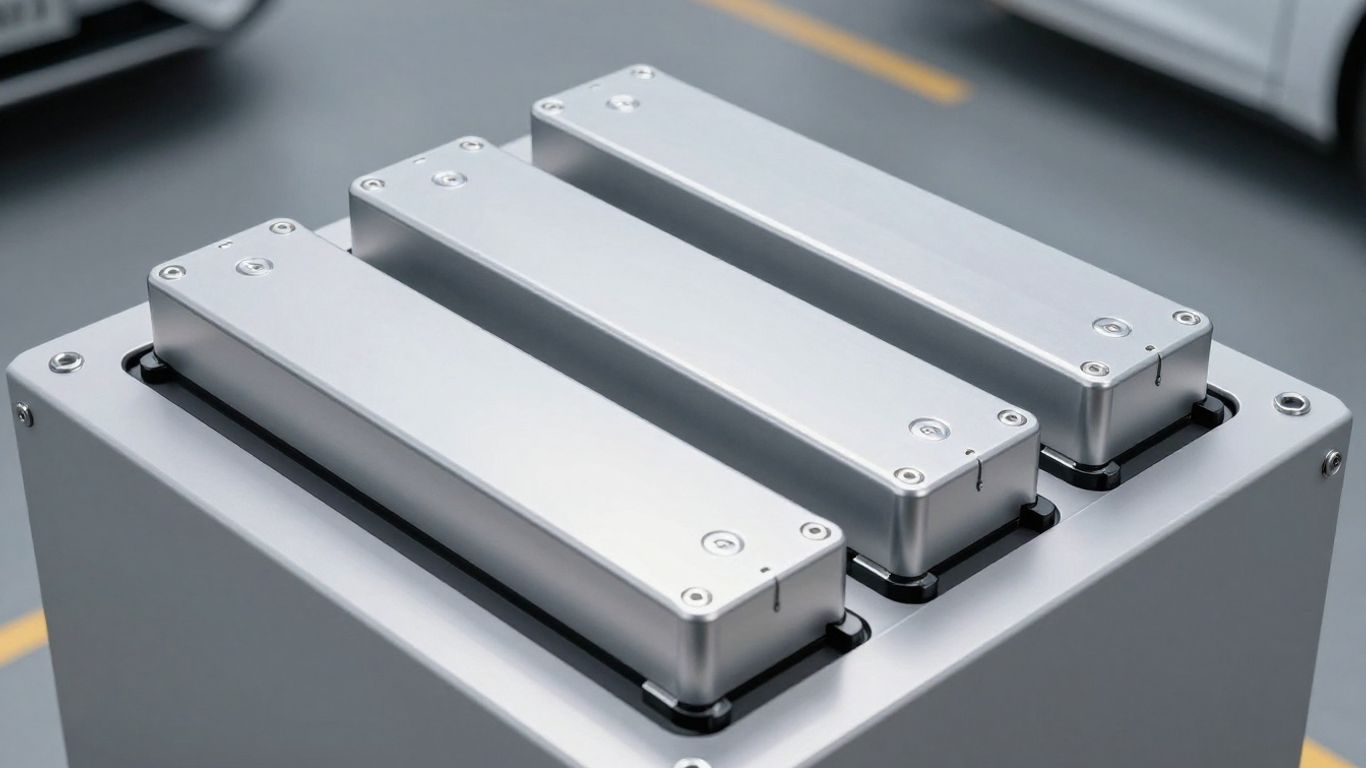
Evaluating the reliability of the proprietary Blade Battery often centers on how its specific structure prevents common degradation issues. This design uses lithium iron phosphate chemistry known for high levels of safety and endurance. Understanding the longevity of this setup is quite beneficial for prospective buyers checking longevity metrics before a purchase.
Architecture of LFP battery design
By arranging the cells in a thin, blade-like configuration, the layout improves structural rigidity and space efficiency. This design naturally mitigates internal heat buildup, which is frequently cited as the primary enemy of electric range over time. Owners often report that this structural simplicity leads to fewer hardware-related failures in the long run.
Thermal stability and documented safety performance
LFP chemistry exhibits remarkable thermal stability under extreme stress, which is a major factor in the documented success of these designs. The modular system is engineered to handle rapid charging and discharging without triggering the traditional safety concerns associated with older cell configurations. Safety performance under various collision tests confirms that the battery casing provides excellent protection for the inner chemistry.
Expected battery degradation over high mileage
| Cycle Count | Capacity Retention | Expected Stress |
|---|---|---|
| 500 | 98% | Minimal |
| 1500 | 95% | Moderate |
| 3000 | 90% | High |
Data gathered from typical usage shows that these cells retain a significantly high percentage of their original capacity even after reaching high mileage. While some natural loss of efficiency is inevitable, the design limits the acceleration of that degradation, making it a reliable candidate for long-term use. Owners who follow recommended charging routines typically see these high retention rates maintained well into the vehicle’s secondary lifecycle.
Common quirks and known hardware issues in used models
When exploring the ownership experience, it is helpful to distinguish between minor software annoyances and major mechanical flaws. Users have often noted that the infotainment systems on earlier models tend to favor simplicity over rapid responses, though consistent software updates have helped bridge this gap. Even if you prefer the precision of a manual method, such as the French Press Double Bloom method, you will find that these digital interfaces are designed for standard daily accessibility rather than extreme customization.
Infotainment system responsiveness and software updates
Early software versions faced criticism for occasional lag, yet regular over-the-air patches have steadily optimized the user experience. Assessing the current firmware level during an inspection ensures that you are dealing with the most refined version of the software. If this feels confusing, consider that BYD electric car systems are generally updated via standard digital portals that owners can navigate easily at home.
Suspension and build quality feedback
Most owners find the interior build quality to be surprisingly solid, with materials chosen for both aesthetic appeal and durability. While suspension tuning can be firmer than some local drivers are used to, it contributes to a controlled and predictable driving feel. If you notice strange noises during your test drive, it is usually a sign of simple wear on bushings rather than an inherent structural flaw.
Common maintenance items to check before buying
It is wise to prioritize checking components that face the highest daily stress. Follow this list to ensure everything meets expectations:
- Inspect the brake feel for smooth engagement, as regenerative systems change wear patterns.
- Check the tire condition for uneven surface patterns that indicate alignment issues.
- Verify all interior control functionality, including windows, climate zones, and touchscreen responsiveness.
- Ensure the charging port cover operates correctly and does not show signs of seal failure.
Warranty coverage and support for second-hand owners
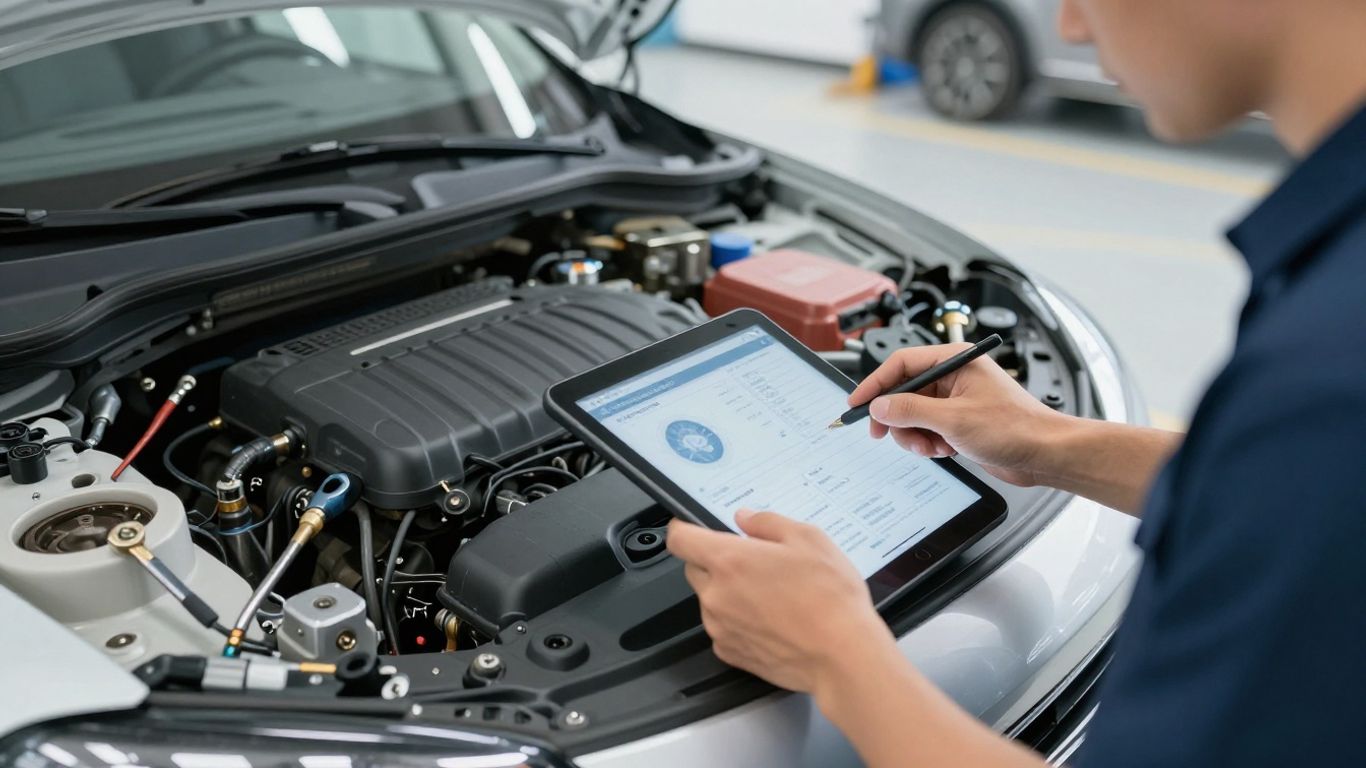
Navigating the path to valid coverage is a critical element of the purchase process, especially when considering the manufacturer’s backing. Understanding the transferability of the existing agreements ensures that you are protected against unexpected failures. You want to feel fully supported by official resources after you take possession of the vehicle.
Importance of the manufacturer’s warranty transfer
Many buyers mistakenly believe documentation is purely symbolic, but valid registration is essential to keep the remaining coverage active. You must consult your local representative to ensure the transition is documented properly in their database. Taking this step immediately protects you if the battery or drivetrain requires professional assessment at an official facility.
Understanding the scope of extended protection plans
Beyond standard coverage, there are often manufacturer-backed extensions that can be purchased for pre-owned units. These plans usually cover a broader range of components beyond just the electrical elements. It is prudent to ask for clarification on what specific parts are included, as this can add significant comfort regarding long-term ownership costs.
Availability of official parts and dealer service networks
As the brand continues to expand its footprint, the accessibility of parts has improved significantly. Using BYD cars for your daily commute is becoming increasingly frictionless thanks to the growth of trained service centers. These locations are equipped with the specialized diagnostics necessary to manage modern systems, ensuring that even minor technical glitches are resolved using official standards.
Assessing the impact of depreciation and resale value
Depreciation models for electric cars are evolving as consumer demand for pre-owned EVs shifts. Many potential buyers are watching to see if used BYD cars will hold their value as effectively as legacy brands. Often, you will find that a carefully maintained unit retains a significant portion of its initial price, especially if it belongs to a desirable, popular trim level.
Comparing market value to established EV competitors
Pricing for these vehicles on the secondary market is shaped by global competitive trends. A used BYD Seal serves as a common benchmark here, reflecting strong interest from drivers who seek out high-spec alternatives to mainstream models. Because the replacement parts are increasingly easy to source, their market value often stays insulated from the sharper price drops seen in unproven technologies.
How model popularity influences future trade-in potential
High-volume models often benefit from better trade-in liquidity because their features are familiar to both dealers and buyers. If you select a model that has high market demand, you are positioning yourself for a smoother transition when you decide to change vehicles again. It is always wise to check local trade-in guides for the specific configuration you are considering.
Factors that contribute to a vehicle’s pre-owned premium
- Detailed and verifiable service logs.
- Original manufacturer warranty status.
- Excellent exterior and cabin condition.
- Low-mileage battery health report.
Key steps for inspecting a used BYD car
Performing a thorough physical and digital check will help you avoid unpleasant surprises later. You should look beyond the surface level to ensure the hidden components are in optimal condition. Conducting a systematic inspection of the vehicle is the best defense against overpaying for a unit that requires immediate, unexpected mechanical attention.
Conducting a comprehensive battery health check
Most modern electric vehicles can provide a diagnostic report detailing total cycle counts and current state-of-health. Request this information from the seller, or ask a local service center to run a quick test before you finalize the purchase. This digital snapshot is the single most important document you can collect to verify that the unit is healthy.
Verifying the digital service and update history
Ensure that the vehicle has received all official software updates, as these often contain security or driver-assistance improvements. A consistent service history is a strong indicator of how the previous owner handled maintenance. If you notice gaps in the records, do not hesitate to ask for explanations or receipts regarding any performed work.
Road testing for characteristic electric drivetrain noises
When conducting a test drive, be sure to keep the radio off to hear any feedback from the electric motor or suspension. While high-pitched whirring sounds are normal and expected during acceleration, any heavy clunking or grinding indicates a need for deeper inspection. A smooth experience during this test is a great sign that you are looking at a well-maintained, reliable example.
Conclusion
Acquiring a used electric model requires balancing your budget with a clear look at the technical condition of the battery and drivetrain. By leveraging the manufacturer’s growing support and prioritizing a documented maintenance history, you can secure a reliable vehicle that serves your needs for years to come. Focus your energy on verification steps, and you will likely find that this brand offers substantial performance for the second-hand buyer.
Frequently Asked Questions
How long should an electric car battery typically last?
Most modern electric vehicle batteries are designed to outlast the typical ownership cycle of a vehicle, often remaining viable for well over a decade if maintained correctly.
Is it possible to test the battery health of an older electric car before purchase?
Yes, technicians can use diagnostic software to pull a report on capacity retention and internal cell balance to give you an accurate view of its remaining life.
Do electric vehicles require regular maintenance like gasoline cars?
They require significantly less maintenance because they lack complex combustion engines, transmissions, and oil systems, though items like suspension, tires, and brake fluids still need periodic inspection.
Will the range of a used electric car be significantly lower than when it was new?
Most batteries experience only minor degradation over a few years, meaning you should still expect the majority of the original range provided that the charging habits of the previous owner were standard.
Does the cold weather affect the reliability of electric vehicles during the winter?
While cold temperatures can temporarily reduce your available range due to increased energy usage for cabin heating, the fundamental reliability of the drivetrain remains unaffected by seasonal changes.
Are parts for newer brands easily available for independent repair shops?
As the car brand matures and its market presence grows, more independent repair centers gain access to documentation and parts, making it easier to service your vehicle locally.
Should I worry about software bugs in a pre-owned electric car?
Most software issues are resolved through digital patches provided by the manufacturer, so verifying that the car has the latest firmware installed is usually sufficient to address common electronic concerns.