

Key Takeaways
Used parts can be a sensible way to repair a BYD, but the right part is more than one that looks similar. Confirm its identity, condition, safety requirements, and total cost before agreeing to buy.
- Match the model, year, trim, powertrain, VIN, and part number.
- Ask how the component was tested, stored, and graded.
- Treat high-voltage parts as specialist equipment.
- Check warranty, returns, packaging, delivery, and installation costs.
- Keep inspection and purchase records for future servicing.
Understand which BYD parts are available from wreckers
Wreckers may hold everything from removable bodywork to electronic modules, depending on the vehicles they have dismantled. Inventory changes quickly, so a search result is only a starting point rather than proof that a part will fit. The most useful first step is to sort the item you need by system and risk.
Body panels, trim, and exterior components
Doors, guards, bumpers, mirrors, lights, grilles, glass, badges, and exterior trim are often easier to assess than hidden electronic parts. Ask for clear photographs of mounting points, paint damage, cracks, and corrosion rather than relying on a stock image. A matching colour can reduce repainting work, although shade and finish can still vary between production runs.
Check whether the panel is being sold complete or stripped. A door may exclude its glass, regulator, wiring, mirror, latch, or interior trim, while a bumper may not include sensors or brackets. Clarifying that detail early prevents a low advertised price from becoming an incomplete repair.
Mechanical parts and suspension components
A hybrid or electric vehicle can still need conventional mechanical items such as suspension arms, hubs, steering components, cooling parts, driveshafts, and braking hardware. Some BYD models listed by wreckers may also use petrol or hybrid powertrains, so the word “mechanical” does not identify one universal specification. Confirm the exact vehicle configuration before discussing interchangeability.
Ask whether the component came from a running vehicle, a collision-damaged vehicle, or one dismantled because of an unrelated fault. Look for bent mounts, impact marks, leaks, uneven wear, and missing fasteners. These details help a technician judge whether the saving is worthwhile.
Electrical systems, batteries, and charging equipment
Electrical inventory can include lamps, control modules, cameras, sensors, wiring, charging hardware, and other vehicle electronics. The external shape of a module is not enough: software version, connector arrangement, calibration, and communication with the rest of the vehicle may all matter. Treat any battery or high-voltage assembly as a specialist purchase, not an ordinary used accessory.
For a battery-related enquiry, ask what diagnostic information is available and whether the seller can explain the unit’s condition. The used BYD parts inventory is one example of a listing source that groups parts across electric, hybrid, and petrol vehicles, which illustrates why the powertrain needs to be stated clearly in an enquiry.
Interior fittings and safety-related parts
Seats, consoles, dashboards, door cards, screens, switches, parcel shelves, and trim can be useful salvage purchases when the structure is undamaged. Safety-related items need more caution. Seatbelts, airbags, pretensioners, sensors, and structural components may have been activated or compromised in a crash even when the exterior looks acceptable.
Ask directly whether a safety item has deployed, been repaired, or been removed from a collision vehicle. If the answer is uncertain, do not treat a low price as compensation for the risk. A qualified repairer should make the final decision on whether such a component is suitable.
Confirm compatibility before buying a used BYD part
Fitment errors usually happen because a buyer confirms only the model name. A vehicle can have several specifications within one production year, and an apparently identical part may differ by trim, drive layout, battery system, or software. Gather the vehicle details first, then send the seller enough information to identify the component accurately.
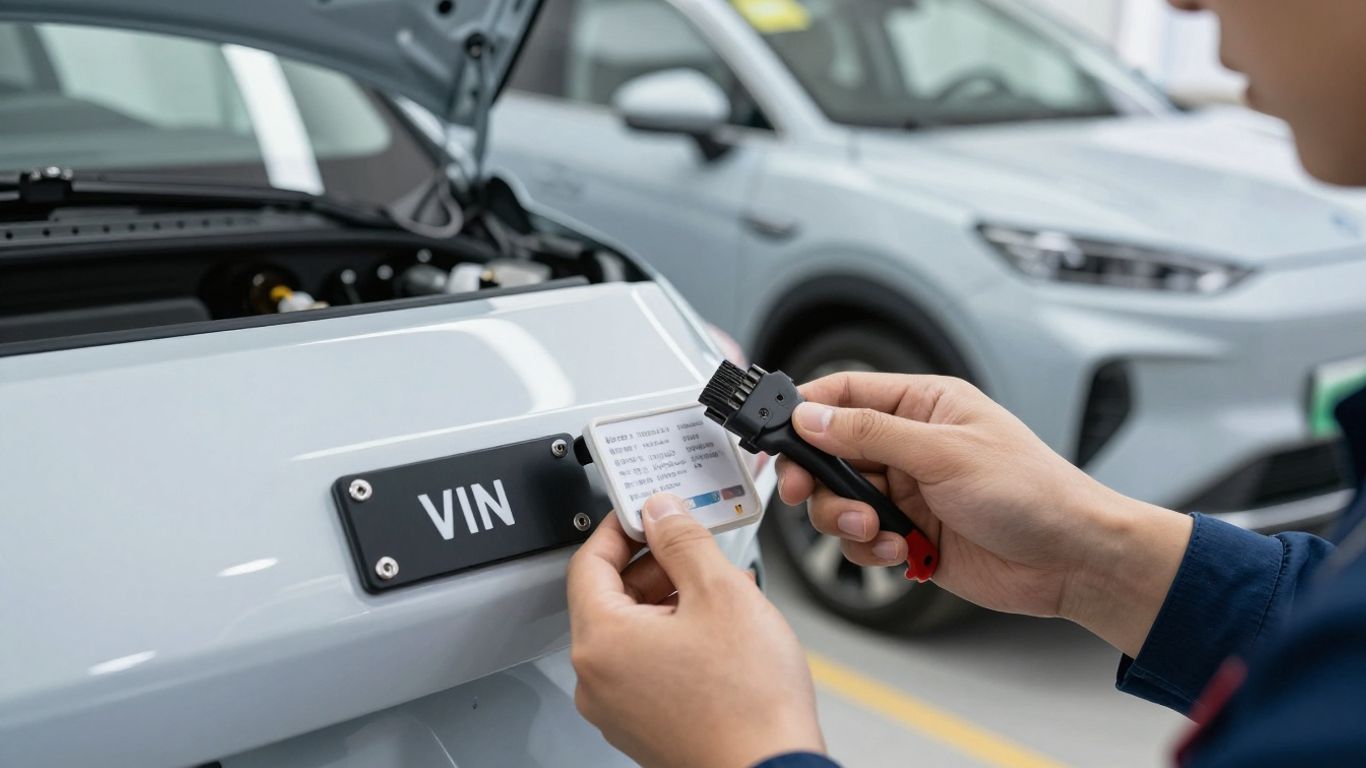
Match the exact BYD model and production year
Begin with the model designation and production year shown in the vehicle’s records. Model names can cover substantial changes, while a facelift or revised equipment package may alter lamps, bumpers, dashboards, or control units. If the vehicle was registered in a different year from its build date, provide both dates when available.
Photographs can help with visual comparison, but they should support—not replace—the identification process. Ask the seller to compare the donor vehicle’s details with yours before removing or shipping the part.
Check the vehicle’s trim level and powertrain
Trim level can change equipment such as cameras, parking sensors, seats, displays, wheels, and driver-assistance hardware. Powertrain is equally important: an electric vehicle, hybrid, and petrol vehicle may share a body shape while using different cooling, braking, exhaust, transmission, or control systems.
Write down whether your vehicle is front-wheel drive, rear-wheel drive, or all-wheel drive where relevant. Include battery or engine information and the trim name from the purchase documents. Specific vehicle details save time because they narrow the enquiry before a seller checks stock.
Compare part numbers and connector designs
A part number is stronger evidence than appearance alone, but it still needs to be interpreted in context. Compare the label, suffix, revision, connector count, pin layout, mounting tabs, and cable length. Never force a connector because its housing seems close enough; damage at that stage can affect both the replacement part and the vehicle harness.
Here is a practical comparison to make before ordering:
| Detail to compare | What to record | Why it matters |
|---|---|---|
| Part number | Full number and suffix | Revisions may not be interchangeable |
| Connector | Shape, pins, and keying | Similar housings can use different wiring |
| Mounting points | Tabs, bolts, and bracket position | Small differences can prevent installation |
| Condition | Damage, testing, and missing pieces | Determines repair risk and true cost |
After comparing the details, send photographs of your original part and its label to the seller. A written confirmation of the proposed match is useful if a return or warranty conversation is needed later.
Use the VIN to reduce fitment errors
The VIN gives the seller and repairer a more dependable reference than a broad internet search. Share it through a legitimate business channel and ask the seller to use it alongside the part number and vehicle photographs. The VIN may not answer every compatibility question, but it can expose a mismatch before money and freight are committed.
Keep copies of the enquiry, photographs, quoted part number, and seller’s fitment comments. Those records create a simple audit trail and make it easier to identify where an error occurred if the component does not suit the vehicle.
Choose a reputable BYD wrecker
A reliable wrecker should be willing to explain where a part came from and what was done before it was listed. Good communication is not a substitute for testing, but vague answers are a warning sign when the part is expensive or safety-critical. Compare sellers on process, not just price.
Look for EV dismantling experience
Electric vehicles require different precautions around batteries, orange high-voltage cables, isolation procedures, and electronic diagnostics. Ask whether the business regularly handles EVs and whether staff can identify high-voltage components correctly. Experience should show in the questions they ask you, too: a careful seller will usually want the model, year, powertrain, VIN, and part details.
For a narrower older-model search, a listing for the BYD e3 covers 2019–2022 used and salvaged components. That kind of model-and-year specificity is more useful than a generic claim that a yard has “all BYD parts.”
Check inventory, testing, and inspection practices
Ask whether the item is physically in stock, photographed from the actual unit, and inspected before listing. Find out what “tested” means: a visual check, a bench test, a scan, or operation in the donor vehicle are not equivalent. The seller should also identify missing accessories, damage, and known limitations.
A short written checklist can keep the conversation focused:
- Is the photographed part the exact item being sold?
- What test was completed, and when?
- Are all brackets, connectors, covers, and fasteners included?
- Was the donor vehicle involved in a collision or flood?
The answers will not eliminate every risk, but they make the seller’s process visible. If the business will not provide basic identification or condition information, pause before sending payment.
Review warranties, returns, and shipping policies
Read the warranty terms before buying, especially for electronic modules and costly assemblies. Check the warranty period, exclusions, installation requirements, diagnostic proof, and who pays return freight. A “warranty included” statement has little value if the practical conditions are unclear.
Returns can also depend on whether the part was ordered using the correct VIN and part number. Confirm whether opened packaging, programmed parts, special-order items, or incorrectly supplied components are treated differently. Save the policy with your receipt.
Assess customer feedback and business credentials
Feedback is most useful when it describes communication, accurate descriptions, packaging, and how problems were resolved. Look beyond star ratings for repeated complaints about missing components, delayed refunds, or parts that differed from photographs. Confirm the business name, physical contact details, invoice information, and payment recipient before ordering.
A local business address or established online presence does not guarantee a good part, but it gives you clearer channels if something goes wrong. For larger purchases, call first and ask a few technical questions; the quality of the conversation can reveal whether the seller understands the item.
Evaluate the condition and value of used parts
A used part is not automatically poor value, and a cheap part is not automatically a bargain. The price should reflect its grade, evidence of testing, completeness, age, and the work needed to install it. Compare the whole repair rather than the listing price in isolation.
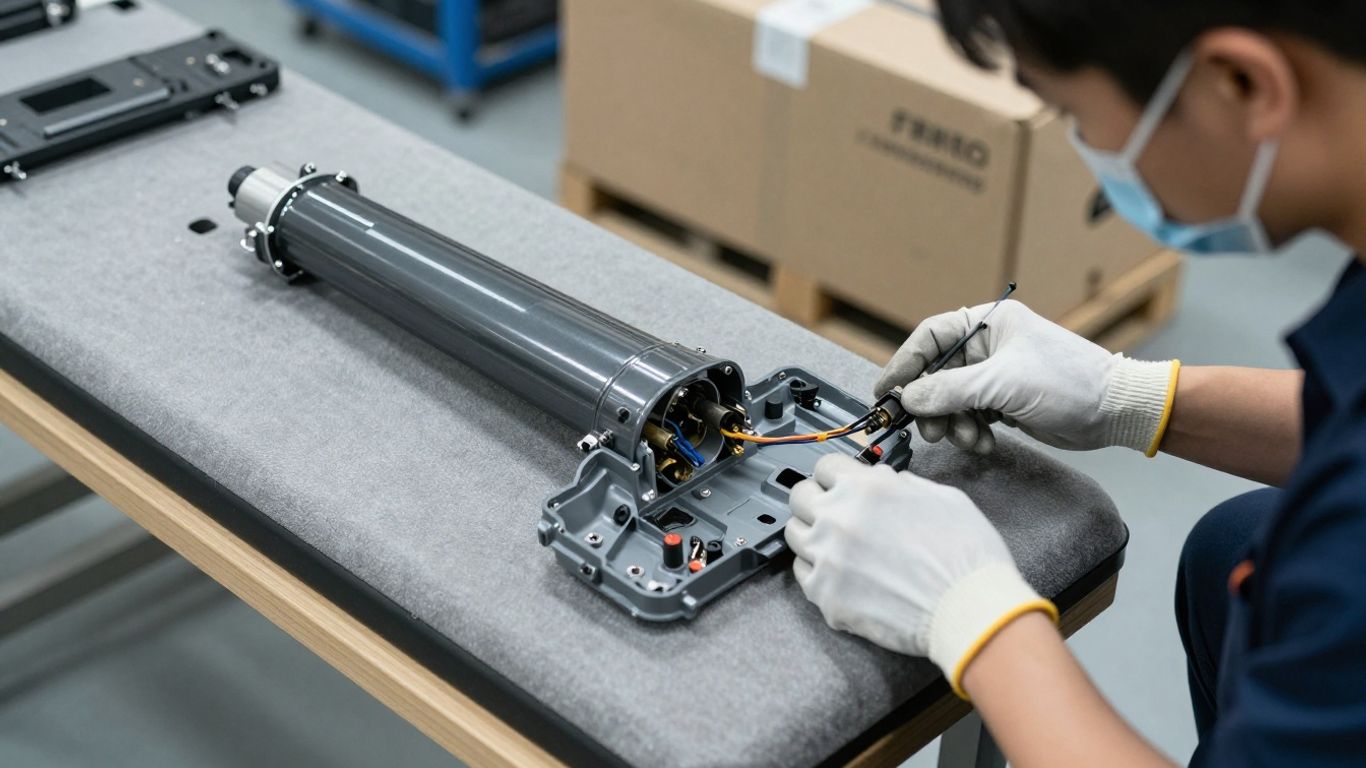
Distinguish tested, refurbished, and as-is components
“Tested” should describe a particular check, while “refurbished” should explain what was replaced, repaired, or cleaned. “As-is” generally means the buyer is accepting greater uncertainty, so it may be suitable only for low-cost non-critical items or a repairer who can test it independently. Ask for these terms in writing.
A seller’s grade is useful only when the grading system is explained. Compare like with like, and be especially cautious when a high-voltage, restraint, or control component is offered without diagnostic evidence.
Ask about mileage, damage, and storage history
Mileage can help with wear-related components, but it is not a complete measure of condition. Ask about the donor vehicle’s damage, flood or water exposure, time in storage, and whether the part was removed before or after the incident. Batteries and electronics deserve particular questions about temperature, moisture, isolation, and diagnostic checks.
Request close photographs of labels, seals, housings, terminals, mounting points, and any repaired area. A seller who can document the part makes it easier for your technician to plan the installation.
Compare used prices with new and aftermarket options
A used original component may offer a sensible balance of fit and cost, but the difference from a new or aftermarket alternative is not always large. Compare warranty length, availability, programming needs, expected service life, and return arrangements. For a low-cost trim item, used may be straightforward; for a control unit, the cheapest option may carry more uncertainty.
Do not compare a complete assembly with a bare component. Confirm exactly what is included, then ask a repairer whether the proposed part can be installed without additional adapters, coding, or related hardware.
Calculate shipping, installation, and additional costs
Freight can be significant for doors, bumpers, battery assemblies, and fragile electronics. Installation may require calibration, refrigerant work, high-voltage isolation, programming, or a second component that was not included in the quote. Put each cost into one estimate before deciding.
A simple total-cost calculation should include the part, packaging and delivery, inspection, labour, calibration or coding, consumables, and possible return freight. This prevents an apparently inexpensive purchase from becoming more expensive than a supported alternative.
Buy high-voltage BYD components safely
High-voltage components require a different buying process from ordinary body trim. Batteries, battery modules, inverters, onboard chargers, DC-DC converters, and orange-cable assemblies can carry serious electrical and handling risks. The seller, carrier, and installer should all understand what is being transported and who is qualified to work on it.
Identify parts that require qualified technicians
Do not remove, open, test, or install a high-voltage component without the correct training, equipment, and isolation procedure. Ask the seller whether the part is electrically isolated and what documentation accompanies it. Your repairer can then decide whether the item is suitable for inspection and installation.
Even a component that appears undamaged may have internal faults or stored energy. Keep it away from improvised storage areas, heat, moisture, and untrained handling until a qualified professional takes responsibility for it.
Ask for battery health and diagnostic information
For a used battery or battery-related assembly, request the available state-of-health information, fault codes, cell or module readings, isolation results, and test date. The exact information depends on the component and the seller’s equipment, so ask what was actually measured rather than accepting a general assurance.
Ask whether the battery was removed from a running vehicle, a collision vehicle, or one with a known electrical fault. A technician should review the evidence before purchase where possible, since transport and installation are costly even when the part later proves unsuitable.
Confirm safe packaging and transportation procedures
High-voltage assemblies should be secured against movement, impact, moisture, and accidental contact during transport. Confirm the packaging method, carrier suitability, orientation, labelling, and delivery restrictions before payment. Do not assume that ordinary freight is appropriate simply because a seller can arrange it.
The BYD parts search can help identify potential stock, but a listing does not replace a conversation about safe handling. Ask for the shipping plan in writing and inspect the package for damage before accepting or installing the component.
Understand legal and insurance considerations
Rules for storing and transporting high-voltage batteries vary by jurisdiction and carrier. Your repairer or insurer may require specific documentation, approved handling, or evidence that the component was sourced and installed appropriately. Confirm these requirements before the part leaves the yard.
Insurance may also depend on who performs the work and whether the replacement is documented. If the vehicle is under warranty, ask how a used replacement could affect coverage before authorising the repair.
Install and maintain BYD spare parts from wreckers
The purchase is only one stage of a salvage-part repair. Inspection, installation, calibration, and follow-up checks determine whether the replacement works safely and remains traceable. Arrange these steps before the delivery arrives, particularly when the part is heavy, fragile, or electronically integrated.
Have the part inspected before installation
Compare the delivered item with the photographs, invoice, part number, and agreed condition. Look for impact damage, cracked housings, bent brackets, corrosion, moisture, broken seals, and missing accessories. Photograph the packaging and part before installation if anything appears different.
Do not modify a component to make it fit until a technician has confirmed the discrepancy. Drilling, rewiring, or forcing a connector can remove evidence needed for a return and may create a new fault.
Use qualified EV repair professionals
A qualified repair professional can follow the required isolation process, inspect related systems, and determine whether the replacement is appropriate. This is particularly important for high-voltage, restraint, steering, braking, and driver-assistance components. Ask for an itemised invoice describing the work and any tests completed.
For ordinary trim or non-critical body parts, a general repairer may be able to assist, but complex electronics still need suitable diagnostic equipment. The right level of expertise depends on the part, not simply on whether it came from a wrecker.
Complete software updates and system calibration
Some replacements may need coding, calibration, pairing, or a system reset before the vehicle operates correctly. Cameras, radar, parking sensors, displays, and control modules can require checks after installation even when the physical fit is perfect. Ask the repairer what post-installation procedure applies to the specific component.
The YouTube video below can be useful background for understanding the general inspection process, but it should not replace the manufacturer’s procedures or a qualified technician’s advice.
After installation, confirm that warning lights are cleared appropriately, charging and driving functions work as expected, and any affected safety systems have been tested. Keep the diagnostic report with the repair records.
Keep records for future servicing and warranty claims
Record the donor details, VIN fitment check, part number, seller, invoice, condition grade, test evidence, shipping documents, installer, and calibration results. Note the installation date and mileage as well. This information helps a future technician understand the vehicle’s history.
Store warranty terms and correspondence alongside the invoice. If a problem develops, stop using the affected system when safety may be involved and contact the installer and seller promptly, using the records to explain what was supplied and fitted.
Conclusion
Finding reliable BYD spare parts from wreckers is mainly an exercise in verification. Identify the exact component, question its history and testing, price the complete repair, and use qualified help for high-voltage or safety-related work. A careful process takes a little longer, but it gives you a much better chance of buying a part that is suitable, traceable, and worth the saving.
Frequently Asked Questions
Are used parts from wreckers reliable?
They can be reliable when the part is correctly identified, honestly graded, suitably tested, and installed properly. Reliability depends on the individual component and its history, not simply on the fact that it is used.
How do I know whether a used part will fit my car?
Check the exact model, build or production year, trim, powertrain, VIN, part number, connector design, and mounting points. Ask the seller to confirm fitment in writing before purchase.
Should I buy a used battery assembly?
Only after a qualified technician reviews the available diagnostic information and confirms that the battery can be transported, stored, and installed safely. Ask about health readings, fault history, damage, and warranty terms.
What does “tested” mean when buying a used part?
It should identify the actual inspection or diagnostic check performed. A visual inspection, bench test, scan, and test in a donor vehicle provide different levels of evidence, so ask the seller to explain the term.
Can a wrecker part need software coding?
Some electronic components may need coding, pairing, calibration, or a system reset after installation. A repair professional can determine the required procedure for the particular part and vehicle.
What should I do if the delivered part is damaged?
Photograph the packaging and component, avoid installing or modifying it, and contact the seller promptly. Compare the item with the invoice and agreed condition, then follow the stated returns process.
Is a cheaper used part always better value?
No. Include shipping, inspection, labour, calibration, missing accessories, and possible return costs in the comparison. A more expensive option with clearer testing and better support may cost less overall.