
Key Takeaways
Buying the right part is less about the listing title and more about proving that the item suits your vehicle and your plans for it. A few checks before paying can prevent delays and avoidable returns.
- Identify the part by its function, location, and any visible part number.
- Use the VIN and vehicle details to confirm compatibility with the seller.
- Compare genuine, aftermarket, and used options on fit, condition, and support.
- Check Australian stock, delivery estimates, return rules, and warranty terms before ordering.
- Get written confirmation when fitment or installation requirements are uncertain.
Understand which BYD Shark 6 parts you need
A little detail up front makes sourcing BYD Shark 6 parts Australia much less of a guessing game. Start with the job the part needs to do, where it sits on the vehicle, and what has prompted the search. Then gather the vehicle details a seller will need to check compatibility. Clear information often matters more than a broad search for “ute parts.”
Identify the part by name, function, and location
Describe the part in plain terms as well as by its catalogue name, if you have it. “Front-left wheel arch liner” is more useful than “plastic guard,” because it conveys both location and purpose. If the part is damaged, take a few clear photos and note any markings or numbers; a workshop invoice or parts diagram may also help narrow down what needs replacing.
Use the VIN and vehicle details to confirm fitment
The VIN gives a seller a more precise starting point than the model name alone, but it should be checked alongside the vehicle’s year, trim, and relevant equipment. Share it through a channel you trust, and ask the seller to confirm the match against the part number or vehicle record rather than relying on a listing title. Keep the response with your order details so there is a written record of what was checked.
Check model year, trim, and drivetrain compatibility
Listings can use the same model name for vehicles that differ in year, trim, or equipment. Ask the seller to identify the exact versions a part suits, and do not assume that an item for a related ute or another market will fit. This simple comparison helps separate a plausible match from one that is only visually similar.
| Detail to compare | Why it matters | What to ask the seller |
|---|---|---|
| Model year | Parts and mounting details can vary between versions. | Which model years are confirmed? |
| Trim and equipment | Some parts depend on the vehicle’s fitted features. | Does this match my trim and equipment? |
| Drivetrain or configuration | A component may be specific to a particular setup. | Has this version been checked against my vehicle details? |
| Part number | Similar-looking parts may not be interchangeable. | Can you confirm the number for my VIN? |
A table like this is a useful prompt for a parts enquiry, not a substitute for confirmation. If one detail is unknown, tell the seller rather than filling in the gap with an assumption.
Compare genuine, aftermarket, and used parts
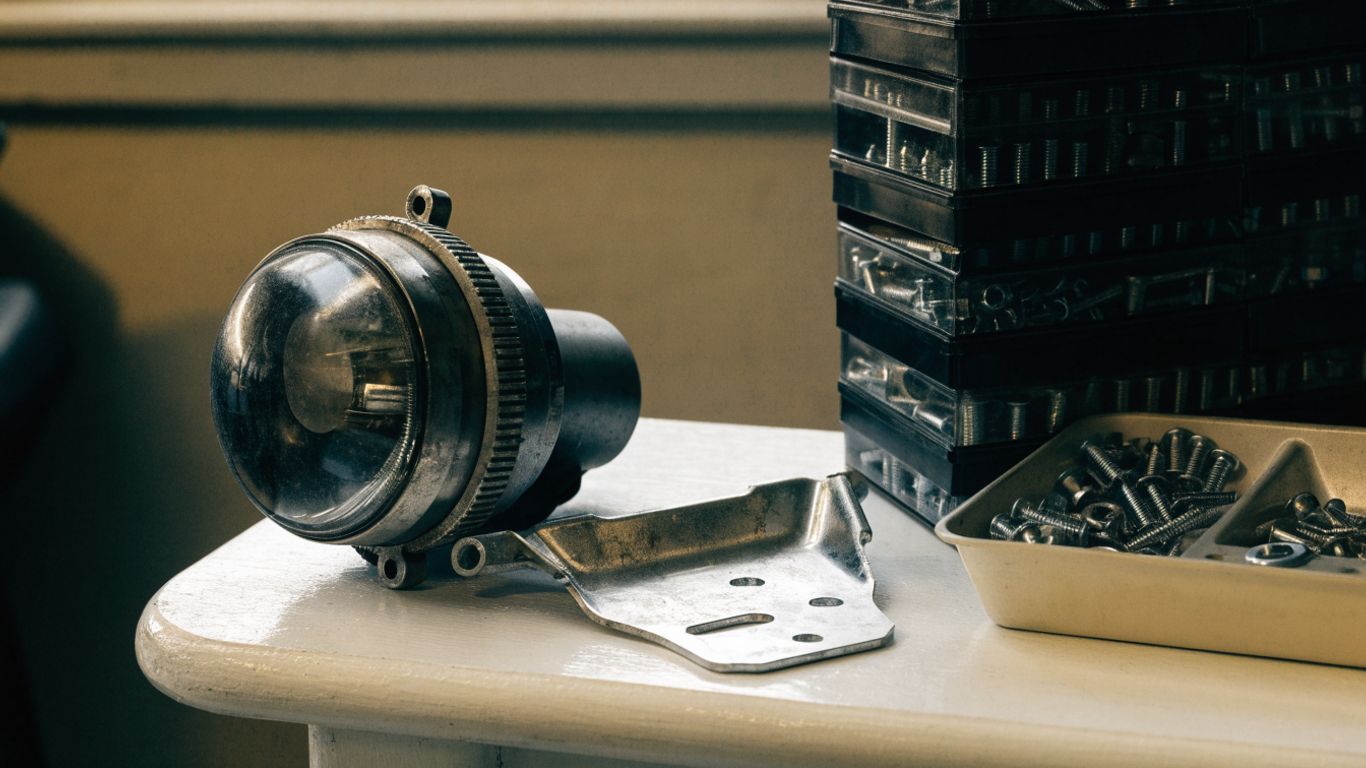
There is no single best source for every repair. The right choice depends on the part, the evidence available for fitment, the condition you can accept, and the terms offered by the seller. It is worth comparing the full purchase, including any fitting or return costs, rather than judging by the asking price alone.
When genuine BYD parts may be the right choice
A genuine part can be a sensible option when you need a replacement specified for the vehicle or want the supplying channel to help verify the correct item. Ask for the part number and confirm the expected fit before ordering; “genuine” by itself does not tell you whether the component suits your exact year and trim. For vehicle-specific questions, a dealer or authorised service centre may be able to check the relevant details.
What to check when buying aftermarket parts
Aftermarket parts vary, so look for specific information about materials, dimensions, mounting points, included hardware, and fitment. Ask whether the part has been checked for your vehicle configuration and whether installation instructions are supplied. For accessories, browsing SHARK 6 accessories can help you see the kinds of products offered for cabin protection and organisation, but check each listing’s own compatibility details before buying.
Weighing the risks and savings of used components
A used component may cost less, but its condition and history matter. Ask for clear photos of the actual item, not just a catalogue image, and find out whether it has been inspected or tested. Also confirm what happens if it arrives damaged or turns out not to match the agreed fitment; once it is installed, a return can be more complicated.
Find parts through Australian supply channels
Start with suppliers who can explain where an item is coming from and how they confirm fitment. Dealers and service centres may be useful for vehicle-specific enquiries, while specialist retailers and parts networks can offer a wider choice of new, used, or aftermarket components. For any option, ask whether the item is physically in Australia or needs to be sourced from elsewhere.
Contact BYD dealers and authorised service centres
A dealer or authorised service centre is a practical first stop when the part is vehicle-specific, difficult to identify, or connected to a repair that needs specialist attention. Provide the VIN and a concise description of the issue, then ask for the part number, availability, and an estimated arrival date. If you are arranging a new vehicle separately, the online vehicle configuration page is a different process from sourcing a replacement part.
Compare specialist 4WD and automotive parts retailers
Specialist retailers can be helpful for accessories and components where dimensions, load use, or mounting arrangements need careful checking. Compare the item’s specification and included hardware, and ask what evidence supports the stated fit. For example, canopy and load accessories are a category where the vehicle setup and the intended use should be clear before purchase; do not infer compatibility from a general product description.
Check online marketplaces and local dismantlers carefully
Online listings can make it easy to compare prices, but the description may not identify the exact version or condition. Search results can also mix unrelated topics: Google Gemini pricing, outdoor furniture, and California youth visa guidance have no bearing on whether a vehicle part fits. Even information about blockchain vehicle records is not a fitment check. If a site requests personal information, read its privacy terms; CREATUS.AI privacy information is an example of a separate platform’s disclosures, not a parts seller’s policy.
For a marketplace listing or dismantler, keep the conversation focused on evidence you can verify:
- Ask for the part number and the vehicle it came from, if known.
- Request current photos showing connectors, mounting points, and damage.
- Confirm the price, freight, and return conditions in writing.
- Check whether the item is available locally or needs to be sent from another location.
These checks will not remove every risk, but they make it easier to compare offers on more than price. A seller who cannot confirm basic details may not be the best source for a part that has to fit precisely.
Choose parts for common upgrades and repairs
The right source can depend on whether you are repairing damage, maintaining the vehicle, or adding equipment for a particular use. Before ordering an upgrade, consider its effect on access, visibility, payload, and installation. For repairs, identify the failed component first and confirm whether related clips, fasteners, or seals need replacement too.
Exterior protection, canopies, and load accessories
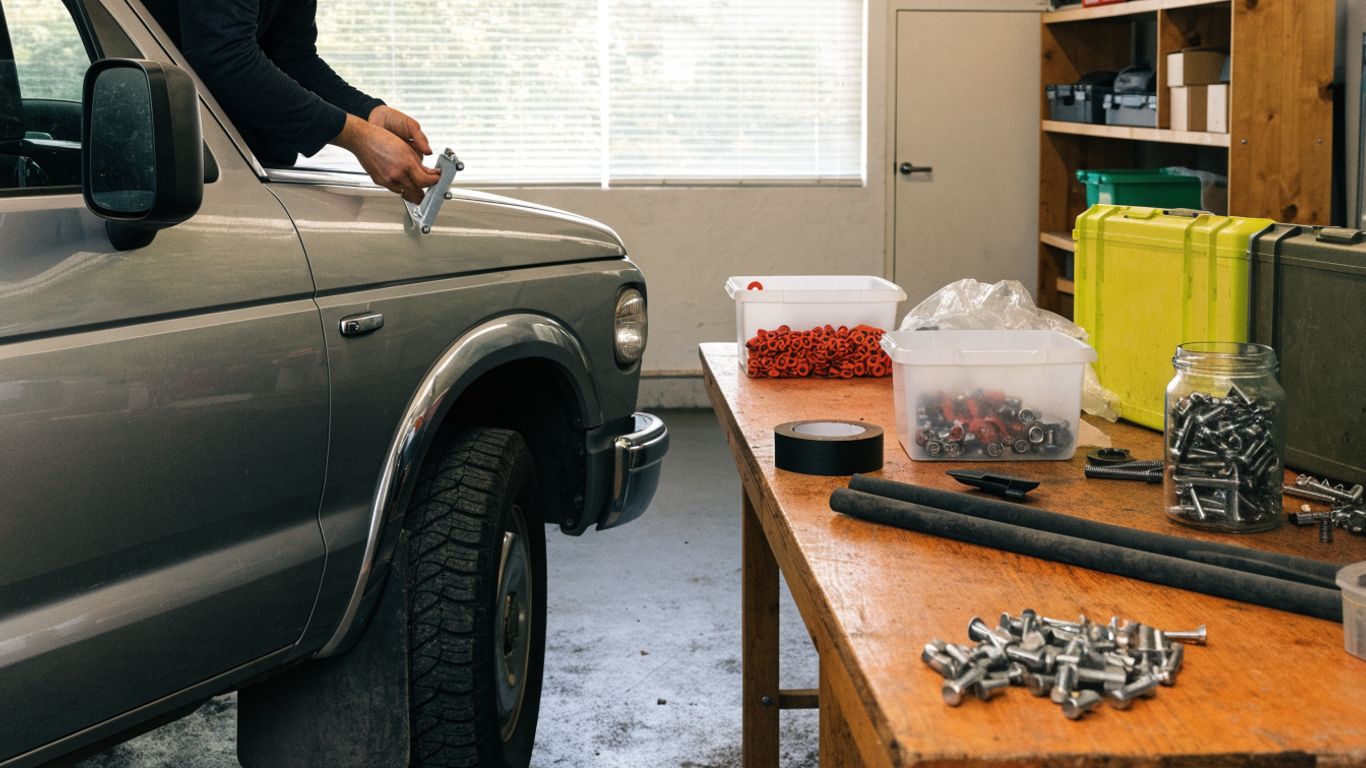
Protection and load accessories should be matched to the vehicle’s body and intended use, not selected on appearance alone. Check how an accessory attaches, what hardware is included, and whether fitting requires drilling or changes to existing components. You can also review flexible payment options when comparing shop terms, while keeping payment choices separate from the question of fitment.
Suspension, wheels, and tyre-related components
For suspension, wheels, and tyre-related items, check the exact specifications and any conditions attached to the listing. A component that appears close in size may still differ in offset, rating, or mounting details. If changes could affect handling, clearance, or compliance, ask a qualified installer to assess the proposed setup before you buy.
Servicing items, electrical parts, and replacement panels
For routine servicing, electrical components, and body panels, use part numbers and vehicle details wherever possible. Electrical items may require a connector or specification check, while panels need careful confirmation of side, position, and finish. For example, an underbody protection notice describes BYD’s communication about some Australian deliveries; if your enquiry relates to that notice, confirm the status for your own vehicle through the relevant service channel rather than assuming what is fitted.
Verify fitment before you buy
A listing can be detailed and still leave out the one measurement that matters to your vehicle. Treat fitment as something to confirm, not something to infer from a product photo or a similar model name. When there is any uncertainty, pause the order and ask the seller to respond in writing to the specific points you have raised.
Request written confirmation using the VIN
Send the VIN and a short description of the part you need, then ask the seller to confirm the match in writing. If they identify a part number, keep it with the quote or order confirmation. That record gives both sides a clearer reference if the delivered item differs from what was discussed.
Compare specifications, mounting points, and included hardware
Look beyond broad descriptions such as “vehicle specific.” Compare dimensions, connector types, mounting locations, and supplied fixings against the seller’s information and, where available, the part being replaced. This is especially useful when a listing covers more than one version or when the product photo does not show its underside or connection points.
Confirm installation requirements and any modifications
Before paying, ask whether installation is straightforward or requires specialist tools, additional parts, or changes to the vehicle. A useful checklist for the conversation is:
- Is the component a direct replacement or does it need adaptation?
- Are clips, brackets, seals, or wiring supplied?
- Is professional installation recommended or required?
- Could fitting affect access, sensors, or other equipment?
Once those answers are clear, you can include installation costs and practical disruption in your comparison. If the seller cannot answer, a qualified repairer may be able to assess the proposed part before it is ordered.
Check delivery, returns, and warranty terms
A suitable part is only a good purchase if it can reach you on acceptable terms and you know what recourse applies if something goes wrong. Confirm the dispatch location, delivery estimate, and return conditions before checkout. Read any warranty wording for the part itself separately from information about the vehicle’s warranty.
Ask about Australian stock and estimated delivery times
Ask whether the item is in Australian stock, where it will ship from, and whether the estimate begins at order or dispatch. If a repair depends on the part arriving by a particular date, ask whether the seller can confirm that timeframe rather than relying on a general estimate. Include freight charges in your comparison, especially for bulky panels or accessories.
Review return conditions for incorrect or unsuitable parts
Check how quickly you must report a problem, whether the part needs to remain uninstalled, and who pays return freight. Ask how the seller handles an item that was incorrectly described or does not match a fitment confirmation. Save the listing, messages, invoice, and photos of the package in case you need to refer back to them.
Confirm how modifications may affect vehicle warranty coverage
Do not assume that an accessory automatically affects every warranty term, or that it has no effect. Ask the relevant dealer or warranty provider how the proposed modification may relate to the specific repair or coverage question, and keep their response. The answer can depend on the circumstances, so seek confirmation for your vehicle rather than relying on broad claims from a listing.
Conclusion
Sourcing a part is easier when you start with accurate vehicle details and insist on clear fitment evidence. Compare the full terms, not only the price, and take a moment to confirm installation, delivery, returns, and warranty questions before committing. That small pause can save time when the part arrives.
Frequently Asked Questions
What information should I have before asking for a part?
Have the VIN, model year, trim, and a clear description of the part’s location and purpose ready. Photos or an existing part number can help the seller narrow the search.
Is a part listed for a similar vehicle likely to fit?
Not necessarily. Similar models can differ in dimensions, connectors, trim, or mounting points, so ask the seller to confirm the match for your specific vehicle.
Should I choose genuine, aftermarket, or used parts?
It depends on the component and the evidence available. Compare fitment confirmation, condition, specification, support, and return terms alongside the price.
What should I ask about a used part?
Ask for current photos, known condition or testing information, the source vehicle if available, and written return conditions. Check for damage or missing hardware before installation.
How can I check whether an accessory needs professional installation?
Ask the seller for installation instructions and whether special tools, extra hardware, or vehicle modifications are involved. A qualified installer can assess a part if the requirements are unclear.
What delivery details should I confirm?
Check whether the part is in local stock, where it ships from, the estimated dispatch and arrival time, and the total freight cost. Get a firm estimate if the repair is time-sensitive.
What if a part arrives and does not fit?
Contact the seller promptly and refer to the listing, order details, and any written fitment confirmation. Follow the stated return process, and avoid installing the item until the issue is resolved if the terms require it.