
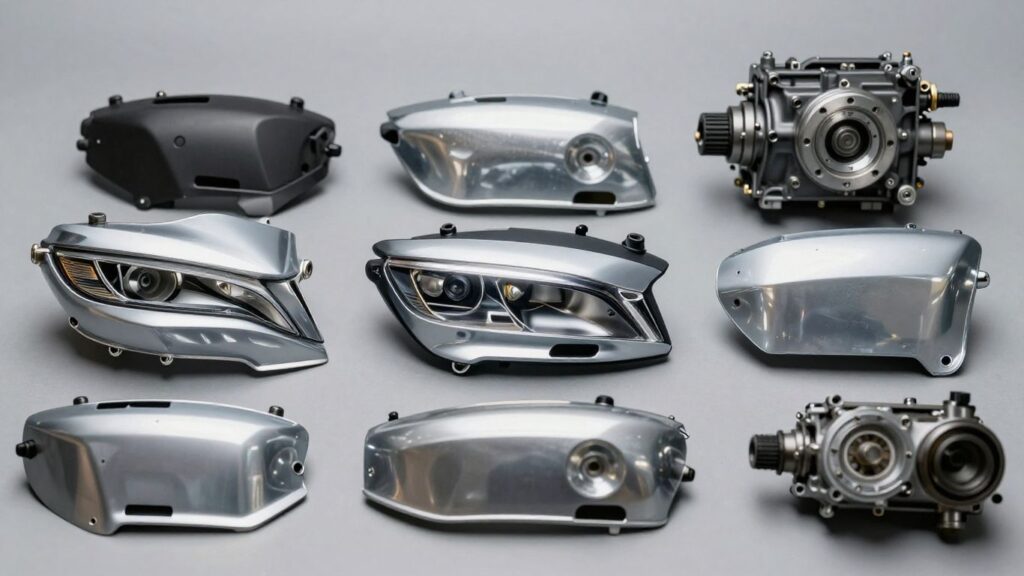
Looking for used BYD parts? Here are some important things to keep in mind to make sure you get good quality parts without overspending.
Key Takeaways
- Know exactly what part you need and why, focusing on what’s most important for your car’s performance.
- Research prices online and compare different sellers to find the best deals on used BYD parts.
- Always check the condition of the part for any damage and try to find out its history.
- Make sure the part is genuine BYD and buy from sellers you can trust to avoid fakes.
- Set a clear budget, include any extra costs, and be ready to negotiate for a good price.
Understanding Your BYD Part Needs
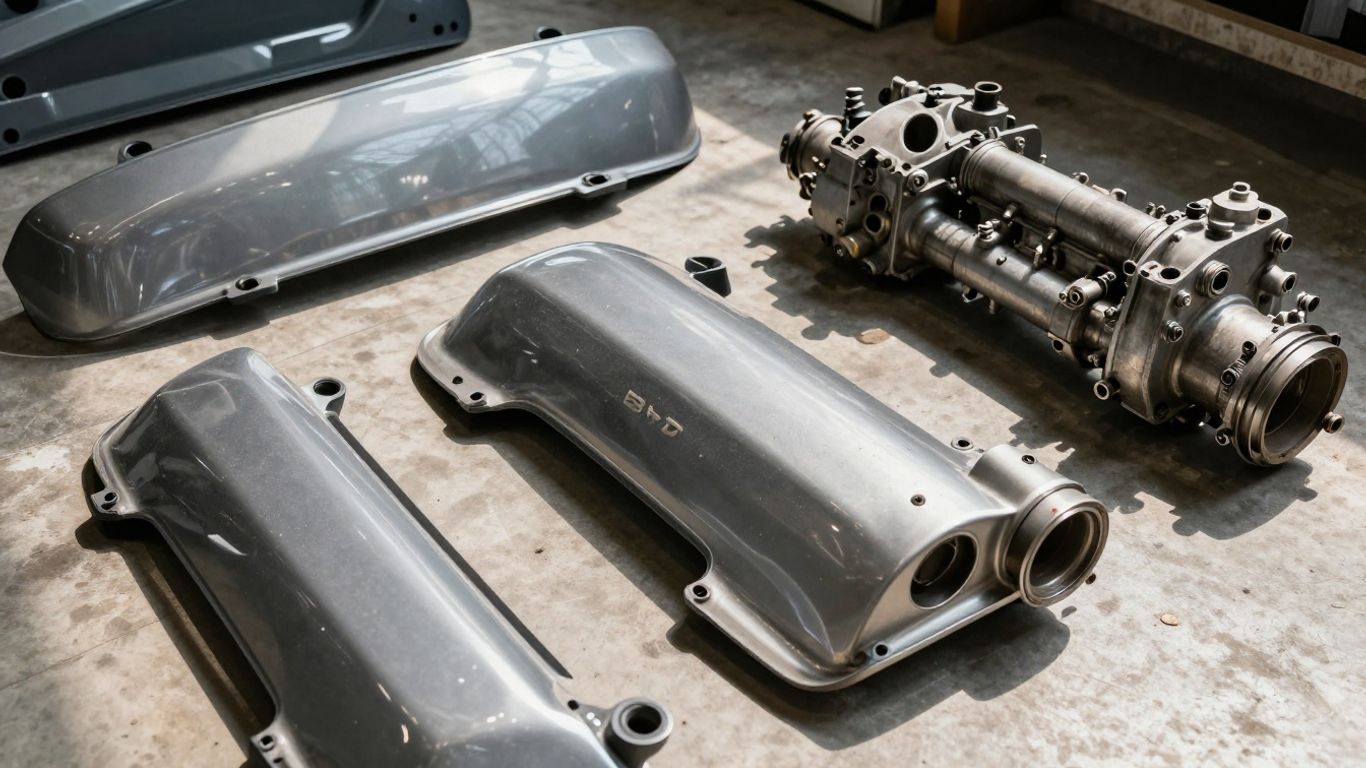
Before you start hunting for used parts for your BYD, it’s a good idea to get clear on exactly what you need. This isn’t just about grabbing the first thing you see that looks like it might fit. Taking a moment to figure out the specifics can save you a lot of headaches and money down the road.
Assessing Essential Features
Think about what the part actually does. For example, if you’re looking for a battery component, what’s its primary function? Is it for power storage, management, or something else? Knowing the core job of the part helps you identify the most critical features it needs to have. Don’t get sidetracked by bells and whistles you don’t actually require for your specific situation.
Prioritizing Practicality and Performance
When you’re looking at used parts, you’re often balancing cost with how well the part will work. A part might be cheap, but if it’s going to fail quickly or not perform as well as you need it to, it’s not a good deal. Consider the demands you place on your vehicle. Are you driving mostly in the city, or do you take long highway trips? This will influence the kind of performance you expect from a replacement part. For instance, if you need a part for the cooling system, you’ll want one that can handle consistent operation without overheating, especially if you drive in warmer climates. You can find a wide range of BYD genuine spare parts that are designed to meet these performance needs.
Considering Environmental Impact
Buying used parts is already a step towards being more eco-friendly, but you can think about it a bit more. Some parts might be easier to recycle or refurbish than others. Also, consider the lifespan of the part you’re buying. A part that’s nearing the end of its life might need replacing again sooner, meaning more waste. It’s a good idea to look for parts that have a decent amount of life left in them. This way, you’re not just saving money, but also reducing the need for new manufacturing.
When you’re buying used, it’s always a good idea to ask about the part’s history. Knowing if it was part of a major accident or if it had a specific issue can give you a heads-up on potential problems.
Here’s a quick checklist to help you think through your needs:
- Part Name/Number: Get the exact designation if possible.
- Functionality: What specific job does this part do?
- Compatibility: Does it fit your BYD model and year?
- Performance Needs: What level of performance do you require?
- Lifespan Expectation: How long do you hope this part will last?
Thinking through these points will make your search for used BYD auto parts categories much more focused and successful.
Navigating the Used BYD Parts Market
So, you’ve figured out what BYD part you need. Great! Now comes the fun part: actually finding it without emptying your wallet. The used parts market can feel like a jungle sometimes, but with a little know-how, you can snag some solid deals.
Researching Market Prices
Before you even start looking, get a feel for what things cost. Prices can swing wildly depending on the part, its rarity, and where you’re buying from. A quick search online can give you a ballpark figure. Check out different sellers and see what they’re asking for similar items. Knowing the average price helps you spot a good deal versus a rip-off. It’s also worth checking out forums or BYD owner groups; sometimes people share what they paid for parts.
Comparing Available Options
Once you have an idea of prices, start looking at what’s actually out there. You’ll likely find the same part listed by multiple sellers, maybe in slightly different conditions or with different histories. Don’t just grab the first one you see. Take a moment to compare:
- Condition: Is it clean? Are there obvious signs of damage?
- Mileage/Hours: If it’s a mechanical part, how much use has it seen?
- Seller Information: What’s their return policy? How long have they been selling parts?
- Origin: Sometimes knowing if a part came from a running vehicle or one that was wrecked can tell you something.
Leveraging Online Marketplaces
These days, a lot of used parts are found online. Websites dedicated to used auto parts, general auction sites, and even social media groups can be goldmines. You can often find specific BYD dealers who also sell used components, like B.Y.O.T. Auto Parts in Baton Rouge. Just be sure to stick to reputable platforms and sellers. It’s also a good idea to look into how parts are sourced if you’re buying from overseas, as there are ways to buy BYD auto spare parts directly from China if that’s your route.
The online space has really opened things up for finding specific car parts. You can cast a wider net than you ever could before, but it also means you need to be extra careful about who you’re dealing with. Always check reviews and ratings if they’re available.
Remember, patience is key here. Rushing into a purchase, especially online, can lead to regret. Take your time, do your homework, and you’ll likely find the right part at a fair price.
Evaluating Part Condition and History
When you’re looking at used BYD parts, it’s super important to check them out closely. You don’t want to buy something that’s already on its last legs, right? Taking a bit of time to inspect the part and understand where it’s been can save you a lot of headaches and money down the road.
Inspecting for Wear and Tear
First off, give the part a good once-over. Look for obvious signs of damage, like cracks, dents, or corrosion. For metal parts, check for rust, especially in hidden areas. If it’s a plastic component, see if it’s brittle or warped. For electrical parts, check the connectors for any corrosion or bent pins. A visual inspection is your first line of defense against buying a dud.
Understanding Component Lifecycles
Every part has a lifespan, and knowing what to expect is key. Some parts wear out faster than others. For example, brake pads and tires are designed to be replaced regularly. Other components, like the main motor or battery cells, are expected to last much longer. Researching the typical lifespan of the specific BYD part you’re interested in can give you a good idea of how much life it might have left. For instance, some battery cells, like the SK Innovative POUCH cells, have been known to degrade quickly, so understanding this is vital if you’re looking at battery-related components [6047].
Checking for Previous Repairs
Sometimes, a part might have been repaired. This isn’t always a bad thing, but it’s something you need to know about. Ask the seller if the part has undergone any repairs. If possible, ask for details about the repair. Was it a professional job, or a DIY fix? A well-done repair might be perfectly fine, but a shoddy one could lead to future problems. If you’re buying a major component, like a motor or a battery pack, understanding its repair history is even more critical. Some sources suggest that battery repairs can range from $1,500 to $5,500 depending on the severity [4].
Always ask questions. Don’t be shy about inquiring about a part’s history. The more information you have, the better decision you can make. If a seller seems hesitant to provide details, it might be a red flag.
Here’s a quick checklist to keep in mind:
- Visual Damage: Cracks, dents, rust, warping, bent pins.
- Functionality: If possible, ask if the part can be tested or if there’s a warranty.
- Repair History: Inquire about any past repairs and their quality.
- Mileage/Usage: While not always available for individual parts, consider the vehicle it came from if known.
Ensuring Authenticity and Quality
When you’re hunting for used BYD parts, making sure you’re getting the real deal is super important. It’s not just about saving money; it’s about making sure the part will actually work right and keep your car safe. You don’t want to end up with something that looks okay but fails after a few weeks, right?
Identifying Genuine BYD Components
Genuine BYD parts are made to fit your specific vehicle perfectly. They usually have specific markings or stamps that show they’re official. Sometimes, aftermarket parts might look similar, but they might not meet the same quality standards. Always look for official branding or part numbers if you can. It’s worth checking out resources that show what genuine parts look like for your model.
Verifying Seller Reputation
Buying from a reputable seller makes a huge difference. Look for sellers who have good reviews and a history of selling quality used parts. If you’re buying online, check their feedback scores and read what other customers have said. A seller who is honest about the condition of the parts and offers a fair return policy is usually a good sign. It’s like picking a mechanic; you want someone you can trust.
Recognizing Signs of Counterfeits
Counterfeit parts can be a real problem. They might be cheaper, but they’re often made with lower-quality materials and can be dangerous. Keep an eye out for things like poor finishing, incorrect logos, or parts that just feel
Budgeting for Used BYD Parts
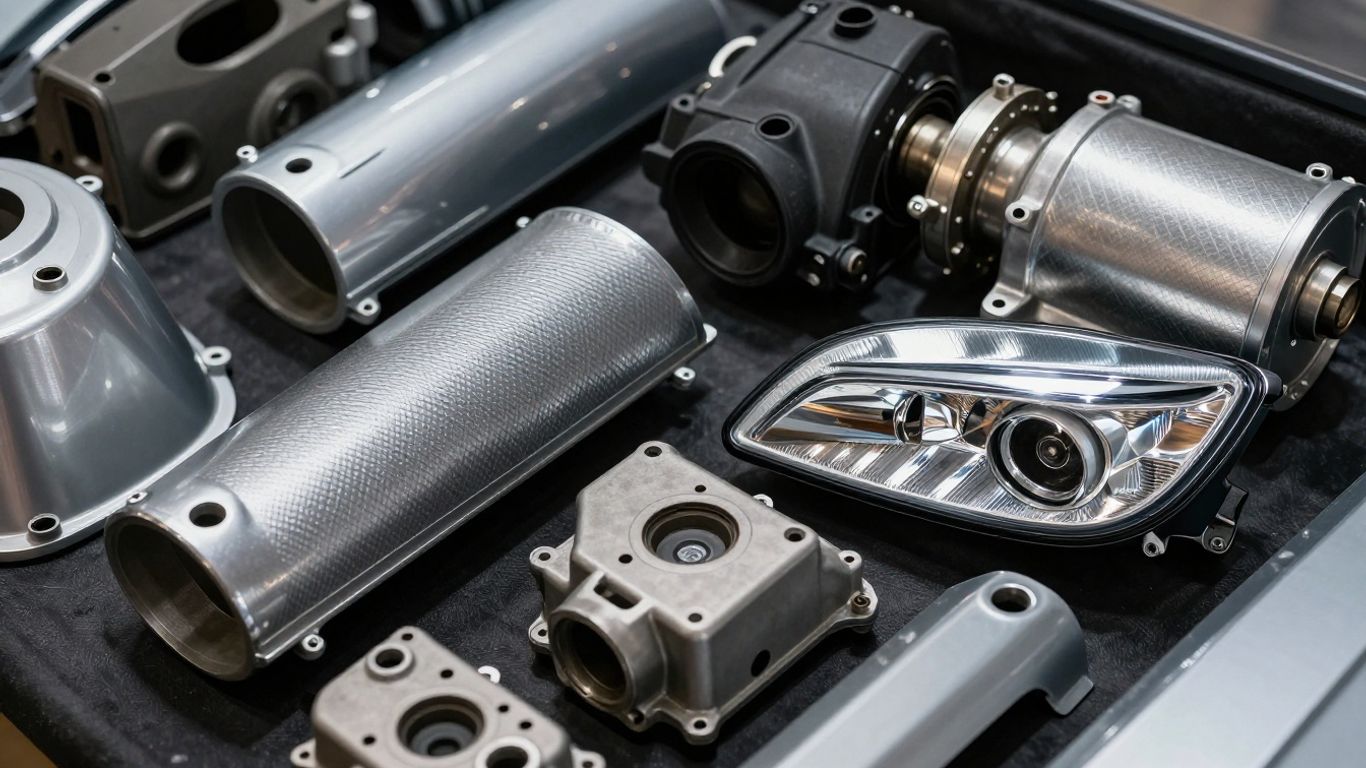
Alright, let’s talk about the money side of things when you’re looking for used BYD parts. It’s not just about finding the part you need; it’s about making sure it fits your wallet too. Setting a clear budget upfront is probably the most important step you can take. This helps you avoid getting carried away and spending more than you intended.
Setting a Realistic Budget
First off, figure out what you can actually afford to spend. Think about your current financial situation. Are you looking for a bargain, or do you have a bit more wiggle room? It’s a good idea to do some quick research on the typical price range for the part you’re after. This way, you won’t be shocked when you see the prices. For example, a common part like a headlight assembly might be a few hundred dollars, while a more complex component, like a battery management system, could easily run into the thousands. Knowing these ballpark figures helps you set a number that makes sense for you.
Factoring in Additional Costs
Don’t forget that the price tag on the part itself isn’t the whole story. You’ve got to think about other expenses that might pop up. Shipping costs can add up, especially if the part is coming from far away or is bulky. Then there’s the potential cost of installation. Are you doing it yourself, or will you need a mechanic? If it’s the latter, get a quote beforehand. Sometimes, you might need a few extra bits and pieces to get the part working correctly, like gaskets, seals, or specific bolts. It’s always wise to add a little buffer to your budget for these unexpected little extras. You might even need to consider specialized tools if you’re tackling the job yourself.
Negotiating the Best Price
Once you’ve got your budget and you’ve found a part, don’t be afraid to haggle a little. Many sellers, especially individuals on online platforms, are open to negotiation. Be polite and reasonable, of course. If you’ve found the same part cheaper elsewhere, you can mention that. Sometimes, sellers are willing to meet a competitor’s price. Also, consider the condition of the part. If it has minor cosmetic flaws that don’t affect its function, you might be able to get a discount. Remember, patience can pay off here. Don’t jump on the first offer you see if you think you can get a better deal with a little more time and effort.
When you’re buying used, especially for something as complex as EV components, it’s easy to get caught up in the excitement of a potential deal. However, always keep your budget front and center. It’s better to walk away from a deal that’s too good to be true if it means stretching your finances too thin. Think long-term about the overall cost of ownership, not just the initial purchase price.
Maximizing Longevity with Used Parts
So, you’ve snagged some used BYD parts. Awesome! Now, how do you make sure they stick around for the long haul? It’s not just about slapping them on and hoping for the best. A little bit of care goes a long way.
Preventive Maintenance Strategies
Think of preventive maintenance as giving your used parts a spa day. It’s about catching little issues before they blow up into big, expensive problems. For electric vehicles, especially, keeping an eye on the battery health is key. You want to avoid those deep discharge cycles if you can. Also, regular checks on connections and fluid levels, if applicable to the part, can save you headaches down the road. It’s like checking the oil in your old gas car, but for the specific needs of your BYD components.
Proper Installation Techniques
This is where things can go sideways fast if you’re not careful. Getting the installation right is probably the single most important step to ensure a used part performs as it should. If you’re not comfortable doing it yourself, seriously consider a professional. A mechanic who knows BYD vehicles can make sure everything is torqued correctly, wired up properly, and seated just right. A bad install can damage even a perfectly good used part, making it fail way sooner than it should. It’s worth the extra cash to have it done right the first time. You can find some great resources on proper installation for various components, which can be a lifesaver if you’re a DIYer.
Understanding Battery Health Indicators
If you’ve bought a used battery or a part that’s heavily integrated with the battery system, knowing its health is super important. Different battery types have different lifecycles and failure points. For instance, cylindrical cells are generally more reliable than pouch cells. Keep an eye on any diagnostic codes or warning lights that pop up on your dashboard. Some systems can give you a pretty good idea of the battery’s remaining capacity and overall condition. Understanding these indicators helps you manage expectations and plan for potential future needs, like a battery reseal or even a replacement down the line. It’s good to know that some battery systems can last for a significant number of kilometers, but they do have a lifespan.
When dealing with used EV components, especially batteries, understanding their history and the type of cells used is paramount. While some parts can be repaired or serviced to extend their life, others might be nearing the end of their operational cycle. Being informed about these factors allows for realistic expectations and better long-term planning for your vehicle’s upkeep.
Conclusion
Buying used BYD parts can be a smart way to keep your car running without breaking the bank. By doing your homework, checking the part’s condition carefully, and making sure it’s the real deal, you can find great components. Remember to set a budget and think about how to make these parts last. With a little effort, you can keep your BYD in top shape and save money too.
Frequently Asked Questions
How do I know if a used BYD part is good?
You should look closely at the part for any signs of damage, like cracks or heavy wear. It’s also good to ask the seller about its history, like how long it was used and if it had any problems.
Where can I find used BYD parts?
Many online stores and marketplaces sell used car parts. You can also check with local auto repair shops or junkyards that might have BYD components.
Is it cheaper to buy used BYD parts?
Generally, yes. Used parts are usually less expensive than brand-new ones. This can save you a good amount of money, especially for older or less common parts.
How can I make sure a used part is real and not a copy?
Look for official BYD logos or part numbers on the component. Buying from reputable sellers who specialize in genuine parts also helps reduce the risk of getting a fake.
What if the used part doesn’t fit or work?
Before buying, double-check the part number and make sure it’s compatible with your BYD model. Ask the seller about their return policy in case the part doesn’t work out.
Are there any risks when buying used parts?
Yes, there can be risks. The part might not last as long as a new one, or it could have hidden problems. That’s why inspecting the part and buying from trusted sources is so important.