

Key Takeaways
Hassle free BYD parts sourcing starts with accurate vehicle information and ends with disciplined follow-up after delivery.
- Match every part to the exact vehicle, model year, and configuration.
- Compare genuine, aftermarket, and refurbished options without treating them as interchangeable.
- Verify fitment, documentation, condition, and authenticity before paying for a large order.
- Calculate the full landed cost, including freight, duties, taxes, and clearance fees.
- Record supplier performance so future orders become faster and less risky.
Define your BYD parts requirements before contacting suppliers
A supplier can only quote accurately when the request is specific. Before sending inquiries, gather the vehicle identification information, the intended use of each component, and the delivery location. This preparation reduces vague replies, incorrect substitutions, and avoidable back-and-forth.
A useful request is not necessarily long. It is simply clear enough that two suppliers would understand it in the same way and return comparable offers.
Match the part to the exact BYD model and year
Start with the exact model name, model year, market, trim, drivetrain, and production period. Two vehicles that look similar may use different connectors, mounting points, software versions, or braking components. The VIN is often the strongest reference, but it should be supplied alongside the model details rather than used as the only description.
For body and interior components, include the side, color, finish, and position. For electrical or mechanical items, add the engine or motor configuration and any relevant production code. If you are unsure, send a photo of the existing part and ask the supplier to confirm the match in writing.
Identify OEM, aftermarket, and refurbished options
Decide what level of replacement is acceptable before you compare prices. A genuine part may be appropriate where fit, safety, software compatibility, or warranty obligations matter most. An aftermarket component can be reasonable for less sensitive applications, while a refurbished item may suit a repair budget if its testing and condition are documented.
Do not let these categories blur together in a quotation. Ask suppliers to label each offer clearly and state whether it is new, used, refurbished, or manufactured to an aftermarket specification. A low price is difficult to assess when the condition and source are unclear.
Record part numbers, specifications, and compatibility details
Create one reference sheet for every requested component. Record the part number exactly as shown, along with dimensions, material, connector type, voltage where relevant, package quantity, and compatibility notes. Keep the source of each detail, such as a service document, label photograph, or supplier catalog.
A simple record also helps when a supplier proposes a replacement. You can compare the original number with the substitute, identify what has changed, and decide whether the alternative is acceptable rather than approving it by assumption.
Set quality, budget, and delivery expectations
Set a target price, a maximum acceptable landed cost, and the date by which the part is needed. Separate urgent repairs from stock replenishment because the fastest shipping method may not be sensible for routine inventory. Also define acceptable packaging, labeling, test evidence, and warranty coverage.
These expectations make the request easier to evaluate. The BYD procurement guide is a useful adjacent reference for thinking beyond the sticker price, requesting samples, and considering shipping choices, although your own specification should remain the controlling document.
Find reliable BYD parts suppliers and sourcing channels
The best sourcing channel depends on the component, order size, destination, and level of technical support required. Authorized outlets may offer stronger traceability, while wholesalers and manufacturers can be more flexible for repeated or larger purchases. Treat the first conversation as a qualification step, not as a commitment to buy.
Ask the same core questions of each candidate. Consistent questions make differences in documentation, lead time, payment terms, and after-sales support easier to see.
Compare authorized dealers, wholesalers, and manufacturers
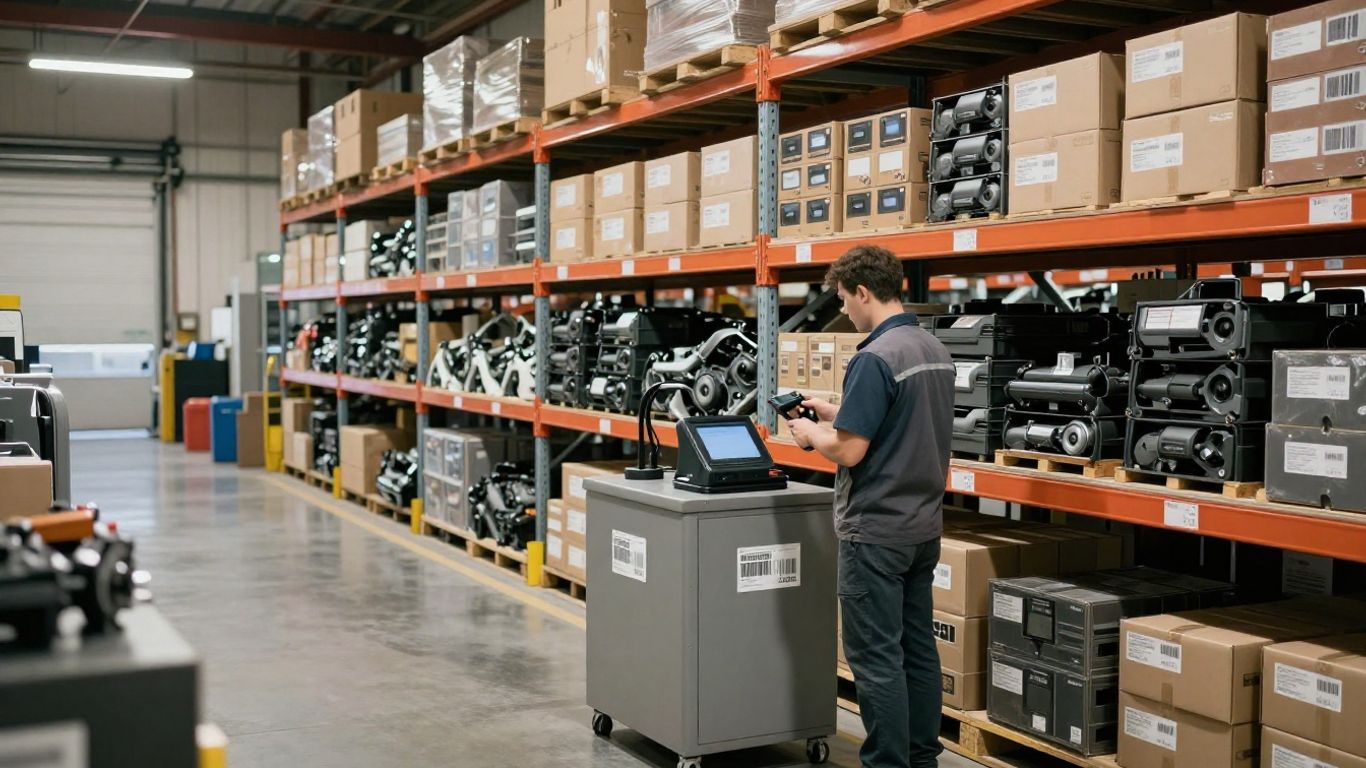
Authorized dealers are often a natural starting point for safety-critical or highly integrated components. Wholesalers may consolidate several categories and simplify ordering, while manufacturers can be useful when you need volume, packaging changes, or a recurring supply arrangement. Each channel carries different trade-offs in price, minimum order quantity, and technical assistance.
The QYT Auto Part Co. listing can be one sourcing lead to investigate when comparing wholesale channels. Separately, a Dubai BYD parts dealer may be relevant for buyers in that region. Neither listing removes the need to verify part numbers, business details, and terms independently.
Evaluate supplier experience with international orders
A supplier that sells locally may still be unfamiliar with export paperwork, dangerous-goods requirements, or destination-country customs procedures. Ask whether the company has shipped to your country, which freight partners it uses, and who prepares the commercial invoice and packing list. Request examples of the documents with sensitive commercial information removed.
Clarify how the supplier handles damaged cartons, missing pieces, customs questions, and delivery exceptions. A capable export partner should be able to explain the handoff from factory or warehouse to freight carrier without relying on broad assurances.
Use catalogs, marketplaces, and trade networks strategically
Catalogs are helpful for discovering part families, but they are not always proof of live inventory or current compatibility. Marketplaces can widen the supplier pool, yet their search results should be treated as leads rather than technical confirmation. Trade networks and industry referrals may produce better conversations when the part is unusual or the order is recurring.
Use a shortlisting process: collect several candidates, send them the same specification, and compare the quality of their questions as well as their prices. Suppliers who notice missing vehicle information may be safer prospects than those who quote instantly for everything.
Check business credentials, reviews, and customer references
Verify the legal business name, operating address, export history, payment-account name, and contact details. Reviews can reveal communication or packing problems, but they rarely establish technical fitment. For a substantial order, request references from customers who bought similar components for a comparable destination.
Keep a dated record of what you checked. This is especially useful when multiple sales representatives use similar trading names or when a marketplace profile differs from the entity named on the invoice.
Verify part quality, fitment, and authenticity
A quotation answers what a supplier says it can provide; verification tests whether that offer is suitable for your vehicle and risk tolerance. The process should cover physical condition, labeling, technical compatibility, and the chain of custody. It is worth spending time here because a cheap part that cannot be installed is not a saving.
For sensitive components, ask for evidence before payment and preserve the evidence with the order file. Written fitment confirmation matters when a dispute later depends on what was promised.
Request photos, technical documents, and inspection reports
Ask for current photographs rather than only catalog images. Useful photos show labels, connectors, mounting points, packaging, seals, and any visible wear. Technical documents should identify specifications, revision numbers, testing methods, and applicable warnings where those details affect installation or transport.
Inspection reports are most useful when they identify the inspected quantity and the criteria used. If a report is generic or undated, treat it as background information rather than proof that your particular batch passed inspection.
Confirm VIN, chassis, and battery compatibility
Send the VIN and chassis details through a controlled channel, and ask the supplier to return the exact compatibility conclusion in the quotation or order confirmation. For battery-related or electronic components, verify voltage, connector arrangement, communication requirements, casing dimensions, and any required programming or pairing procedure.
Do not assume that a component described as suitable for a model will fit every year or market version. When the supplier cannot confirm a detail, pause the order and seek a second technical opinion.
Distinguish genuine BYD parts from counterfeit products
Authenticity checks should combine several signals: packaging quality, labels, serial or batch information, seller identity, pricing, and documentation. One attractive logo or a convincing photograph is not enough. Be cautious when a seller refuses to show markings, offers unusual quantities, or pushes for payment before answering basic fitment questions.
If authenticity is central to the purchase, ask what traceability the supplier can provide and whether the item is genuine, licensed, aftermarket, or refurbished. Put the agreed category on the purchase order so the description cannot quietly change later.
Arrange samples or third-party inspections for large orders
A sample can reveal dimensional, cosmetic, packaging, and documentation problems before you commit to a full shipment. For larger orders, an independent inspection can check quantity, visible condition, labeling, and selected technical criteria. Agree on the inspection scope before the inspector visits; otherwise, the report may not answer the questions that matter to you.
Use the result to decide whether to approve, correct, or reject the batch. Sampling is not a substitute for a specification, but it gives the specification a practical test.
Manage pricing, quotations, and purchase terms
Price comparisons become meaningful only when each quote covers the same item condition, quantity, delivery point, and service level. A quote that looks attractive may exclude packing, export handling, insurance, duties, or local delivery. Ask questions early enough that the final decision is based on a realistic landed cost.
Keep commercial discussions separate from technical approval, but connect both in the final order. The part number, agreed condition, inspection terms, and delivery terms should all appear in one controlled document.
Request itemized quotes with shipping and taxes included
Request a line-by-line quotation showing unit price, quantity, tooling or setup charges, packaging, inspection, freight, insurance, taxes if applicable, and destination fees. Ask how long the quote remains valid and what could cause the price to change. If the supplier cannot include a charge, request a reasonable estimate and label it as provisional.
The comparison becomes clearer when every candidate uses the same delivery address and currency. Keep a separate calculation for charges that your own broker or customs authority will assess.
Compare minimum order quantities and volume discounts
Minimum order quantities can make a lower unit price expensive if the parts will sit in storage for years. Compare the total cash commitment, not only the discount percentage. A smaller pilot order may cost more per unit but provide valuable information about quality, packaging, and actual delivery time.
For recurring demand, ask whether the supplier can reserve stock, stagger production, or hold pricing for a defined period. Put any volume discount and release schedule in writing rather than relying on an informal message.
Clarify payment methods, warranties, and return policies
Before paying, confirm the payment beneficiary, deposit percentage, balance trigger, production milestones, warranty period, exclusions, and claims process. A return policy should explain who pays transport, what evidence is required, and whether replacement or refund is available. These details matter more than a general promise of good service.
A sensible payment structure connects the balance to an observable event, such as inspection approval or dispatch of the confirmed goods. Keep all revisions and approvals attached to the purchase record.
Choose suitable Incoterms for your shipment
Incoterms define important responsibilities, but they do not settle every issue in a transaction. Confirm who arranges export clearance, freight, insurance, import clearance, duties, and delivery to your premises. Choose a term that matches your team’s experience and the level of control you need.
For a first order, ask your freight forwarder or customs broker to review the proposed term. Their advice can expose charges or responsibilities that are easy to overlook when comparing supplier quotes.
A practical comparison sheet can keep commercial offers aligned:
| Cost or term | Supplier A | Supplier B | Supplier C |
|---|---|---|---|
| Unit and quantity basis | Confirmed | Confirmed | Confirmed |
| Freight to destination | Included or stated | Included or stated | Included or stated |
| Inspection and packaging | Stated | Stated | Stated |
| Payment and warranty | Documented | Documented | Documented |
After filling in the sheet, revisit every “included” label. Ask what it includes, who pays if the shipment changes, and whether the wording matches the purchase order.
Simplify international shipping and import compliance
International delivery is part of the sourcing decision, not an afterthought. The right route depends on urgency, shipment size, battery content, customs classification, and the receiving country’s rules. A reliable schedule also needs time for document corrections and border delays.
Bring a freight forwarder or customs broker into the process before dispatch. They can identify missing information while changes are still inexpensive.
Select air, sea, rail, or express freight by urgency
Express and air freight can suit small, urgent packages, while sea freight is often considered for larger, less time-sensitive shipments. Rail may be available on particular routes and can occupy a middle position in transit time and cost. The choice should reflect the part’s urgency and handling restrictions rather than habit.
Ask for the transit estimate, cut-off date, handling assumptions, tracking method, and delivery appointment requirements. Add a buffer for export preparation, inspection, customs, and local delivery.
Prepare invoices, packing lists, and customs documents
The commercial invoice should describe the goods consistently with the purchase order and include the parties, value, currency, quantity, and agreed delivery term. The packing list should identify carton counts, dimensions, weights, and contents. Other documents may be required depending on the goods, route, and destination.
Review spelling, part numbers, declared values, and package totals before dispatch. A small mismatch between the invoice and packing list can create a disproportionate delay at the border.
Check restrictions for batteries, electronics, and hazardous goods
Battery-containing shipments and certain electronic or chemical items may require special packaging, labels, declarations, or transport testing. Ask the supplier for the relevant safety data, classification information, and transport documentation. Do not let a carrier accept a package under an inaccurate description simply to make booking easier.
Confirm requirements with the carrier and the destination customs authority. Rules vary by route and can change, so a prior shipment is not proof that the next one will be accepted under identical conditions.
Plan duties, tariffs, customs clearance, and last-mile delivery
Estimate duties, taxes, broker fees, storage, port or terminal charges, and local delivery before you approve the order. Confirm who will act as importer of record and who will respond if customs requests additional evidence. Also check whether the delivery address can receive the shipment safely and unload it.
Your landed-cost estimate should include a contingency for inspection or delay. That makes the budget more useful than a simple supplier-price comparison.
Build a repeatable BYD parts sourcing process
A repeatable process turns one successful purchase into a dependable supply method. Capture what was ordered, what arrived, how long it took, and what needed correction. Over time, this record becomes more valuable than memory or scattered messages.
Keep the process proportionate. A small repair may need a concise checklist, while a recurring commercial order deserves approval stages, inspection records, and documented supplier reviews.
Centralize supplier, order, and inventory information
Use one shared location for supplier contacts, quotations, specifications, purchase orders, inspection files, freight documents, and receiving notes. Give each part a consistent internal identifier and store superseded documents rather than deleting them. This prevents an old quotation from being mistaken for the current agreement.
A central record also helps colleagues answer routine questions without restarting the supplier conversation. Limit editing rights for final specifications and approved orders.
Track lead times, defect rates, and total landed cost
Measure the time from approved order to dispatch and from dispatch to receipt. Record shortages, visible defects, fitment issues, document errors, and claims. Calculate total landed cost using the same categories for every order so that supplier comparisons remain fair.
Review the data after each shipment, not only when a problem occurs. A supplier with a slightly higher unit price may be preferable if the complete cost and delivery performance are more predictable.
Create an approved supplier and replacement-parts list
Maintain an approved list that records the parts each supplier has successfully delivered, the conditions accepted, and the dates of the last review. Add replacement options only after checking their specifications and fitment. A substitute should be a documented alternative, not merely a similar-looking item.
The international shipping reference also illustrates why regional availability and payment conditions deserve attention when planning supply routes. Use such market information as a risk signal, then confirm the current situation with your broker and suppliers.
Use reorder points and contingency plans to prevent delays
Set reorder points from actual consumption, supplier lead time, customs variability, and the consequence of running out. For essential parts, identify a second approved source or a compatible alternative before an emergency begins. Keep the contingency plan specific: who contacts the backup supplier, which documents are reused, and what approval is needed.
A short operating sequence is often enough to keep the process moving:
- Review demand and available stock.
- Confirm the current specification and approved supplier.
- Request and compare a complete quotation.
- Inspect, receive, and record the shipment.
Once the sequence is familiar, each new order requires less improvisation. The result is sourcing that feels calmer because the important decisions have already been made.
Conclusion
Hassle free BYD parts sourcing is built from small, practical controls: precise vehicle data, honest comparison of part categories, written verification, complete cost calculations, and careful logistics planning. When those controls are recorded and reused, suppliers become easier to evaluate and future orders become less dependent on guesswork.
Frequently Asked Questions
What information should I send when requesting a part?
Send the vehicle identification number, model, year, market, trim, drivetrain, exact part number if available, photos, quantity, destination, and required delivery date.
Is the cheapest quote usually the best option?
Not necessarily. Compare condition, authenticity, warranty, inspection, freight, duties, taxes, brokerage, and delivery risk to determine the total landed cost.
How can I reduce the risk of ordering the wrong part?
Ask the supplier to confirm compatibility in writing using the VIN, chassis information, model year, and relevant specifications. Keep that confirmation with the purchase order.
Should I order a sample before a large shipment?
A sample is sensible when quality, dimensions, packaging, or fitment are uncertain. It can expose problems before a larger financial commitment is made.
Which shipping method should I choose?
Choose based on urgency, shipment size, route, restrictions, and total cost. Express and air may suit urgent small consignments, while sea or rail may suit larger, less urgent orders.
What documents are commonly needed for import clearance?
Typical documents include a commercial invoice, packing list, transport document, and any certificates or declarations required for the goods, route, and destination country.
How should I handle a damaged or incorrect shipment?
Photograph the packaging and goods immediately, record shortages or damage, notify the supplier and carrier within the contractual deadline, and follow the agreed inspection, replacement, or claims process.