

Key Takeaways
Careful parts ordering is less about speed alone and more about identification, documentation, packaging, inspection, and qualified installation.
- Confirm the exact vehicle model, production year, VIN, and part number before ordering.
- Choose genuine or properly verified components that match the vehicle’s regional specification.
- Ask about stock, lead times, packaging, warranty coverage, and returns before payment.
- Inspect the parcel and part immediately, then photograph any damage or discrepancy.
- Keep invoices, correspondence, installation records, and warranty documents together.
Understanding genuine BYD parts and their importance
A replacement component is only useful when it fits the vehicle, performs its intended function, and can be supported if something goes wrong. That is why the phrase BYD parts delivered with care describes more than a parcel arriving intact. It also suggests a controlled process from identification and sourcing through handling and installation. The right part should be treated as part of the vehicle’s wider safety and maintenance system.
Genuine, OEM, and aftermarket parts explained
Genuine parts are supplied under the vehicle manufacturer’s parts program and are intended for the relevant vehicle range. OEM parts are made by an original equipment manufacturer, although the packaging, distribution channel, and support arrangements may differ. Aftermarket parts come from independent manufacturers and can vary considerably in design, materials, testing, and fit.
The label alone is not enough. Ask who made the component, which vehicles it covers, whether the part number is traceable, and what documentation accompanies it. A reputable seller should be willing to explain those distinctions without presenting an unverified substitute as an original component.
Why compatibility matters for BYD vehicles
Compatibility involves more than whether a component looks similar to the one being replaced. Model generation, production date, trim, battery configuration, market, and software or hardware revisions can all affect fitment. A part that works in one vehicle may be unsuitable for another that shares a model name.
Before placing an order, compare the supplier’s fitment information with the vehicle record and the old component. If the description is vague, pause rather than relying on a photograph or a promise that the part is “universal.” Precise identification usually saves more time than correcting a wrong order later.
Risks of using low-quality replacement parts
Poorly made components can create practical problems even when they initially appear to fit. They may wear sooner, produce unusual noise, interfere with surrounding parts, or require repeated removal and installation. With electrical or safety-related components, an incorrect specification can introduce risks that are not obvious during a visual inspection.
Cost should therefore be assessed alongside labor, downtime, shipping, and the possibility of a second repair. A cheaper item is not necessarily economical if its uncertain quality makes the total ownership cost higher.
How part authenticity supports safety and performance
Authenticity supports confidence in the component’s origin, specification, and supply record. It does not replace proper installation or inspection, but it gives the technician a clearer basis for checking whether the part belongs on the vehicle. Manufacturer-approved sourcing can also make later warranty discussions and service records easier to understand.
For readers comparing sources, genuine BYD parts are described as manufacturer-approved components, with specialist guidance available for finding a part for the relevant model. That is a useful standard to look for: clear product identity, model guidance, and a support route if fitment is uncertain.
Choosing the right BYD part for your vehicle
The most reliable order begins with information already attached to the vehicle. A registration record can help, but it may not contain every detail needed for a precise match. Collect the identification data first, then ask the supplier to confirm the selection in writing before money changes hands.
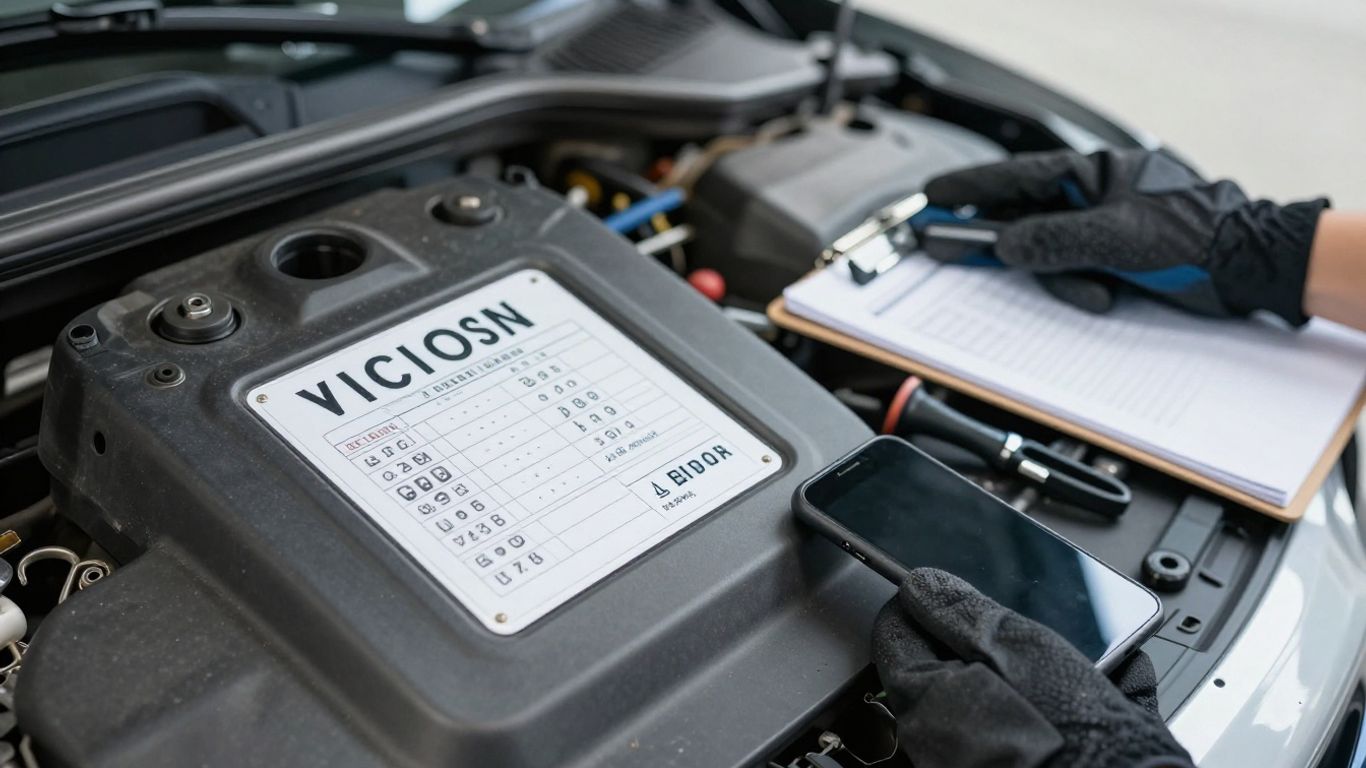
A careful buyer also separates a confirmed match from a likely match. The distinction matters when parts have similar names or when a vehicle has changed specification between production periods.
Identifying your BYD model and production year
Start with the model name, body style, production year, registration details, and, where relevant, battery or drivetrain information. Note whether the vehicle was built for a particular market, since equipment and regulatory requirements may differ between regions. Photographs of the existing part can help, but they should support—not replace—the vehicle record.
Write the details in one place before contacting a supplier. This reduces the chance of copying a partial model name from a search result and overlooking a revision or trim level.
Using VIN and part numbers accurately
The VIN is the strongest starting point for vehicle identification because it is tied to the individual vehicle. The part number is equally valuable when it can be read clearly from the component, label, or service documentation. Record every letter, digit, suffix, and separator; a small difference can indicate a different revision.
Send a clear photograph of the label if the marking is difficult to transcribe. Ask the supplier to confirm both the number and the vehicle application, and retain that confirmation with the order. Do not assume that a similar-looking code is interchangeable.
Matching parts to regional vehicle specifications
Regional specification affects more than shipping destination. Lighting, charging equipment, connectors, safety equipment, communications hardware, and approval requirements may differ by market. A supplier should be able to state whether the proposed part is intended for the vehicle’s region rather than offering a general global listing.
The same care applies to accessories. For example, TOP BYD presents genuine accessories for several named vehicle models, which illustrates why model-specific catalog information is more useful than a broad “fits most vehicles” claim. Check the listing against your own vehicle details before ordering.
When to consult a BYD service professional
Professional advice is sensible when the part affects high-voltage systems, braking, steering, restraint systems, charging, sensors, or vehicle control electronics. It is also worthwhile when the VIN returns multiple possible parts or when the supplier cannot explain a fitment difference. A short verification call can prevent an expensive and potentially unsafe installation.
Ask the professional what information they need, whether programming or calibration is required, and which documents should be retained. For general service planning, a regional service and maintenance guide can also help a vehicle owner understand why warranty and maintenance records should be kept together, without replacing the terms that apply to the individual vehicle.
Ordering BYD parts from a trusted supplier
A trustworthy supplier makes the ordering process easy to audit. Product identity, condition, stock status, price, shipping method, and support terms should be visible before checkout. If the seller avoids direct answers or pressures you to pay before confirming fitment, treat that as a reason to slow down.
The best order confirmation is specific enough that another person could compare the parcel against it. That includes the vehicle details, part number, quantity, finish or side where applicable, and delivery address.
Evaluating supplier expertise and reputation
Look for evidence that the supplier understands vehicle parts rather than simply listing broad categories. Useful signs include model-specific advice, traceable part numbers, clear contact information, and a process for handling damaged or incorrect orders. Reviews can add context, but they should not be the only basis for a technical decision.
Policies also deserve a careful read. For example, purchase terms from another online service show why buyers should check product availability, billing accuracy, order limitations, and liability language before agreeing to a transaction. The subject matter may differ, but the habit of reading the terms is directly transferable.
Checking availability, pricing, and lead times
Ask whether the item is physically in stock, allocated to your order, or expected from another warehouse. “Available” can mean different things across websites, so request an estimated dispatch date and a realistic delivery window. Also check whether the quoted price includes taxes, shipping, special handling, or import charges.
A modestly higher price may be reasonable when it includes better identification support, protective packaging, or a documented return route. Compare the complete cost and likely downtime, not just the number beside the product name.
Reviewing warranty and return policies
Read the conditions for unused, opened, installed, electrical, and special-order parts. Some sellers require notification within a defined period, while others exclude return shipping or restocking costs. Confirm what happens if the supplier selected the wrong item after receiving your VIN.
Warranty language should identify the responsible party, coverage period, evidence required, and available remedy. Do not assume that a vehicle warranty automatically covers every separately purchased component or every installation charge.
Confirming order details before payment
Before paying, ask for a written summary and compare it with your notes. A short checklist is useful because it catches ordinary mistakes when an order contains several related items:
- Vehicle model, production year, market, and VIN have been provided.
- Part number, side, finish, revision, and quantity are clearly stated.
- Price, shipping method, taxes, and estimated dispatch date are confirmed.
- Return, warranty, and damage-reporting requirements are understood.
Once those points match, save the invoice and confirmation email in more than one place. This small record becomes valuable if the parcel is delayed or the delivered part differs from the agreed item.
How BYD parts are prepared for careful delivery
Delivery quality begins before a box is sealed. The warehouse should identify the item, protect it according to its physical characteristics, and create a record that connects the package to the order. Fragile trim, heavy mechanical pieces, sensors, and electronic assemblies each call for different handling.
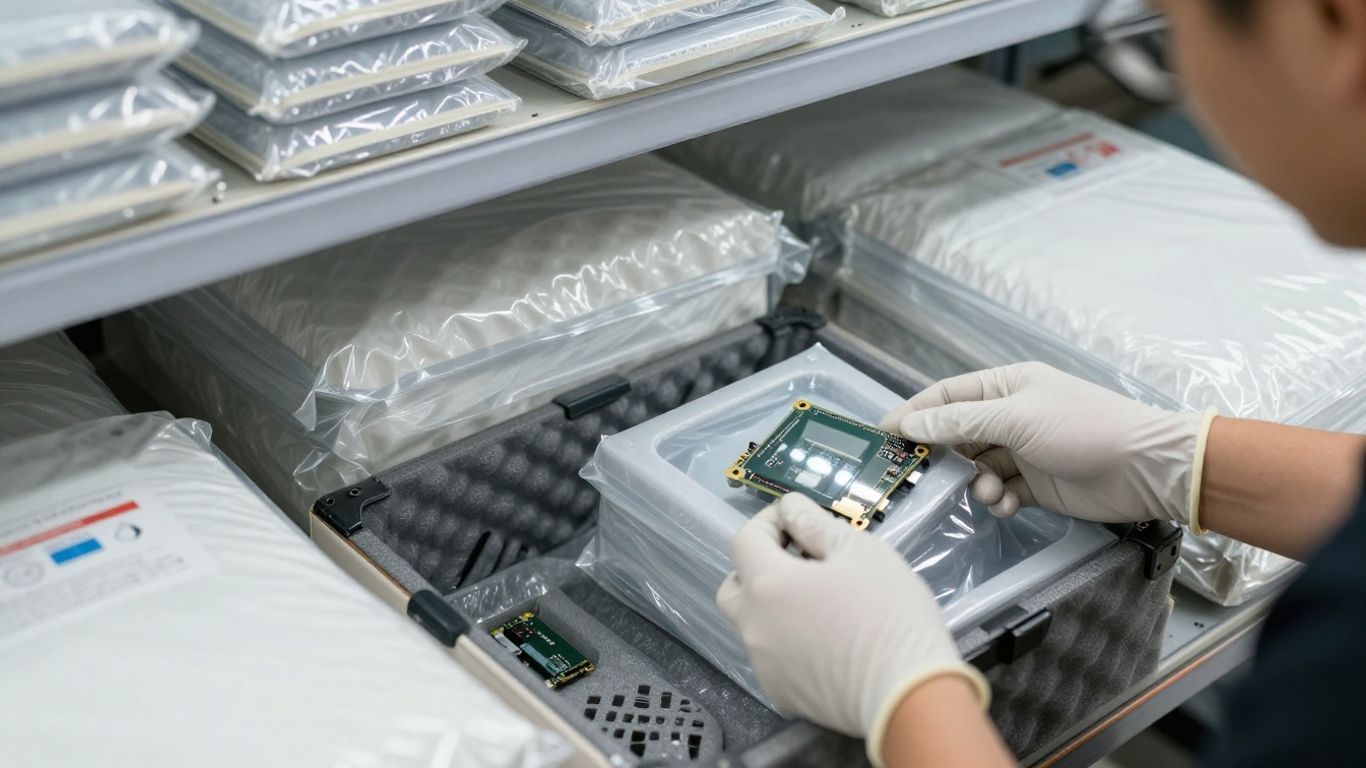
A well-prepared parcel does not guarantee that a carrier will handle it perfectly, but it gives the part a better chance of arriving in usable condition. It also makes damage easier to identify when the customer receives it.
Protective packaging for fragile components
Packaging should prevent movement, abrasion, crushing, and exposure to moisture. Small parts can be secured inside a correctly sized inner package, while heavier items need cushioning and a strong outer carton. Glass, painted surfaces, clips, connectors, and projecting edges deserve particular attention.
The package should not be so tightly packed that pressure is transferred to a delicate component. Nor should the part be left loose inside a large box where repeated movement can cause impact damage.
Labeling and documentation for accurate fulfillment
Clear labels help connect the package to the order and distinguish similar components during picking and delivery. The paperwork should identify the item, quantity, and any handling requirements without creating confusion between the shipping label and the part’s own traceability information.
Customers benefit when the invoice, packing list, and tracking reference are sent before or at dispatch. Those records make it easier to spot a missing item and give support staff the information needed to investigate.
Managing batteries, electronics, and sensitive parts
Batteries and electrical components may have specific storage, packaging, and transport requirements. A supplier should explain any relevant restrictions, documents, state-of-charge considerations, or carrier limitations before accepting the order. Customers should never improvise packaging or transport arrangements for a high-voltage component.
Electronic parts should also be protected from impact, moisture, contamination, and careless handling. If a component requires programming, pairing, or calibration after installation, that requirement should be disclosed before delivery rather than discovered at the workshop.
Tracking shipments from warehouse to destination
Tracking is most useful when it shows more than a reference number. Confirm the carrier, dispatch date, expected delivery window, and contact procedure for a stalled shipment. For valuable or time-sensitive components, ask whether an adult signature or appointment delivery is available.
A tracking update that stops moving is a prompt to contact the supplier, not proof that the part has been lost. Keep all messages in the order file so the timeline remains clear.
Inspecting BYD parts when they arrive
Inspection should happen before the part is installed, discarded packaging is removed, or the delivery is signed without comment. Set aside a few minutes in good light and compare the parcel with the order confirmation. This simple pause preserves options that may disappear after installation.
The goal is not to judge a component by appearance alone. It is to establish whether the correct item arrived in acceptable condition and to create evidence if the answer is no.
Checking packaging for signs of transit damage
Look for crushed corners, punctures, torn tape, water marks, oil residue, and signs that the carton has been opened or resealed. Photograph the package from several angles before unpacking if anything seems unusual. If the carrier requires a damage notation at delivery, follow that procedure while the driver is present.
Open the parcel carefully and retain the packaging until the part has been checked. Damage to the box does not always mean the part is damaged, but it should prompt a closer inspection of edges, connectors, mounting points, and finished surfaces.
Comparing delivered parts with the order
Match the part number, description, quantity, side, color, and revision against the invoice and confirmation. Check that included brackets, fasteners, seals, caps, or instructions are present. If the item looks different from the old part, do not discard it immediately; design revisions can change appearance, but the supplier should confirm compatibility.
A second person can make this comparison easier when several boxes arrive together. Keep each item with its paperwork until all checks are complete.
Documenting defects or missing components
Use photographs that show the whole part as well as close views of the issue. Include the shipping label, packaging damage, part label, and any missing accessory in the record. Write down the delivery date, condition at arrival, and the person who accepted the parcel.
Send a concise report through the supplier’s stated support channel. Avoid altering, installing, cleaning, or repairing the component before receiving instructions, since those actions may make the original condition harder to establish.
Knowing when to refuse delivery or request support
Refusing delivery may be appropriate when the package is visibly destroyed, leaking, or clearly not addressed to you, but the correct procedure depends on the carrier and supplier. If you accept a questionable parcel, mark the condition on the delivery record where possible and contact support promptly.
A part that is merely incorrect should usually be isolated rather than fitted. The supplier can then advise whether to return it, arrange collection, or send a replacement. Clear, early communication gives both sides more choices.
Installing and maintaining delivered BYD parts
A correctly delivered part still needs correct installation. The choice between home work and professional service depends on the component, tools, instructions, vehicle systems, and the consequences of an error. Convenience should not outweigh safety or the conditions of the warranty.
Before work begins, confirm that the part is undamaged and that the installation procedure matches the exact vehicle. If the instructions are incomplete, pause and ask for clarification rather than filling in the gaps from an unrelated model.
Deciding between professional and DIY installation
Simple cosmetic or low-risk items may be suitable for a capable owner with the right tools and instructions. Work involving high voltage, braking, steering, restraints, charging, structural fasteners, or electronic controls should generally be handled by a suitably trained professional. The vehicle’s service information and the supplier’s warranty terms can help define the boundary.
Consider also the equipment required. A job that appears straightforward may require lifting equipment, insulated tools, diagnostic access, or a controlled workspace. Paying for the right installation is often less costly than correcting damage caused by an improvised one.
Following BYD service and torque specifications
Fasteners should be tightened according to the applicable service instructions, using the specified sequence and torque. “Tight enough” is not a reliable measurement, particularly where clamping force affects alignment, sealing, braking, suspension, or structural integrity. Replace one-time-use hardware when the procedure calls for it.
Keep the instructions used for the job with the invoice. If a specification is unclear or appears inconsistent, ask a qualified technician or supplier before proceeding.
Confirming calibration for electronic components
Some electronic components may need configuration, pairing, calibration, or a post-installation check. The requirement depends on the component and vehicle, so it should be confirmed rather than assumed. A part that is physically fitted may still not operate correctly until the vehicle system recognizes it.
After installation, test the relevant function in a safe setting and check for warning lights or diagnostic messages. Do not treat the absence of an immediate warning as proof that every system has been calibrated.
Maintaining records for warranty and future service
Save the order confirmation, invoice, part number, installation date, mileage, technician details, and any diagnostic or calibration record. Note the symptoms that led to replacement and the checks performed afterward. These details help distinguish a new issue from the original repair.
For ongoing ownership, a consistent file is more useful than scattered emails and photographs. It can support future maintenance, warranty questions, and a later decision about whether another component is genuinely needed.
Resolving delivery, fitment, and warranty issues
Even careful orders can encounter delays, carrier damage, stock changes, or a mismatch between the supplied item and the vehicle. A calm, documented response usually works better than repeated informal messages. Start with the order number and a short description of what happened, then attach only the evidence needed to establish the issue.
A supplier’s response should explain the next step, the person responsible, and the expected timing. If those details are missing, ask direct questions and keep the correspondence together.
Handling delays, incorrect parts, and damaged shipments
Contact the supplier when the promised dispatch or delivery window passes, when tracking stops updating, or when the parcel arrives incomplete. For a wrong part, state what was ordered, what arrived, and how the two differ. For damage, describe the condition on arrival and whether the outer packaging was affected.
Do not send a replacement request based only on a vague product title. Include the exact part number and vehicle information so the second shipment does not repeat the original mistake.
Using photos and order details to support a claim
A strong claim is chronological and easy to verify. Include the order confirmation, invoice, tracking record, package photographs, part-label photograph, and a close-up of the defect or mismatch. Explain whether the part has been installed, altered, or stored untouched.
Avoid editing images in a way that removes context. Original files and clear filenames can help support staff compare the evidence with warehouse records and shipping scans.
Understanding replacement and refund timelines
Ask whether the supplier will inspect the returned item before approving a replacement or refund, who pays return shipping, and how long each stage normally takes. Some cases move quickly when the wrong item is obvious; others require a carrier investigation or technical review. Get the agreed remedy in writing.
If the part is needed for a repair, ask whether a temporary alternative or expedited dispatch is available. Do not promise a vehicle owner a completion date until the supplier has confirmed stock and transport.
Building a reliable long-term parts supply relationship
A dependable relationship grows from accurate records and realistic communication on both sides. Use the same vehicle identification details for later orders, report problems promptly, and give useful feedback about packaging or documentation. A supplier that remembers the vehicle context can often verify future requests more efficiently.
It is also sensible to compare the supplier’s processes periodically. The Discover Cars review is unrelated to vehicle parts, but its focus on transparent pricing, cancellation terms, insurance, and customer support illustrates the broader questions worth asking of any service provider. Likewise, a cookie policy, local service content guide, and gutter service areas are reminders that clear public information can make a business easier to evaluate; they are not substitutes for technical parts verification.
Conclusion
Reliable parts ordering is a chain of small decisions: identify the vehicle precisely, verify the component, confirm the commercial terms, protect the shipment, inspect it promptly, and install it according to the right instructions. When each step is documented, BYD parts delivered with care become easier to trust, easier to support, and less likely to create avoidable downtime.
Frequently Asked Questions
What information is needed to order a vehicle part?
Provide the model, production year, market or region, VIN, part number if available, quantity, and any relevant trim or drivetrain details. A clear photograph of the old part can provide useful supporting evidence.
Is a genuine part always better than an aftermarket part?
Not necessarily in every situation, but a genuine part usually offers clearer traceability and vehicle-specific fitment. An aftermarket component should be assessed for quality, compatibility, documentation, warranty, and professional suitability rather than price alone.
How can I check whether a part will fit?
Ask the supplier to confirm fitment against the VIN and exact part number. Do not rely solely on a similar photograph, a general model name, or a claim that the item fits a wide range of vehicles.
What should I do if a parcel arrives damaged?
Photograph the outer packaging before opening it, record the condition with the carrier where possible, retain all packaging, and contact the supplier promptly through its stated claims process. Do not install or repair the damaged item before receiving instructions.
Should I keep the packaging after delivery?
Yes. Keep it until the part has been inspected and, where practical, installed successfully. The packaging may be needed for a return, carrier investigation, or damage claim.
When is professional installation advisable?
Professional installation is advisable for high-voltage, braking, steering, restraint, charging, structural, and electronically controlled components, especially when calibration or diagnostic equipment may be required.
What records should I keep after a replacement?
Keep the invoice, order confirmation, part number, installation date, vehicle mileage, technician details, service instructions, calibration results, and photographs or correspondence related to the repair. These records support future maintenance and warranty discussions.