

Key Takeaways
Maintaining the BYD Atto 3 involves understanding its unique electric architecture and sourcing the correct components for long-term reliability. This guide to BYD Atto 3 parts outlines essential care practices for the modern electric driver.
- Regular inspection of the drive unit and cooling systems ensures peak performance.
- Choosing authentic replacement parts significantly improves safety and component longevity.
- Following a strict fluid maintenance schedule avoids premature system wear.
- Tire and suspension upkeep is critical given the vehicle’s high electric torque.
- Professional service protocols protect the integrity of the high-voltage electrical network.
Understanding core mechanical and electrical components
Owning an EV requires a shift in how you view mechanical upkeep, moving from traditional combustion service to managing integrated electronic nodes. The vehicle relies on sophisticated hardware that operates in harmony to provide a smooth driving experience. By familiarizing yourself with these systems, you can better monitor the overall health of your vehicle throughout its lifecycle.
The battery management system (BMS) essentials
The BMS serves as the brain of the energy storage setup, constantly balancing cell voltages to maintain efficiency. You should monitor for software updates that often refine how this system communicates with the traction motor. Ensuring the diagnostic logs are clear during your annual check-up helps keep the system operating within optimal safety parameters.
Electric powertrain and motor components
The efficiency of the Atto 3 centers on its expressive and dynamic C-SUV powertrain design, which consolidates numerous functions into a single unit. This engineering feat reduces weight while maximizing the output delivered to the wheels. Regular technical checks ensure the drive unit functions without excessive vibration or power delivery lag.
Thermal management and cooling circuits
Managing heat is vital for both the battery and the power electronics during intensive driving sessions. The coolant loop requires specific additives to prevent corrosion and maintain proper conductivity properties within the system. You should keep the following components in mind for routine thermal system inspections:
- Electric water pump integrity for steady flow.
- Radiator and heat exchanger surface cleanliness.
- Coolant reservoir levels and pressure seals.
- Sealing gaskets near the high-voltage cooling lines.
These four points represent the primary failure risks in the cooling circuit that, if neglected, could lead to thermal throttling or reduced range in hot weather conditions.
Navigating suspension and braking systems
Because electric vehicles are often heavier than their counterparts, the suspension components face more consistent pressure. These systems include heavy-duty control arms and specialized damping tuned for immediate torque. Using durable suspension components ensures that the handling characteristics remain responsive and stable over time.
Exterior and body replacement parts
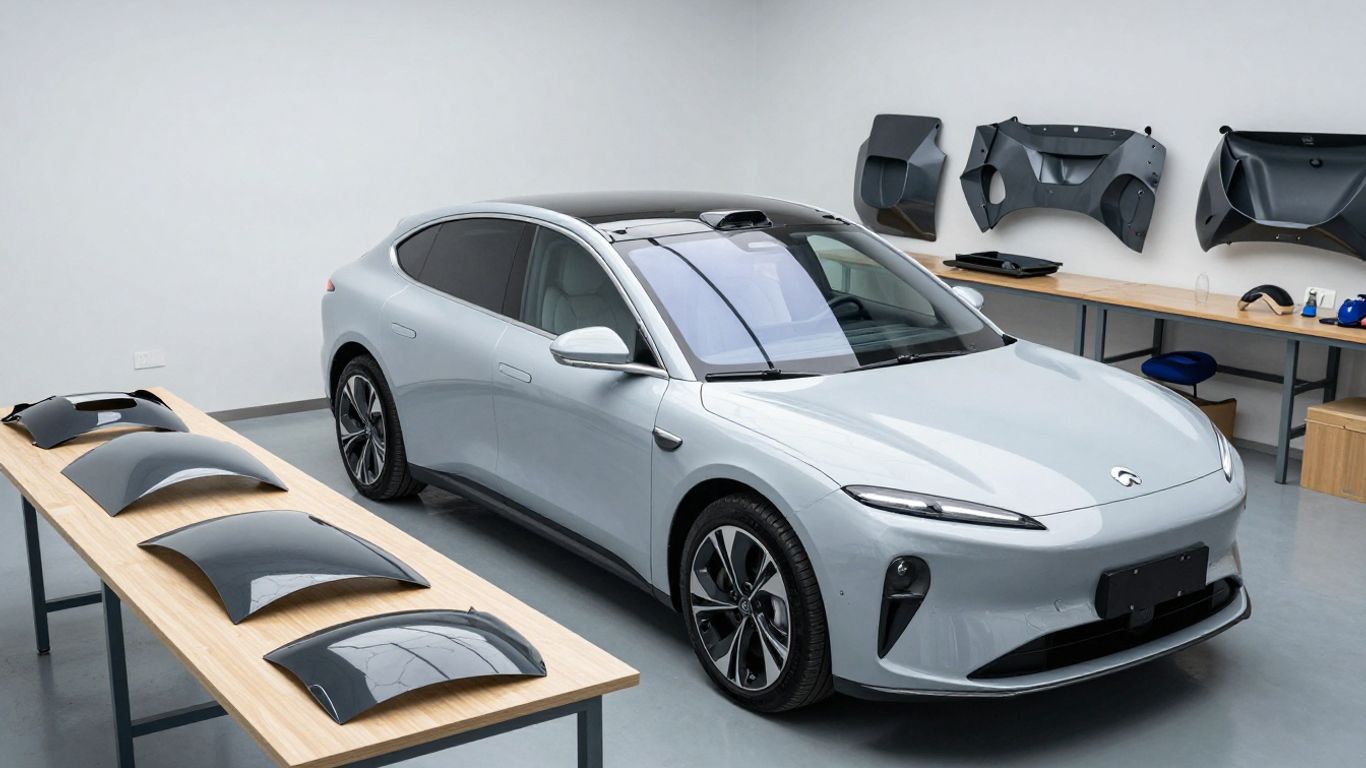
Finding the right exterior components can be challenging, but it is necessary for maintaining the structural integrity of your vehicle. Whether dealing with minor parking damage or collision repairs, selecting the correct parts prevents future issues with aerodynamics and electrical sensors. Always verify the compatibility of parts before committing to a purchase.
Sourcing OEM versus aftermarket body panels
Using genuine structural panels is the best way to ensure proper fitment for all mount points. While aftermarket options may seem cost-effective initially, they often lack the precise stamping required to align with existing hardware. It is generally safer to prioritize parts that are designed specifically to meet the manufacturer’s rigid material standards.
Headlight and taillight assembly requirements
Modern lighting assemblies in the Atto 3 incorporate advanced LED technology that is linked directly to the main body controller. Replacing these units often requires specific alignment procedures to ensure light distribution remains compliant with safety standards. You must be careful when handling these assemblies to avoid damaging the integrated circuitry common in premium electric vehicles.
Exterior trim and protective moldings
The aesthetic appeal of the vehicle relies on the fitment of trim pieces, which also protect the body from small debris and moisture. These moldings are usually secured with specialized clips rather than heavy adhesives, making replacement relatively straightforward for a capable DIY enthusiast. Keeping these areas clean prevents dirt accumulation that can cause abrasive wear against the paint.
Windshield and sensor-integrated glass
Replacing glass on this model requires careful attention to the cameras mounted near the rearview mirror. These sensors are calibrated to the windshield geometry, meaning that an incorrect installation could lead to issues with driver-assistance features. Always have professional glass technicians verify the calibration status after any windshield replacement to ensure your safety systems remain fully operational.
Interior trim and cabin accessories

Maintaining the cabin environment is just as important as the external upkeep for long-term comfort and vehicle resale value. The cabin uses a mix of high-quality synthetic materials and modular electronics that should be treated with care. Utilizing the Atto 3 Electric SUV Auto Parts Catalogue will assist you in identifying exact trim clips, seat switches, and interior fasteners.
Cockpit ergonomics and replacement seating parts
The seats in this vehicle are designed for long-distance comfort, utilizing high-density foams and durable upholstery. If you notice signs of premature wear on the bolstering, check for original replacement covers rather than generic seat cushions. Maintaining the structural integrity of the seat adjustment motors ensures that your ergonomic settings stay fixed where you need them.
Dashboard modules and infotainment screen parts
Many owners appreciate the large central display, but if you encounter issues like a laggy screen, know that some common BYD Atto 3 problems have been addressed through factory software releases. When physical hardware like buttons or surround bezels require replacement, ensure you use components that are compatible with your specific dashboard trim level and year of production.
Interior climate control ventilation components
The climate control system relies on a set of actuators that direct airflow throughout the cabin. If you hear unexpected clicking sounds behind the dash, it may indicate a failing door actuator that needs immediate attention. Keeping the air passages clear of obstructions is your best defense against moisture accumulation in the ventilation ductwork.
Door handle and interior locking mechanisms
Door mechanisms in modern vehicles are highly modular to facilitate easy assembly and repair. If a handle feels loose or a lock actuator becomes sluggish, inspect the lubrication points inside the door panel before assuming the component has failed. Replacing these parts requires removing the interior trim panels, which should be done with plastic tools to avoid scratching the dashboard surface.
Consumables and routine maintenance items
Routine maintenance is more than just swapping filters; it is about protecting the life of your expensive electrical components. A well-maintained vehicle requires adherence to a strict schedule for fluids and hardware swaps. Consider this table a quick reference for the critical intervals for common maintenance items.
| Item | Interval | Primary Benefit |
|---|---|---|
| Cabin Filter | 12,000 km | Air Quality |
| Brake Fluid | 24 months | Stopping Power |
| Tires | Per Wear | Road Traction |
Following these suggestions supports the longevity of your vehicle and ensures that performance remains consistent throughout your ownership. By tracking these variables, you prevent the most common service interruptions associated with electric vehicle ownership.
Brake fluid and pad specifications for electric vehicles
The regenerative braking system drastically reduces the wear on traditional friction pads, but the fluid itself still absorbs moisture over time. Keeping fresh fluid in the lines is essential for the emergency override systems to function predictably. Always select a fluid that matches the high-viscosity ratings specified for your particular regional climate.
Cabin air filtration systems and replacement intervals
Air filtration is critical for keeping the interior free of dust and debris, especially in urban environments. Because the climate control system has to work harder if the filter is clogged, replacing these units on time is a simple way to improve energy efficiency. The access panel is usually located behind the glovebox, allowing for quick checks without specialized equipment.
Tire selection for torque-heavy electric vehicles
Electric motors provide instant torque that can wear tires faster than traditional vehicles if you are aggressive with the throttle. Choose tires rated for the weight and performance profile of the Atto 3 to ensure balanced handling. Maintaining proper pressure at all times is the most effective way to prevent uneven wear and maintain your range.
High-voltage system coolant replenishment
While the high-voltage coolant is meant to be long-lasting, it should still be tested for acidity and debris during major service intervals. Replenishing this fluid prevents the localized buildup of minerals that can insulate heat-producing components. Do not attempt to top up this system yourself as it requires specific air-purging tools to avoid trapped gas pockets.
Sourcing and installation guidelines
Ordering genuine parts is the key to ensuring everything meshes perfectly without the need for custom fabrication. When you follow the complete BYD Atto 3 buying guide for maintenance, you benefit from the manufacturer’s commitment to quality. Avoiding cut-rate third-party imitation parts is the best way to safeguard your investment.
Relying on authorized BYD service centers
Authorized centers have access to proprietary diagnostic tools that generic shops simply do not maintain. When you choose to visit an official service center for servicing your BYD Atto 3, you ensure that your vehicle history is updated. This documentation is invaluable for maintaining the resale value of your vehicle.
Identifying authentic BYD part numbers
Every authentic component comes with a specific part number that can be cross-referenced in the manufacturer’s system. When searching for components, avoid matching parts by visual appearance alone; always use the VIN-specific catalogue to confirm the part’s compatibility with your vehicle. A matching part number is your assurance of quality and factory-grade performance.
Safety protocols for high-voltage component handling
Dealing with the electrical system requires strict adherence to safety protocols to prevent injury. Always wear insulated gloves and utilize the high-voltage disconnect switch if you are performing any work near the battery or inverter. If you lack the proper training, it is better to leave all high-voltage related issues, such as battery or cabling repairs, to experts.
Understanding warranty implications of third-party parts
Installing non-original parts can potentially void warranties on the systems those components affect. If a third-party electrical relay causes a fault, the expensive main battery or inverter could be excluded from future coverage. Be sure to check with your dealership before installing any modification that might compromise the existing technical warranty provisions.
Conclusion
Success with long-term ownership of an electric vehicle comes down to regular inspection and the use of approved components during your maintenance cycles. By understanding the mechanical and electrical foundations of your ride, you can stay proactive about service instead of reacting to failures. Whether you are replacing a simple air filter or managing complex software updates, staying informed ensures that your transition to electric remains smooth and enjoyable.
Frequently Asked Questions
How often should I inspect my braking system?
You should visually check your brake hardware every twelve months, as the limited use from regenerative braking can lead to rust and seizure on the calipers if not exercised regularly.
Can I use third-party tires on my electric vehicle?
You can, but it is highly recommended to select tires specifically rated for the increased weight and instant torque profile of electric SUVs to ensure safe cornering and optimal range.
What do I do if I notice a software glitch?
Most software glitches can be cleared by performing a hard reset of the infotainment system through the main settings menu or by ensuring your car has the latest over-the-air firmware updates installed.
Is it safe to top up the cooling fluid myself?
It is not recommended to top up the high-voltage coolant yourself because the system requires specialized pressurized tools to bleed out air pockets, which if left inside could damage the electrical components.
Where can I find the correct part numbers for my vehicle?
Official part numbers should be obtained through an authorized dealership or an approved digital parts catalogue, ideally keyed to your specific vehicle identification number to prevent mismatching.
Why is cabin air filter maintenance important?
A clogged filter restricts airflow to the interior climate system, which forces the motor to work harder and consumes more electricity, ultimately reducing your driving range slightly.
Does regenerative braking count as part of my brake service?
Regenerative braking does not require physical service, but because it does the majority of the stopping, your mechanical brake pads may sit idle, requiring periodic movement to prevent surface corrosion.