
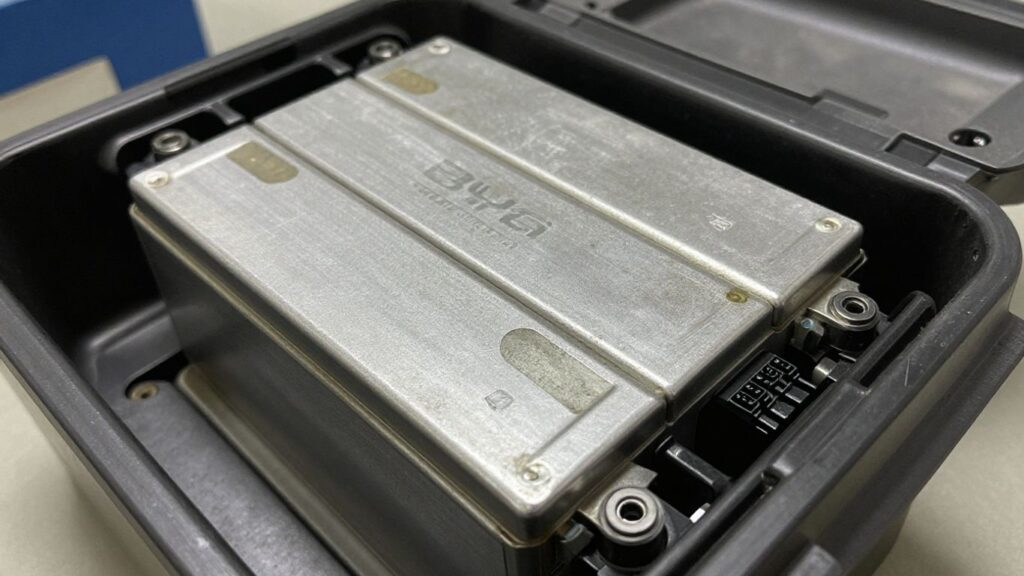
When looking at a used BYD battery, remember these main points to make sure you get a good deal and avoid future problems. It’s all about being smart with your checks.
Key Takeaways
- Always check the battery’s State of Health (SoH) and how much warranty is left.
- Understand the car’s charging history – too much fast charging can wear out the battery faster.
- Use diagnostic tools or get a professional inspection to get a clear picture of the battery’s condition.
- Inspect the charging port and make sure you have the right cables for your home setup.
- Don’t forget to check the rest of the car, like tires, brakes, and electronics, and verify the seller’s details.
Assessing Battery State of Health and Remaining Warranty
Understanding State of Health (SoH) Metrics
When you’re looking at a used electric car, the battery is obviously the big one. You want to know how much life it’s got left. This is usually talked about in terms of ‘State of Health’ or SoH. Think of it like the battery’s fitness level – 100% is peak condition, and lower percentages mean it’s lost some of its original juice. Most manufacturers offer a warranty that covers the battery for about 8 years or 100,000 miles, often guaranteeing it won’t drop below 70% capacity within that time. So, knowing the current SoH helps you figure out how much of that warranty is still available.
- In-Vehicle Display: Some cars show a rough estimate of range when fully charged, which you can compare to the original specs. It’s not a direct SoH number, but it gives you an idea.
- OBD-II Scanners & Apps: Using a scanner plugged into the car’s port with a smartphone app can often give you a more precise SoH percentage. It’s like getting a direct reading from the battery’s brain.
- Third-Party Reports: Services exist that can provide detailed battery health reports, giving you an independent assessment.
Battery degradation is a normal part of any rechargeable battery’s life. Over time, factors like heat, how often it’s charged, and just plain age will cause it to lose some capacity. The good news is that EV batteries are built to last, and most still have plenty of life left even after several years.
Evaluating Warranty Coverage and Transferability
Beyond just the battery’s current health, you absolutely need to look into the warranty. Most BYD batteries come with a pretty solid warranty, usually around 8 years or 100,000 miles. This is your safety net against major issues. It’s super important to find out exactly how much time and mileage is left on that warranty. Also, check if the warranty can be transferred to you. Some warranties are tied to the original owner, which would be a real bummer if you’re buying used. You don’t want to be stuck with a battery problem and no manufacturer backing. Always ask for documentation related to the battery warranty and confirm its transferability. This is a key part of used EV price assessment.
Signs of Excessive Degradation
So, how do you spot a battery that’s seen better days? Look for a noticeable drop in range compared to what the car originally offered, even accounting for normal wear. If the car consistently shows a much lower estimated range than expected for its age, that’s a red flag. You might also notice the battery drains faster than it used to, especially during colder weather or when using climate control. Some cars might even show warning lights related to the battery system. Don’t just take the seller’s word for it; do your own checks.
Checking for Battery Repairs or Replacements
Has the battery pack ever been repaired or replaced? This is a big question. A repaired battery might be fine, but it’s good to know the history. If it was replaced, was it with a new or refurbished unit? Was it done by an authorized service center? Ask for service records or check the vehicle’s history report. Sometimes, a battery replacement can be a good thing if the original was faulty, but it’s still information you need to have. A battery swap can significantly impact the car’s value and future performance. If the seller can’t provide clear information about any battery work, it might be best to walk away or get a very thorough inspection. You can find more about battery health checks on recurrentauto.com.
Evaluating Battery Usage and Charging History
So, you’re looking at a used BYD, and the battery is obviously a big deal. But how do you know how it’s been treated? It’s not just about how old it is; it’s about how it’s lived its life. Think of it like buying a used phone – you want to know if it was constantly drained to 1% or if it was babied.
Analyzing Fast Charging Versus Standard Charging Patterns
This is a big one. Constantly hitting up those super-fast chargers, while convenient, can put more stress on a battery over time compared to slower, standard charging. It’s like sprinting everywhere versus taking a brisk walk – one wears you out faster. If the previous owner was always on the go and relying on DC fast charging, the battery might show more wear.
- Frequent DC Fast Charging: Can accelerate degradation. Look for signs of this if the car was used for long commutes or road trips.
- Mostly Standard AC Charging: Generally gentler on the battery, promoting a longer lifespan.
- Mixed Usage: The most common scenario, but understanding the balance is key.
A battery that’s been primarily charged at home overnight using a Level 2 charger is likely in better shape than one that’s seen daily DC fast charging.
Reviewing Maintenance and Service Records
Did the previous owner actually take care of the car? Service records are like a diary for the vehicle. They can tell you if the battery was ever checked, if there were any software updates related to battery management, or if any specific issues were addressed. A car with a clean service history, especially one showing regular check-ups, is usually a safer bet. You can often get a good idea of the car’s history through a vehicle history report, which might flag major service events.
Identifying High-Mileage or Fleet Usage
This is where you need to be a bit of a detective. A car with 100,000 miles driven mostly on highways for business might have a battery that’s less stressed than a car with 50,000 miles driven exclusively in stop-and-go city traffic. Fleet vehicles, in particular, can rack up miles quickly and might have been driven harder or charged less optimally. If the car was part of a rental fleet or a company car program, ask about their charging policies and maintenance schedules. It’s worth checking if the EV was fleet-used or had a pack swap.
Examining Charging Behavior for Long-Term Impact
Beyond just fast vs. slow charging, think about how the car was typically plugged in. Was it often left plugged in for days after reaching full charge? Was it frequently charged to 100% and then immediately driven hard? While modern battery management systems are pretty smart, extreme habits can still have an effect. Some experts suggest avoiding charging to 100% unless you need the full range for a long trip, and not letting it sit at very low or very high states of charge for extended periods. It’s a bit like how you’d treat your own phone to make it last longer.
Understanding how the battery was used and charged is just as important as its current state of health. It gives you clues about its future potential and how much life it might realistically have left.
Testing with Diagnostic Tools and Inspection Methods
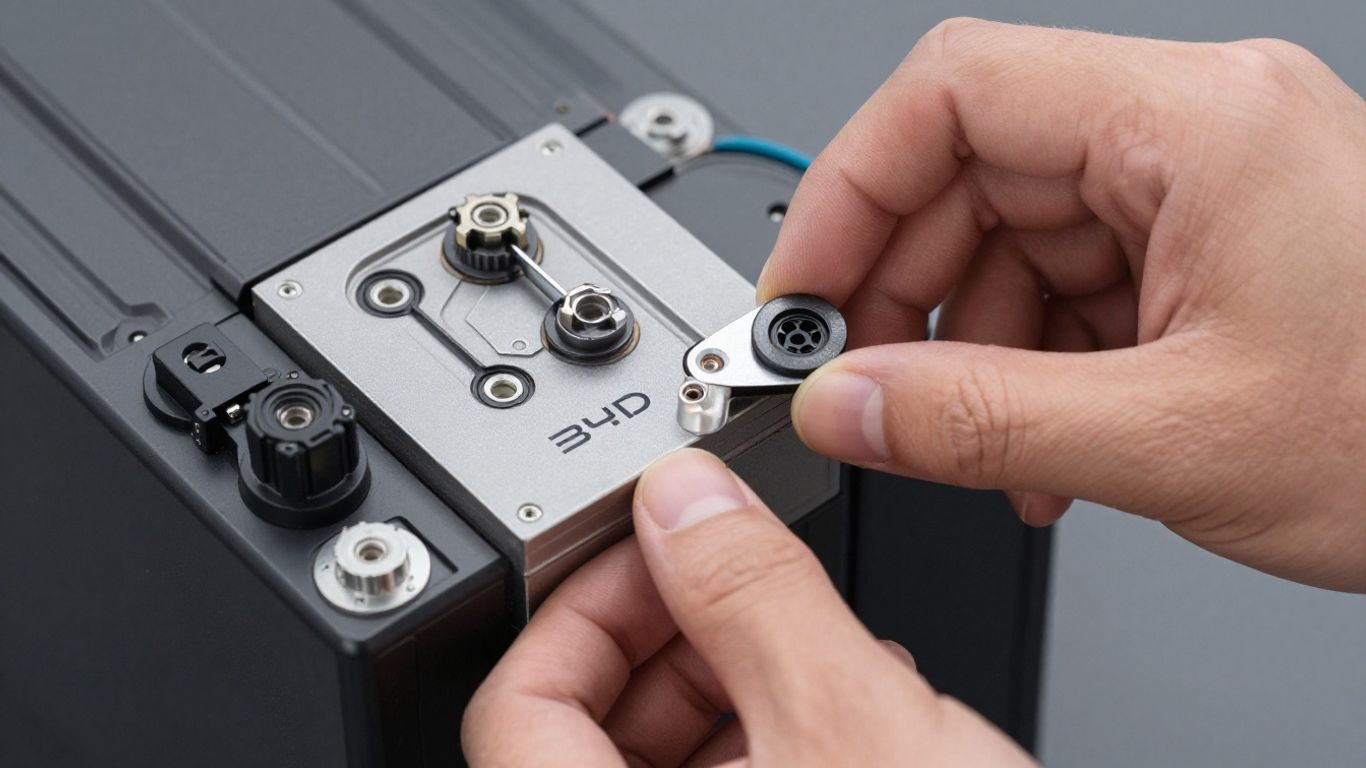
Okay, so you’ve looked at the paperwork and kicked the tires, but how do you really know if that BYD battery is any good? This is where we get a bit more hands-on. Unlike old gas cars, EVs have a lot of complex electronics, and the battery is the big one. It’s not always easy to get a clear picture, but there are definitely ways to check.
Utilizing OBD-II Scanners and EV-Specific Apps
This is probably your best bet for getting some real data without needing a mechanic. You’ll need an OBD-II scanner – they’re pretty affordable these days – and a smartphone. There are tons of apps out there designed specifically for EVs. Some can pull information directly from the car’s battery management system. Think of it like getting a quick health check-up for the battery. You can often see things like the battery’s State of Health (SoH), voltage levels, and maybe even how many charge cycles it’s been through. It’s not always perfect, and compatibility can vary a lot between different car brands and models, but it’s a solid starting point. Some apps are even designed to work with specific brands, giving you more detailed info. You might even find apps that help you understand your charging history.
Scheduling Pre-Purchase Inspections with EV Technicians
If you’re serious about a particular car and want to be absolutely sure, booking a pre-purchase inspection (PPI) with a qualified EV technician is a smart move. These folks have the specialized tools and knowledge to really dig deep. They can perform more in-depth battery tests that go beyond what a simple app can do. They’ll also be able to spot any other potential issues with the car’s electrical system that you might miss. It costs a bit, sure, but it could save you a massive headache and a lot of money down the road if there’s a hidden battery problem.
Comparing Estimated Range to Original Specifications
This is a simpler, more visual check you can do yourself. When you look at the car, see what the estimated range is when it’s fully charged. Then, do a quick search for the original, factory-set range for that specific BYD model. If the current estimated range is significantly lower than what it was when new, that’s a pretty good sign the battery has degraded. It’s not a super precise measurement – things like tire pressure and driving style affect range too – but a big difference is a red flag. It’s a good way to get a rough idea of battery wear.
Verifying Results with Third-Party Battery Health Reports
Sometimes, you can get even more detailed reports. Certain companies specialize in assessing EV battery health. They might use sophisticated equipment to run tests and provide a comprehensive report. This can be particularly useful if you’re buying from a private seller who doesn’t have access to dealership-level diagnostic tools. While these reports might cost extra, they can offer a level of certainty that’s hard to get otherwise. It’s like getting a second opinion from a battery specialist. If you’re looking at importing a vehicle, understanding how different markets handle these reports might be useful, similar to how French tax authorities have specific procedures for non-residents.
Inspecting Charging Ports, Cables, and Compatibility
When you’re looking at a used BYD, don’t forget to give the charging gear a good once-over. It might seem minor, but a damaged port or missing cable can turn into a real headache and a costly repair down the line. Plus, you need to make sure it actually works with the charging setup you have at home or the public chargers you plan to use.
Checking Physical Condition of Charge Ports and Pins
First things first, take a close look at the car’s charging port. Open it up and check for any signs of damage. Are there any bent pins inside? You don’t want to see any black marks, which could indicate arcing from a bad connection. Also, make sure the little flap or cover closes properly and that any locking mechanism feels secure. A clean port is a good sign, but if you see dirt or moisture, it’s worth noting. For a quick clean, you can use a dry microfiber cloth or, if needed, a bit of isopropyl alcohol on the contacts. Just be sure it’s completely dry before you try charging.
Ensuring Included Charging Cables and Adapters Are Present
This is a big one. Many used EVs don’t come with all the original charging equipment, and buying replacements can be surprisingly expensive. You’ll want to see if the car includes the portable charging cable, often called a Level 1 charger, which plugs into a standard wall outlet. If you plan on using public fast chargers, you’ll need to confirm if the correct cables or adapters are included. For example, if the car uses a CCS connector for fast charging, make sure you have the right cable for that. Missing adapters can really limit your charging options, so ask about them. You can find out more about maintaining your BYD Seal’s charging port by checking out this guide.
Matching Charging Standards With Your Home Setup
EV charging standards can be a bit confusing, and they vary by region. You need to make sure the car’s plug type matches what’s available where you live. In North America, most EVs use the J1772 connector for Level 2 charging and CCS1 for DC fast charging. If you’re looking at an imported BYD or an older model, it might have a different plug. It’s important to verify that the car’s charging port and the included cables are compatible with your home charging station and the public charging network you intend to use. If there’s a mismatch, you might need to budget for an adapter. It’s a good idea to check the owner’s manual for specific details on your BYD model’s charging connectors.
Don’t overlook the charging components. A damaged port or missing cable isn’t just an inconvenience; it can be a significant unexpected expense. Always confirm compatibility with your local charging infrastructure before you buy.
Protecting Yourself When Buying from Dealers and Private Parties
Alright, so you’ve zeroed in on a used BYD, and now it’s time to talk about where you’re actually going to buy it from. This makes a pretty big difference, honestly. You’ve got dealers on one side and private sellers on the other, and each has its own set of pros and cons.
Comparing Certified Pre-Owned Benefits versus Private Sales
Buying from a dealer, especially one offering a certified pre-owned (CPO) program, can give you some extra peace of mind. These programs usually mean the car has gone through a more thorough inspection, sometimes even using specialized battery health equipment. Plus, you might get a limited warranty extension or even roadside assistance thrown in. It’s like a safety net, but it usually comes with a higher price tag. Private sales, on the other hand, can be a lot cheaper. You’ve got more room to haggle, which is always nice. But, and this is a big ‘but’, you’re pretty much on your own. You’ve got to be extra diligent.
- Dealer Advantages:
- Often includes CPO inspections and potential warranty.
- May offer financing options or incentives.
- Generally more straightforward paperwork.
- Private Sale Advantages:
- Typically lower purchase price.
- Greater negotiation flexibility.
- Direct interaction with the previous owner.
Requesting Full Vehicle History Reports
No matter who you’re buying from, always, always get a full vehicle history report. Think Carfax or AutoCheck. This report is like a background check for the car. It can tell you if the car has been in any accidents, if the odometer has been tampered with, or if there are any title issues. It’s a small cost that can save you from a massive headache down the road. For BYD models, especially if you’re looking at imports, understanding the sourcing can be complex, but comparing options like global sourcing experts alongside local dealers can reveal significant financial differences.
Verifying Seller Reputation and Documentation
When you’re dealing with a private seller, take a moment to check out their reputation if you can. Are they a long-time local, or someone who seems a bit shady? For dealers, look up reviews online. See what other customers are saying. Beyond that, make sure you get all the paperwork. This includes the title, registration, and any service records the seller has. For EVs, even though they need less maintenance than gas cars, records of software updates or battery checks are still important. Don’t be afraid to ask questions; a reputable seller won’t mind.
When buying any used electric vehicle, whether from a dealership or an individual, it’s wise to treat it like any other used car purchase but with added steps focused on the battery system. This means looking beyond just the sticker price and digging into the details that matter for long-term ownership and performance.
It’s also a good idea to confirm what charging accessories are included. Missing cables or adapters can add hundreds of dollars to your initial cost. You’ll want to make sure the car’s charging port and included cables are compatible with your home setup and local charging infrastructure. This is especially true if you’re looking at models that might have different charging standards depending on their origin.
Evaluating Overall Vehicle Condition Beyond the Battery
So, you’ve looked into the battery, which is obviously a huge part of buying a used EV. But don’t forget the rest of the car! A car is more than just its power source, right? You still need to check out the usual stuff you’d look at on any used car, whether it runs on gas or electricity.
Inspecting Tires, Brakes, and Suspension
These are the parts that keep you safe and comfortable on the road. Worn tires can be a big expense right off the bat, and you’ll want to check for even wear. Uneven wear can point to alignment issues, which might mean bigger problems down the line. Give the tires a good look – check the tread depth and look for any cracks or bulges. For the brakes, you’re looking for how much pad is left and if the rotors are smooth or grooved. A quick test drive should tell you if the brakes feel spongy or if the car pulls to one side when you brake. As for the suspension, try to push down on each corner of the car. It should bounce just once or twice and then settle. If it keeps bouncing, the shocks or struts might be shot. You can also listen for any clunks or rattles when you go over bumps.
Testing Electronic and Interior Functions
Modern cars, especially EVs, are packed with electronics. It’s easy to overlook these things, but a malfunctioning infotainment system or a dead power window can be super annoying and costly to fix. Go through everything: test all the power windows and locks, the climate control (make sure the AC and heat work properly), the radio, navigation system, and any other screens or buttons. Check the interior for excessive wear and tear, stains, or strange smells. A clean interior usually means the previous owner took decent care of the car. Don’t forget to check the lights, turn signals, and wipers too.
Reviewing Body Panels for Damage or Rust
Even if the battery is great and the electronics work, a car with hidden body damage or rust might not be worth the trouble. Walk around the car and look at the paint. Do the panels line up correctly? Are there any dents, scratches, or signs of repainting (which could hide accident damage)? Pay close attention to the wheel wells, rocker panels (under the doors), and the bottom of the doors, as these are common spots for rust to start, especially in areas with harsh winters. If you see any rust, try to figure out how bad it is. Surface rust might be okay, but if it’s bubbling up or has eaten through the metal, that’s a much bigger problem. It’s always a good idea to get a professional opinion if you’re unsure about the bodywork. You can often find certified pre-owned BYD vehicles that have already passed rigorous inspections, which can give you more confidence.
Remember, a used EV is still a car. While the battery gets a lot of attention, the rest of the vehicle needs a thorough check-up just like any other used car. Don’t let the focus on the battery make you skip the basics of vehicle inspection.
Recognizing the Importance of Software and Updates
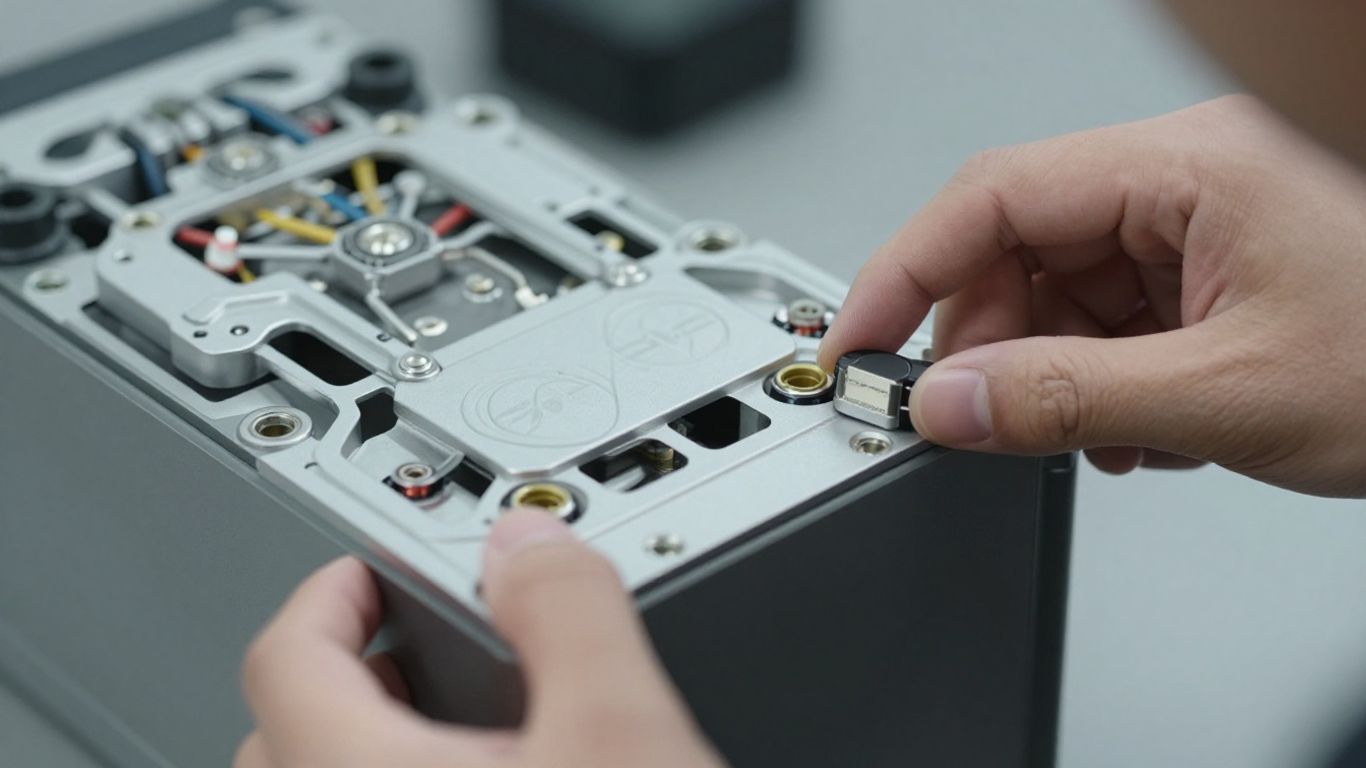
Think of your BYD’s software like the operating system on your computer or phone. It’s not just about making the lights turn on; it controls how the battery performs, how efficiently it charges, and even how much range you get. Keeping the software up-to-date is just as important as checking the physical battery health. Manufacturers regularly release updates, often called Over-The-Air (OTA) updates, that can fix bugs, improve performance, and sometimes even add new features. It’s a good idea to ask the seller if the car has been receiving these updates. If a car has been sitting for a while or is an older model, its software might be quite out of date, which could affect its performance or even void certain warranty aspects if it’s severely outdated.
Confirming Regular Software Updates and No Outstanding Recalls
When you’re looking at a used BYD, you’ll want to make sure it’s been kept current with its software. This isn’t just about getting the latest infotainment features; it can directly impact the battery’s management system. Updates can optimize charging speeds, improve thermal management, and generally make the battery last longer. It’s also a good idea to check for any outstanding recalls. Manufacturers issue recalls to fix safety issues or significant problems, and these often involve software fixes. You can usually check for recalls using the vehicle’s VIN (Vehicle Identification Number) on the manufacturer’s website or by asking a dealership. Not having these updates or ignoring recalls could lead to problems down the road, and sometimes, a manufacturer might even deny a warranty claim if the vehicle’s software is significantly out of date.
Understanding Battery Management Software Transparency
Some carmakers are getting better at showing you what’s going on with your battery. Newer models might have a section in the car’s display that gives you an idea of the battery’s health, often by showing the estimated range compared to when it was new. While this isn’t always a direct percentage of battery health, it’s a step towards transparency. It helps you get a feel for how much capacity might have been lost over time. Unfortunately, not all EVs are created equal in this regard. Some still don’t offer much insight into the battery’s condition through their built-in systems. This is where third-party tools can come in handy, but it’s always best if the manufacturer provides some level of built-in information. You want to know what you’re buying, and the software plays a big part in that.
Identifying Potential Software Lock-Ins or Limitations
This is a bit of a trickier area, but it’s worth considering. Sometimes, certain features or even the battery’s performance might be tied to specific software versions or even regional settings. For example, if the car was originally sold in a different country, there might be limitations on charging networks or software compatibility when it’s brought to your region. You also want to make sure there aren’t any software ‘lock-ins’ that prevent you from using certain diagnostic tools or making necessary repairs. While less common, it’s something to be aware of. If the car has been well-maintained and updated regularly, you’re less likely to run into these kinds of issues. Checking the vehicle’s history can sometimes reveal if there have been any unusual software-related problems.
The software in an electric vehicle is a complex system that manages everything from power delivery to charging. Regular updates are not just about new features; they are vital for maintaining optimal battery performance, efficiency, and longevity. Ignoring software maintenance can lead to unexpected issues and potentially impact the vehicle’s value and drivability.
Here’s a quick rundown of what to look for:
- Check for recent software updates: Ask the seller about the last update and if they were done via OTA or at a service center.
- Inquire about recalls: Verify that all manufacturer recalls have been addressed.
- Look for battery health indicators: See if the car’s system provides any data on battery capacity or estimated range.
- Consider the charging network compatibility: Ensure the software supports the charging infrastructure in your area.
It’s also worth noting that some BYD vehicles come with certified pre-owned benefits that might include extended software support or checks, which can offer extra peace of mind.
Conclusion
Buying a used EV, especially a BYD, can be a smart move. The market is getting better, and prices are more reasonable. By focusing on the battery’s health, checking its history, and making sure all the other parts of the car are in good shape, you can find a great deal. Don’t forget to look at the warranty and any software updates. Taking your time and doing your homework means you’ll get a reliable electric car that will serve you well for a long time.
Frequently Asked Questions
What is “State of Health” (SoH) for a BYD battery?
Think of SoH like a battery’s fitness level. It tells you how much of its original power the battery still has. A battery with 90% SoH is in great shape, meaning it can still hold almost all the power it had when it was brand new. A lower number means it’s a bit more worn out.
How can I check the battery’s SoH on a used BYD?
You can often use special tools called OBD-II scanners with apps on your phone. These tools can read the battery’s info directly from the car. Sometimes, the car’s own screen might give you an idea of its range, which can hint at the battery’s health. Getting a mechanic to check it is also a good idea.
Is it okay if a used BYD battery has been fast-charged a lot?
While fast charging is convenient, doing it all the time can make the battery wear out a bit quicker over many years. It’s good to know if the car was mostly charged at home (standard charging) or if it used fast chargers very often. A car with a history of mostly standard charging might have a healthier battery.
What should I look for in the battery warranty?
BYD, like most EV makers, offers a long warranty on the battery, usually around 8 years or 100,000 miles. You need to check how much of this warranty is still left. Also, find out if the warranty can be transferred to you, the new owner.
Besides the battery, what else is important to check on a used BYD?
You should check everything a regular used car buyer would: tires, brakes, suspension, and all the electronic gadgets inside like the lights, radio, and air conditioning. Make sure there’s no rust and that the body panels look okay. A car that’s well-maintained overall is usually a better buy.
Can I check if the BYD’s software is up to date?
Yes, it’s smart to ask about software updates. Manufacturers release updates to improve how the car runs, including the battery system. You should also check if there are any safety recalls that haven’t been fixed yet. A car with current software and no pending recalls is safer and usually works better.