Key Takeaways
Sourcing replacement parts for your electric vehicle in Victoria requires an understanding of regional supply chains and localized storage hubs. This guide outlines the essential steps to secure authentic components, preserve your factory warranty, and navigate local distribution.
- BYD is establishing a massive 20,000 square meter parts warehouse in Melbourne to drastically reduce fulfillment wait times.
- Sourcing original OEM parts is critical for maintaining vehicle warranty compliance and ensuring long-term road safety.
- The vehicle identification number (VIN) is the most reliable tool for cross-referencing components across different model years.
- Authorized service centers provide guaranteed compatibility and professional fitting, while independent stockists offer rapid delivery for common accessories.
- Proper documentation of all part installations is vital for protecting the residual value of your electric vehicle.
Understanding the BYD parts ecosystem in Melbourne
The landscape of electric mobility in Victoria is shifting rapidly as thousands of new energy vehicles hit the roads. Sourcing correct replacement components has quickly become a priority for both individual owners and local repair networks. To keep pace with this demand, the manufacturer’s infrastructure is undergoing a significant physical expansion across the metropolitan area.
The rise of BYD vehicle adoption in Victoria
Victorian drivers have embraced electric vehicles at an unprecedented rate, transforming the state into a major hub for zero-emission transportation. This rapid influx of high-density battery vehicles has naturally placed a spotlight on the availability of maintenance components. As more pre-owned electric cars enter the secondary market, owners look to protect their investments. Navigating these modern digital landscapes is not unlike how businesses manage complex digital marketing challenges when trying to establish trust in a fast-evolving market. Sourcing local components has moved from a niche pursuit to a mainstream necessity.
How the regional supply chain works for Australian owners
The supply chain for imported electric vehicle components relies on coordinated maritime freight and domestic logistics hubs. Originally, most replacement items were dispatched from a single central depot in New South Wales, which occasionally led to overland transit lags. To mitigate these bottlenecks, significant investments are being made to decentralize inventory. Having a local storage point ensures that routine items like cabin filters, brake pads, and body panels do not have to travel interstate for every minor repair, keeping off-road times to a minimum.
Locating the primary distribution hubs for authorized components
To drastically improve parts availability, the manufacturer is establishing a dedicated BYD parts warehouse Melbourne facility spanning 20,000 square meters. This massive regional hub is strategically positioned within Melbourne’s industrial corridors to streamline dispatches to local dealerships and certified body shops. By positioning high-demand inventory closer to Victorian motorists, the brand aims to raise its first-fill rate and eliminate the lengthy customs delays that previously plagued imported EV components.
Authorized BYD service centers versus independent suppliers
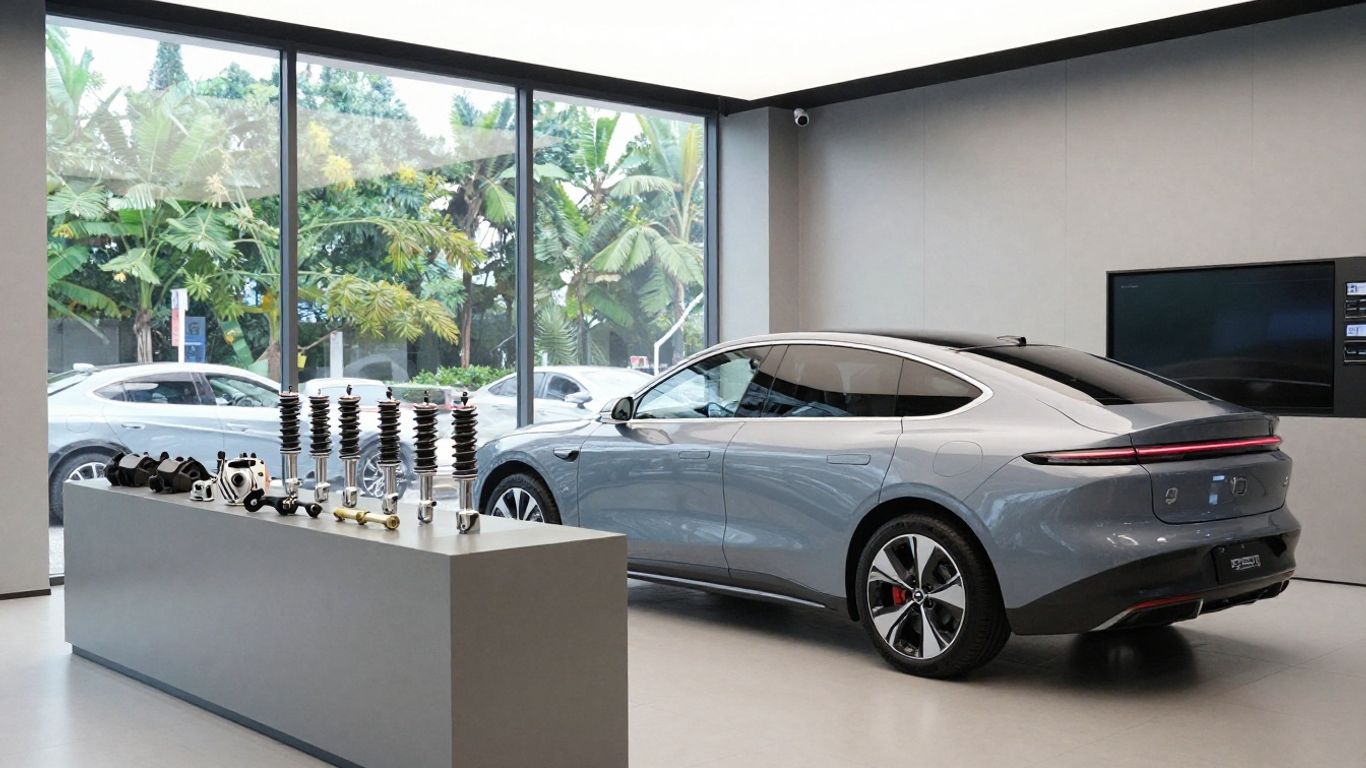
Choosing where to purchase replacement components involves weighing the guaranteed fit of authorized dealerships against the immediate availability of select items from third-party retailers. Both pathways serve distinct roles in the wider automotive ecosystem, but they carry different implications for your vehicle’s complex electrical architecture.
Benefits of using official BYD service centers for replacements
Official service centers offer direct access to factory-trained technicians and the exact parts catalog specified by the design engineers. When you source parts directly through these authorized channels, you buy components that have undergone rigorous safety and performance testing specifically for right-hand-drive Australian models. This is particularly crucial for sophisticated solid-state electronics, cooling system linkages, and battery management sensors that dictate the car’s overall efficiency.
Risks associated with non-genuine aftermarket alternatives
Opting for non-genuine parts can introduce unexpected vulnerabilities into your vehicle. While a generic cabin filter or wiper blade rarely poses a systemic threat, using unapproved electrical relays, high-voltage wiring, or suspension bushings can compromise the car’s structural integrity and active safety systems. For example, in legal disputes like those involving a Lyft accident attorney, third-party modifications or substandard repairs are heavily scrutinized during liability assessments. Non-genuine components may fail to communicate correctly with the vehicle’s onboard computers, triggering persistent dashboard fault codes.
Finding verified local stockists for specific vehicle model ranges
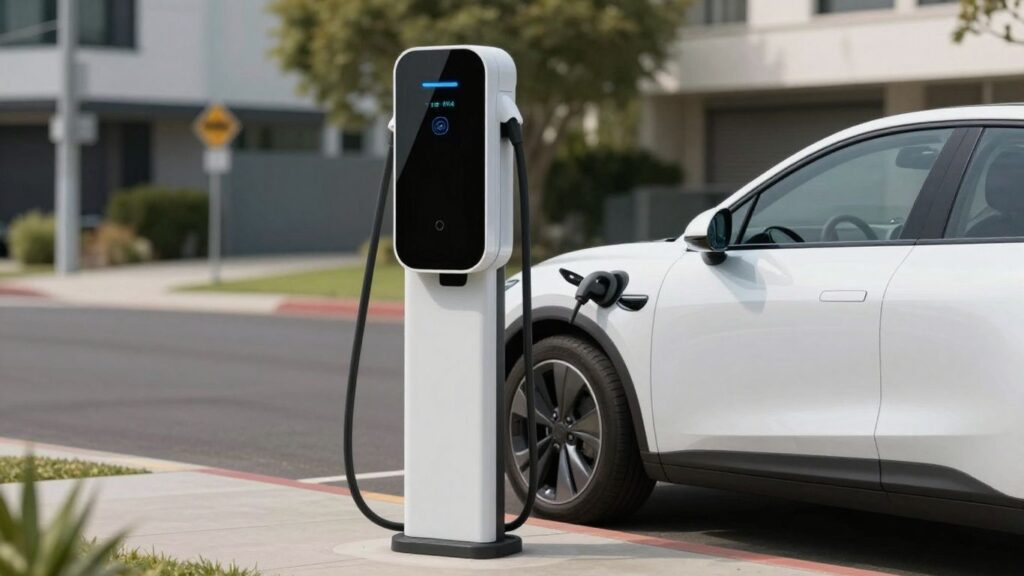
For owners looking to customize or maintain their vehicles outside of major mechanical overhauls, finding verified local stockists is essential. Specialized retailers like EV Accessories Australia offer a reliable bridge, supplying high-quality, practical additions such as mudflaps, custom floor mats, and protective interior covers. These items are designed to complement the vehicle without altering its core mechanical systems.
We can compare the primary pathways for acquiring parts in the table below:
| Procurement Attribute | Authorized Service Center | Independent Accessory Stockist |
|---|---|---|
| Inventory Focus | High-voltage, mechanical, structural | Protection, styling, cabin comfort |
| Warranty Impact | Guaranteed compliant | Capitalizes on non-mechanical items |
| Fitting Options | Dealer technician installation | DIY or independent mechanic placement |
Sourcing from a verified stockist ensures that even simple cosmetic upgrades do not degrade the premium feel of your vehicle’s cabin.
Identifying the correct parts for your BYD model
Correct component identification is the most critical step in any repair process, especially given the subtle mid-generation updates that electric vehicles frequently receive. Relying on visual comparison alone is rarely sufficient when dealing with precise electronic modules.
Using your vehicle identification number to ensure compatibility to ensure compatibility
Your 17-character Vehicle Identification Number (VIN) serves as the ultimate DNA profile for your car. Stamped on the driver’s side door pillar or visible through the lower passenger side of the windshield, this code contains precise data indicating the exact factory of origin, production month, battery capacity, and drive configuration. Providing this number to the parts desk ensures you receive components engineered for your specific production block.
Cross-referencing part numbers for Atto 3, Dolphin, and Seal models
While the Atto 3, Dolphin, and Seal are built on the shared e-Platform 3.0, many of their internal systems differ substantially. Cross-referencing part numbers ensures that shared components—such as specific braking hardware or steering rack bushings—are indeed cross-compatible before you begin installation. Using the wrong part number can cause system conflicts during calibration, leading to costly diagnostic sessions to clear electronic faults in the vehicle control modules.
Accessing resources for digital parts catalogs and diagrams
Many official retail networks, including those operated by the EVDealer Group, utilize proprietary digital databases to match components to specific models. While public access to these highly detailed exploded diagrams can be limited, consulting with parts representatives who have direct access to factory schematics is the safest way to ensure compatibility. This professional verification steps around the trial-and-error approach that often frustrates DIY enthusiasts.
Practical steps for ordering parts in Melbourne
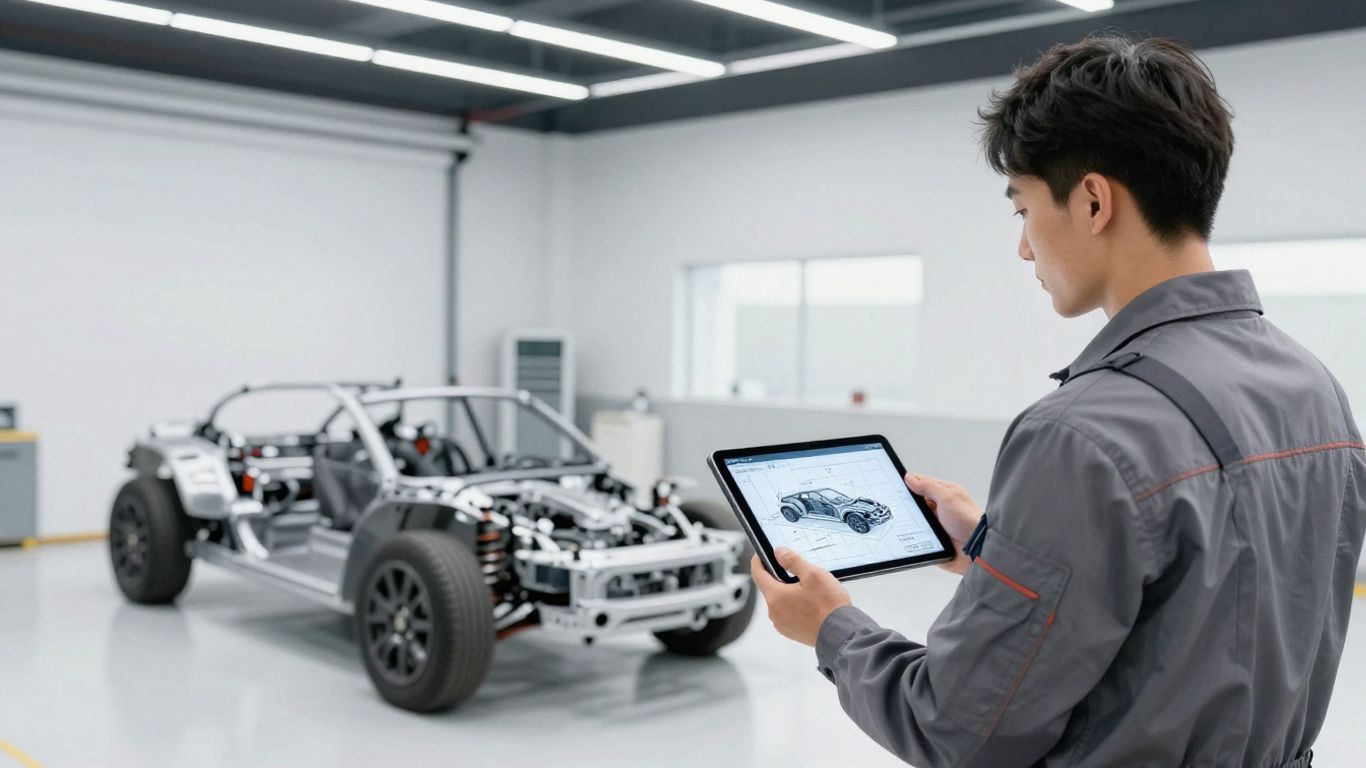
Once you have identified the required components, navigating the ordering process smoothly requires understanding how local parts departments handle inquiries and payments.
Navigating manufacturer appointment portals for component requests
Most modern dealerships prefer that parts inquiries be initiated through their official online portals or designated service request forms. This digital approach allows parts interpreters to look up your vehicle details prior to contacting you, reducing phone queue wait times. It also creates a clear paper trail for special-order items that must be shipped directly from regional storage centers.
Communicating with parts departments for technical inquiries
When speaking with a parts interpreter, clear communication is paramount. Always have your VIN, the exact part name, and any numbers cast directly into the old component ready. If you are diagnosing a complex electrical issue, explain the symptoms clearly to help the staff identify if there are updated wiring harnesses or companion clips that must be ordered alongside the primary part to complete the job successfully.
Payment methods and order processing for individuals versus professional mechanics
Payment terms and order processing systems differ depending on whether you are acquiring parts as an retail customer or a commercial automotive workshop. Retail buyers typically pay upfront via credit card or digital payment systems at the counter. Commercial workshops, however, often establish trade accounts that allow for monthly invoicing, wholesale pricing tiers, and prioritized delivery schedules to keep their service bays moving.
To understand the typical steps involved in the retail ordering process, refer to the following workflow:
- Locate your vehicle’s VIN and take clear photos of the damaged or worn component.
- Submit an online inquiry form via your nearest Melbourne dealership’s parts portal.
- Acknowledge and approve the digital quote provided by the parts interpreter.
- Complete the secure online payment to initiate dispatch from the Melbourne warehouse.
- Receive SMS confirmation once your order is sorted and ready for collection or shipping.
This structured approach minimizes the risk of incorrect shipments and ensures your car’s repair schedule stays on track.
Shipping, collection, and lead times for BYD components
Efficient logistics are the backbone of any automotive repair, determining how quickly your vehicle can return to the road after a component failure.
In-store pickup options at Melbourne metropolitan locations
For local buyers in Victoria, over-the-counter collection at metropolitan dealerships like BYD Melbourne City offers the fastest way to get your hands on standard components. This option eliminates processing and courier shipping transits, making it ideal for mobile mechanics or weekend DIYers who need to complete a fast turnaround on simple wear-and-tear items.
Managing standard delivery timeframes for non-stocked items
If a component is not actively held in local Victorian inventory, it must be sourced from the central interstate warehouse or ordered directly from overseas factories. Standard domestic freight for backordered items generally takes several business days, while specialized international air freight can take longer. Knowing these timelines ahead of time helps you schedule vehicle down-time without unexpected disruptions to your daily routine.
How to track high-value component transit across the state
When high-value electrical components, such as onboard chargers or traction battery modules, are dispatched, they are managed via registered freight networks. Tracking these shipments requires coordinated tracking numbers and direct liaison with the freight provider. Much like tracking specialized financial activities—such as evaluating performance data on ELITE Tape to see which trading instruments are moving—monitoring high-value physical cargo requires precise reference numbers to ensure safe and timely arrival.
Maintaining your vehicle warranty through genuine parts usage
Preserving your vehicle’s factory warranty is incredibly important for protecting its long-term resale value and ensuring all safety systems perform exactly as engineered.
Requirements for official manufacturer warranty compliance
Under Australian Consumer Law, you have the right to service your vehicle at independent workshops; however, the parts used must be of equivalent quality to original equipment. Using substandard aftermarket components that subsequently cause a failure in adjacent systems can void your warranty coverage for those related repairs. To stay fully compliant, utilizing factory-approved components is always the safest course of action.
Documentation needed when installing parts yourself
If you choose to undertake simple replacement tasks yourself, keeping immaculate records is vital. This includes preserving all tax invoices detailing the part numbers purchased, taking photographic evidence of the installation, and logbook entries. This mirrors patient management practices where verifying coverage details, such as understanding what patients pay during an active health insurance deductible, relies on clear documentation. Thorough records prove to future buyers and warranty administrators that your vehicle was maintained to correct standards.
Long-term value and safety implications of using OEM components
Investing in original equipment manufacturer (OEM) components preserves the structural safety cells and complex crumple zones designed into your vehicle. It also ensures that the vehicle behaves predictably in emergency maneuvers. Just as students at the Total Guitar Transformation Academy rely on structured methodology and proper tools to master their craft, car owners rely on precise OEM engineering to keep their cars performing flawlessly over hundreds of thousands of kilometers.
Conclusion
Sourcing replacement components for your vehicle in Melbourne has become a highly efficient process, thanks to substantial investments in local warehousing and authorized regional distribution channels. By utilizing your vehicle’s VIN, prioritizing genuine OEM parts, and maintaining meticulous service records, you can keep your vehicle running at peak performance while protecting your warranty and future resale value. Whether you choose to work with authorized dealerships or specialized accessory suppliers, taking a systematic approach to parts procurement ensures your modern electric vehicle remains safe, reliable, and enjoyable to drive on Victorian roads.
Frequently Asked Questions
Where is the primary BYD parts warehouse in Melbourne located?
The primary 20,000 square meter regional parts warehouse is located in Melbourne’s industrial logistics corridor, designed to supply components efficiently across Victoria.
Can I buy genuine BYD parts directly from the manufacturer online?
Genuine parts are typically ordered and purchased through authorized dealership parts portals, service centers, or verified local stockists rather than direct-to-consumer online factory stores.
Will using non-genuine aftermarket parts void my vehicle warranty?
Using non-genuine parts will not automatically void your entire vehicle warranty, but any failures or damage caused directly by an unapproved or sub-standard aftermarket component will not be covered.
How do I use my VIN to find the correct parts for my car?
You can locate your 17-character VIN on the door pillar or windshield and provide it to an authorized parts interpreter, who will cross-reference it with the factory parts database.
What are the typical delivery times for parts not stocked in Melbourne?
If an item is not in stock at the Melbourne warehouse, standard domestic shipping from other states usually takes 3 to 7 business days, while international backorders can take longer.
Is it safe to install replacement cosmetic accessories myself?
Yes, installing non-mechanical cosmetic accessories such as floor mats, boot liners, or mudguards is generally safe and will not impact your vehicle’s mechanical warranty.
How can I verify that a local parts seller is a legitimate stockist?
You can verify stockists by checking their affiliation with authorized dealer groups or purchasing through established retail networks that specialize in electric vehicle accessories.