Key Takeaways
Ensuring the right component for your vehicle requires a systematic approach that balances physical inspection, digital verification tools, and manufacturer software protocols. By following these steps, you can safely source parts that restore original vehicle function without compromising safety or reliability.
- Perform a thorough visual examination of all mounting points and physical dimensions.
- Utilize VIN-specific catalogs to narrow your search to the exact component version.
- Verify firmware compatibility for electronic modules to prevent system-wide communication errors.
- Consult authorized service databases to compare cross-reference codes and part numbers.
- Always document the sourcing and verification process to protect your vehicle warranty coverage.
Understanding the BYD part identification system
Navigating the complex landscape of automotive sourcing requires deep familiarity with the manufacturer’s internal naming conventions. Because models undergo frequent updates, knowing how to interpret these markers is the first step toward successful procurement. Mastery of these systems helps you determine exactly how to verify used BYD part compatibility without ordering incorrect hardware.
Decoding VIN-specific part numbers
The Vehicle Identification Number is the ultimate source of truth when sourcing any replacement component. By inputting your specific string into a manufacturer-approved system, you ensure the parts pulled from a salvage donor match the chassis build exactly. This is especially true for BYD spare parts categories where subtle changes between production dates can render a generic sensor useless.
Locating the stamping or label on your existing unit
Before you search for a replacement, remove the original component to find any unique identifier stamps or printed adhesive labels. Often, these tags contain an abbreviated internal code that corresponds to the supplier’s specific batch or factory revision. If the label is faded or damaged, photographs of the surrounding geometry can serve as a vital secondary reference during your communication with salvage yards.
Distinguishing between global and regional BYD part iterations
Regional differences can dictate the inclusion or omission of specific environmental or safety modules that alter part requirements. A trim level sold in one market might use a different cooling sensor or electrical plug than an imported version sold elsewhere. Always clarify the origin of the donor vehicle to avoid sourcing a unit that lacks the correct local regulatory certification.
Assessing physical compatibility and dimensions
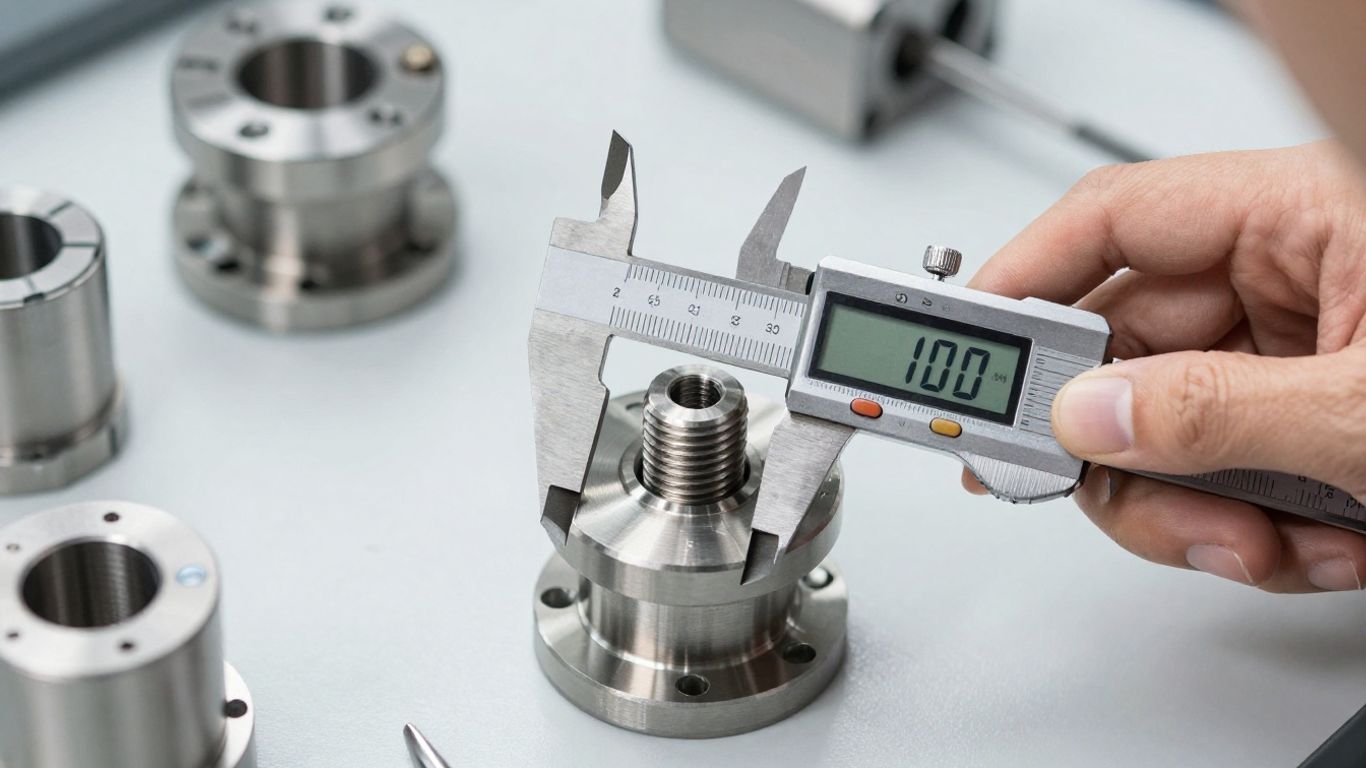
Physical verification is the literal foundation of a successful repair, as even a small discrepancy in casting or bolt hole alignment can prevent installation. Since modern vehicle frames are engineered to tight tolerances, you must rely on precise measurements rather than assuming that parts from similar-looking models are interchangeable.
Comparing visual geometry and mounting point alignment
When inspecting a used component, observe the overall structure to ensure it matches the original unit’s shape and frame connectivity. It is often helpful to use a simple checklist to compare key physical metrics during your inspection.
| Observation Point | Inspection Criteria | Result Status |
|---|---|---|
| Mounting Studs | Thread pitch and depth alignment | Acceptable |
| Casting Markings | Matching OEM serial numbers | Verified |
| External Finish | Corrosion and structural integrity | Inspected |
- Lay the replacement part side-by-side with the original unit.
- Confirm that all physical attachment hardware aligns perfectly with existing chassis points.
- Check for any non-factory modifications or aftermarket repair work.
- Ensure the structural casting thickness matches your current specification.
Evaluating wear patterns on mechanical used parts
Mechanical parts like control arms or steering components accumulate stress differently based on how the previous vehicle was driven. Look for unusual polishing or scoring on bushing surfaces that might signal internal pivot failure or metal fatigue. If the component shows excessive play, it will perform poorly even if it fits correctly within the host frame.
Measuring tolerance levels for electrical and sensor connectors
Electrical connectors must be inspected for pin count, orientation, and locking mechanism integrity. Even if two plugs look similar, the internal wiring configuration might differ, potentially causing short circuits or error codes when energized. Use a digital caliper to check the diameter of sensitive sensor mounts and ensure they sit perfectly flush, avoiding the risks of genuine BYD replacement parts being replaced by incompatible units.
Utilizing digital tools and databases for verification
Digital resources bridge the gap between human inspection and manufacturer engineering specifications. Using the correct online platform ensures that the parts you select are fully compatible with your specific build sheet.
Accessing authorized BYD electronic parts catalogs
Official catalogs provide the most accurate schematics, showing how a part integrates into the larger vehicle assembly. Relying on these exploded diagrams allows you to see the exact relationship between small secondary parts and the main assembly, preventing you from missing necessary brackets or hardware during the purchase.
Checking cross-reference codes against aftermarket databases
Cross-referencing is essential for identifying when a single physical part has been assigned multiple identification numbers over several years of production. This practice ensures you are not limited to one specific model year if a newer or older part version is technically identical and fully compatible with your configuration.
Leveraging online VIN decoders for specific powertrain configurations
Many accessoriesforbyd.com listings or general technical databases utilize VIN-based lookups to confirm which software or powertrain version a vehicle possesses. Because these systems are interconnected, the software build is just as critical as the physical mounting points when assessing compatibility. Using these tools helps you narrow down exact equipment lists without unnecessary guessing.
Software considerations for electronic control modules
Electronic components are fundamentally different from mechanical spares because they contain embedded code that must communicate with the rest of the car. Simply bolting a new module in place is rarely sufficient if the device remains mismatched to the current vehicle firmware.
Identifying BMS and module firmware version dependencies
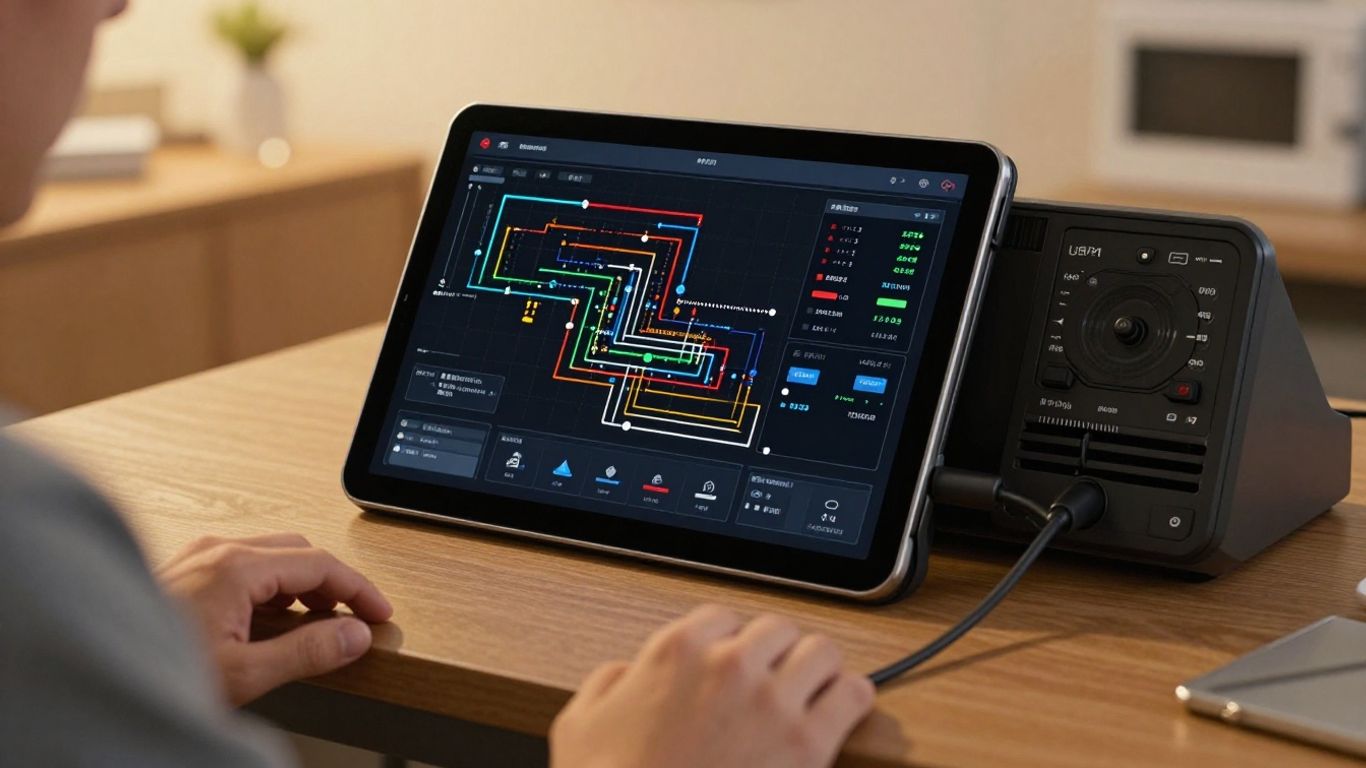
The Battery Management System and other controllers often run on specific software versions that require synchronization with the main computer. If the firmware version of a used module is too old or too new, the vehicle might reject it entirely, or it may function with reduced performance. Verify that your donor part supports a firmware version that is compatible with your vehicle’s current system state.
The role of professional diagnostic tools during installation
Installation of sensitive control units almost always requires a professional-grade diagnostic scanner to perform coding or pairing. These tools identify the hardware version currently present and bridge the gap between the new part and the vehicle network. Attempting to bypass this stage is a common source of persistent check-engine lights or feature deactivation.
Risks associated with software-locked or VIN-coded components
Some high-security modules are VIN-coded, meaning they are permanently linked to the original vehicle’s identity at the factory level. If a supplier sells you a unit that has not been properly cleared or unlocked, it will refuse to initialize on your car. Always ask sellers if the module has been unlocked and cleared of donor vehicle data to avoid a non-functional purchase.
Vetting used part suppliers for credibility
Credibility is as important as part quality when sourcing salvage items because professional sellers prioritize accurate documentation and transparent testing. This level of professional integrity helps protect you from paying for components that have already reached their end-of-life.
Authenticating the provenance of salvaged vehicle components
Legitimate suppliers track the complete history of their salvage inventory, ensuring that every piece originates from a legally verified source. You should look for suppliers who provide detailed logs about the donor vehicle’s mileage and the reason for its retirement. Knowing the history allows you to gauge whether the component was likely exposed to severe collision stress, which can lead to hidden internal damage.
Interpreting seller-provided warranties for used parts
Even limited warranties signify that a company stands behind its inspection and testing processes, at least for a short trial period. Read the terms closely to understand what is covered, especially for complex electronic units where functionality might not be clear until after professional installation. If a seller refuses any form of warranty or return policy, it is often a signal to avoid that listing entirely.
Identifying common red flags of counterfeit BYD auto parts
Always compare the finish, labeling, and general build quality against verified images found on reputable automotive retailers. Discrepancies in plastic texturing, misaligned paint, or logos that lack sharp resolution are classic signs that a part may be a poor-quality imitation rather than a genuine recycled component. Use 8860 as a reminder that overlooking these human-verified details can lead to long-term trust issues in your repair process.
Professional consultation and validation steps
Sometimes the complexity of modern engineering requires a second pair of eyes to confirm that your selected path is safe. Leveraging the expertise of those who manage these systems daily can save you hours of trial and error.
When to seek confirmation from a certified BYD technician
If you find yourself stuck between two seemingly similar part variants that have different price points, it is time to consult a technician. A professional can often tell you at a glance if a specific revision was superseded by a more reliable component, which might make the more expensive option a better choice in the long run. They also provide local advice similar to how BYD Auto NZ simplifies the local ownership experience.
Coordinating with dealership service departments for part matching
Service departments maintain access to the most updated bulletins and tech circulars that define what parts are officially interchangeable. They can often provide a definitive list of compatible part numbers that meet factory standards for your specific model year and geographic region. Calling ahead to confirm if they accept third-party parts for diagnostic coding can also simplify your overall project timeline.
Documenting verification steps to preserve remaining vehicle warranty
If your vehicle is still covered by a factory warranty, it is crucial to perform all repairs according to the manufacturer’s documentation to avoid invalidating the original agreement. Keeping a detailed file of each component sourced, including the donor VIN and any diagnostic reports, provides clear proof that the vehicle has been serviced ethically and correctly. This documentation serves as your primary defense and maintains the long-term value of your asset.
Conclusion
Successfully integrating a used part into your vehicle requires more than just a matching serial number; it demands a balanced approach combining meticulous sourcing, physical inspection, and professional software validation. By utilizing the official support resources and maintaining clear documentation of your process, you ensure the safety and longevity of your vehicle while managing costs effectively. Always prioritize authentic communication and verified data over simplified online descriptions to guarantee your repairs enhance the vehicle performance exactly as intended.
Frequently Asked Questions
Why can using a similar-looking used part potentially damage my vehicle?
Even parts that look identical often feature different internal wiring, sensor calibrations, or material thicknesses that can lead to system failures, electrical shorts, or mechanical misalignment when forced into a vehicle not designed for them.
How can I determine if a used electronic module has been locked to another vehicle?
You can often tell if a module is locked through diagnostic scanning software, which will show a VIN-match error during the pairing sequence; reputable salvage sellers should test and clear these units before listing them for sale.
Does sourcing used parts always invalidate the existing manufacturer warranty?
If a used part is installed in a way that causes failure to another system, that specific repair may not be covered, but using recycled parts does not broadly void a vehicle’s warranty provided the work is documented and follows standard factory procedures.
What are the main benefits of using a VIN decoder during my search?
A VIN decoder provides the exact build configuration of your car, allowing you to filter through thousands of parts to find the specific revision that accounts for your vehicle’s unique combination of engine, transmission, and regional equipment.
How do I know if a part is genuine or a counterfeit replica?
Inspect the part for crisp, clear labeling and official manufacturer logos, and be wary of items showing off-center text or missing quality control stickers, as these are common indicators of substandard reproduction components.
Why is firmware versioning critical for electric drivetrain components?
Modern electronic modules rely on specific firmware to communicate with the vehicle’s host network; without matching software versions, the module may fail to wake up, cause dashboard error lights, or disrupt the operation of safety-critical systems.
When is it absolutely necessary to visit a dealership for part verification?
You should visit a dealership when you are dealing with critical safety systems or complex control unit pairing that requires proprietary software which is not available to independent workshops or individual owners.