

Key Takeaways
Navigating the world of automotive repairs involves balancing cost, safety, and long-term reliability. Understanding the nuances of replacement components ensures your vehicle remains in peak condition as you drive.
- Genuine components offer a guaranteed factory fit and full manufacturer warranty protection.
- Quality aftermarket alternatives can significantly lower maintenance expenses for cosmetic or non-critical parts.
- Safety-sensitive vehicle systems should always prioritize original equipment specifications to maintain functionality.
- Evaluating the reputation of your parts supplier is essential to ensuring the authenticity and material quality of components.
- Strategic decisions regarding maintenance choices can help protect your vehicle’s resale value over time.
Understanding BYD genuine parts
When you select original equipment for your vehicle, you are investing in components designed specifically for your make and model. These parts originate directly from the manufacturer, ensuring that every dimension, material, and electrical spec aligns with what left the factory. By choosing these parts, you rely on the same engineering rigor that went into your vehicle’s initial construction.
How to identify authentic BYD parts
Authentic components typically feature secure, traceable packaging and specific part numbers that verify their origin. You should look for official branding on the box and the part itself, which often indicates that it has passed quality control checks. When working with Interex Automotive, you can expect clear documentation that confirms the source of your spare parts, ensuring they meet the high standards you expect.
Quality assurance and factory testing standards
Factory testing for original components involves rigorous performance cycles that simulate extreme daily use to confirm environmental readiness. These tests ensure that every bracket, seal, and structural metal component can withstand the stress of typical driving. Manufacturers hold these items to strict tolerances that generic producers often lack the capacity to replicate, ensuring consistent performance for every user.
The impact of OEM parts on vehicle warranties
Using authorized parts is a common requirement stated in the 44c8 documentation provided by the manufacturer. If a failure arises due to a faulty third-party component, the burden of proof may fall on the owner during warranty claims. Maintaining the bfe8 is much simpler when your local technician uses parts that adhere to the original assembly guidelines, removing ambiguity during service visits.
The role of aftermarket BYD parts
Exploring options beyond the dealership catalog opens up a wider range of accessories and cosmetic upgrades. Many vehicle owners find that for interior items or non-structural body panels, high-quality third-party suppliers offer flexibility that original manufacturers cannot match.
Different tiers of aftermarket quality
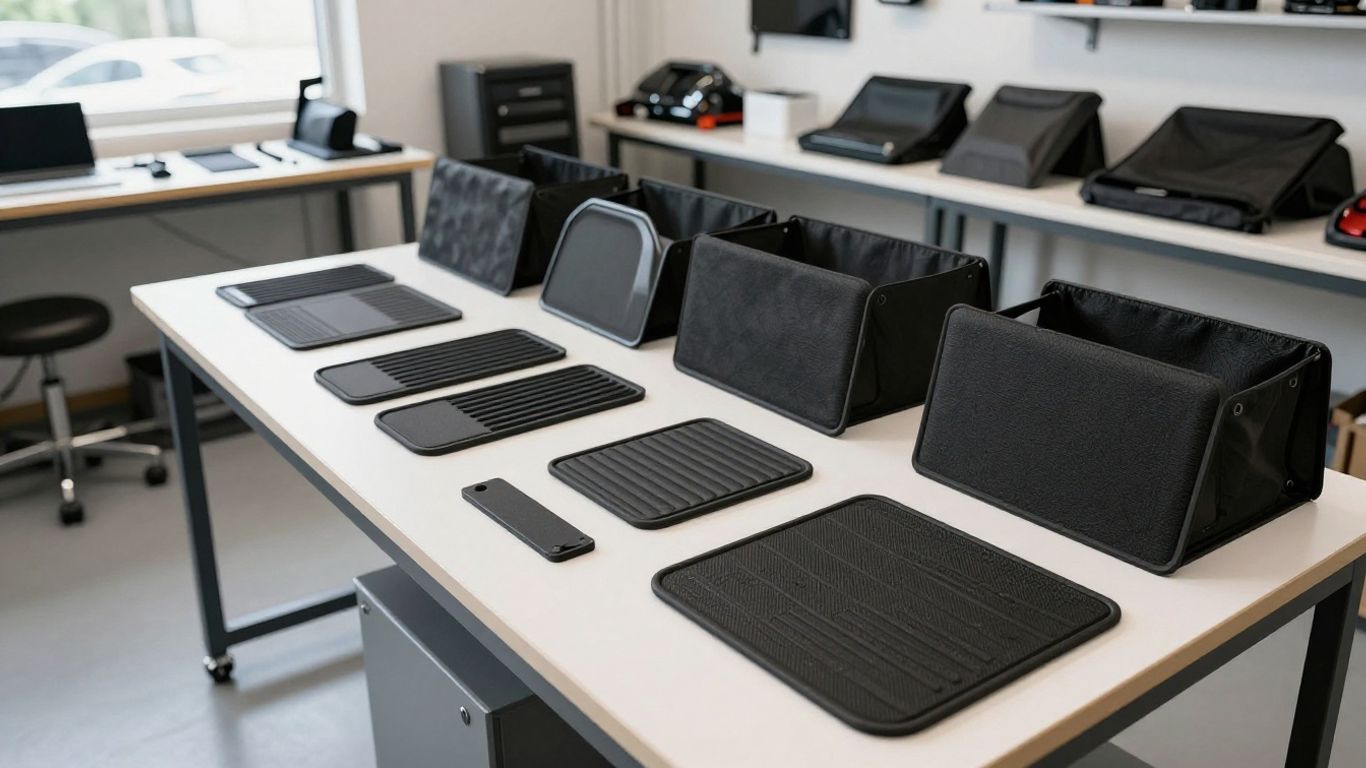
Not all alternative parts share the same manufacturing pedigree, as quality ranges from basic generic fitments to premium, model-specific components. Some suppliers invest heavily in reverse-engineering factory parts to achieve near-identical performance. It is worth investigating providers like accessoriesforbyd.com when you want to customize your vehicle while keeping the overall aesthetic consistent with the brand’s vision.
Cost-effectiveness and accessibility benefits
Choosing alternatives often results in lower upfront costs, which is helpful during routine maintenance cycles. These items are frequently kept in stock by independent vendors, providing a faster turnaround for owners who do not have time to wait for dealer backorders. The following list details items where aftermarket options are often highly favored by drivers:
- Custom-fit all-weather floor mats for passenger comfort.
- Exterior protective films that prevent paint chips and scuffs.
- Specialized cargo organizers designed for specific trunk dimensions.
- Upgraded cabin air filters that meet or exceed filtration standards.
By selecting these items from established aftermarket channels, you ensure that your budget is allocated toward improvements that offer the most value for your specific lifestyle and driving habits.
Risks associated with low-grade components
Low-grade components often fail to meet the structural or chemical safety requirements of modern vehicle manufacturing. Inferior metals or plastics may warp under temperature fluctuations, potentially leading to loose fittings or compromised safety performance. When replacing parts, it is essential to avoid vendors that do not provide clear material specifications to ensure that even a small bolt or trim clip does not introduce unnecessary rattles or structural weakness.
Comparative analysis of cost and value
Balancing the budget with vehicle longevity requires a careful look at how different parts interact with your car over time. While the price of a generic part might look attractive initially, its potential to fail early often adds labor costs to future maintenance visits.
Short-term savings versus long-term repair costs
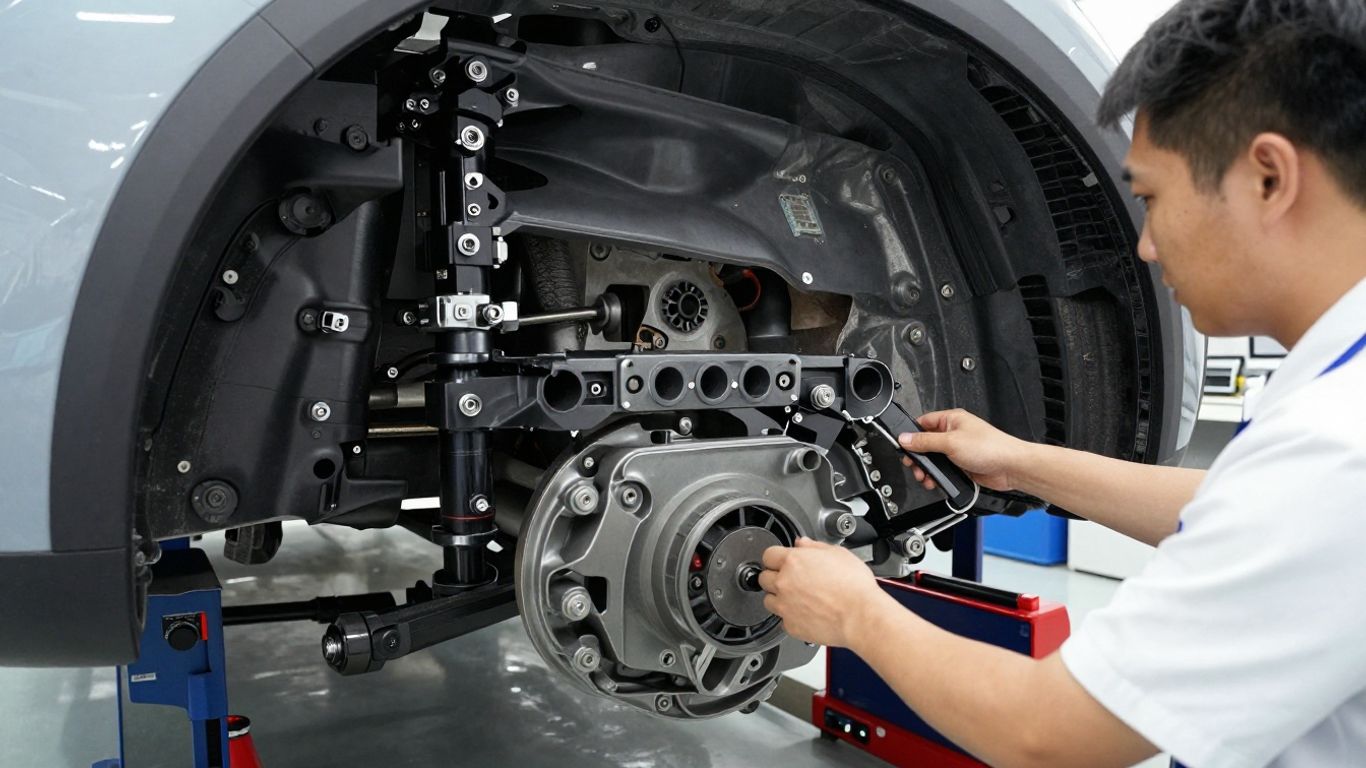
Choosing inexpensive replacements can lead to a cycle of repeated repairs that ultimately exceed the price of an original part. Labor costs to troubleshoot an poorly fitting alternator or sensor often dwarf the initial savings of a cheaper item. The table below outlines how common repair categories shift in long-term expense when considering different parts:
| Component Type | Initial Cost | Service Life | Long-term Expense |
|---|---|---|---|
| Genuine Parts | High | Long | Low |
| Tier 1 Aftermarket | Moderate | Moderate | Moderate |
| Budget Aftermarket | Low | Short | High |
This breakdown serves as a reminder that the cheapest option at the register is not always the most economical choice over the life of your vehicle.
The trade-off between price and service lifespan
Every part has a fatigue limit, but factory-standard components are engineered to reach that limit consistently. Budget-friendly parts often use thinner alloys or standard-grade plastics, which can break down long before the vehicle is due for its next service interval. By selecting reputable aftermarket segments, you can extend the service lifespan, but you must remain discerning regarding the build quality before installation.
Resale value implications of using non-genuine parts
Prospective buyers often look for service history that involves documented professional maintenance with original components. A consistent record of OEM repairs helps maintain the vehicle’s market position, whereas a history of DIY repairs using unbranded parts can create hesitation. Keeping the vehicle in its original state is a smarter long-term financial strategy for those who plan to upgrade their ride in the future.
Safety and performance considerations
Advanced vehicle systems rely on precision and seamless integration to keep the driver safe on the road. Replacing sensitive electronics or structural components without ensuring they meet original specifications can disrupt complex safety algorithms.
Engineering compatibility with BYD vehicle systems
Modern vehicles are tightly integrated networks where hardware and software communicate constantly. If you replace a complex electronic control module with a unit that uses Master Power standards slightly different from the original design, you risk triggering warning lights across your dashboard. Ensuring that every replacement matches the original communication protocol is critical to maintaining the functional integrity of your driving experience.
Avoiding sensor malfunctions and electronic integration issues
Sensors in mirrors, bumpers, and even seat assemblies are calibrated at the factory to report exact data back to the central unit. When an aftermarket sensor provides inaccurate feedback, the traction control or braking assistance systems might compensate incorrectly, leading to performance hazards. It is safer to rely on testing-certified parts for any component that feeds data to your safety suites.
Reliability in harsh driving conditions
Vehicles must endure extreme humidity, salt spray, and temperature shifts without allowing corrosion or component separation. The chemicals used in factory-standard wiring harnesses and exterior seals are specifically chosen to resist these harsh conditions. When you opt for lower-grade aftermarket alternatives, those components often degrade faster during winter or coastal driving, potentially compromising your vehicle’s connectivity and outer protection.
Decision-making criteria for BYD maintenance
Your vehicle is a significant investment, and the parts you choose to install are a reflection of how you value its performance. Prioritizing authenticity for critical components while choosing reliable aftermarket sources for minor replacements will streamline your ownership experience.
Critical versus non-critical components for your vehicle
High-stakes components, such as powertrain modules, braking systems, and structural framing, should always prioritize factory originality. For these, the risk of failure is simply too high and the potential for voiding coverage is too real. Conversely, secondary items like dashboard aesthetic upgrades or cargo liners, which have no impact on vehicle software, are entirely suitable for high-quality aftermarket solutions.
Navigating your specific warranty terms
Before ordering parts, check your current coverage to understand where your flexibility lies. Some regions have strict stipulations regarding the use of genuine equipment to keep the manufacturer coverage active. If your policy is restrictive, it is best to stay within the network offered by authorized providers to avoid any complications during potential claims.
Finding reputable aftermarket and OEM suppliers
Identifying a reliable partner for your needs involves looking for suppliers with transparent inventory descriptions and clear refund policies. Whether you are searching for c88c accessories or need advice on OEM equivalents, a good supplier will provide detailed information about the manufacturer of the component. Always favor vendors that explicitly list their supply chain references, ensuring you aren’t paying premium prices for generic rebadged items.
Conclusion
Balancing your maintenance budget requires a strategic approach that prioritizes longevity and performance-critical safety while allowing for modern aftermarket flexibility where appropriate. By understanding when to invest in original components and where high-quality alternatives can thrive, you keep your vehicle running smoothly and preserve its long-term value. Always prioritize the requirements of your specific warranty and focus on the technical compatibility of every new part, ensuring that your driving experience remains as seamless as the day you first took the wheel.
Frequently Asked Questions
How does market demand impact the availability of parts?
As the global footprint of modern vehicle brands expands, manufacturers and third-party suppliers alike increase their production capacity to keep pace, leading to a wider selection for the average driver.
Should I avoid all aftermarket parts if I want to maintain my car’s value?
Not necessarily, as many high-quality aftermarket upgrades are perceived as improvements by prospective buyers, provided they are professionally installed and do not interfere with the car’s core safety systems.
Can cheap parts cause electronic system errors in modern vehicles?
Yes, because complex vehicle software relies on consistent data from factory-calibrated components, and low-quality items can propagate incorrect information that triggers error alerts.
What represents the biggest risk when choosing non-genuine parts?
The primary concern is the lack of standardized testing to ensure the replacement behaves exactly like the original, which can lead to unexpected failures in structural integrity or electrical integration.
Is dealer maintenance always required to keep a vehicle in top condition?
While dealer visits offer the peace of mind of certified technicians and genuine components, local independent mechanics can also provide excellent service provided they utilize authorized parts and follow professional guidelines.
How can I verify that a part is actually of high quality?
Look for detailed manufacturer information, clear product specifications, and positive feedback from other owners of your specific vehicle model to separate high-performing options from generic alternatives.
Are there specific parts that should never be aftermarket?
Components that affect your driving safety, such as brake calipers, powertrain sensors, and structural metal supports, are best sourced from original equipment manufacturers to ensure they meet exact safety engineering standards.