
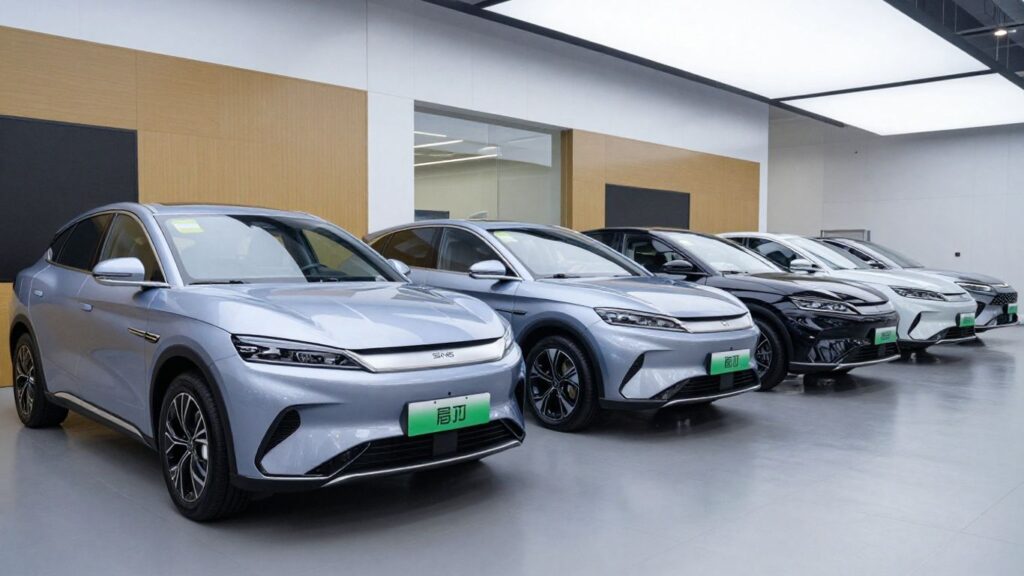
Key Takeaways
Finding reliable access to repair components is essential for long-term vehicle ownership, especially for high-volume electric models that share parts across production lines.
- Global flagship models often benefit from the most stable and extensive parts supply chains.
- Choosing platforms with a high volume of shared chassis components simplifies sourcing efforts for owners.
- Mature model lines with long production histories provide better access to both OEM and aftermarket parts.
- Established service networks remain the most dependable path for specialized luxury component repairs.
- Advanced logistics help bridge the gap for sedan and compact vehicle owners in dispersed geographic markets.
BYD Atto 3: The brand’s global flagship
The Atto 3 stands out as a focal point for international support, largely due to its status as a high-volume product across multiple continents. As the most reliable BYD models are often those with the largest production footprint, this SUV enjoys a level of logistical backing that newcomers to the lineup simply do not yet possess.
Because this model is sold in such significant numbers, manufacturers of compatible spares have prioritized the Atto 3, creating a robust ecosystem. Owners rarely struggle with the basic wear items that usually lead to extended workshop stays for newer or niche vehicles, which speaks to its widespread adoption.
This broad popularity means that mechanics everywhere are becoming increasingly familiar with its internal architecture. When a vehicle is a common sight on public roads, the friction associated with diagnostic tasks and routine maintenance drops significantly, ensuring a smoother ownership experience for those prioritizing uptime above all else.
BYD Seal: Streamlined logistics for sedan drivers
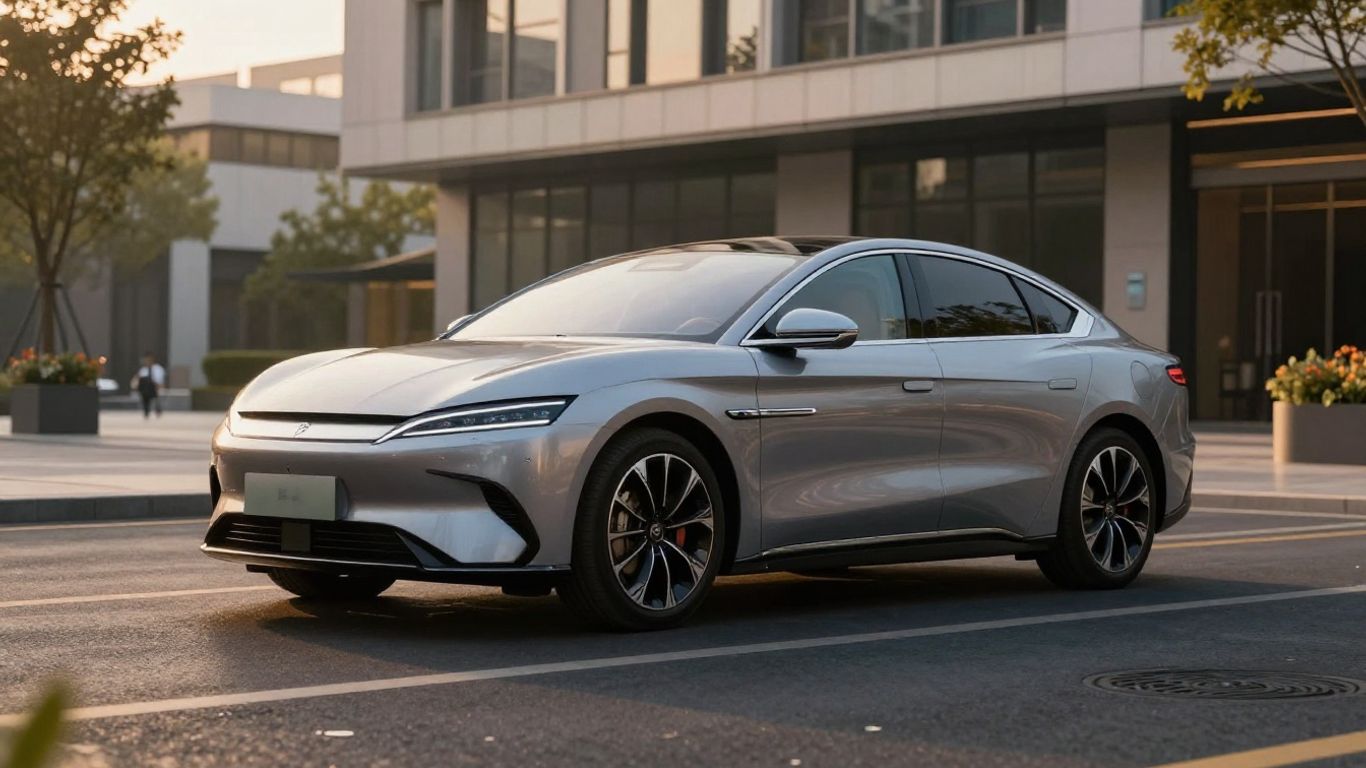
Designers of the Seal focused heavily on aerodynamic efficiency, but from a logistics perspective, the outcome is just as impressive for the driver. By leveraging shared structural components found in electric cars, sedans, and SUVs, the sedan benefits from a streamlined supply of body panels and lighting assemblies that are rarely stuck in backorder.
Logistically, sedans of this caliber are treated as high-priority assets within existing distribution hubs. This ensures that when a component reaches the end of its typical service cycle, replacement units are usually sitting in a local warehouse rather than needing to be shipped from halfway across the world.
Performance-oriented drivers may worry about specialized electronic modules, yet the standardized nature of these units across the fleet minimizes complexity. The widespread use of uniform connectors and common internal wiring harnesses ensures that even if a specific part is currently unavailable in the local store, it is quickly obtainable from a secondary network location.
BYD Dolphin: Ubiquitous parts for the compact hatch
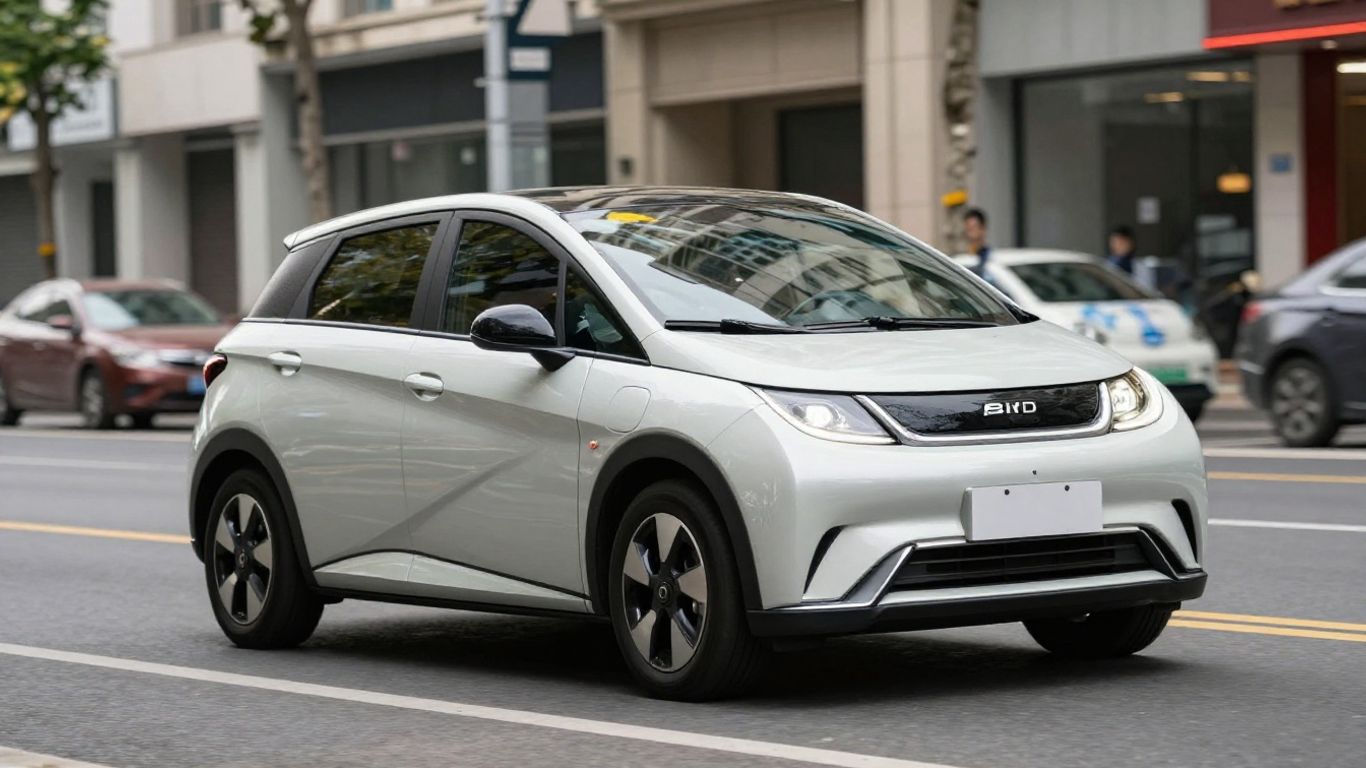
When exploring options for choosing the right BYD EV, the compact hatch is perhaps the most accessible regarding everyday parts. Because it is built on a platform designed for agility and volume, the total inventory of replaceable segments is vast, making it the most practical choice for many urban drivers.
There are several distinct reasons why this model maintains such high part accessibility across the board:
- Standardized battery housing modules are used across multiple hatch variants.
- High-turnover maintenance items like brake sensors and cabin filters are stocked globally.
- Generic electric powertrain controllers are shared with larger platform siblings.
- Exterior trim pieces are engineered to be easily sourced and quickly snapped into place.
This consistency prevents the common headaches associated with small cars that often suffer from obscure or unique components. By focusing on shared modularity, the manufacturer ensures that even when a vehicle is several years old, the underlying technology remains familiar enough for most service technicians to handle with speed.
BYD Tang: Mature platform with established service networks
The Tang has been a fixture in the market for several years, allowing its service network to build deep expertise in every major component. As a leader in the BYD Auto lineup, this model carries a history of refinement that benefits owners who count on long-term manufacturer support for specialized repair needs.
| Component Type | Availability Status | Logistic Source |
|---|---|---|
| Suspension Bushings | High | Regional Warehouse |
| Hybrid Battery Cells | Medium-High | Authorized Service Center |
| Infotainment Screen | High | Manufacturer Direct |
This table illustrates that while specialized elements might require an authorized center, the vast majority of tangible vehicle components have reached a state of healthy supply equilibrium. Users who rely on these vehicles for daily transport appreciate the peace of mind that comes from a platform that has matured beyond its initial rollout phases.
Furthermore, the longevity of this platform means that third-party vendors have had ample time to perfect their engineering for aftermarket alternatives. This competition keeps prices fair and prevents the dreaded "out-of-stock" notifications that plague newer, less stable model lines in the rapidly growing global electric market.
BYD Han: Accessing luxury components through authorized partners
Navigating the needs of a luxury-leaning model like the Han requires a bit more focus on the official service chain, but the results are consistent. Given the current challenges in the UK automotive aftermarket, owners of high-spec models are finding that authorized partners have prioritized the delivery of specialized, high-demand components to keep these flagship units operational.
It is worth noting that luxury components are often unique, so relying on these authorized channels is a strategy for long-term protection. By keeping the vehicle within the official system during the early stages of its ownership cycle, you ensure that any necessary software calibration and unique trim replacement can be handled with exact specifications.
If you find yourself seeking accessories that go beyond standard parts, such as genuine sheepskin car seat covers for added comfort, you might also look into secondary markets that cater to luxury vehicle aesthetics. These additions provide a level of personal customization that complements the built-in refinement of the Han without interfering with the integrity of its core technical systems.
Conclusion
Keeping your vehicle on the road comes down to making an informed choice about the platform you select today. By opting for models that share major components and enjoy strong global logistic support, you minimize the risk of long-term downtime. Whether you prioritize a high-volume flagship like the Atto 3 or the mature, reliable infrastructure supporting the Tang, the path to consistent parts availability is paved by models that allow for easy, predictable service cycles.
Frequently Asked Questions
Are there specific benefits to choosing older models for parts availability?
Older models often benefit from a more developed aftermarket and a larger pool of used OEM parts, which can simplify the process of locating hard-to-find components.
How do I know if a part is genuine or aftermarket?
Genuine parts are typically labeled with manufacturer branding and purchased through authorized service providers, while aftermarket versions are produced by independent companies and often found via specialized online retailers.
Does a vehicle’s popularity correlate with its maintenance costs?
Generally, more popular vehicles benefit from higher demand, which encourages competitors to create affordable spare parts, often reducing the cost for the average owner.
Why are some parts harder to find for newer electric models?
Newer models sometimes utilize proprietary software or untested hardware configurations that require specific manufacturing tools, limiting options for third-party production in the early years of the vehicle’s lifecycle.
What should I do if a part is currently on backorder for my vehicle?
When a specific part is unavailable, checking with multiple authorized dealers or exploring certified salvage networks can often locate the needed item faster than waiting on a primary manufacturer shipment.
Can professional advice help when navigating complex repairs?
You can contact a licensed, full-service general contractor for guidance on specialized logistics or speak with experts from a mental health billing services partner if you are managing a company fleet. Though these don’t offer car parts, they provide professional models for managing external inventory.
Is it possible to be confused by misleading sales structures when buying parts?
It is important to stay vigilant and understand the difference between bHIP or similar multi-level marketing strategies and legitimate direct-to-consumer automotive supply chains designed to provide transparent, verified vehicle parts.