

Key Takeaways
Modern electric vehicles occasionally encounter technical hiccups that are often software-related or resolved through routine maintenance. Staying informed about these occurrences ensures your vehicle remains reliable for the long haul.
- Software updates frequently address connectivity and interface issues.
- Battery management monitoring prevents long-term efficiency degradation.
- Scheduled suspension inspections keep ride comfort at factory standards.
- Monitoring electrical sensors prevents phantom safety warnings.
- Professional diagnostic tools simplify identify root causes for complex faults.
Battery management and charging issues
Managing electric vehicle energy systems involves observing how the car consumes power during various climate conditions and driving habits. Because modern EVs rely on complex feedback loops between the battery pack and the grid, occasional inconsistencies can appear during the charging process. It is important to remember that regular diagnostic checkups often resolve minor inconsistencies before they affect the vehicle range.
Troubleshooting slow charging speeds
Slow charging sessions often result from localized grid fluctuations or outdated firmware within the vehicle charging controller. If a home charger consistently fails to meet expected rates, inspecting the circuit load can help determine if the bottleneck exists in the external supply or the onboard hardware.
Resolving battery management system warnings
Battery management software continuously monitors cell health to ensure uniform voltage distribution across the entire pack. When the system detects a discrepancy, it logs a warning that usually prompts an automated recalibration process designed to balance the individual cell loads.
Managing high-voltage system fault codes
High-voltage fault codes indicate that the drivetrain computer has intercepted a signal that falls outside normal operating parameters. These codes are typically logged during self-diagnostic cycles to protect the integrity of the battery and motor components from potential surges.
Best practices for thermal management
Maintaining the battery pack within its optimal temperature window is crucial for both longevity and daily performance. The following table illustrates conditions that influence standard thermal operation:
| Operational Factor | Optimal Status | Impact of Deviation |
|---|---|---|
| Ambient Temperature | Balanced 20-25C | Reduced peak charging speed |
| Coolant Levels | System Full | Potential motor thermal throttling |
| Active Cooling Cycle | Engaged during DC | Decreased efficiency in extreme heat |
Properly following these metrics prevents the system from triggering unnecessary protective power shifts during intense driving sessions.
Software glitches and infotainment errors
Digital interfaces are the heart of vehicle control, managing everything from cabin temperature to navigation and performance settings. While these systems are designed for stability, they can occasionally experience input lag or connection timeouts. Consulting resources like the BYD Atto 3 problems and solutions guide helps owners distinguish between minor interface bugs and deeper system requirements.
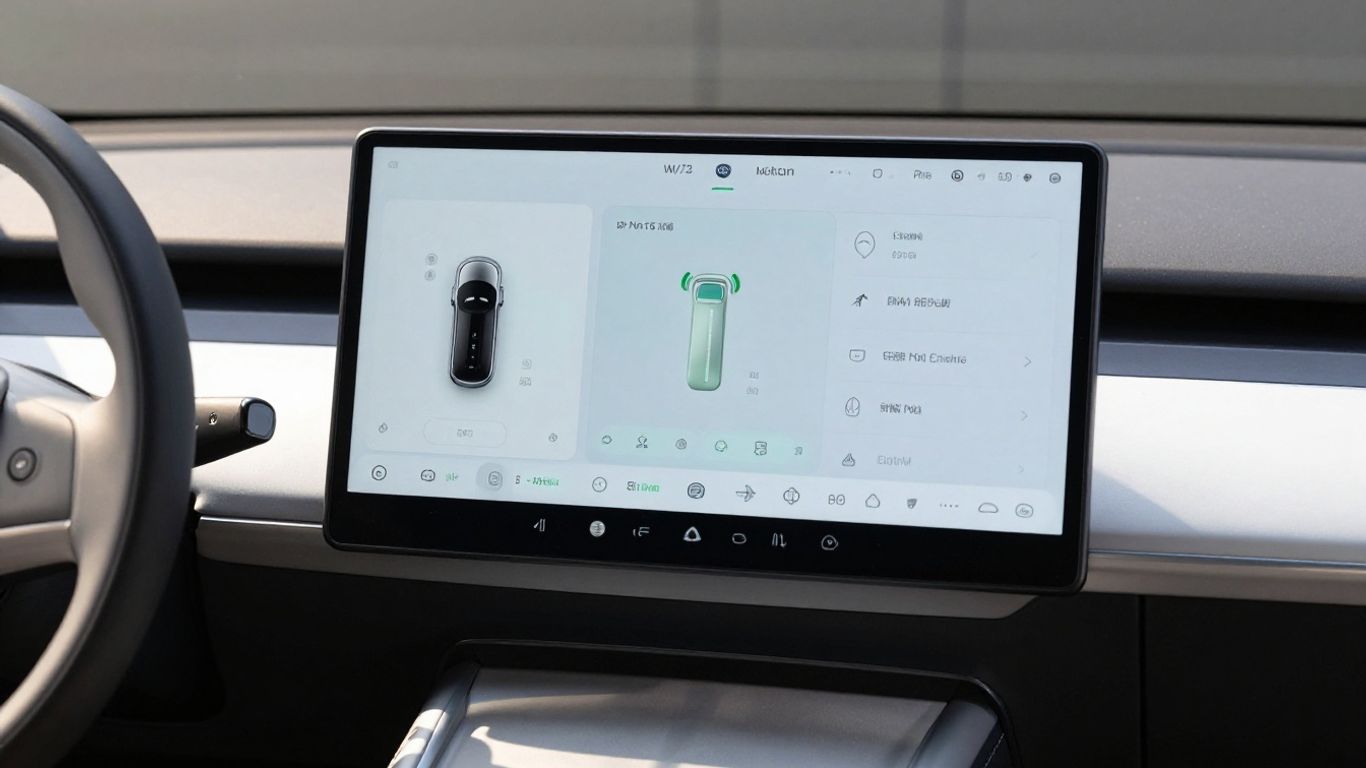
Fixing unresponsive touchscreens
Touchscreen unresponsiveness often stems from a temporary cache overflow in the infotainment processor. Performing a forced reboot of the head unit, which is typically accessible through the steering wheel menu, clears temporary memory and restores input sensitivity.
Updating software to patch system bugs
Manufacturers regularly release over-the-air patches to refine user experience and correct known quirks. These updates often iterate on stability, fixing intermittent bugs that might otherwise persist through regular power cycles.
Resetting the digital instrument cluster
If the digital display behind the steering wheel shows conflicting data or frozen graphics, a hard reset can force the cluster to resync with the primary vehicle network. This process effectively clears cached display errors and aligns the instruments with current sensor feedback.
Addressing connectivity and app integration failures
Connectivity issues between mobile devices and the vehicle console are usually tied to outdated protocol versions or signal interference in dense urban areas. Keeping secondary apps updated and refreshing the Bluetooth handshake effectively resolves recurring link drops.
Electrical system and sensor malfunctions
Electrical gremlins often manifest through non-critical warning lights that might seem intrusive despite the vehicle functioning normally. Owners discussing BYD Atto 3 problems often point to sensor sensitivity as a common source of these temporary alerts. Properly maintaining electrical health starts with understanding how these components communicate with the central gateway.
Diagnosing ADAS sensor calibration errors
Advanced Driver Assistance System sensors require precise alignment to accurately detect road hazards and lane markings. Should these sensors become obscured by dirt or misaligned due to minor external vibrations, the onboard computer may disable certain features until a recalibration occurs at a professional facility.
Handling phantom park assist warnings
Phantom warnings from park sensors typically indicate that the ultrasonic emission is bouncing off surfaces in an unexpected manner. Cleaning the sensor housings and inspecting for physical obstructions usually eliminates feedback noise that triggers these faulty alarms.
Correcting headlight and turn signal faults
Lighting assemblies are interconnected via a bus circuit that verifies the resistance of bulbs before allowing illumination. Significant fluctuations in this resistance signal alert the driver to potential wiring wear or moisture intrusion, which should be inspected as soon as possible.
Managing 12V battery drain scenarios
Even in high-voltage EVs, a low-voltage 12V battery is required to maintain the vehicle’s accessory systems when the main pack is inactive. Unexpected drainage usually occurs if external accessories are plugged in while the vehicle is parked, demanding a check of the accessory port sleep timer.
Suspension and structural concerns
Structural integrity and suspension comfort impact the long-term enjoyment of an electric vehicle. Whether experiencing odd sounds or uneven tire wear, it is beneficial to look into general BYD electric car maintenance resources that detail how to check for mechanical wear. A proactive approach helps identify minor structural settling before it changes your driving dynamics.
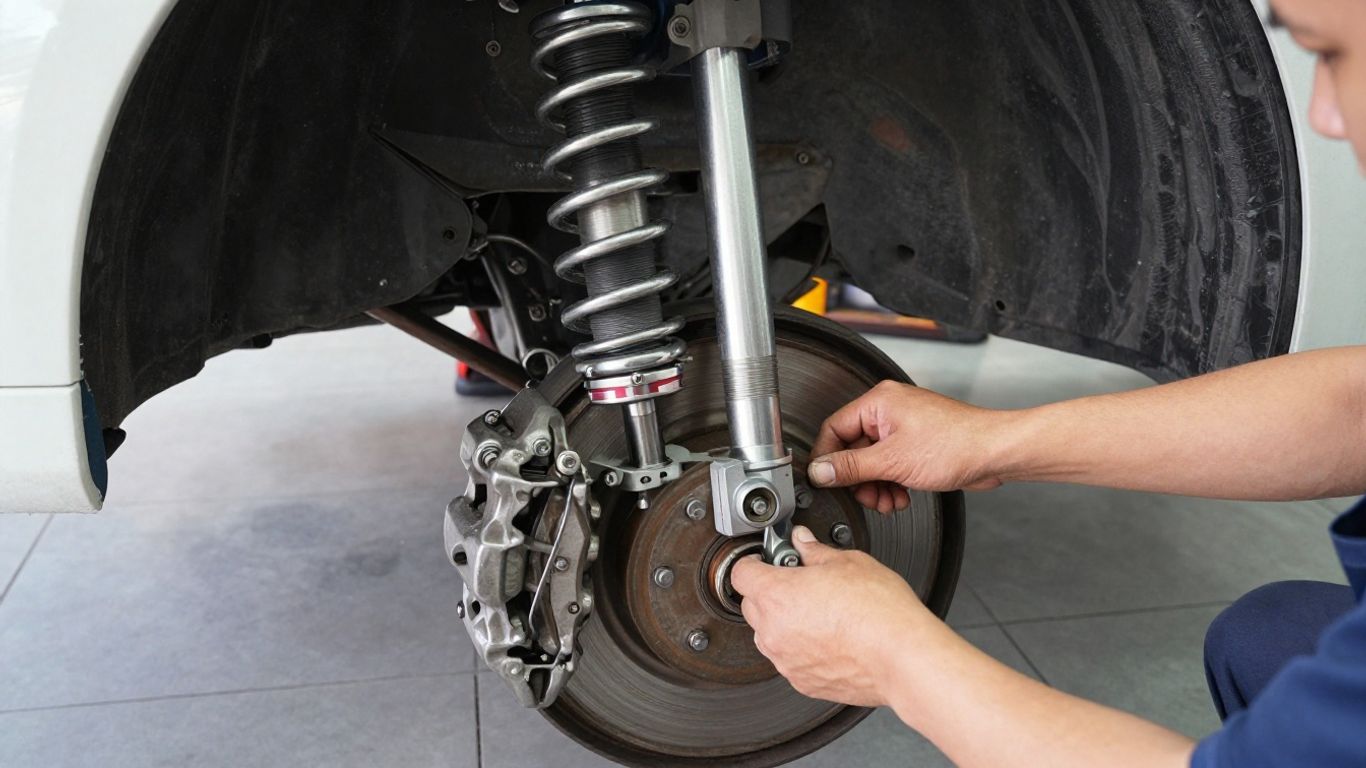
Identifying unusual noise during suspension travel
Uncommon noises like thuds or squeaks during road travel can signal worn bushings or loose mounting points on the control arms. These components should be examined periodically to prevent excessive stress on the chassis.
Resolving premature tire wear issues
Premature wear on the tires often points to an alignment mismatch rather than a defect in the rubber itself. The following steps help address uneven tread patterns effectively:
- Perform a full 4-wheel alignment check at a certified shop.
- Rotate tires every 5,000 miles to equalize contact pressure.
- Verify tire pressure against the placard located on the door jamb.
- Inspect suspension geometry for signs of impact or damage.
Following these steps ensures that contact patches remain uniform across all four corners, which stabilizes vehicle handling.
Checking alignment specifications for varied road conditions
Alignment specifications vary depending on local road conditions and individual driving preferences. Adjusting these values within factory limits can soften the impact of harsh road surfaces while maintaining precise cornering capability.
Improving ride comfort through shock absorber inspection
Shock absorbers naturally dampen road irregularities, but their performance eventually declines with heavy usage. Physically inspecting these units for oil leaks or inconsistent damping cycles remains the standard diagnostic method for restoring that factory-new feeling to your commute.
Exterior and interior build quality issues
Attention to detail in the cabin and body panels reflects how the vehicle will age over years of ownership. While most exterior elements are designed for modularity, some complex mechanisms like door handles require periodic maintenance to function perfectly. Utilizing the BYD Diagnostic Tool provides owners with data on how these electrical components interact with the body controller.
Addressing door handle retraction failures
When door handles fail to retract, the issue usually involves debris collecting in the motorized hinge assembly. Cleaning this area with light compressed air often restores smooth operation without requiring a formal mechanical overhaul.
Resolving cabin rattle and trim vibrations
Cabin rattles are generally the result of plastic trim pieces shifting after thousands of miles of driving. Locating these vibrations is often faster if you have a passenger help pinpoint the specific source while driving on uneven pavement.
Inspecting water intrusion in lighting assemblies
Lighting assemblies are factory-sealed, but environmental factors can cause seal degradation over time, allowing minor condensation to collect. Regularly checking that drains are clear prevents excessive moisture buildup inside the lens structure.
Maintaining interior material finishes
Interior materials, particularly faux leather surfaces, benefit from occasional conditioning with neutral cleaning agents. Avoiding harsh chemicals maintains the integrity of the material’s surface, preventing premature peeling or color fading.
Performance and drivetrain troubleshooting
Performance degradation alerts sometimes appear on the dashboard when the powertrain requires a deep system cycle to re-establish its peak efficiency. Some owners reporting BYD Dolphin problems have successfully navigated these warnings by performing a full manual reset of the vehicle accessories.
Interpreting power reduction mode triggers
Power reduction mode is a deliberate safety feature that limits torque when the drivetrain computer senses a temperature or voltage anomaly. This prevents permanent damage and typically resets once the system returns to its operational range.
Investigating regenerative braking irregularities
Regenerative braking feels inconsistent if the battery cannot accept back-fed energy due to being near full capacity or too cold. This behavior is normal and simply reflects the car managing the energy return limit to avoid potential cell damage.
Managing torque delivery inconsistencies
Torque delivery should feel immediate and linear, provided the traction control system is not intervening during slick weather. If it feels surged or sluggish on dry roads, the software responsible for throttle response may need an update to smooth out the power mapping.
Evaluating drive motor cooling efficiency
Drive motor performance relies heavily on the efficiency of the cooling loop that carries heat away from the rotating assemblies. If the cooling fan runs louder than usual, it may indicate that the heat exchanger needs a routine cleaning to improve its exchange surface area.
Conclusion
Navigating ownership of an electric vehicle becomes much more manageable once you realize how interconnected the software and hardware systems are in modern designs. By staying informed about potential technical quirks and relying on verified diagnostic procedures, most owners find their vehicles remain efficient and pleasant to drive for years.
Frequently Asked Questions
How often should an electric vehicle battery be checked?
It is recommended to have the battery health analyzed during your scheduled annual service visits to track degradation over time.
Why does my vehicle display temporary warning lights?
Warning lights clarify that the onboard computer has detected a sensor value that requires attention, often acting as a preemptive measure to avoid further faults.
Can software updates fix mechanical noise issues?
Updates usually handle system-wide communication and sensor calibration, though they rarely resolve physical mechanical wear inside components like suspension joints.
Where can I find the official factory alignment specifications?
Factory specifications are located in the user manual or can be accessed by authorized service technicians using the vehicle’s specific VIN.
What should I do if my touch interface freezes?
Performing a hard reset of the infotainment processor typically clears temporary memory errors and restores full functionality to the user display.
Are 12V battery failures common in electric cars?
Like traditional internal combustion vehicles, 12V batteries in EVs have a limited cycle life and may require replacement after several years of operation.
Does extreme cold affect my car’s charging speed?
Yes, lithium-ion chemistry limits charging rates in cold temperatures to protect the internal structure of the battery during the energy intake process.